Mini Split Installation in North Carolina
Homes in North Carolina run cooling for more months of the year than in 34 of the other 49 states.
Tell us about the job
Takes about a minute. No obligation.
- 87°Fsummer afternoon high where people live
- 5 monthsof cooling, May through September
- 32°Fwinter overnight low where people live
- 7 monthsof heat, October through April
What does a mini split in North Carolina face?
How hot do summer afternoons get?
87°Faverage afternoon high where people live
Alaska66°F
Arizona101°F
How cold do winter nights get?
32°Faverage overnight low where people live
North Dakota4°F
Hawaii65°F
How many months does the cooling run?
5 monthsof cooling a year
Alaska0 months
Hawaii12 months
What does electricity cost?
14.13¢per kWh (kilowatt hours, the unit on an electric bill), what homes paid in 2024
North Dakota11.51¢
Hawaii42.86¢
How often do storms hit?
168severe weather events per county from 2015 to 2024
Alaska5
Wyoming1,057
How many homes lost power for a day or more?
25%of homes in 2024
Arizona7%
Maine54%
Sized for the room, not for the state
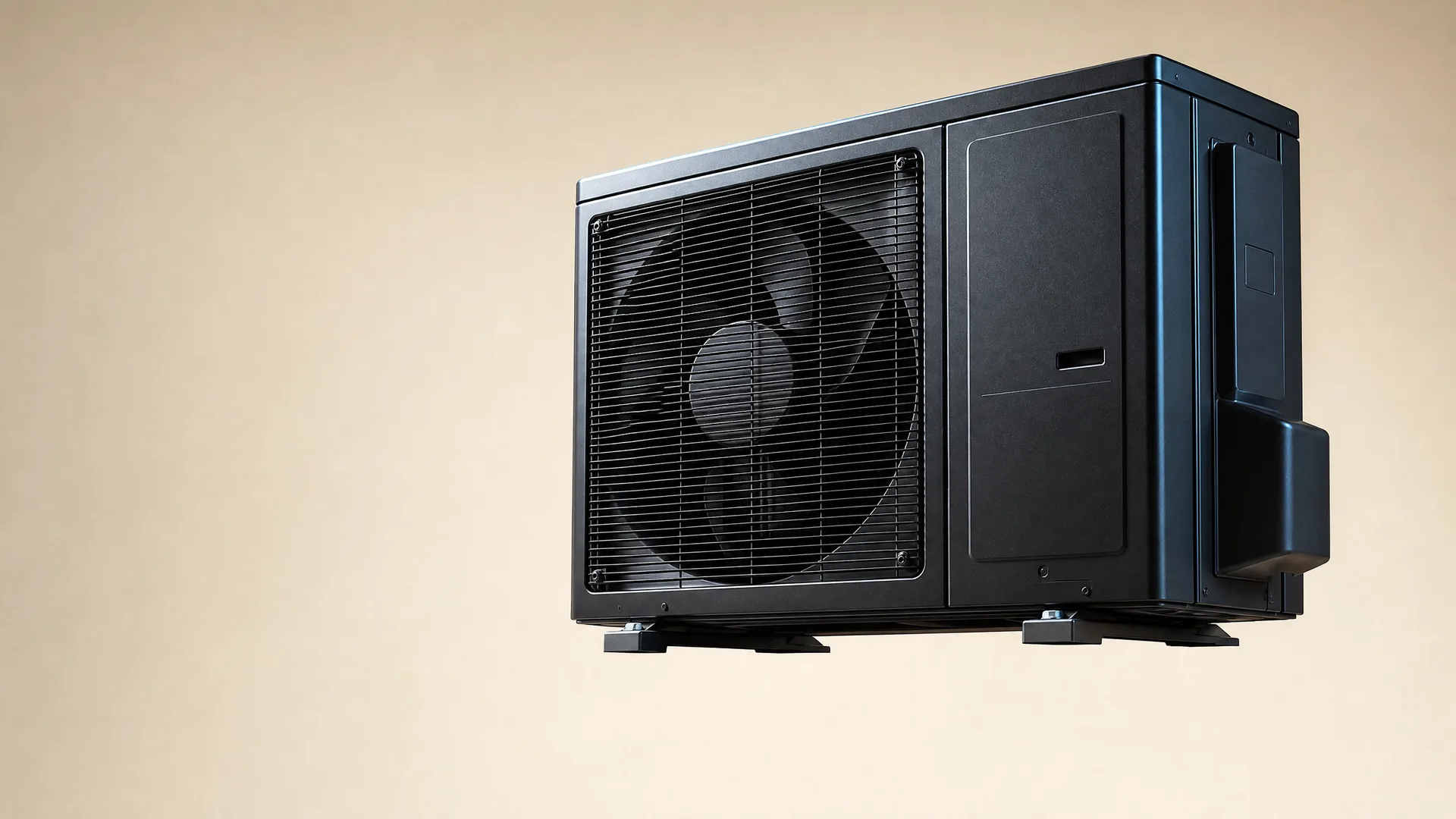
A mini split runs on electricity, and homes here pay 14.13 cents per kilowatt-hour for it, less than most states pay. Homes that run air conditioning used 8.4 million Btu (British thermal units, a measure of heat) of electricity on it over a year. A unit sized to the room it serves covers that without trouble. There's no case here for going bigger or paying more than the space calls for.
North Carolina logged 10,154 severe weather events between 2015 and 2024, more damaging wind and hail than most other states see, and a quarter of households here went at least a day without power last year.
A mini split's outdoor unit sits exposed to that wind and hail, and an outage takes down heat and hot water along with everything else, so where it goes and what backs it up are worth planning before installation, not after.

Built for your part of North Carolina
What works in Anson doesn't match what works in Avery
Anson County summers average 90°F in June, July and August. Avery County averages 75°F those same months. A mini split sized for one works wrong in the other. Get the sizing and the install right for where you live, and it runs the way it should for years.
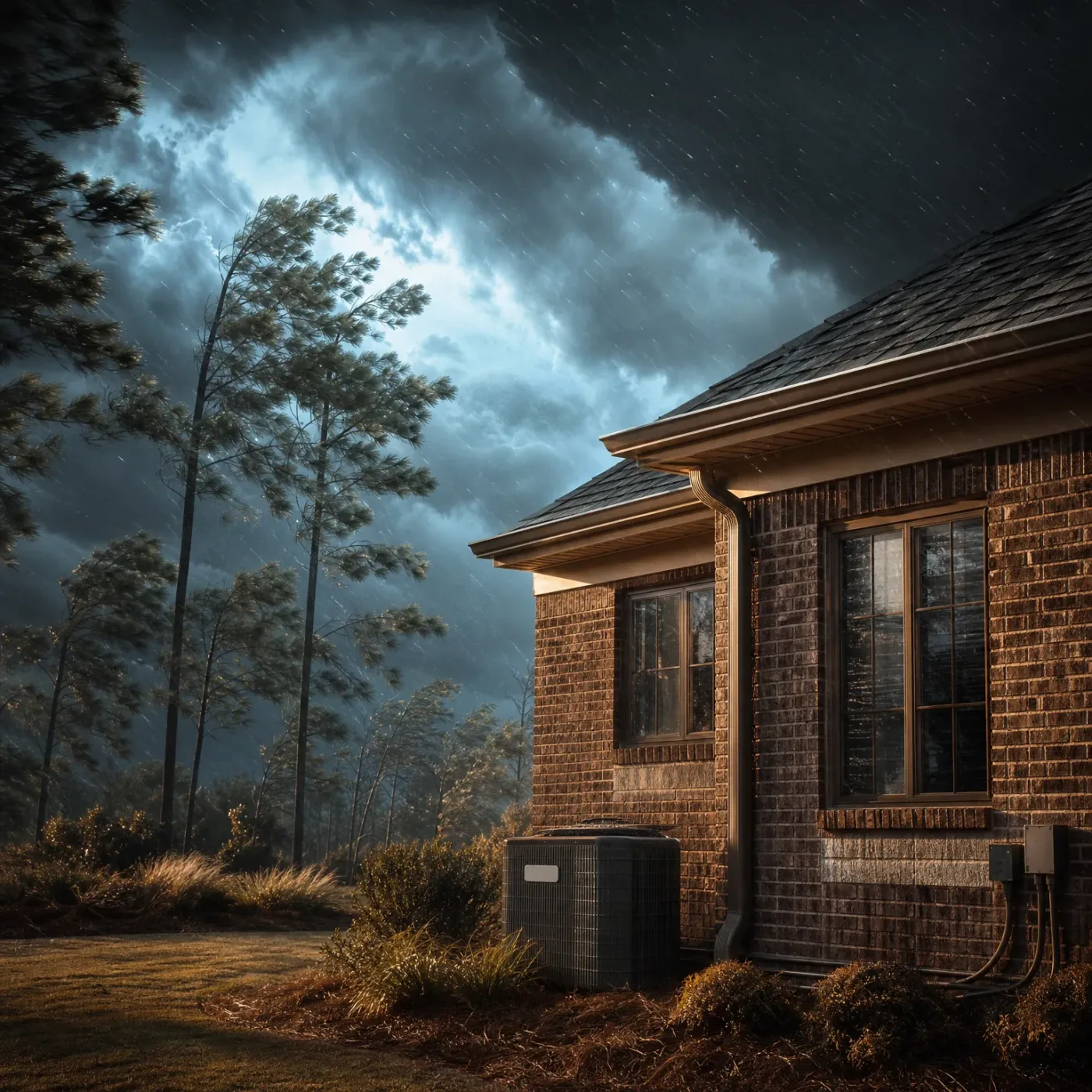
North Carolina logged 10,154 severe weather events between 2015 and 2024. Damaging wind and hail account for most of that count, and both reach the outdoor unit directly. There's no wall or roofline to stop either one out there.
Tornadoes touched down 323 times in that stretch, one of them rated EF3. A unit mounted low and anchored well has a better chance of surviving a storm like that, but nothing makes it tornado-proof. Tropical storms and hurricanes added hundreds more events, and winter storms, meaning snow, ice and blizzards, even more than that. A mini split heats and cools, so it sits exposed through both kinds of weather and has to work in either.
Wake County carries the heaviest storm record in the state. That doesn't mean other counties are clear of this, only that Wake has seen more of everything on this list.
A quarter of North Carolina households lost power for a day or more in 2024, and that share is higher here than in most other states. A mini split needs electricity to run, same as a central system. If the home has a generator or could be wired for one, knowing what it needs to power matters more here than in most places.
Lightning caused damaging events too, fewer than wind or hail but still a reason to ask whether surge protection belongs in the installation.
Summers here push a mini split hard five months of 87°F afternoons
- Hottest summers in Anson County, mildest in Avery County
- Summer afternoons average 87°F where people live
- Winter nights average 32°F where people live
- Cooling runs May through September
- 6,952 damaging wind events from 2015 to 2024
- 25% of homes lost power a day or more in 2024
What actually happens on install day
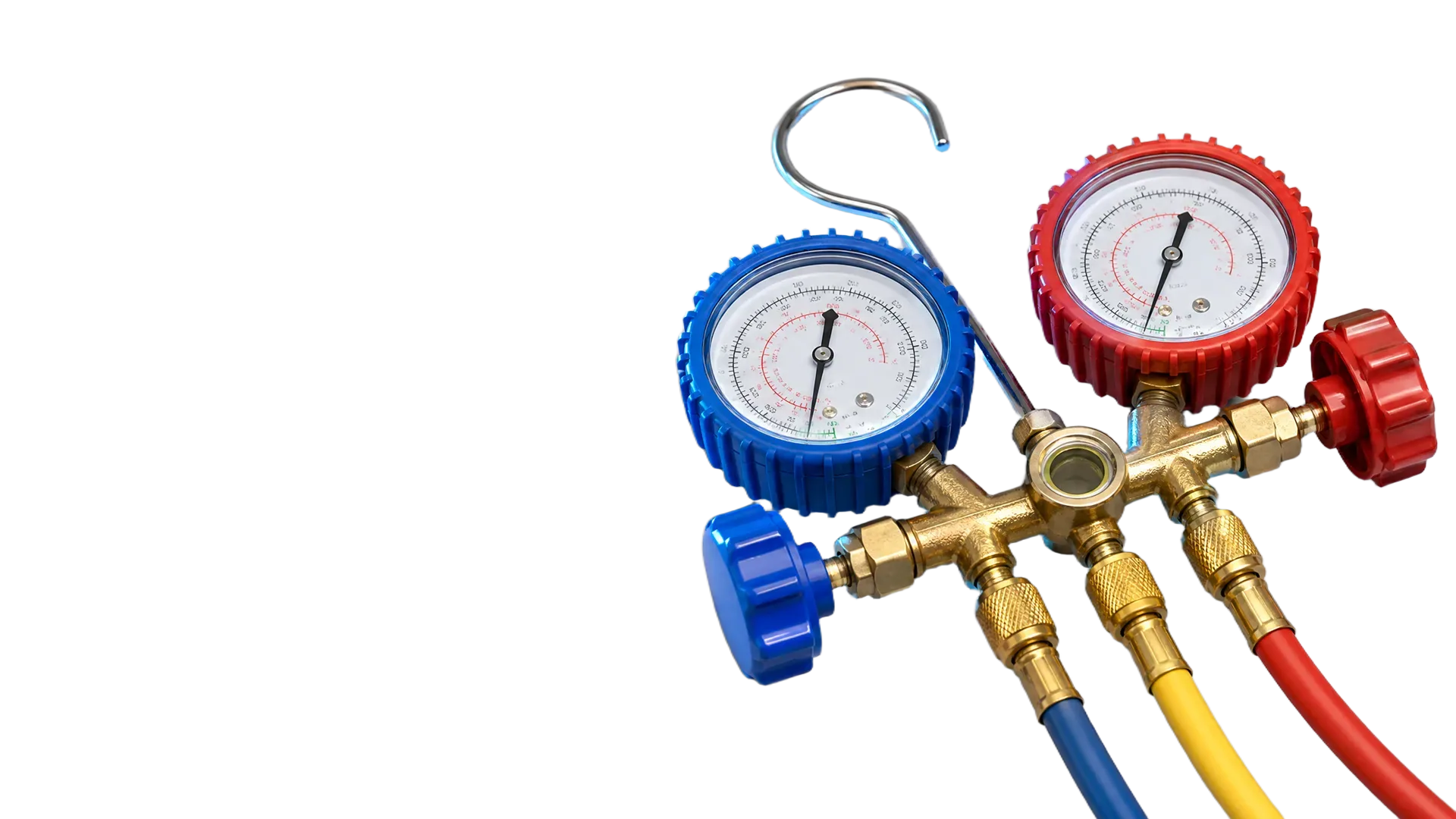
Installation starts with a look at the room itself, not just the unit. The contractor checks where the indoor head can mount, where the line set can run to the outside, and where the outdoor unit can sit on a pad or bracket with clear airflow on all sides. That line set carries refrigerant lines, a drain line and electrical wiring between the indoor and outdoor units, usually through a single hole drilled through the wall. Once that hole is placed and the mounting plate is up, the indoor unit hangs on it and connects to the lines. Outside, the unit gets leveled and secured before the lines connect to it. Then the system gets evacuated with a vacuum pump to pull out air and moisture. Either one left inside the lines ruins the refrigerant charge. It can damage the compressor over time too. Only after the system holds a vacuum does the refrigerant get released into the lines. The last steps are electrical, running power to the outdoor unit and setting the breaker. Then the system gets powered on to check that it cools, heats and drains the way it should.

Electricity heats 65.5% of homes in North Carolina, more than any other fuel. Gas comes in well behind at 24.5%, with propane and fuel oil covering smaller shares still. A mini split fits a home already wired for electric heat without adding a new fuel line or venting to plan around.
Replacing an electric furnace or baseboard heat with a mini split keeps the home on the fuel it already uses. That's the simplest install in a state where most homes are already set up this way. Homes on gas or oil face a different question, since a mini split would be adding a second heat source rather than swapping one for the same.
Cooling starts in May here, so April is the month to get a mini split installed.
Tell us about the job
Takes about a minute. No obligation.
Fill out the form and a licensed contractor sizes the install for your room and your power.