
AC Installation in North Carolina
Homes in North Carolina run cooling for more months of the year than in 34 of the other 49 states.
Tell us about the job
Takes about a minute. No obligation.
- 87°Fsummer afternoon high where people live
- 5 monthsof cooling, May through September
- 14.13¢ per kWhwhat homes paid for power in 2024 (kWh means kilowatt hours, the unit on an electric bill)
- 1,484hail events from 2015 to 2024
Summers here work an AC hard. Five months of cooling, May through September.
- Hottest summers in Anson County, mildest in Avery County
- Summer afternoons average 87°F where people live
- Cooling runs May through September
- 1,484 hail events from 2015 to 2024
- 6,952 damaging wind events from 2015 to 2024
- 25% of homes lost power a day or more in 2024


- A system sized to the home cools every room evenly, not just the one near the thermostat
- Correct refrigerant charge keeps the compressor from working harder than it needs to
- Good airflow through the ducts keeps the coil from icing up on the hottest days
- New equipment runs quieter than an old blower motor on worn bearings
- Someone walks you through the thermostat and the filter before the job is called done
North Carolina's summer afternoons average 87°F across June, July and August, hotter than in most of the country.
A new system here needs to be sized for that load, not picked by the smallest number on the spec sheet.

Get your AC installation done right
Built for North Carolina summers, from a contractor who knows the state
Most homes in North Carolina heat with electricity, 65.5% of them. When the house already runs on electric heat, the ductwork and the air handler are usually set up to work with an electric system, so matching new cooling equipment to what's already there tends to be the simplest path. A contractor sizing your AC will still look at your home directly rather than assume, but knowing what most homes here run on is a fair starting point for what to expect.
What does an AC in North Carolina face?
How hot do summer afternoons get?
87°Faverage afternoon high where people live
Alaska66°F
Arizona101°F
How many months does the cooling run?
5 monthsof cooling a year
Alaska0 months
Hawaii12 months
What does electricity cost?
14.13¢per kWh, what homes paid in 2024
North Dakota11.51¢
Hawaii42.86¢
How often do storms hit?
168severe weather events per county from 2015 to 2024
Alaska5
Wyoming1,057
How many homes lost power for a day or more?
25%of homes in 2024
Arizona7%
Maine54%
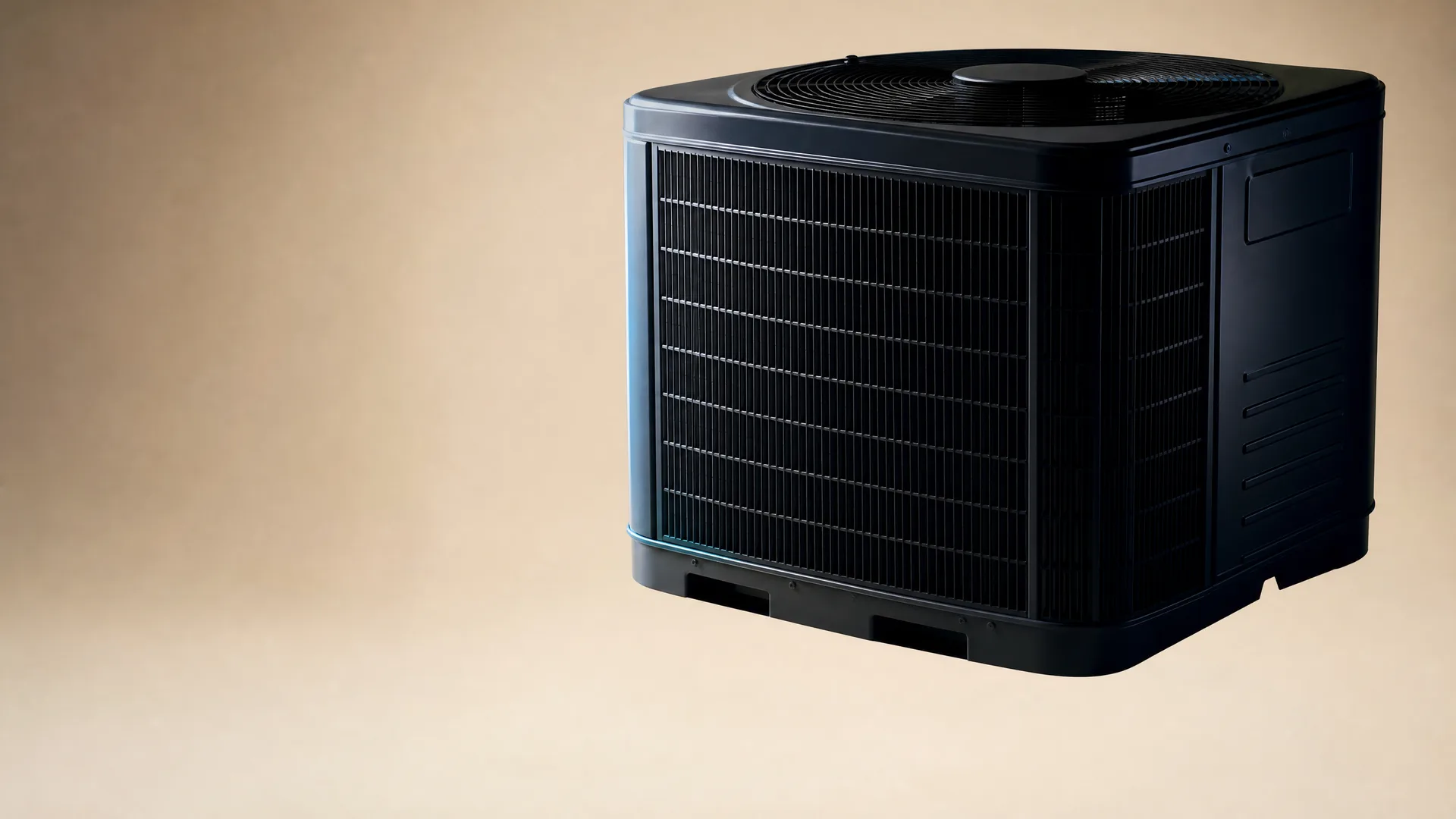
Get it in before May
Cooling starts in May here, which makes April the month to get a new system installed. Done before the first hot stretch, it gets tested and adjusted under normal conditions, with time to check the airflow and the charge properly. Wait until the old one fails mid-summer and you're picking from whatever sits on the truck, not what actually fits your home.
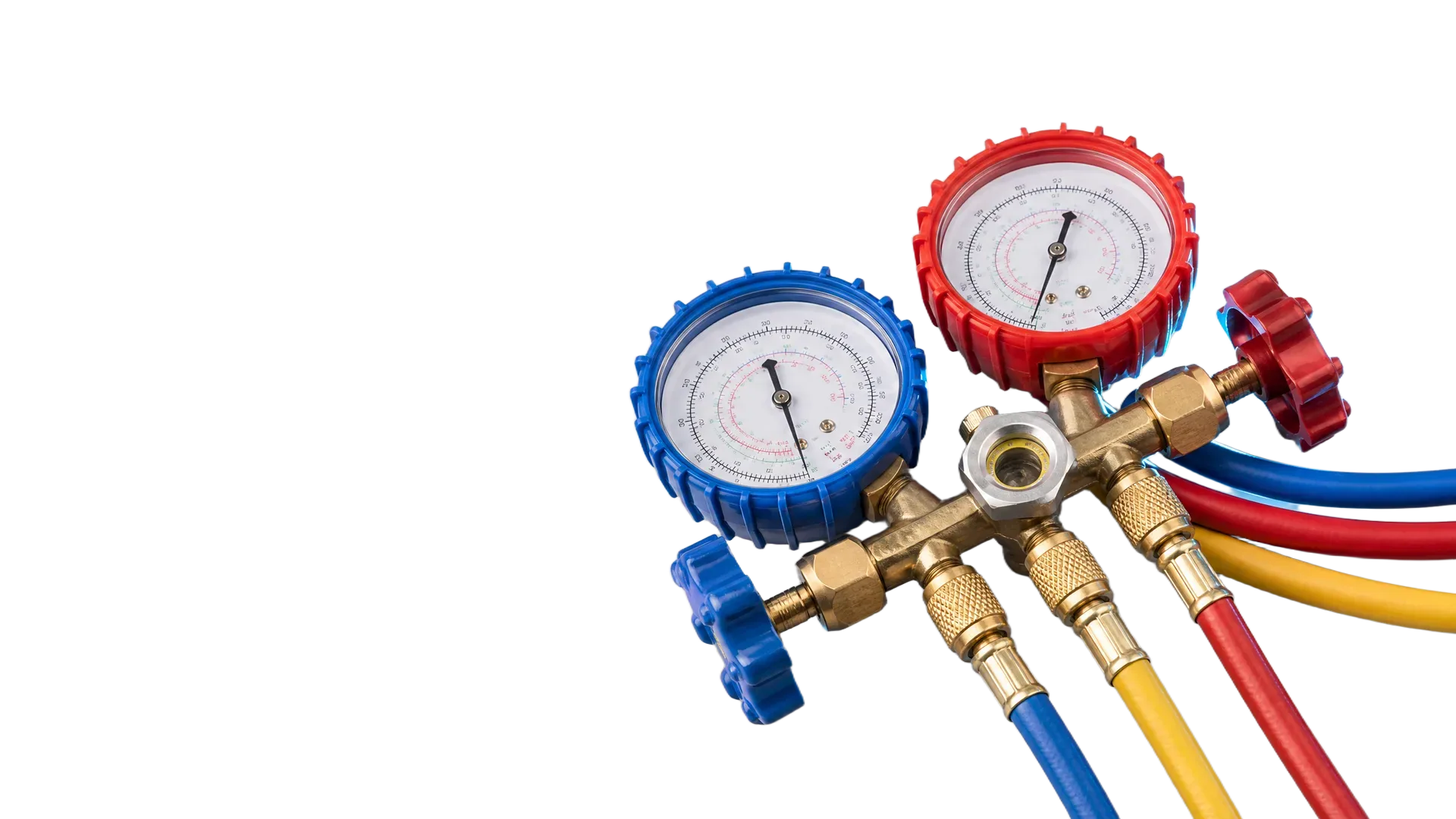
Questions worth asking before you decide
Ask for a load calculation, not a guess based on square footage. A contractor should check the windows, the insulation and the duct layout before quoting a size, because square footage alone does not tell you what a home needs. Ask what happens to the existing ductwork. A system that moves more air than the ducts were built for causes pressure problems and noise at the vents. Ask whether the old refrigerant lineset gets reused or replaced, since lines sized for the old equipment do not always suit the new. Ask what the warranty covers on parts versus labor, and whose name it gets registered under. A contractor who answers these without hesitating has done this enough times to know where the trouble usually starts.

The old system usually comes out first. The crew disconnects the refrigerant lines, pulls the indoor coil, and removes the outdoor unit from its pad. If the lineset is being replaced, that comes out too, along with the old thermostat wiring if it's not being reused. A good contractor protects the floors and walls on the way through the house, since the indoor coil often sits in a closet or attic that takes some maneuvering to reach.
Setting the new equipment is only part of the day. The outdoor unit gets leveled on its pad, the indoor coil gets matched to the air handler or furnace below it, and the lines get brazed and pressure tested before any refrigerant goes in. Once it's charged, the crew checks airflow at the vents and confirms the charge against the manufacturer's specs rather than just running it and listening for a hum. The thermostat gets programmed and explained before anyone leaves.
A standard size and efficiency works fine for an AC here, nothing about North Carolina calls for more.
Tell us about the job
Takes about a minute. No obligation.
Fill out the form and a licensed North Carolina contractor looks at your home and quotes the install.