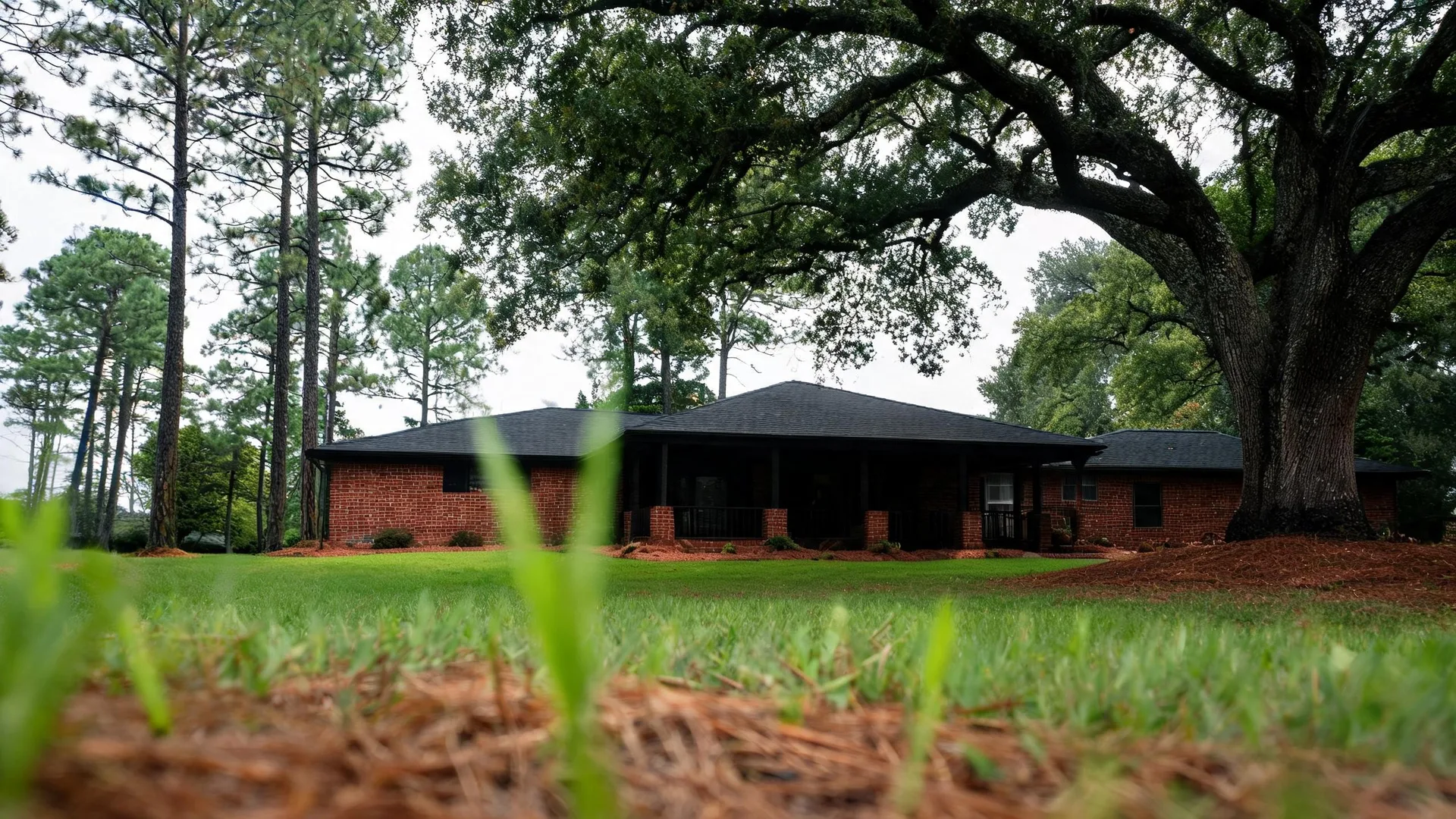





A single-story brick house with a dark hipped roof and covered porch, seen from a low angle across a lawn with blurred grass in the foreground, framed by pine trees and a large spreading oak on the right.

Mini Split Installation in New Bern, NC

Tell us about the job

Takes about a minute. No obligation.

New system or replacementMini-splitCraven County, NC
Step 1 of 2

What ZIP code is the job in?

Craven County logged 135 severe weather events between 2015 and 2024, and most of those were damaging wind. A mini split's outdoor unit sits right out in that weather, so where it goes matters. Mounting it clear of the roofline and away from falling limbs gives it a better chance when the wind picks up. Hail has hit the county too, so ask your installer about a spot under the eaves or some kind of cover. About a quarter of North Carolina households lost power for a full day or more last year, so it's worth asking what the system needs to start back up once power returns.

5 months
November through March, your system heats
5 months
May through September, it cools
36°F
the average winter night it heats against
88°F
the average summer afternoon it cools against
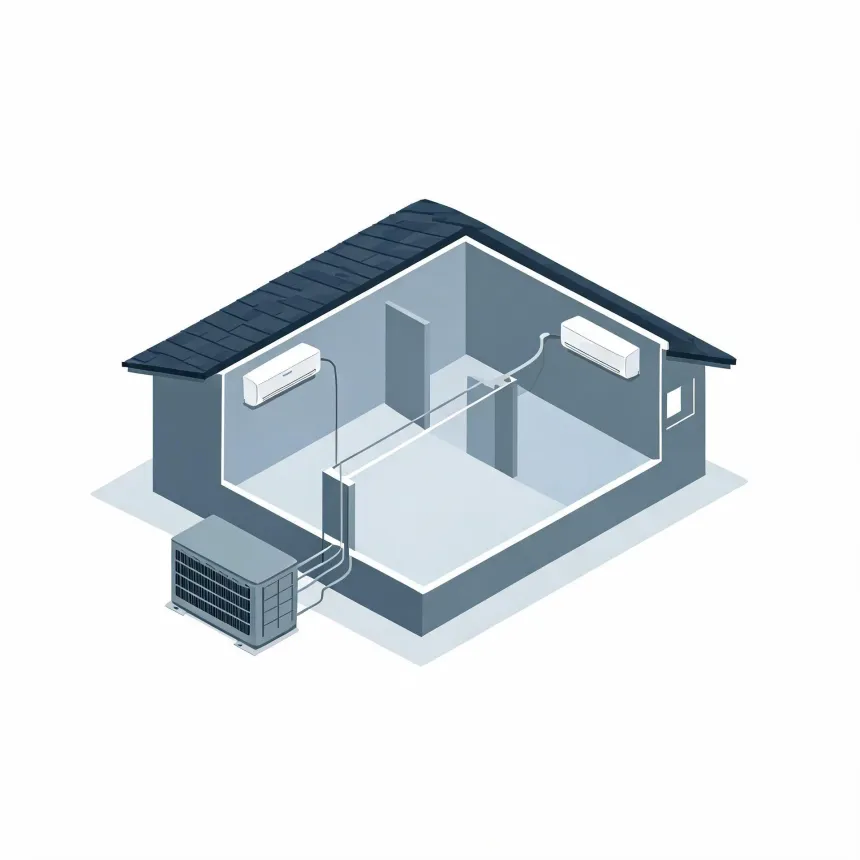
Isometric illustration of a cutaway house showing two wall-mounted mini-split indoor units connected by line sets to a single outdoor condenser beside the exterior wall.
Your system heats November through March and cools May through September.

NOAA nClimDiv, 1991–2020 normals

Electricity heats 75.3% of homes in Craven County.

A mini split runs on electricity too, so it slots into wiring this place already has.

April is the month to get this done, before May's heat arrives

Cooling runs May through September
Summer afternoons average 88°F
101 damaging wind events from 2015 to 2024

New Bern is in climate zone 3A, hot and humid for much of the year with a short, mild winter. A mini split going in here counts as a split system under the federal rule, since the standard doesn't treat ductless systems as their own class. That means 14.3 SEER2 for cooling and 7.5 HSPF2 for heating, minimum, on any unit manufactured from 2023 on. Ask your installer to show you where the system you're considering lands on both numbers before you sign off on it. If it qualifies, there's a federal tax credit on top, worth asking about.

A system that costs less to run, every month it's on

Electricity here runs 14.13 cents per kilowatt-hour, and a mini split in this climate is going to be on most of the year between the cooling and the mild winters. That adds up fast on a system that just squeaks by on efficiency. Ask your installer to show you where each system you're considering lands against the others before you decide.

Find a contractor
A man in a cap, worn gray shirt and brown work pants, seen from behind, carries a leather tool bag up steps toward an orange front door beside a potted shrub.
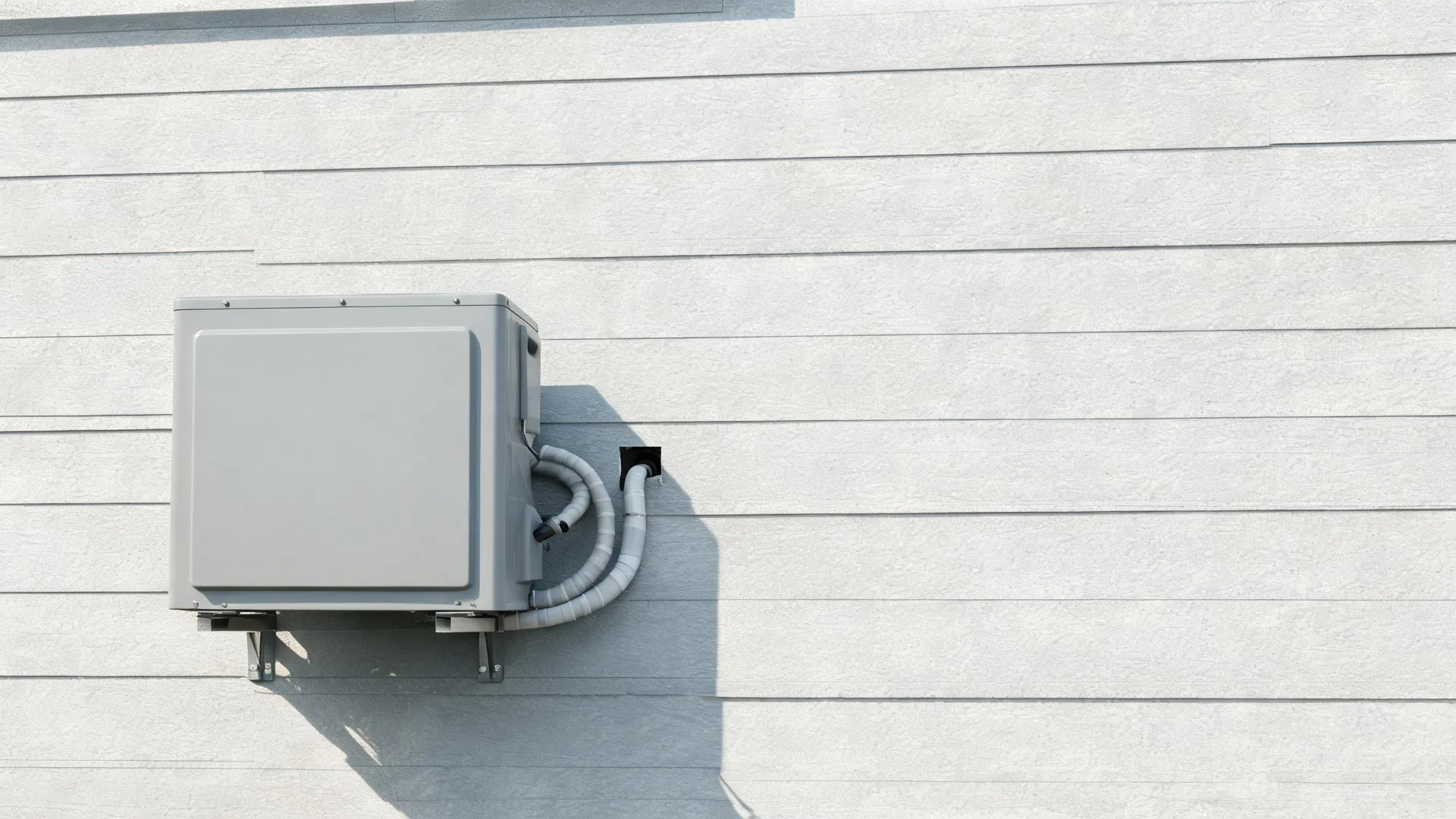
A beige split-system air conditioner outdoor condenser unit mounted on metal wall brackets atop a stucco wall.

This runs nearly every day of the year, not just a season

A mini split runs almost every day of the year, cycling on and off to hold the temperature rather than shutting down for months at a time the way some systems do. That steady use puts real hours on the compressor and the fan motors, so ask how each system you're comparing handles long runtimes. Variable speed compressors ramp up and down to match the load instead of switching fully on and off, and that matters most on a unit that barely gets a break. Ask too about the outdoor unit's coil and how exposed it will be, since a coil running nearly year round needs to stay clean to keep pulling heat or cold out of the air efficiently. A system built for occasional use and one built to run constantly are not the same purchase, even if they look alike on a spec sheet.

The rating is a ceiling, not a guarantee

SEER2 and HSPF2 are measured in a lab, with the system running clean and the refrigerant charge dead on. A mini split will spend its life somewhere short of that number. How short depends on the install. A line set that runs longer than it should, a coil that never gets cleaned, a charge that was off a little on day one, all of that eats into the number on the sticker. The rating tells you what the equipment is capable of, not what you'll actually get out of it.
It carries a rating for each job it does

A mini split both cools and heats, so it carries a separate rating for each. SEER2 covers the cooling side, HSPF2 covers the heating side. A system can be strong on one and just average on the other, so check both before comparing price between units. Whichever matters more where you live, make sure that's the number you're weighing hardest.

Sizing a mini split isn't about matching the old system or picking the biggest unit on the shelf. It comes down to a room by room load calculation, figuring how much heat that space gains in summer and loses in winter based on its square footage, window area, insulation, and what's on the other side of each wall. Too big and the unit short cycles, hitting the setpoint fast and shutting off before it's pulled the moisture out of the air, so the room feels cold and damp instead of comfortable. Too small and it runs flat out on the hottest and coldest days and never catches up. Multi-zone systems add another layer, since the outdoor unit has to be matched to the combined load of every indoor head running at once, not just added up on paper. Ask whoever quotes the job to walk you through how they got their numbers rather than just naming a size.

Installation price mostly comes down to how much work it takes to get refrigerant line, wiring and drainage from the outdoor unit to each indoor head. A straight shot through one exterior wall costs less labor than routing line sets through finished ceilings or across multiple floors. Each indoor head needs its own line, so a multi-zone system with heads in separate rooms takes more time to run than one with everything on one wall. Where the outdoor unit can sit matters too. A long distance between indoor and outdoor units, or a install that has to go around framing and other obstacles, adds labor the equipment itself doesn't cost. The brand and capacity of the equipment play a part, but on most jobs it's the layout of the house and how many heads it takes to cover it that decides the bulk of the bill.