
Heat Pump Repair in North Carolina
Electricity costs homes less in North Carolina than in 32 of the other 49 states.
Tell us about the job
Takes about a minute. No obligation.
- 32°Fwinter overnight low where people live
- 7 monthsof heat, October through April
- 87°Fsummer afternoon high where people live
- 5 monthsof cooling, May through September
What does a heat pump in North Carolina face?
How hot do summer afternoons get?
87°Faverage afternoon high where people live
Alaska66°F
Arizona101°F
How cold do winter nights get?
32°Faverage overnight low where people live
North Dakota4°F
Hawaii65°F
How many months does the heat run?
7 monthsof heating a year
Hawaii0 months
Alaska12 months
What does electricity cost?
14.13¢per kWh (kilowatt hours, the unit on an electric bill), what homes paid in 2024
North Dakota11.51¢
Hawaii42.86¢
How often do storms hit?
168severe weather events per county from 2015 to 2024
Alaska5
Wyoming1,057
How many homes lost power for a day or more?
25%of homes in 2024
Arizona7%
Maine54%
Signs your heat pump needs attention
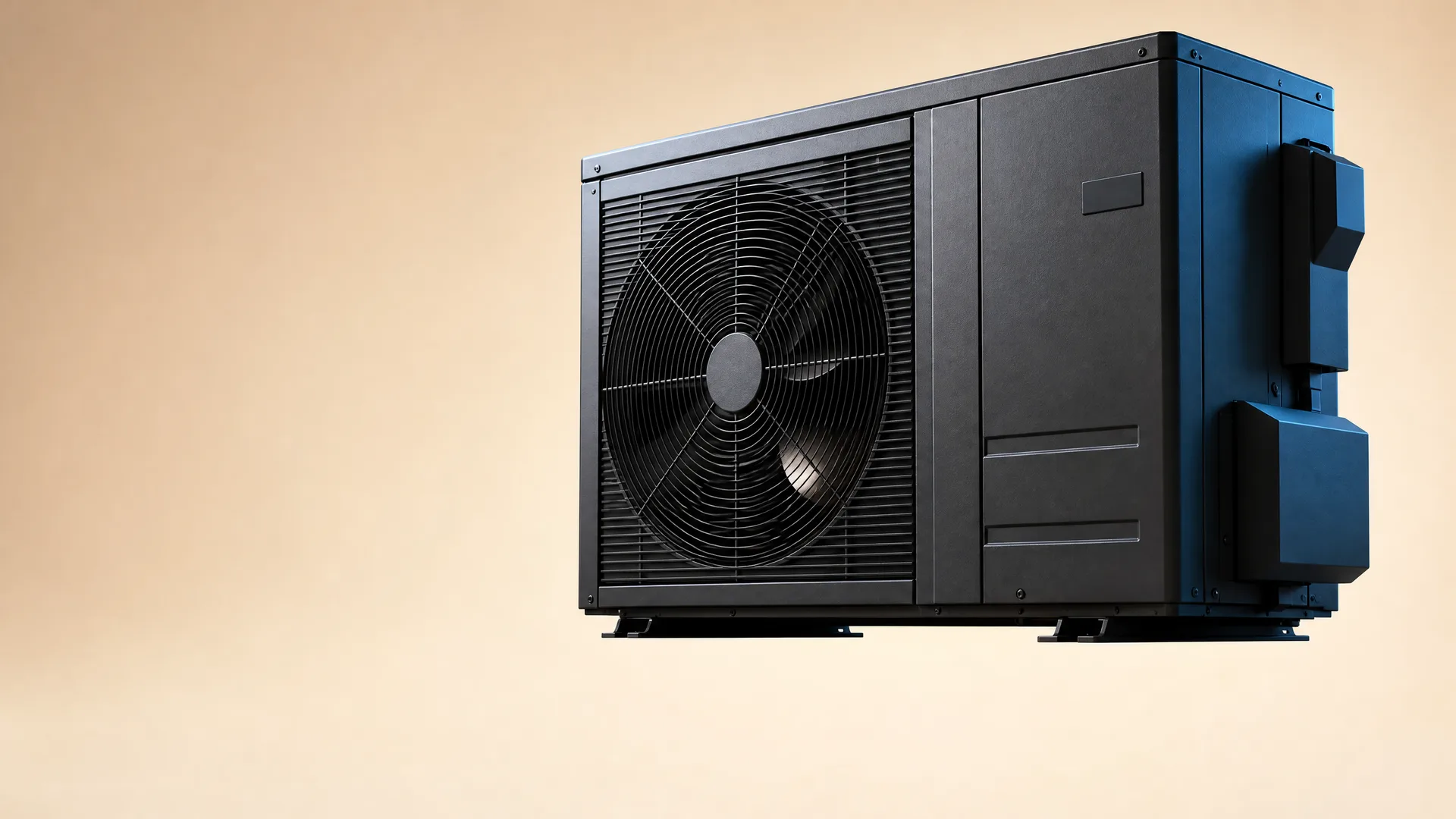
A heat pump in trouble usually shows up first in the air coming out of the vents. Air that feels cool when it should be warm, or just lukewarm either way, means the system is having trouble switching between heating and cooling modes. Ice on the outdoor unit is another sign worth watching. Some frost is normal in cold weather, since the unit defrosts itself on a regular cycle, but a thick coating that never melts off points to a defrost control or reversing valve that isn't doing its job. Short cycling, where the unit turns on and off every few minutes instead of running a full cycle, means it's struggling to reach the temperature it's set for and is putting extra wear on the compressor each time it restarts. Grinding, clicking, or buzzing from the outdoor unit that wasn't there before usually means a part inside is failing, and it's worth having someone look at it before that part takes others down with it. A system that runs nonstop and still can't hold the temperature set on the thermostat is working harder than it should, and that's a sign something inside isn't functioning the way it was built to.
Heat pumps in North Carolina run heat from October through April and cooling from May through September, so there's barely a break between the two.
Get a heat pump checked in September or April, right before it has to switch jobs, since that's when a weak part is most likely to give out.

What's wearing out depends on where in the state you are
The mountains lean on the heating side. The coast barely does
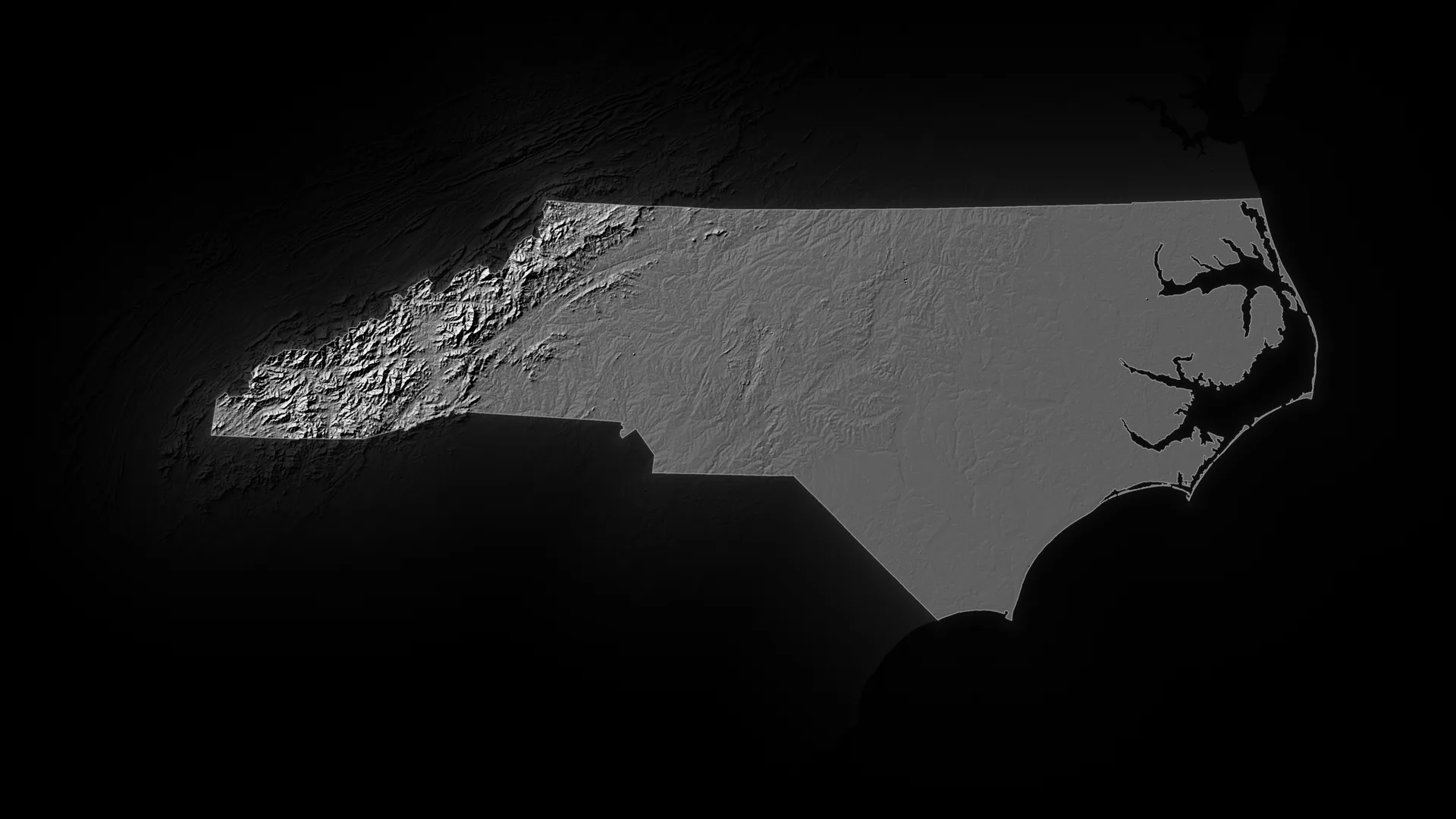
Where you live in the state points to what's likely wearing out. Homes in the western counties need about 18% more heat over the year than homes in the east, so the heating side of the system carries more of the load there and parts tied to the heating cycle wear sooner. Avery County needs about two and a half times the heat that Carteret County does, the lowest in the state, so a heat pump in the mountains works through a lot more heating hours than one near the coast. A tech who knows which end of that range you're on can narrow down the diagnosis faster instead of checking everything from scratch.
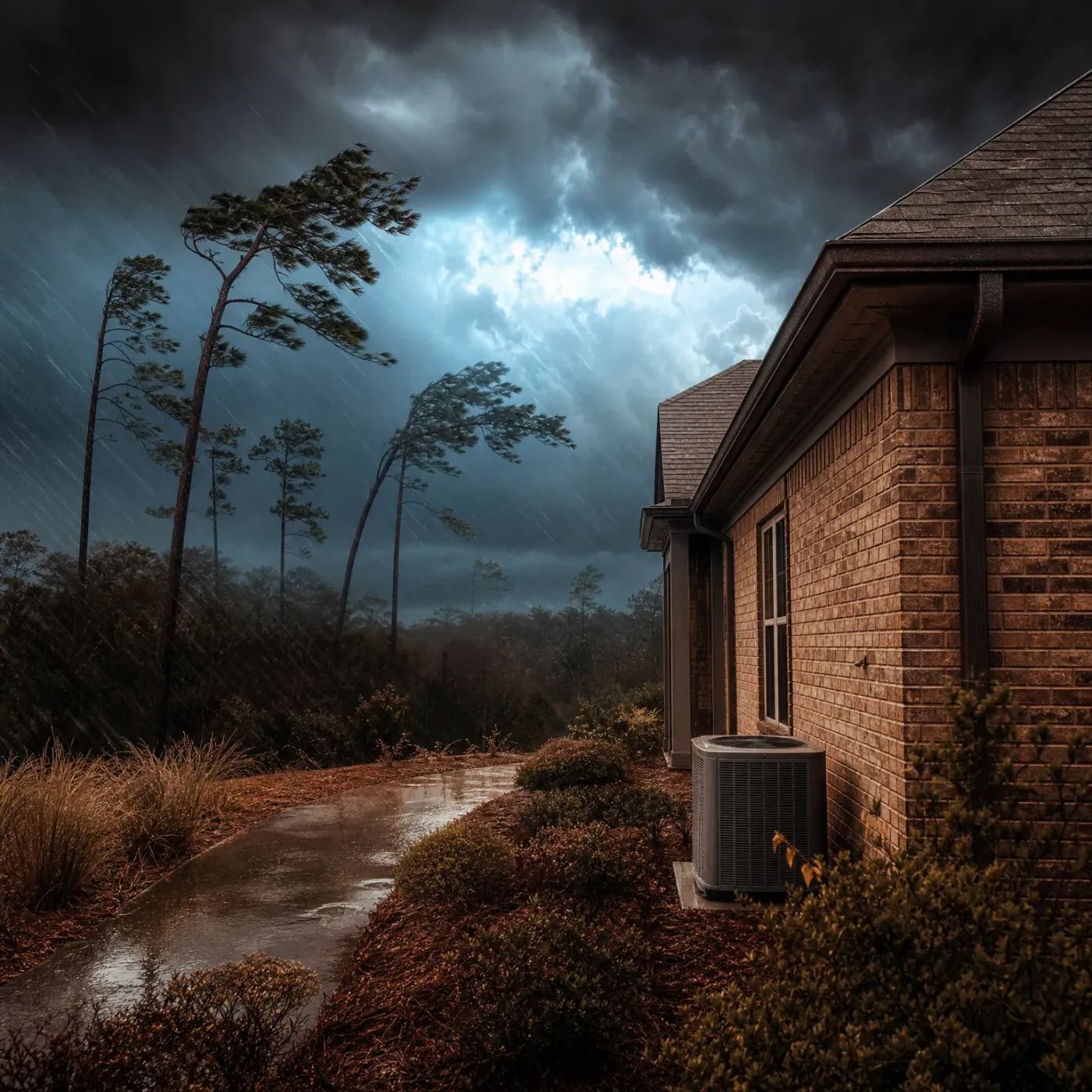
North Carolina recorded 10,154 severe weather events between 2015 and 2024, more than damaging wind and hail alone would suggest. A heat pump's outdoor unit sits outside through all of it. Hail dents the fins on the coil, and a dented fin blocks airflow even when the dent looks small. Wind-blown branches and debris can bend the fan or crack the housing around it.
The state saw 323 tornadoes over that stretch, one of them rated EF3, along with 373 tropical storms and hurricanes. A storm strong enough to cause structural damage can also rack or tilt the outdoor unit and strain the refrigerant lines running to it. Lightning struck 117 times in that period, and a strike nearby can take out the control board without hitting the unit directly.
Winter storms, including heavy snow, ice and blizzards, affected North Carolina 905 times between 2015 and 2024. Ice built up on the outdoor unit blocks airflow the same way a failing defrost cycle does. Wake County carries the heaviest storm record in the state over that period.
A larger share of North Carolina households went a day or more without power in 2024 than in most other states. A heat pump does nothing without power, for heat or for cooling. When power comes back after a long outage, it's worth confirming the system actually picks its cycle back up rather than assuming it has.
None of this means a particular home took damage. It means the odds of catching wind, hail or ice are higher here than in most states. If the outdoor unit took a hit and the system still seems to run fine, it's still worth having someone check the coil fins, the fan blade and the electrical connections before a small dent or crack turns into a bigger repair.
Nothing here pushes a heat pump harder Heat and cooling both run close to average
- Western counties need about 18% more heat than eastern ones
- Winter nights average 32°F where people live
- Summer afternoons average 87°F where people live
- Heat runs October through April
- Cooling runs May through September
- 905 winter storms from 2015 to 2024
A newer house usually means a younger system
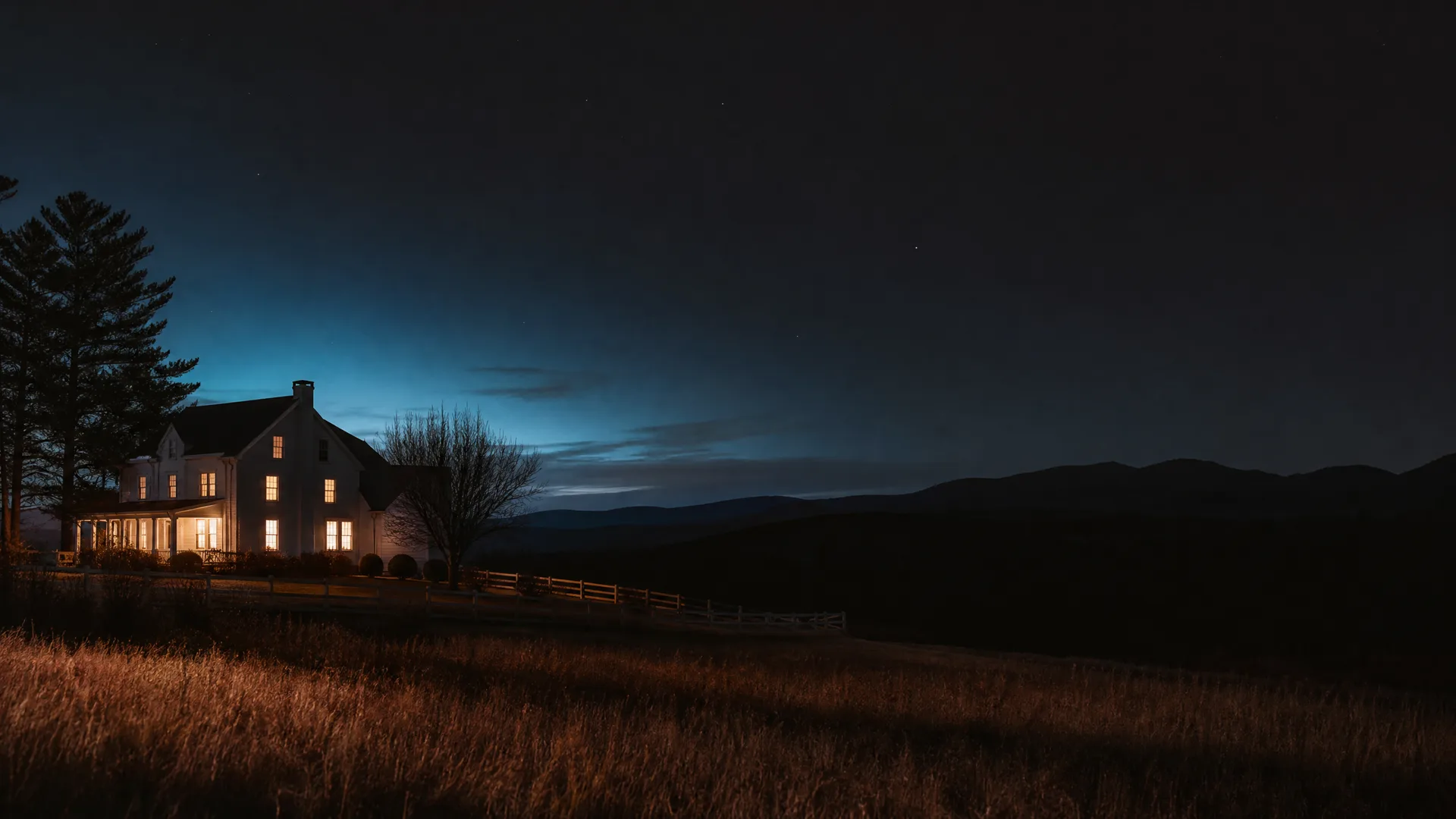
Half the homes in North Carolina were built in 1991 or later, and most of the state's housing is single-family houses rather than mobile homes or multi-unit buildings. That matters because a heat pump installed with a newer house usually hasn't run through as many hours as one in an older home that's gone through a replacement or two. If your heat pump came with the house and the house is on the newer side, the system is more likely to be within its working life, and whatever's acting up is more likely a part worth fixing than a sign the whole unit is done.
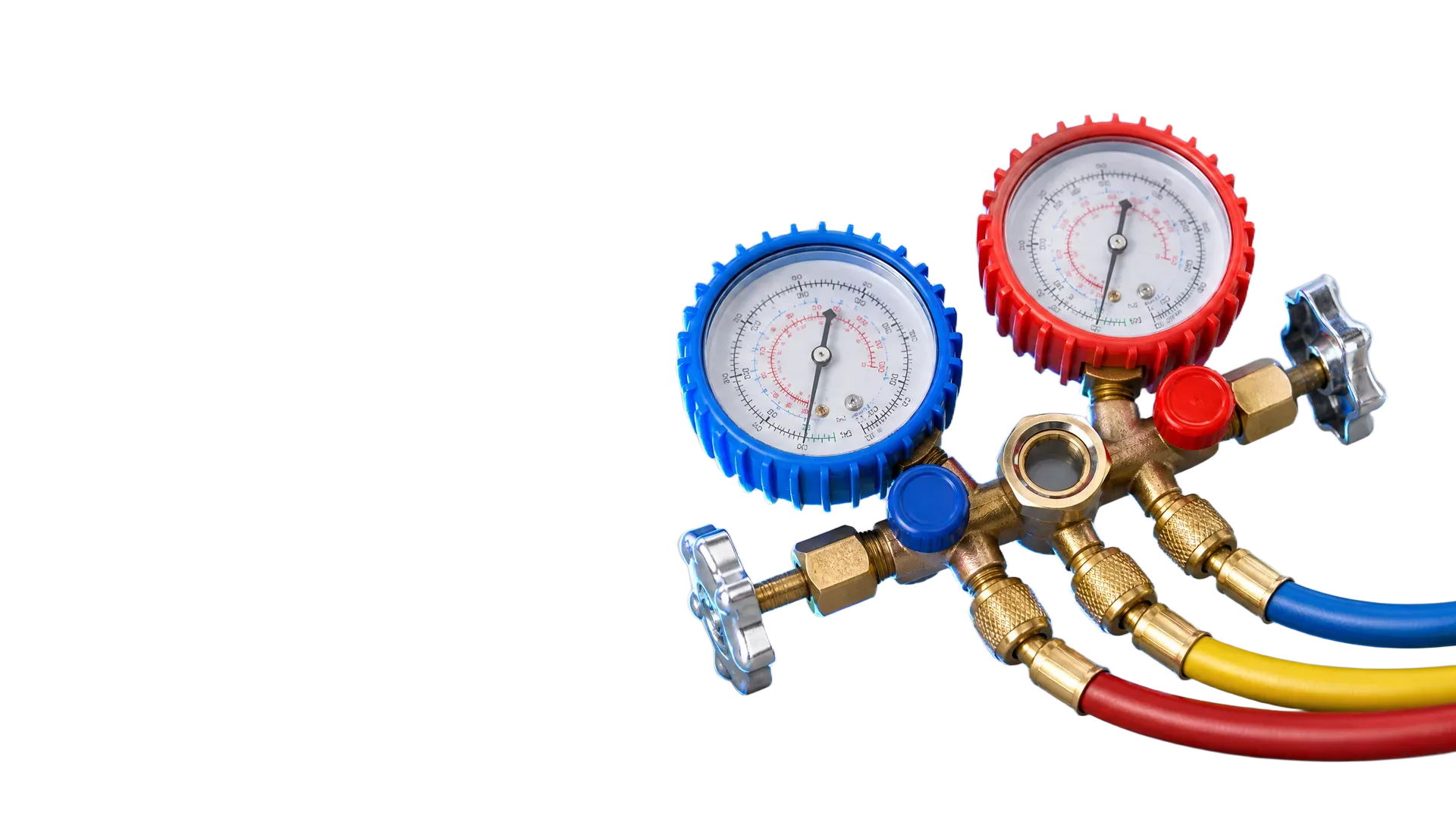
What to check before you call
Before anyone comes out, check the thermostat. Make sure it's set to heat or cool as you want and the target temperature is actually past where the room is sitting, since a thermostat set to the wrong mode looks exactly like a failing system. Check the breaker box for both the indoor air handler and the outdoor unit. A tripped breaker stops the system cold and leaves no other sign. Walk out to the outdoor unit and clear away leaves, mulch, or anything piled against it, and make sure the fan can spin freely. If the coil is covered in ice that isn't melting off, switch the system to fan only or off and let it thaw, since running it iced over makes the compressor work against a coil that can't move air. Inside, pull the air filter and check it. A filter packed with dust chokes airflow through the whole system and can look like a bigger problem than it is. Last, feel the vents in a few rooms. If some have strong airflow and others have none, that points to the ducts rather than the unit, and it's worth telling the tech before they start.
A newer system behind the problem
Half the homes in North Carolina were built in 1991 or later, and most of the housing here is single-family rather than mobile homes or units in a larger building. A heat pump that came in with a newer build usually hasn't logged the hours one in an older home has, especially a home that's already gone through a system or two. That's worth knowing when something starts acting up, since the question isn't just what's wrong but whether the system still has enough life left to make fixing it the right call. On a newer house, it usually does.
Storms here hit outdoor units hard, so a unit that still runs after one is worth checking.
Tell us about the job
Takes about a minute. No obligation.
Fill out the form once and a licensed North Carolina contractor looks at what your heat pump is doing.