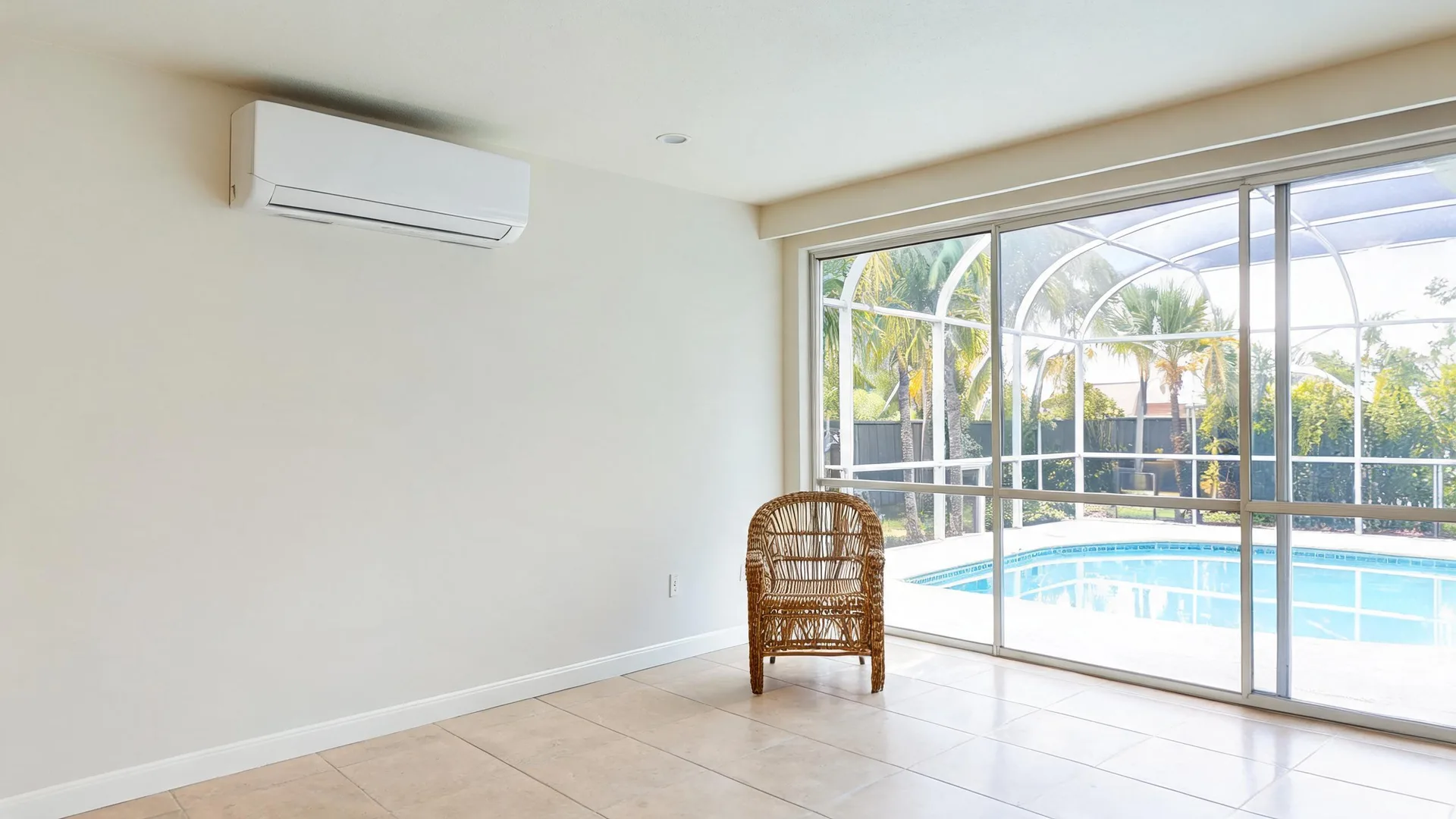
Electricity here runs 14.13 cents per kilowatt-hour
North Carolina homes paid that rate in 2024. A mini split that sits in a hot attic closet or runs on a worn compressor uses more of that power every month than one sized and installed right.

Takes about a minute. No obligation.
North Carolina homes paid that rate in 2024. A mini split that sits in a hot attic closet or runs on a worn compressor uses more of that power every month than one sized and installed right.
A mini split with a high SEER2 rating moves heat using less electricity than a lower-rated one doing the same job. At Wilmington's rates, that difference shows up on every bill the system runs, all year, not just the first one.
NOAA nClimDiv, 1991–2020 normals
Cooling starts in May here and runs through September.
Get the mini split installed by April and it's ready for that first hot week, not fighting to keep up.




Wilmington sits in climate zone 3A, warm with a long stretch of cooling and only a short mild winter. Any mini split installed here has to meet the federal minimum for a split-system heat pump. That means 14.3 SEER2 for cooling and 7.5 HSPF2 for heating, and the rule applies to ductless systems the same as it does to central units with ducts. That is the floor, not the ceiling. A unit rated right at the minimum will run fine, but one rated higher does the same job on less electricity at Wilmington's rates. A federal tax credit is available on qualifying equipment, worth checking against whatever unit you're considering before you decide.
Almost nine in ten homes in New Hanover County heat with electricity. A mini split fits that setup directly, no gas line to work around, no conversion. If you're replacing a system that was already electric, this is the straightforward swap.
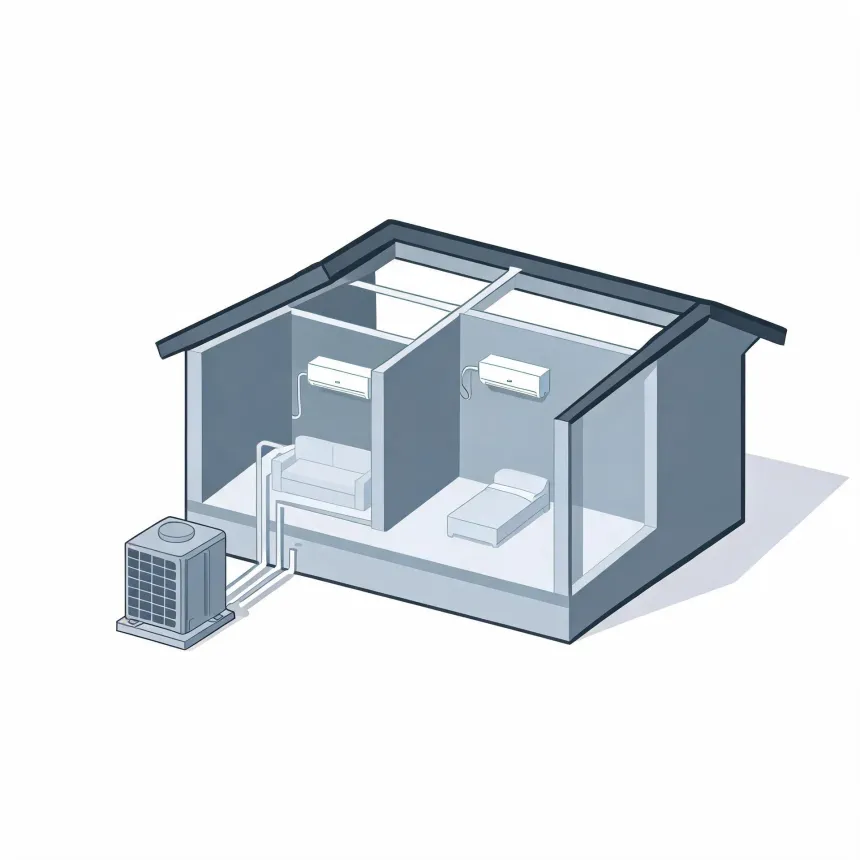
Find a contractorWhat drives the cost of putting one in has less to do with the unit itself and more with everything around it. How many indoor heads the system needs to run, how far the line set has to travel between the outdoor compressor and each indoor unit, and whether that path runs through an attic, a crawlspace, or straight through a wall. A single zone cooling one room is a different job than a multi-zone setup feeding heads into several rooms off one outdoor unit. Where the outdoor unit sits matters too. It needs clear airflow on all sides and a solid, level pad underneath, and if the only good spot is far from the electrical panel, that run adds labor. The condensate line has to drain somewhere, by gravity if the slope allows it, or through a small pump if it doesn't. None of this shows up in the price of the equipment. It shows up in what it takes to get refrigerant lines, wiring, and drainage from the compressor to every head in the house, routed clean and sealed tight.
SEER2 is a ratio of cooling delivered against the electricity it takes to deliver it, tested over a season of running rather than a single moment. A higher number means the compressor and the indoor head are moving the same heat for less power. It says nothing about how big the unit is or how many rooms it can cover. A small mini split and a large one can carry the same SEER2 rating and do very different jobs.
The rating comes from testing the equipment on its own, not hung on a wall with a line set run through an attic or a crawlspace. A mini split sized too big for the room will short cycle, switching off before it settles into a steady run, and that wastes power no matter what the label promises. One sized too small just runs constantly trying to catch up. Where the indoor head sits, how clean the line set is, and how well the whole thing is charged with refrigerant all decide whether the system ever reaches the number on its label.
A few questions tell you more than the spec sheet does. Ask how many indoor heads the outdoor unit can run, and whether that matches the rooms you want covered now, not just the one giving you trouble today. Ask what happens if you want to add a zone later, because some outdoor units have room for it and some are already running at capacity. Ask how the warranty splits between the compressor, the parts, and the labor, since those terms vary and the gap matters if something fails down the road. Ask who services the brand locally, because a mini split with a strong reputation is still a problem if nobody nearby is trained on it. And ask what happens to heating output once the temperature outside drops, since not every heat pump holds steady once it gets cold.
Installation starts with the outdoor unit and the indoor head going up, but most of the day goes into the line set between them. That line carries refrigerant, so every joint gets brazed, not just connected. Then the whole line gets pulled down to a vacuum before any refrigerant moves through it. Skip that step or rush it and moisture stays trapped in the line, and that moisture wears on the compressor for as long as the system runs. Once the lines are in and the vacuum holds, the system gets charged with refrigerant to the weight the manufacturer specifies for that line length, not just topped off until it feels cold. Near the end, a tech checks the temperature split between the air going in and the air coming out, confirming the system is actually moving the heat it's rated for before anyone calls the job done.