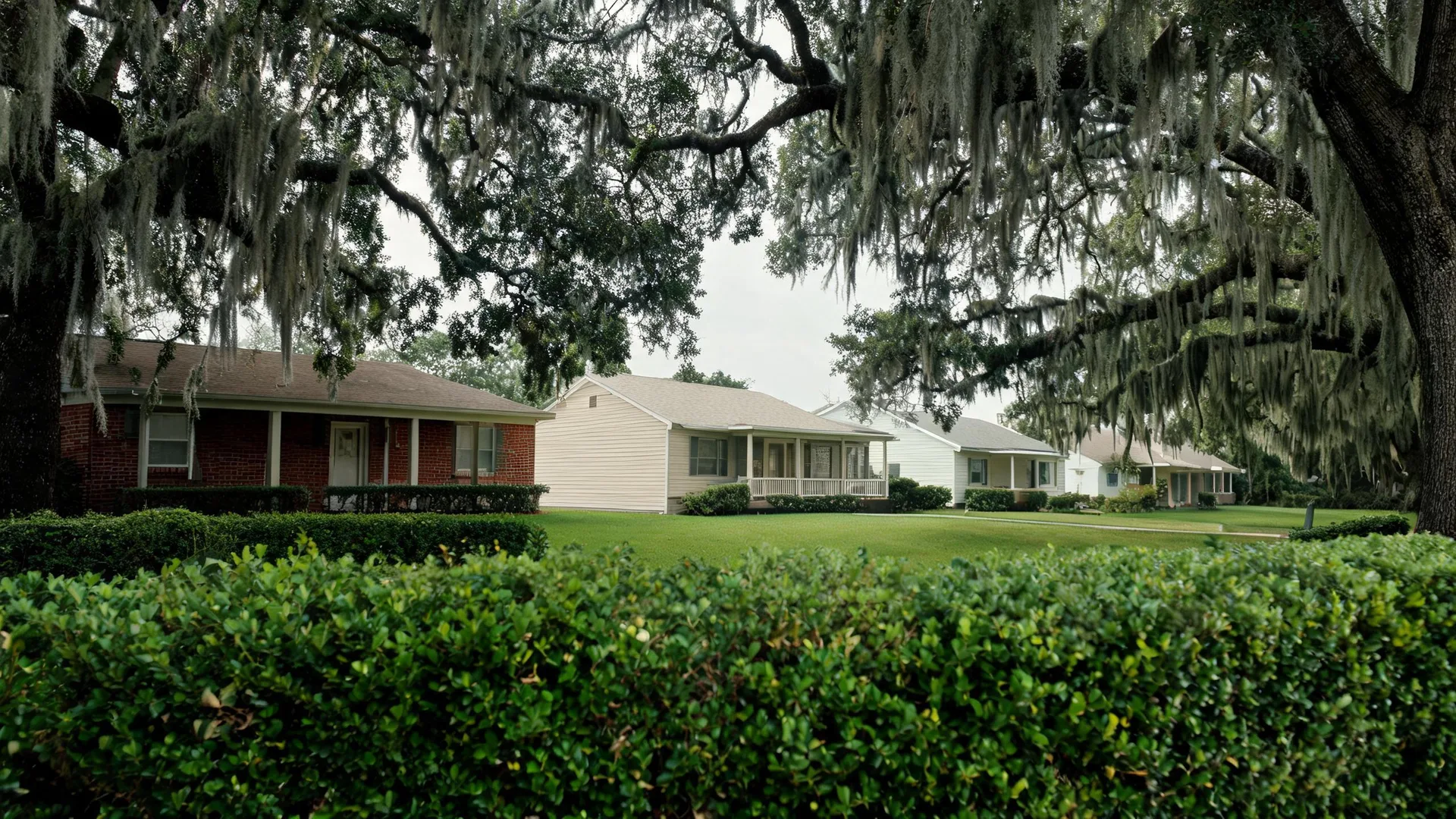







A row of single-story houses, one of red brick and others with pale siding, behind a mowed lawn and a tall trimmed hedge, framed by large oak branches draped with Spanish moss.

Heat Pump Repair in Asheboro, NC

Tell us about the job

Takes about a minute. No obligation.

RepairHeat PumpRandolph County, NC
Step 1 of 2

What ZIP code is the job in?

Randolph County saw 232 severe weather events between 2015 and 2024, and 202 of those were damaging wind. That outdoor unit sits outside year round, and wind-driven debris can bend the fins or crack the fan blade without stopping it from running. The county also had 19 hail events in that stretch, and hail dents the cabinet and the coil fins both. Statewide, a quarter of households went at least a day without power in 2024. A heat pump that took a hit but still turns on can be running harder than it should, or wearing down a part that's already damaged. If a storm came through and the outdoor unit took debris or hail, it's worth having someone look at it even while it's still working.

7 months
October through April, your system heats
5 months
May through September, it cools
32°F
the average winter night it heats against
88°F
the average summer afternoon it cools against
Isometric cutaway illustration of a small house showing interior ductwork and an air handler connected by lines to an outdoor condenser unit on a pad beside the building.
Your system heats October through April and cools May through September.

NOAA nClimDiv, 1991–2020 normals

A breaker that keeps tripping means something is pulling too much power, not a loose switch to reset and forget.

Flip it back once, and if it trips again, that outdoor unit needs a tech before it runs again.

This unit runs outside in all of it, year after year

202 damaging wind events from 2015 to 2024
19 hail events from 2015 to 2024
Power here costs 14.49 cents per kilowatt-hour
October starts the real testHeat runs here from October through April, and a weak part usually fails in that first cold snap, not later.

When something's off with a heat pump here, storm damage is the first thing worth ruling out, not the last. Wind that bent a fin or hail that dented the cabinet doesn't always stop the unit from running, so it can keep working for weeks while the damage underneath gets worse. A tech checking a repair should look at the coil, the fan blade, and the cabinet itself, not just whatever part is making noise or tripping the breaker right now. That's the difference between a fix that holds and one that calls someone back out in a month. If the unit took a hit at some point and nobody's inspected it since, say so when you get someone out, even if the problem looks unrelated.

Had storm damage checked yet?

If a storm came through and the outdoor unit hasn't been looked at since, get it inspected now, before the cold sets in and puts load on whatever it's hiding.

Find a contractor
A man in a dark long-sleeve shirt and tan work pants, seen from behind, carries a canvas tool bag up wooden steps toward an orange front door with a potted plant beside it.
A gray heat pump outdoor unit mounted on a concrete pad next to the stone-accented exterior wall of a house.

Some damage only gets worse while the unit keeps running

A heat pump that's struggling doesn't fail all at once. A compressor working against a low charge or a stuck reversing valve keeps drawing power and keeps running hot, and heat wears down the windings a little more every hour it runs that way. Ice on the outdoor coil does the same kind of damage if the defrost cycle isn't clearing it. The unit keeps pulling air through a coil that's blocked, and the compressor strains to make up for it. None of this shows up as a sudden stop. It shows up as a system that runs longer to hit the same temperature, then one day doesn't start back up at all. Shutting it down when something sounds wrong, smells wrong, or isn't keeping up costs you comfort for a day. Letting it run costs you the part that was already failing, and sometimes the one next to it.

The reversing valve is what makes it a heat pump

That valve switches the unit between heating and cooling by redirecting refrigerant flow. When it sticks, the unit blows cold air when it should heat, or it won't switch over at all. A heat pump stuck in one mode isn't a minor glitch. It means the valve or its solenoid needs a tech, not a thermostat adjustment.
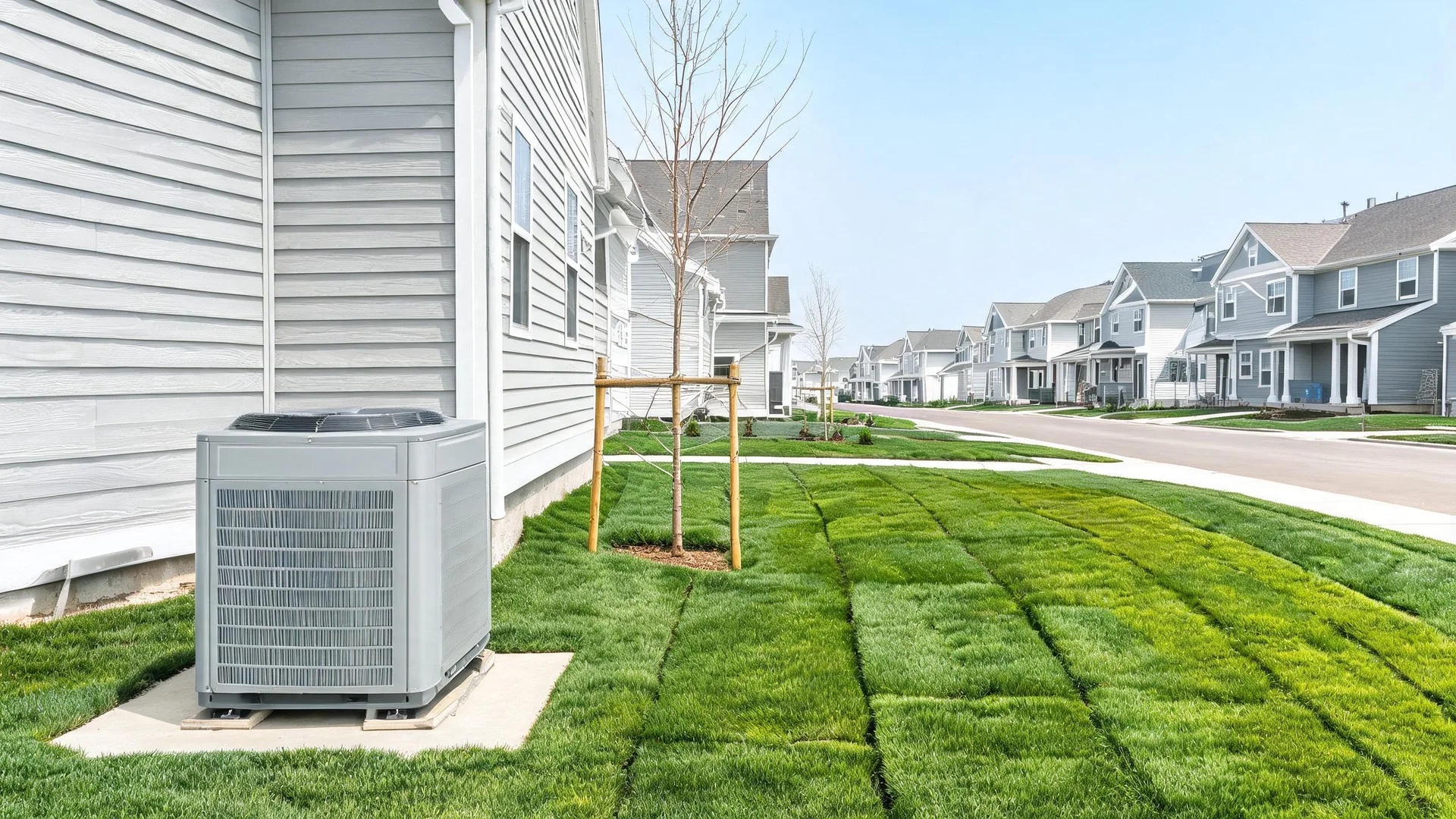
Short cycling wears out the parts that start the unit

A heat pump that shuts off and restarts every few minutes instead of running a full cycle is short cycling. It points to a refrigerant charge that's off, a dirty sensor, or a compressor on its way out. Every restart puts a hard draw on the start components, so the longer short cycling goes on, the more parts it puts at risk.

Most heat pump failures trace back to a handful of parts, and they tend to go for ordinary reasons. The capacitor that gives the compressor and fan motor their starting kick weakens over time and eventually can't deliver it, so the unit hums but won't start. Refrigerant charge drops when there's a slow leak at a fitting or a coil, and a heat pump running low won't heat or cool right no matter how hard it works. The contactor that switches power to the outdoor unit pits and burns from years of opening and closing, until it sticks or stops making contact. Dirty coils make everything downstream work harder, since a coil caked with dirt or lint can't transfer heat the way it's supposed to, and that extra strain wears down the compressor behind it. Sensors and defrost controls drift out of calibration too, and when they do, the unit can run a cycle that doesn't match what the house actually needs.

At some point a repair stops being worth it, and the sign isn't how old the unit is. It's whether you're fixing the same system twice or fixing two different things. A compressor failure on a unit that's been reliable is one bad part. A compressor failure after last year's reversing valve and this year's capacitor is a pattern, and the next part is already on its way out even if it's working today. Refrigerant type matters too. If a unit needs a refrigerant that's being phased out, a tech may have to charge it with something harder to find or more expensive to source, and that cost is worth asking about before you commit to the repair. None of this means replace it on principle. It means ask what else is close to failing before you pay to fix the one part that already did.