A brick house with a white porch and a light-colored single-story house behind a trimmed hedge, framed by large oak branches draped with Spanish moss.

Heat Pump Repair in Salisbury, NC

Tell us about the job

Takes about a minute. No obligation.

RepairHeat PumpRowan County, NC
Step 1 of 2

What ZIP code is the job in?

The reversing valve sticks

A heat pump switches between heating and cooling with a reversing valve, and that valve is the part most likely to leave you stuck in one mode. When it sticks, the system keeps blowing cold air when you need heat, or it won't switch over at all. Dirt and wear on the valve's seals are usually behind it.

The outdoor coil takes the abuse

The outdoor coil sits outside year round, collecting dirt, leaves and ice. A coil that can't transfer heat properly forces the compressor to work harder to make up for it. Left alone, that strain is what ends up killing the compressor.

7 months
October through April, your system heats
5 months
May through September, it cools
31°F
the average winter night it heats against
87°F
the average summer afternoon it cools against
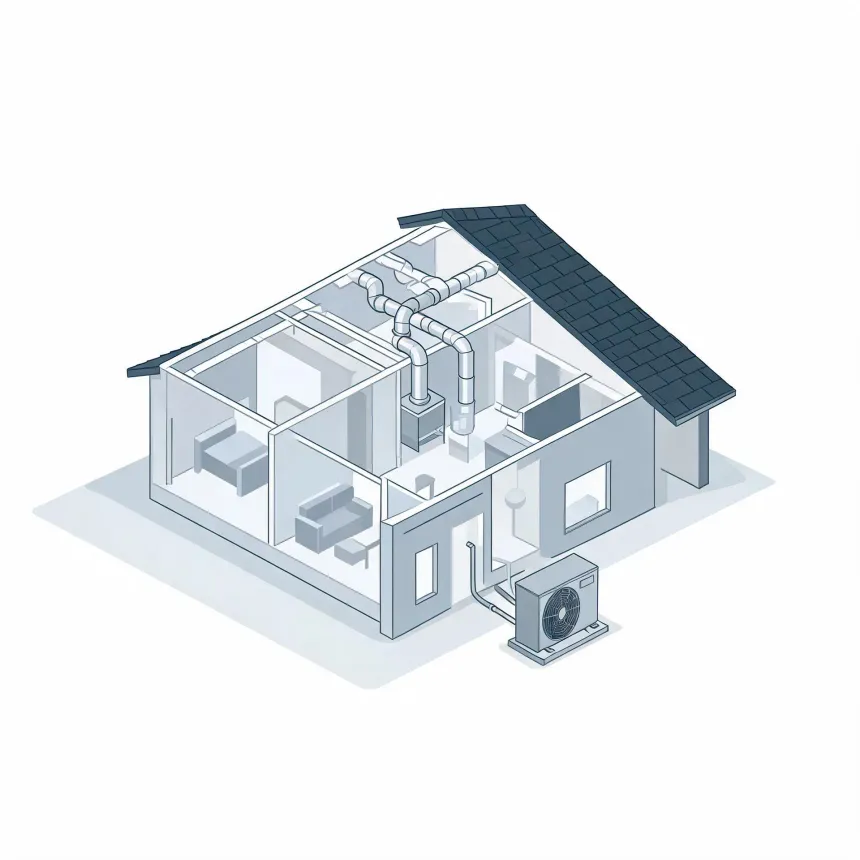
Isometric line illustration of a cutaway house showing interior rooms with furniture, ceiling ductwork connected to an indoor air handler, and an outdoor condenser unit linked by refrigerant lines.
Your system heats October through April and cools May through September.

NOAA nClimDiv, 1991–2020 normals

September is the month before heat starts in Salisbury.

A heat pump with a weak part is most likely to show it the first cold week it has to run heat.

A milder job, until the weather turnsMild winters here, 31°F overnight on average, mean the compressor isn't working hard to make heat. Wind and hail are the bigger wear on these systems.

Most of the time the system tells you something is wrong before it quits altogether. Air coming out of the vents that is cool instead of warm, even though the unit is running, usually means it is stuck in the wrong mode or losing refrigerant. Ice building up on the outdoor unit when the weather isn't even that cold points to a defrost problem rather than a coil that is just dirty. Short cycling, where it kicks on and off every few minutes instead of running a full cycle, puts wear on the compressor every time it happens. A hissing or bubbling sound near the lines usually means refrigerant is escaping somewhere. Any of these is worth a call before the next cold stretch, because a heat pump that is struggling now will struggle harder once it has to run heat all day.

Mild winters mean most repairs are worth making

A heat pump here isn't working against deep cold to make heat, so a part acting up is more often wear or age catching up with it than the system being worn out. That's usually worth fixing rather than replacing.

Find a contractor
A white mini-split heat pump outdoor unit mounted on a concrete pad beside a gray-sided house, surrounded by gravel and green shrubs.

A newer system behind most of these calls

Half the homes in Rowan County were built in 1983 or later. If that includes yours, the heat pump outside is more likely a few years old than original to the house. A sticking reversing valve or a dirty coil on a newer system is wear, not failure, and that's a repair, not a replacement. Worth checking the install date on the unit itself if you're not sure when it went in.

Check the thermostat settings first

Make sure it is set to heat and not auto, and that the temperature you want is actually above the current room temperature. A blower running with no warm air sometimes just means the system was set wrong by someone in the house. Ruling this out takes a minute and tells you whether there is a real problem at all.

Look at the outdoor unit and the breaker

Walk outside and check that the unit is not buried in leaves or packed with ice on one side. Then check the breaker panel for anything tripped. A breaker that resets and holds tells a tech something useful before they even arrive. One that trips again right away means leave it alone and get someone out.

A heat pump that's struggling still moves some heat, so it's tempting to let it ride until a tech is free. That's usually the wrong call. A low refrigerant charge gets worse on its own. The leak doesn't seal itself, and running the system low makes the compressor work harder to move what heat it can. A coil losing its fight with ice does the same thing. More frost means less airflow, which means the system runs longer to get nowhere, which means more frost. Short cycling is the clearest case. Every start is hard on the compressor, and a system doing that every few minutes all day is taking years of wear in a few weeks. None of these fix themselves by waiting. Left alone, the part that was struggling just hands its problem off to the compressor.

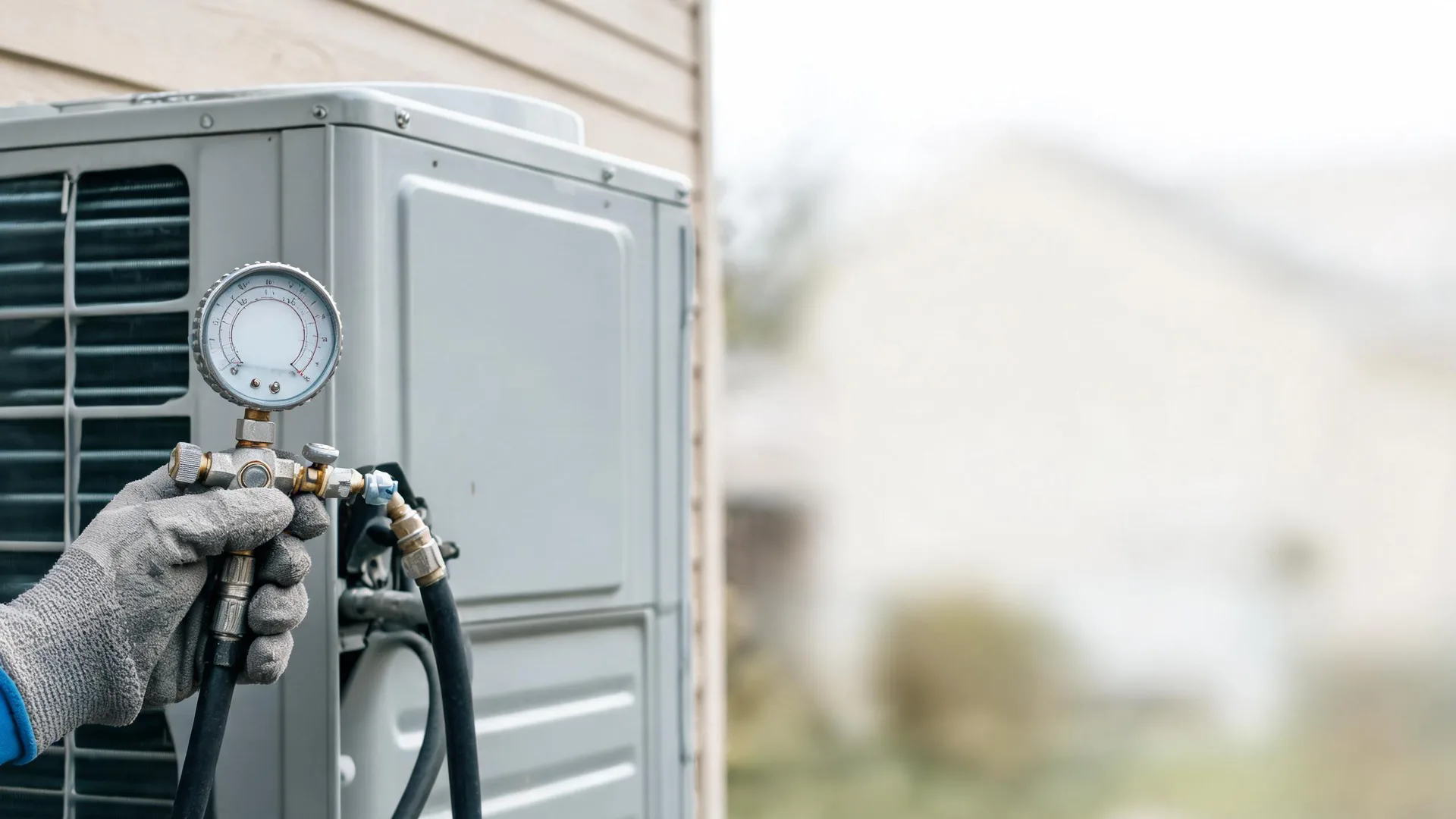
A diagnostic visit starts outside at the unit, looking over the coil, the fan and the refrigerant lines before anything gets opened up. A tech checks refrigerant pressure and the temperature of the air coming off the coil. Both point straight at whether the charge is low or the compressor is struggling to keep up. If the system has been stuck in one mode, the reversing valve gets tested next. That tells whether the valve itself is bad or something simpler is forcing it to behave that way. The contactor, the capacitor and the wiring to the outdoor unit get checked too, since any of those can cause short cycling or a system that won't start at all. A tech will run the system through a full cycle in both heating and cooling if they can, because some problems only show up once it has been running a few minutes. The point is to find the one part actually causing the trouble, not to start swapping parts and see what helps.