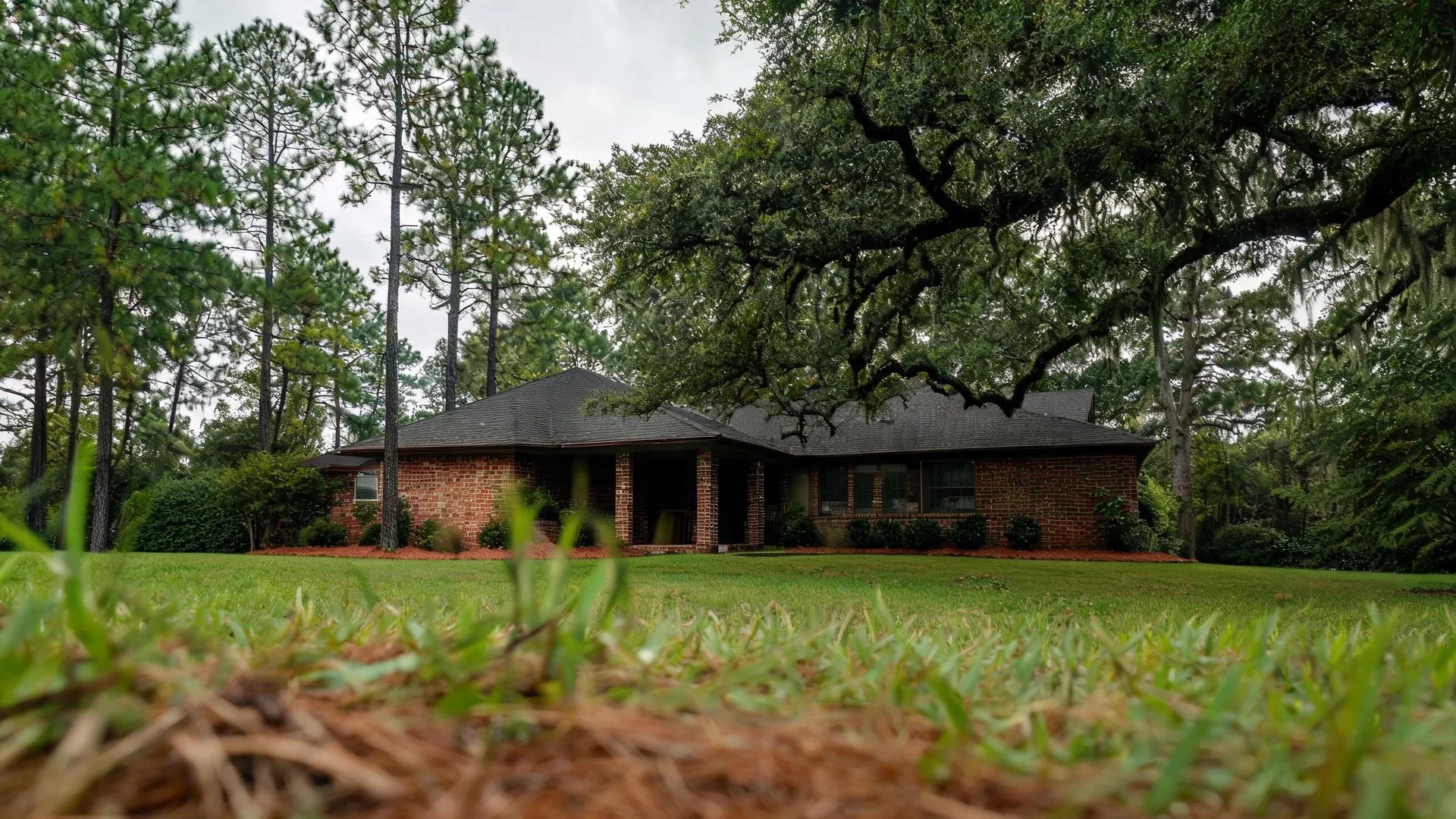





A single-story brick house with a dark shingled roof set behind a lawn, framed by pine trees and a large spreading oak, photographed from a low angle with blurred grass in the foreground.

Heat Pump Repair in Charlotte, NC

Tell us about the job

Takes about a minute. No obligation.

RepairHeat PumpMecklenburg County, NC
Step 1 of 2

What ZIP code is the job in?

Mecklenburg County saw 178 severe weather events between 2015 and 2024. Most of that was wind, 122 events, with 38 hail events mixed in. Wind throws branches and debris into the outdoor unit. Hail dents the fins and can bend the cabinet around the coil inside it. A heat pump can take a hit like that and keep running for months before the leak or the airflow problem it caused shows up. A quarter of North Carolina households went at least a day without power in 2024, and the outdoor unit doesn't run through any of that.

7 months
October through April, your system heats
5 months
May through September, it cools
32°F
the average winter night it heats against
88°F
the average summer afternoon it cools against
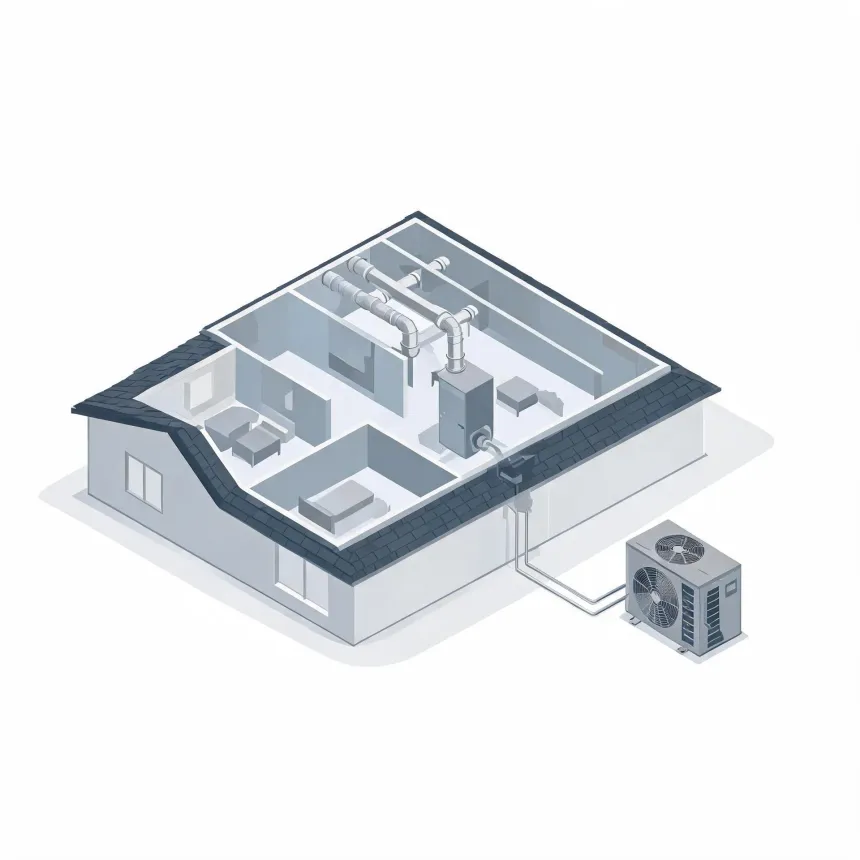
Isometric cutaway illustration of a single-story house showing interior rooms with ductwork, a furnace or air handler, and refrigerant lines running outside to a condenser unit on a pad.
Your system heats October through April and cools May through September.

NOAA nClimDiv, 1991–2020 normals

Half the homes in Mecklenburg County were built in 1997 or later.

A heat pump that came with a newer house still has years of work left in it, and that makes repair worth doing.

Your heat pump works the whole year here, and that's when it breaks

Cooling runs May through September
Heat runs October through April
122 damaging wind events from 2015 to 2024

Check the nameplate on the outdoor unit for the age of the system, or have the technician pull it when they come out. If it came with the house, there's a good chance it's still well within its working life, and that's worth knowing before anyone talks about replacing it instead of fixing it. A unit with years left in it is worth repairing after storm damage or an outage trips it up. The model number on that same nameplate also tells the technician what parts are available for it, which matters once you know the repair is worth doing.

Storm damage to your heat pump isn't always obvious right away

If your outdoor unit has been through a hailstorm or a bad wind event, have it looked at even if it still runs fine. Dented fins and a knocked-around cabinet don't always show up as a problem right away. A technician can check the coil and the airflow now, before it turns into a bigger repair later.

Find a contractor
A man in a cap, dark long-sleeved shirt and tan work pants climbs wooden porch steps toward an orange front door, carrying a canvas tool bag with tools in it, beside a potted shrub in a terracotta planter.
A dark gray heat pump unit mounted on a concrete pad next to a house with gray siding and a stone veneer wall.

A system that never gets the off season

A heat pump runs in both directions, so it carries two jobs a furnace or an AC never has to split. The reversing valve is the part that makes that possible, and it's also one of the first things to act up. When it sticks, the system can blow cold air in the dead of winter or just stop switching modes altogether. The outdoor unit takes the brunt of the wear because it works in every season, not just the hot months. Its fan motor and compressor run on milder days too, when a straight AC would sit idle. That compressor is the heart of the system, and most of what fails around it comes down to refrigerant charge. A slow leak at a fitting or coil seam starves the compressor of the gas it needs to cool itself, and running low eventually burns it out. Frost on the outdoor coil during the heating months is normal, and the system clears it with a built-in defrost cycle. A defrost board or sensor that fails leaves that frost to build into a solid block of ice, and the unit loses its ability to pull heat from the air. Airflow problems age a heat pump fast in both directions. A dirty filter or a blocked outdoor coil makes the compressor work harder to move the same amount of heat, and that strain shortens its life. Capacitors wear out from the heat and vibration of ordinary operation, and when one goes, the fan or compressor it feeds either struggles to start or won't start at all.

What you'll actually notice first

A heat pump in trouble rarely just quits. It blows air that isn't warm enough or cool enough to match the setting. It runs long stretches without shutting off, or it short cycles, kicking on and off every few minutes. You might hear a click where the outdoor unit should start up and then nothing. A musty smell from the vents, ice on the outdoor coil in mild weather, or a hiss near the lines are all signs worth paying attention to rather than waiting out.
Why waiting costs more than the repair

A heat pump that's struggling doesn't fail cleanly. A refrigerant leak that's ignored keeps starving the compressor until it burns out, turning a fitting repair into a compressor replacement. A failing capacitor that still lets the fan limp along will eventually leave it unable to start at all. Catching the early sign means replacing a part. Catching it late can mean replacing the system.

A heat pump that's struggling still keeps the house comfortable enough that it's easy to let the problem ride. That's usually a mistake. A compressor low on refrigerant runs hotter than it should, and every hour it keeps running adds more wear to a part that's expensive to replace and cheap to protect. A blocked outdoor coil makes the fan and compressor strain to move air that isn't moving freely, and that strain doesn't undo itself once the airflow is fixed later. Electrical parts behave the same way. A capacitor that's weak but still working puts a bad current through the motor it feeds, and that shortens the motor's life even while everything still seems to run. The damage from most heat pump problems happens while the system is on, not while it's off. Turning it off and getting someone out to look is what actually stops the damage from piling up.

A diagnostic visit starts outside, at the unit itself. A technician checks the refrigerant charge with gauges, looks over the coil and fins for damage, and listens to how the compressor and fan sound when they start up. Inside, they'll check airflow at the vents and pull the filter to see if it's restricting anything. Electrical readings come next: the capacitor gets tested under load, not just looked at, since a weak one can still power a motor and still be failing. The reversing valve gets checked too, by watching whether the system actually switches between heating and cooling when it's told to. Most of this takes measurements, not guesswork. A technician comes away with a reading on the charge, a reading on the capacitor, and a clear look at the coil, and from those three things can usually say what's wrong and what it'll take to fix it.