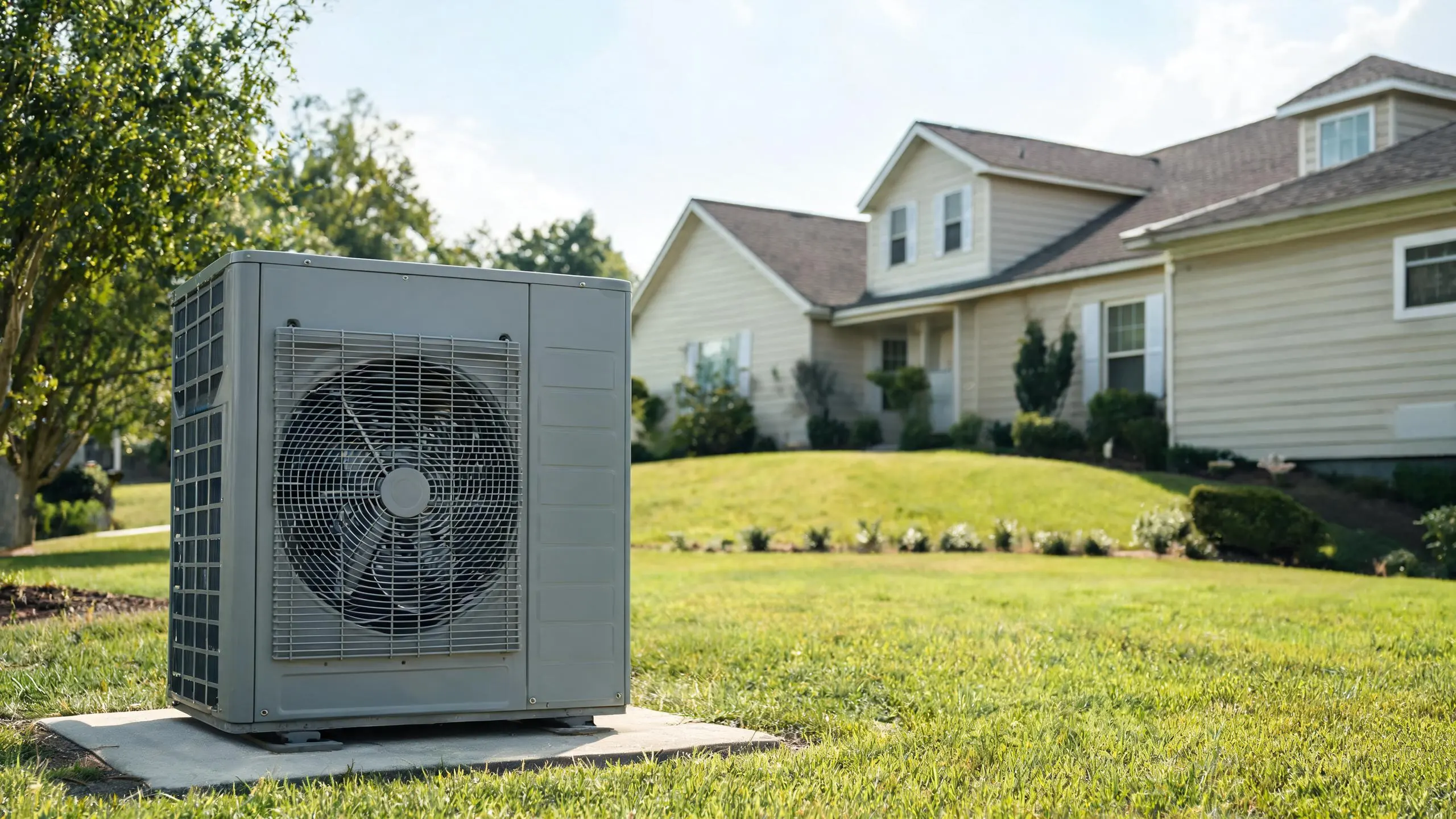
A gray outdoor HVAC condenser unit mounted on a concrete pad in the front yard of a two-story suburban house.

Heat Pump Repair in Chapel Hill, NC

Tell us about the job

Takes about a minute. No obligation.

RepairHeat PumpOrange County, NC
Step 1 of 2

What ZIP code is the job in?

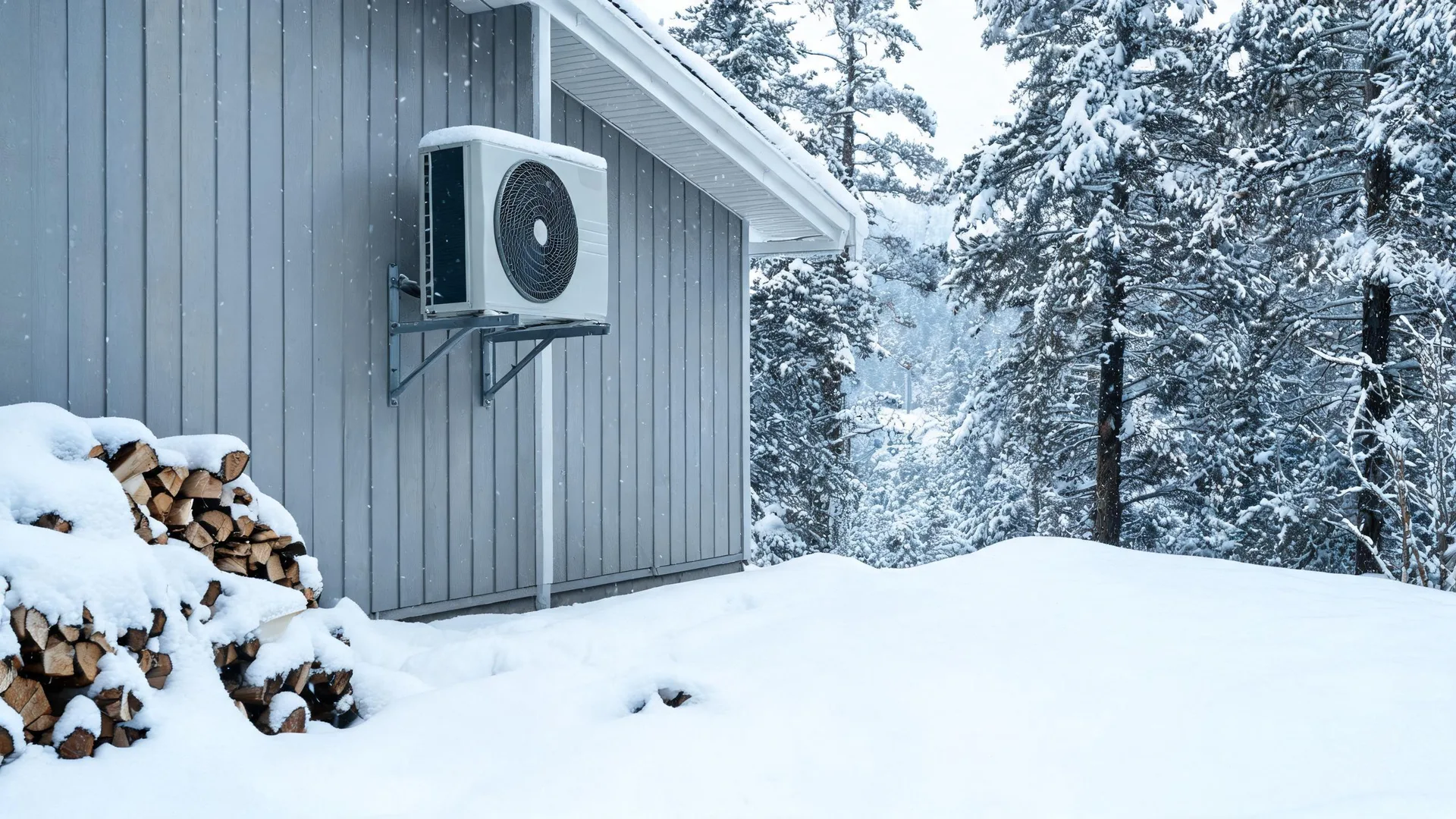
Orange County sees its share of rough weather

Orange County logged 149 severe weather events between 2015 and 2024, most of it damaging wind, with hail, tornadoes and winter storms on top. The outdoor unit of a heat pump sits outside through all of it.

A unit that still runs may still be hurt

Hail can dent the fins on the outdoor coil, and wind-blown debris gets pulled into the cabinet. A heat pump can keep running with damage like that sitting unseen. A quarter of North Carolina households lost power for a day or more in 2024, and that kind of outage is its own strain on the system when it cycles back on.

7 months
October through April, your system heats
5 months
May through September, it cools
31°F
the average winter night it heats against
87°F
the average summer afternoon it cools against
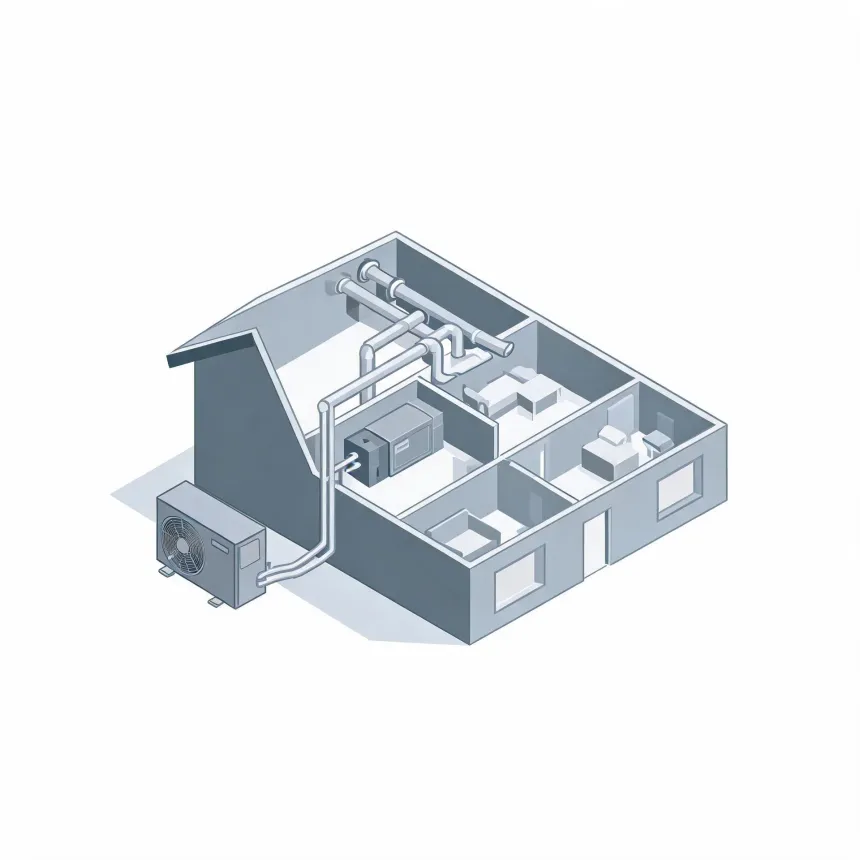
Isometric grayscale illustration of a cutaway house showing interior rooms, ducted air handler and duct runs, connected by pipes to an outdoor condenser unit beside the building.
Your system heats October through April and cools May through September.

NOAA nClimDiv, 1991–2020 normals

Heat pumps in Chapel Hill run heat from October through April.

September is the month to get a weak one looked at, before the first cold night finds the problem.

Winters here are short and mild, so your heat pump isn't working as hard as one up north

121 damaging wind events from 2015 to 2024
12 hail events from 2015 to 2024
Winter nights average 31°F

Half the homes in Orange County were built in 1990 or later. If your house is one of them, the heat pump likely came with it, or close to it, and that puts it well inside its working life. Mobile homes make up a small share of the housing stock here, so chances are good you're dealing with a standard split system, not the ducted package unit mobile homes usually need. A newer unit acting up is rarely a sign it's worn out. More often it's one part, a capacitor, a contactor, a low charge, that's failed on a system with plenty of good years left in it.

If hail or debris hit the outdoor unit, get it checked even if it still runs

A dented coil or a jammed cabinet doesn't always stop a heat pump from running. It just means the damage is sitting there unseen. Worth having it looked at before the system leans on itself through a winter night.

Find a contractor
A man in a cap, dark shirt and worn brown work pants walks up concrete steps toward an orange front door, carrying a canvas tool bag in his right hand, with a potted shrub beside the entry.
A gray heat pump condenser unit mounted on a concrete pad against the gray lap-siding exterior wall of a house.

The years on this system are probably on your side

Half the homes in this county were built in 1990 or later. If yours is one of them, the heat pump has likely been running since the house went up, which puts it well inside its working life. Age isn't the thing to worry about here. Get the part that failed replaced and let it keep going.

Warm air from a heat pump is never as hot as a furnace's

A heat pump pushes out air that feels mild, not hot, even when it's working right. That's normal. What's not normal is air that's barely warmer than room temperature, a system that runs long stretches without the house warming up, or one that's blowing cold air in heat mode. Those point to a refrigerant leak, a failing reversing valve, or a compressor losing its grip.

The outdoor unit tells you more than the indoor one

Ice building up on the outdoor coil during the heating months is worth watching. Heat pumps are built to defrost themselves on a cycle, so a little frost that clears on its own is fine. A coil that stays frozen, or a unit that's iced over solid, means the defrost control or a sensor has failed. Short-cycling outside, where the unit kicks on and off every few minutes, usually traces back to a failing capacitor or a thermostat sending bad signals.

A few things are worth checking before you call anyone out. Go outside and look at the unit itself. If the outdoor fan isn't spinning but the indoor side is blowing air, that's worth noting when you describe the problem. Check your thermostat is set to heat, not auto, and that the temperature you want is actually above room temperature. Simple things get overlooked. Look at your breaker panel. A heat pump draws power through more than one circuit, so it's possible to lose power to the outdoor unit without losing it indoors. If there's a disconnect box next to the outdoor unit, make sure the switch inside hasn't been bumped off. Change the air filter if it's been a while. A clogged filter can starve the system enough to trip a safety switch, and that alone can look like a much bigger failure than it is. None of this calls for tools or taking anything apart. It just rules out the easy explanations before you pay someone to find them.

A diagnostic visit starts outside, with gauges hooked to the service ports to check refrigerant pressure. Low pressure points to a leak somewhere in the line set or coil. Normal pressure with weak heat shifts the attention to the reversing valve, since that's the part that decides whether the system is heating or cooling. The capacitor, the contactor and the defrost board get tested under power, because a part can look fine sitting still and still be the one that's failing. Airflow gets checked too, at the indoor coil and through the ducts. A system starved for airflow will trip safety switches that mimic a bigger problem. The compressor is tested last, not first. A good tech rules out everything else before pointing at it.