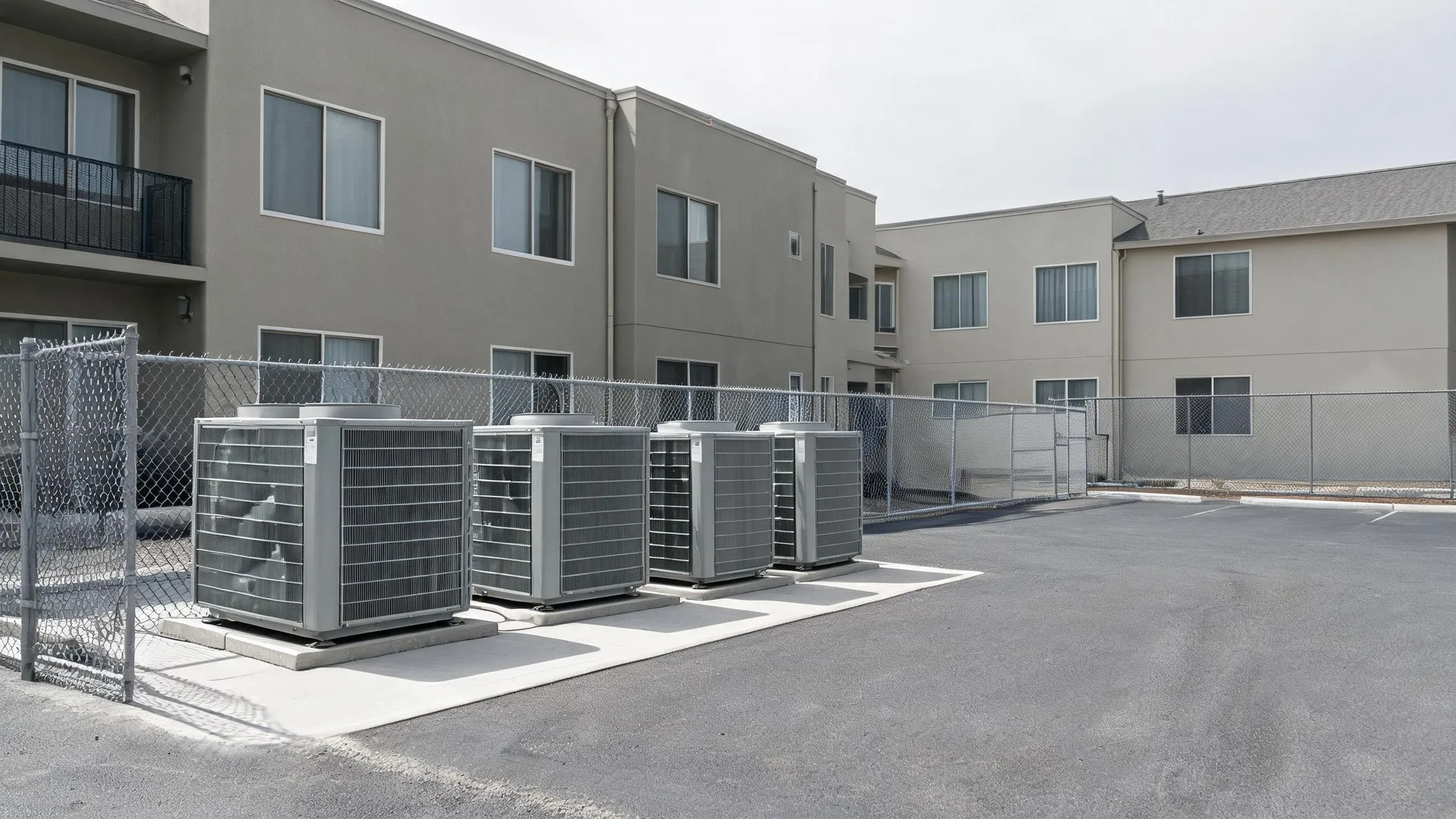
Storms come through often
Rockingham County logged 209 severe weather events between 2015 and 2024, including 154 damaging wind events, 36 hail events and 4 tornadoes. An outdoor AC unit sits outside through all of it.
Takes about a minute. No obligation.
Rockingham County logged 209 severe weather events between 2015 and 2024, including 154 damaging wind events, 36 hail events and 4 tornadoes. An outdoor AC unit sits outside through all of it.
A quarter of North Carolina households went at least 24 hours without power in 2024. A new system needs a spot and a setup that account for an outage, not just a hot afternoon.
NOAA nClimDiv, 1991–2020 normals
Cooling runs five months a year here, with afternoons near 87°F and air that sits heavy at a 64 degree dew point.
A new system here runs longer and harder than one in most of the country, so it has to be sized for this heat, not a mild one.



Cooling starts in May around here, which makes April the month to get a new system in. Installing before the first hot stretch means the contractor can size the unit and set the outdoor placement without rushing around a heat wave. It also means the system is tested and running before it has to work five straight months straight through September. Wait until the heat has already set in and you're choosing a system while the old one is struggling, with less room to think through where it sits or how it holds up through a storm.
Pick the installer who thinks about where the outdoor unit sits and what happens to your cooling and hot water when the power goes out, not just what happens on a hot afternoon. That's part of the install, not an extra step after.
Find a contractorFive months of running time a year adds up fast when the afternoons sit near 87°F the whole stretch. A system sized right for that load can handle it. One sized by guesswork, or picked because it was cheaper up front, ends up working past what it was built for every single day of the summer. That's where parts give out early: the compressor, the capacitor, the fan motor. Get the sizing right at installation and the strain stays where it belongs, inside normal wear instead of overwork.
A contractor measures the square footage, the windows, the insulation and the layout before quoting a system size. Copying whatever tonnage was there before skips that work. Too big and the system short cycles, cooling the air fast but never running long enough to pull the humidity down. Too small and it runs constantly and still can't keep up on the hottest afternoons.
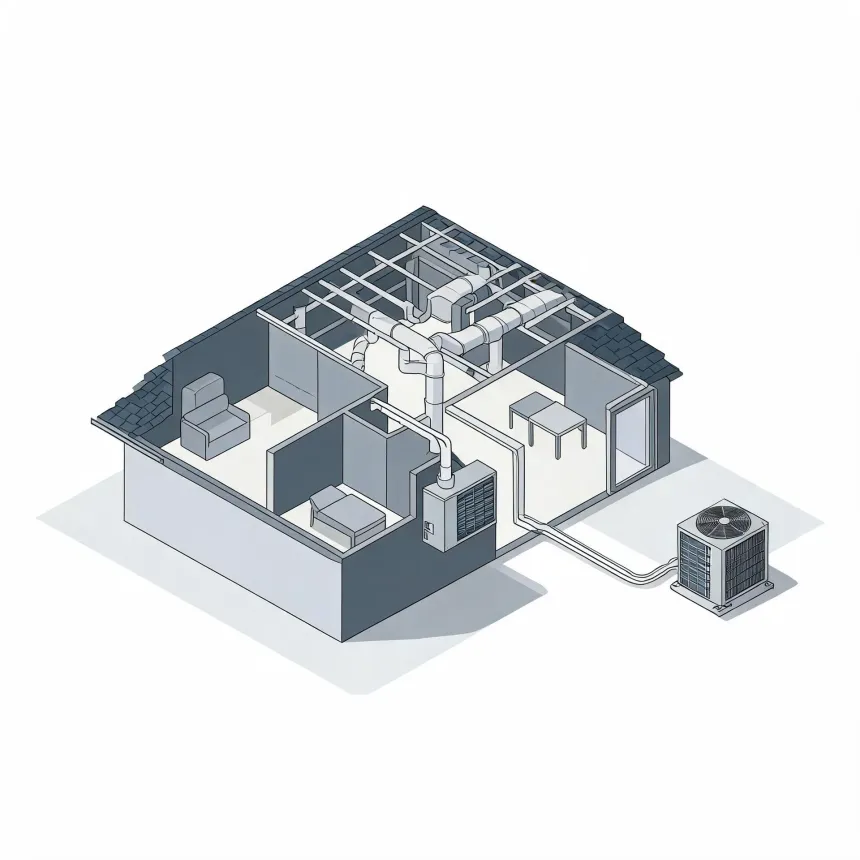
A condenser and air handler can be sized right and still underperform if the ducts feeding them are too small, leaky, or routed poorly. Installing a new system is the point where a contractor can inspect that ductwork, not just swap equipment and hope the existing runs are adequate. Patching or resizing duct now costs less than finding out later that the new unit can't move enough air through old ducts.
Estimates for a typical Rockingham County home, from EIA household energy data, North Carolina fuel prices and NOAA climate normals. Your home will differ.
Installation day starts with the equipment that's already been sized and chosen, not a decision made on the spot. The crew clears a path to the indoor air handler and the outdoor condenser pad, then disconnects and removes the old units. New line sets get run if the old ones don't match the new equipment, and the condenser goes on a level pad with clearance on all sides for airflow. Inside, the evacuation of the line set pulls out moisture and air before refrigerant goes in, since either one left behind can damage the compressor. The electrical connections get tied in, the thermostat gets set up, and then the system runs through a startup check: refrigerant charge, airflow, temperature split at the vents. A contractor walks the system through a full cycle before calling the job done, not just a few minutes of cold air to prove it turns on.