Storms come through here often
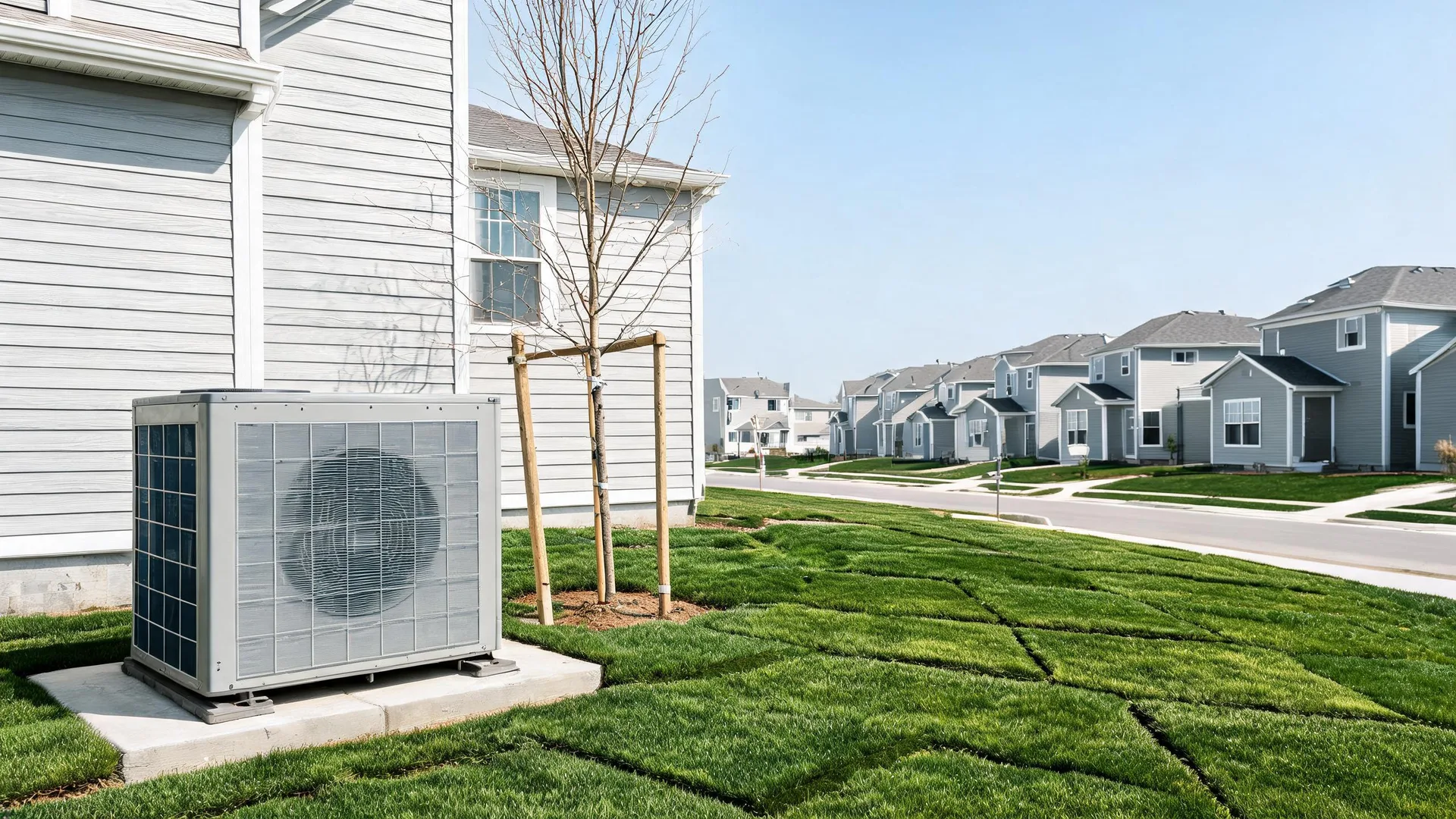
Cabarrus County recorded 100 severe weather events between 2015 and 2024, including 60 damaging wind events, 26 hail events, and 3 tornadoes. An outdoor AC unit sits outside through all of it.
Takes about a minute. No obligation.
Cabarrus County recorded 100 severe weather events between 2015 and 2024, including 60 damaging wind events, 26 hail events, and 3 tornadoes. An outdoor AC unit sits outside through all of it.
A quarter of North Carolina households went at least 24 hours without power in 2024. A new air conditioner is only as reliable as the power feeding it, and that's worth planning for before the unit goes in.

NOAA nClimDiv, 1991–2020 normals
More than half the homes in Cabarrus County heat with electricity.
An electric furnace or heat pump stops cold the moment the power does, so the AC going in should be planned around that same risk.



Cabarrus County falls in climate zone 3A, warm with a long cooling season. Any split-system air conditioner installed here has to meet 14.3 SEER2 if it's under 45,000 Btu/h, which covers most homes, or 13.8 SEER2 at or above that size. That's higher than the federal minimum of 13.4 SEER2 that applies elsewhere in the country. It narrows what a contractor can legally install, so a quote built around an older or out-of-region unit won't meet code here. New equipment that qualifies may also open up a federal tax credit, worth asking about when comparing systems.
Where the installer puts the outdoor unit and how the system handles an outage are decisions made at install, not after. Ask about surge protection and a pad placement that keeps the unit clear of falling limbs. If the house also depends on electric heat, ask what a backup option would take. Settle it now, while the system is being chosen.
Find a contractor
The SEER2 number on the label tells you how much cooling the unit gets out of the power it uses, averaged over a season of starts and stops, not just at full blast. A higher number means lower bills for the same cooling, but it only holds up if the rest of the install matches the equipment. A high-SEER2 condenser paired with the wrong coil, undersized ductwork, or a refrigerant charge that's off won't deliver the rating on the label. It'll run more and cool less than it should, and nothing on the unit will tell you that's happening. The rating also assumes the system is sized to the house. An oversized unit cycles on and off fast, cooling the air without running long enough to pull the humidity down, so the house feels clammy even while the thermostat says it's satisfied. An undersized one runs long and still can't keep up on the hottest days. Ask the contractor to walk through the sizing calculation for the house, not just the SEER2 number on the equipment they're quoting.
An outdoor condenser holds refrigerant under pressure, and that refrigerant has to be recovered into a tank before the lines are opened, never vented to the air. Once it's out, the old line set, pad, and electrical whip are disconnected and the unit is hauled off. Scrapping it is normal and fine, as long as the recovery happens first.
A condenser and the indoor coil are matched to each other and to the refrigerant they run on. Putting a new condenser on an old coil often means mismatched refrigerant or a capacity mismatch, and the system won't hit its rated output. Most installs replace both together, so plan on the indoor coil coming out along with the outdoor unit, not just sitting there.
Estimates for a typical Cabarrus County home, from EIA household energy data, North Carolina fuel prices and NOAA climate normals. Your home will differ.
Install day starts with the old system coming apart before the new one goes in. Refrigerant gets recovered from the condenser, the line set gets disconnected, and the indoor coil comes out of the plenum if it's being swapped too. Once that's clear, the new line set gets run or the old one gets cleaned and pressure tested, because any leftover debris or moisture in those lines will contaminate the new refrigerant charge. The indoor coil goes in, the condenser gets set on its pad outside, and the two get connected and evacuated with a vacuum pump to pull out air and moisture before refrigerant goes in. Then comes the charge, checked against the manufacturer's specs rather than just topped off by feel, and a run of the system to check static pressure, temperature split across the coil, and that the thermostat is talking to the equipment the way it should. A straightforward swap on an existing pad with accessible lines goes faster than one where ductwork needs changes or the line set has to be rerouted.