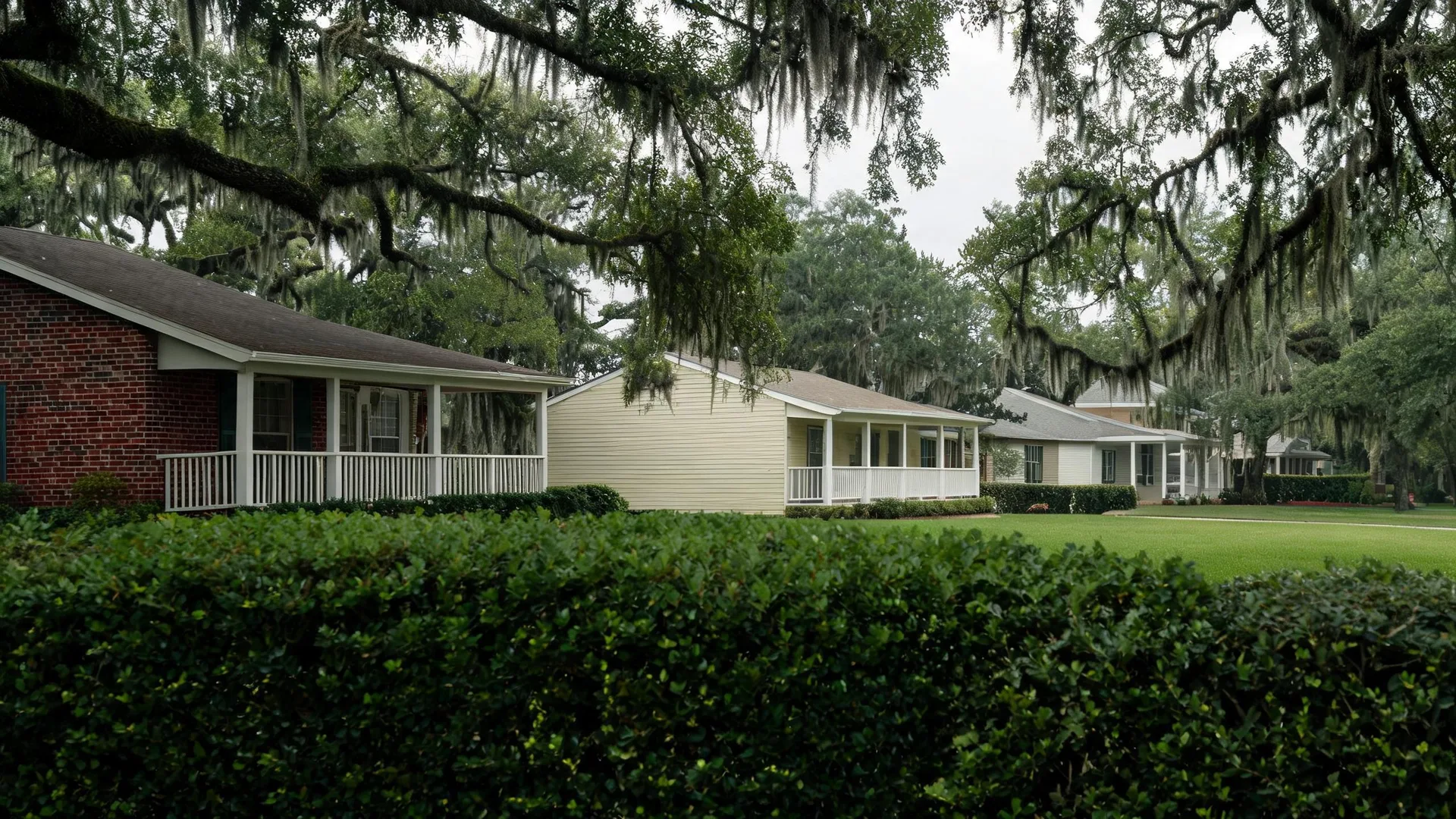
A row of single-story houses with porches, one brick and others with pale siding, behind a trimmed hedge and lawn, under oak branches draped with Spanish moss.

AC Installation in Lenoir, NC

Tell us about the job

Takes about a minute. No obligation.

New system or replacementCentral ACCaldwell County, NC
Step 1 of 2

What ZIP code is the job in?

The rating measures efficiency, not size

The number on the label tells you how much cooling a unit delivers for the power it uses over a season of typical weather. It has nothing to do with tonnage or how big the system is. Two units can carry the same rating and cool very differently sized houses, so the rating alone never tells you if a unit is the right fit for your home.


A higher rating means more parts doing the work

Units with a higher rating usually get there with a variable-speed or two-stage compressor instead of a single-speed one, plus a larger coil to move heat more easily. That means more to install correctly and more that depends on getting the refrigerant charge and airflow right. A high-efficiency unit installed poorly will run worse than a basic one installed well.

4 months
June through September, your air conditioner is on duty
86°F
the average summer afternoon it cools against
31 hail events
in ten years, and hail bends the fins on outdoor coils
13.4 SEER2
the federal minimum any new unit must meet
Isometric line illustration of a cutaway house showing an indoor air handler with branching ducts in the attic space, connected by a line set to an outdoor condenser unit beside the building, with simple furniture in two rooms.
Your air conditioner works hardest from June through August.

NOAA nClimDiv, 1991–2020 normals

AC runs here from June through September.

May is the month to have a new system in, before the first hot stretch hits.

Most homes here run on electricity, and the AC should match the house

70.1% of homes heat with electricity
Cooling runs June through September
Summer afternoons average 86°F
Cheap power changes the mathElectricity in Caldwell County runs 13.53 cents per kilowatt-hour, lower than most of the country.

Caldwell County falls under zone 4A, which the energy code treats as mixed. That rating exists because the work here runs both directions, real heat in summer and real cold in winter, with humidity added into the mix. It limits what you can put in. Any split system under 45,000 Btu an hour installed here has to hit at least 14.3 SEER2, and 13.8 at or above that size. That's higher than the federal manufacturing floor of 13.4, because the Southeast is held to its own line. A contractor quoting a unit below that number isn't offering you a deal. They're offering you something that can't legally go into your house.

Replace it before the season

Replace it before the season starts, so it happens on your schedule, not in a hurry.

Find a contractor
A gray metal air conditioning condenser unit mounted on a concrete pad in a flat grassy field under a partly cloudy sky.

Sizing isn't a guess, it's a calculation

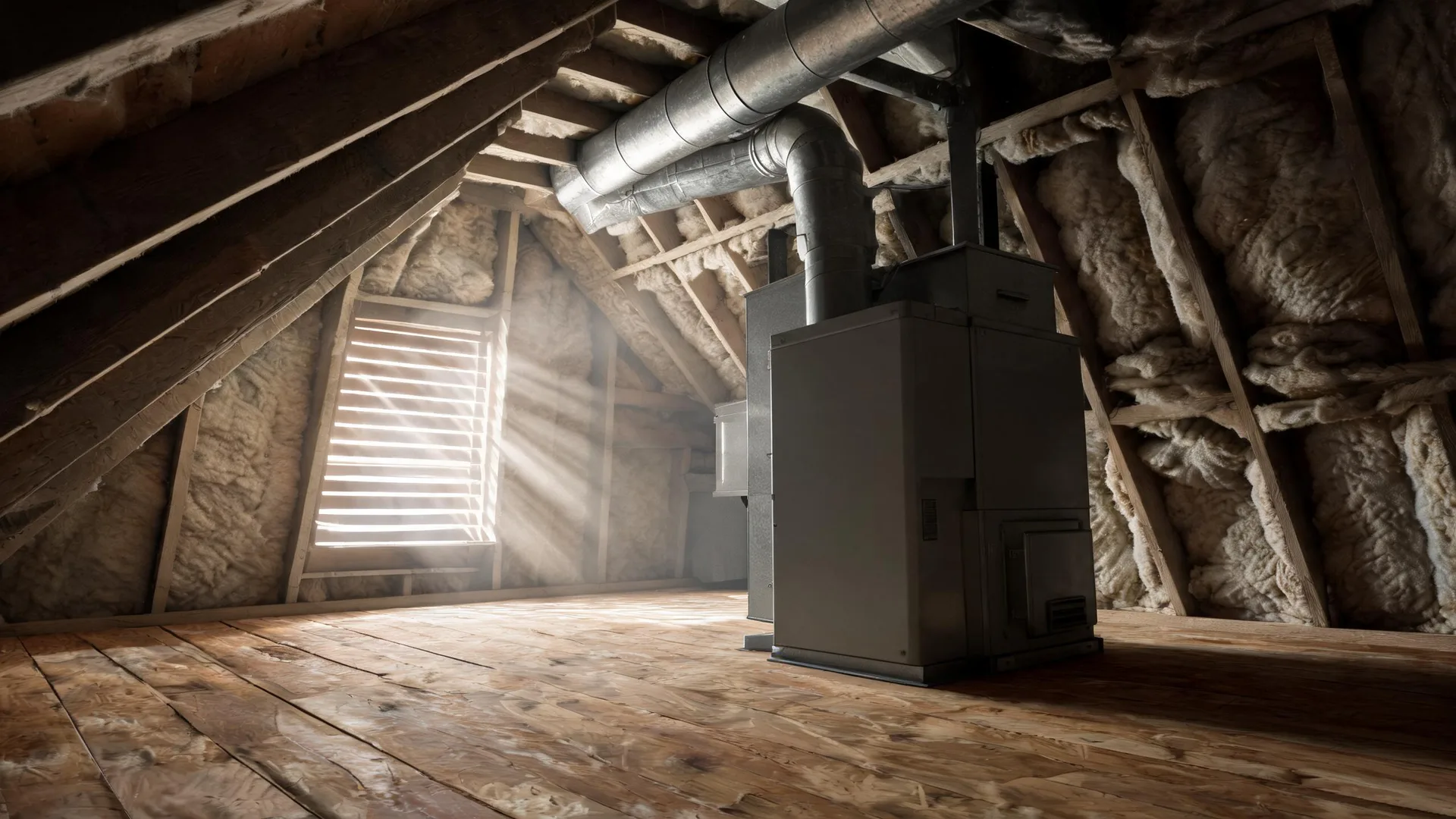
A contractor works out the size with a load calculation, room by room. It weighs the square footage against how much glass is in the walls, which way the house faces, how much insulation is in the attic, and how many people usually live inside. None of that shows up on a tape measure. Two houses the same size can need different tonnage because one has a sunroom full of west-facing windows and the other doesn't. Going bigger than the number that calculation gives you doesn't mean better cooling. An oversized unit cools the air fast and shuts off before it pulls the humidity out, so the house feels clammy even at the temperature you set. It also cycles on and off more, and every start puts wear on the compressor. An undersized unit runs the opposite way: it never shuts off at all during the hottest stretch, working constantly and still losing ground. Either mistake shortens the life of the equipment. The duct system has to match too. A unit sized right for the house but paired with ductwork too small to move that much air will struggle no matter what's written on the label.

The old unit has a refrigerant charge in it

Before anyone disconnects the old system, the refrigerant in the lines has to be recovered into a tank, not vented. That's the law, and it's also just how it's done right. A contractor pulls it out with a recovery machine, then can open up the lines to pull the equipment.

The pad, the lines and the disconnect usually stay

Most of what's already there gets reused rather than replaced. The concrete pad outside, the electrical disconnect box next to it, sometimes even the line set running to the house, all of it can carry over if it's in good shape. A contractor checks each piece rather than assuming it has to go.

An overhead view of a residential air conditioning condenser unit mounted on a concrete pad next to a house with vinyl siding.

Going above the federal minimum saves little here, about $20 a year.

  • A higher-efficiency unit$210 a year
  • A new unit at the federal minimum, 14.3 SEER2$230 a year

Estimates for a typical Caldwell County home, from EIA household energy data, North Carolina fuel prices and NOAA climate normals. Your home will differ.

Power being cheap here doesn't mean the unit matters less. It means the payback on a top-tier efficiency jump takes longer, so that's not where to put your money first. Put it into the parts that decide whether the system keeps running when the weather turns bad, a good install, the right size for your house, and a unit that holds up through a storm rather than one that shaves a few dollars off a bill you were never paying much on anyway. A contractor who pushes the highest SEER2 number as the main selling point is answering a question you don't have. Ask instead what happens to this system when the power flickers or a line goes down for a day, because that's the part cheap electricity doesn't fix.