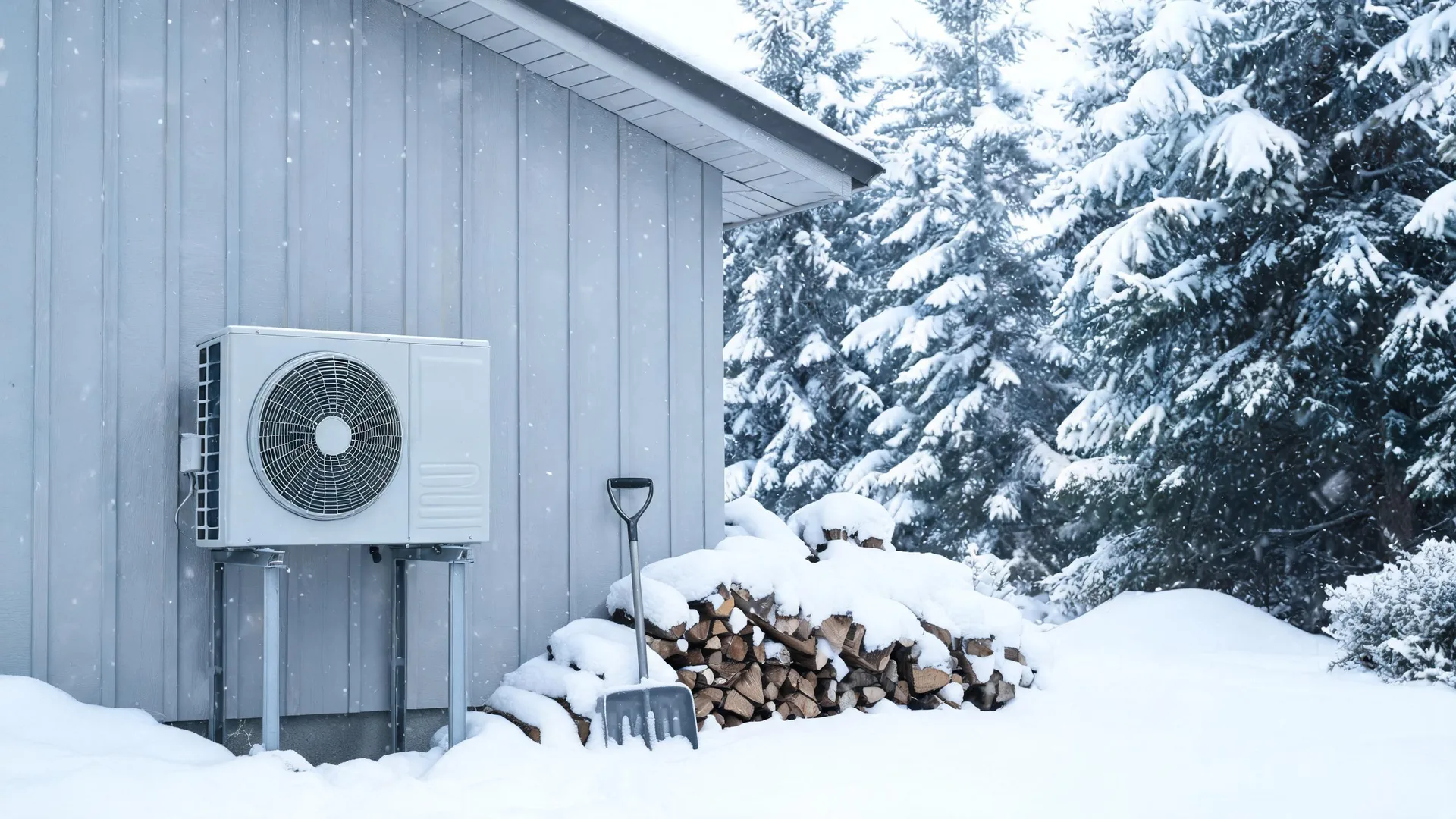
Weather here does damage
Alamance County logged 131 severe weather events between 2015 and 2024, including 105 cases of damaging wind, 12 hail events and 4 tornadoes. An outdoor condenser sits outside through all of it.

Takes about a minute. No obligation.
Alamance County logged 131 severe weather events between 2015 and 2024, including 105 cases of damaging wind, 12 hail events and 4 tornadoes. An outdoor condenser sits outside through all of it.
A quarter of North Carolina households went at least 24 hours without power in 2024. A new AC install is a chance to plan for that, since an outage can mean no cooling and no hot water until the lines are back up.
NOAA nClimDiv, 1991–2020 normals
A unit sized by square footage alone is often wrong.
The right size comes from a load calculation that weighs the windows, the insulation and the layout room by room.




Alamance County falls under zone 3A, built for long, humid summers and a winter that stays mild. Any new split system installed here has to meet 14.3 SEER2 if it's under 45,000 Btu/h, or 13.8 SEER2 at or above that size. That's higher than the baseline the rest of the country installs to. It narrows the field to equipment built for this kind of heat load, not just whatever a supplier has on the shelf. A system that clears this bar also tends to qualify for the federal efficiency tax credit, worth checking against the specific model going in.
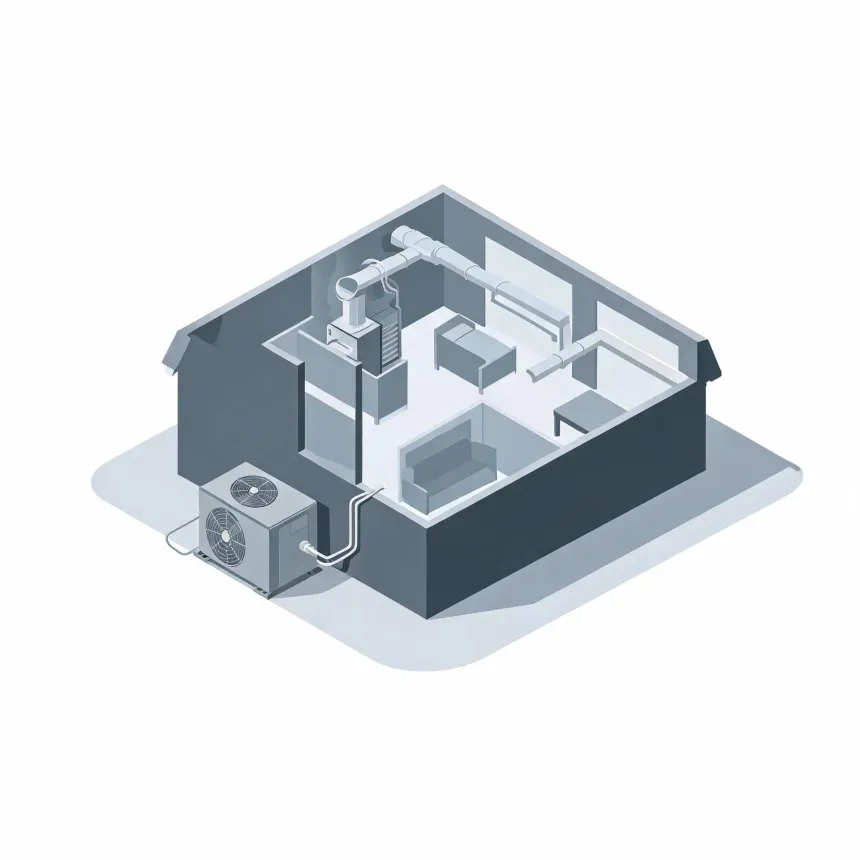
Ask the installer about where the new condenser goes and what's around it, and whether the system can keep the house running on heat and hot water if the power drops for a day. That's the kind of thing to settle while it's being installed, not after a storm's already come through.
Find a contractor
What a system costs to put in comes down to more than the equipment sitting in the driveway. The condenser and air handler are only part of it. Line sets have to be run and connected, and if the new system uses a different refrigerant or a different line size than the old one, that copper gets replaced rather than reused. The ductwork gets inspected too. Leaky or undersized ducts choke even a well matched system, so sealing or resizing a run adds labor the equipment price doesn't show. Electrical matters as well. A larger or more efficient unit can call for a different breaker or disconnect than what's already at the panel, and bringing that up to code is its own job. Where the condenser goes affects the work too: how far it sits from the panel, whether the pad needs to be built up or replaced, how much room the crew has to maneuver. None of this shows up on a spec sheet, but all of it shows up in what the install takes to do right.
SEER2 is worked out over a whole cooling season, not on the hottest afternoon of the year. A high rated system still draws more power when it's straining against heat than it does on a mild day. The number on the label tells you how the unit performs on average, not what it pulls when it's working hardest.
The compressor and coil can be rated high, but a duct system that's leaky or undersized holds the whole unit back from hitting that number in the house. Airflow across the coil and a properly charged line set matter as much as what's printed on the equipment. A mismatched air handler paired with a high efficiency condenser will not run at the rating either one was built for.
Estimates for a typical Alamance County home, from EIA household energy data, North Carolina fuel prices and NOAA climate normals. Your home will differ.
Install day starts with the old equipment coming out, not the new one going in. The condenser gets disconnected, the line set drained of refrigerant, and the old air handler or coil pulled before anything new is set in place. Once that's clear, the new line set gets run and the condenser gets set on its pad, leveled so the compressor inside isn't straining at an angle. Electrical connections get made at the disconnect box and the breaker gets checked against what the new unit calls for. The system then gets charged with refrigerant to the manufacturer's spec, not just topped off by feel. Before anyone calls it done, it gets tested: airflow at the vents, the temperature split between the air going in and the air coming out, and a check that the thermostat is actually talking to the new equipment. A system that's sized and charged right should cycle on, run a steady while, and shut off rather than short cycling or running without pause.