Electricity here runs 14.46 cents a kilowatt-hour
That rate applies to every hour the new system runs, all summer and into the months you need heat too. A unit that wastes power turns that rate into a bigger number on every bill it touches.
Takes about a minute. No obligation.
That rate applies to every hour the new system runs, all summer and into the months you need heat too. A unit that wastes power turns that rate into a bigger number on every bill it touches.
The system going in now sets what each month costs for as long as it runs. Sizing it right and choosing a unit that holds up to steady use matters as much as the install itself.

NOAA nClimDiv, 1991–2020 normals
Robeson County logged 127 severe weather events between 2015 and 2024, including 87 with damaging wind and 23 with hail.
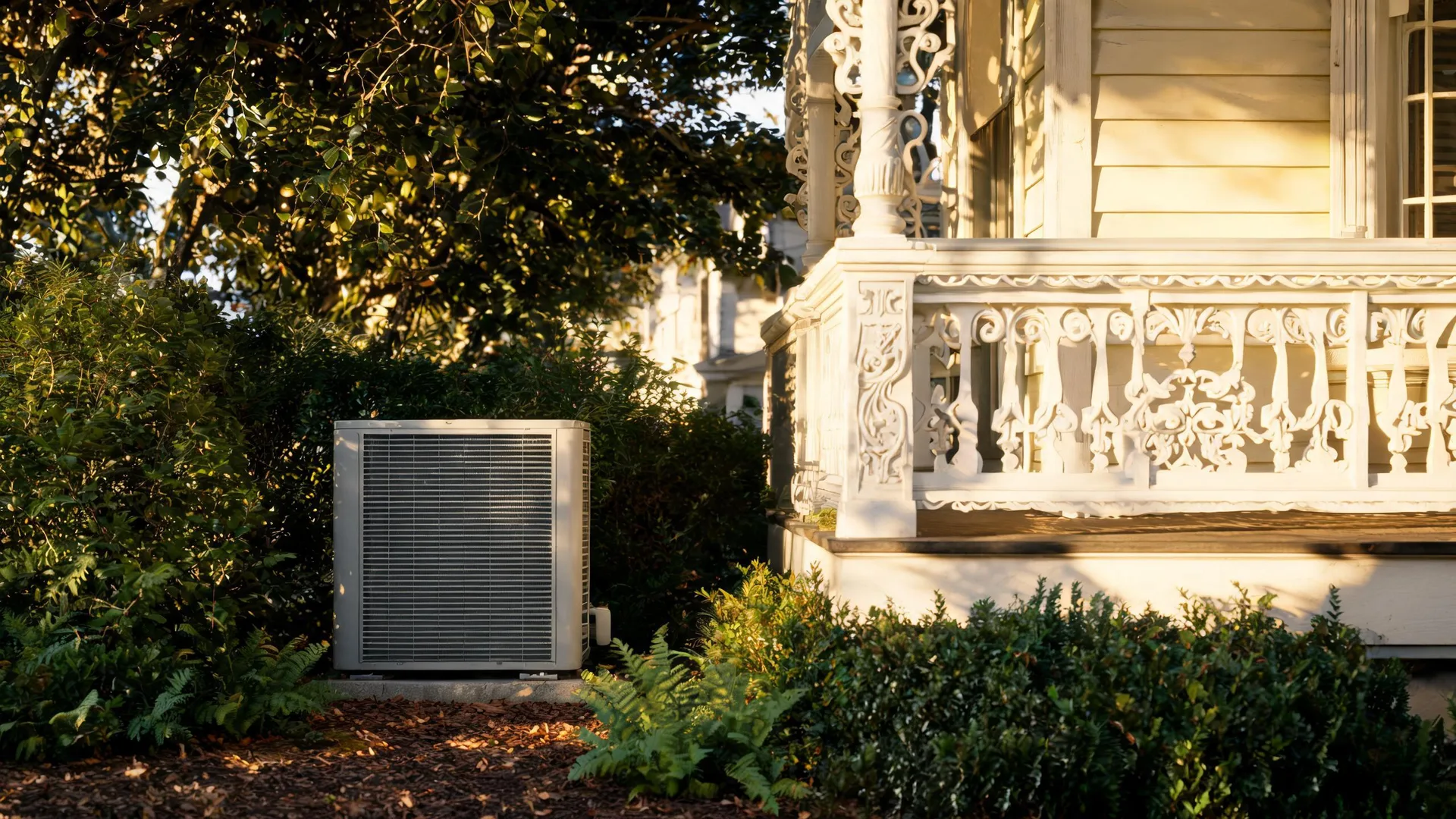
An outdoor unit installed here needs a spot that keeps it clear of falling limbs and flying debris, and a plan for what happens to heat and hot water when the power drops.



Half the homes in Robeson County were built in 1986 or earlier. An install into a house that age usually means working with ductwork and a layout that were sized for a different system than the one going in now. The new unit has to match the house, not just the old equipment it replaces. That's especially true if the ducts were never updated along the way. Mobile homes make up a large share of the housing here too, and they come with their own sizing and ducting rules that a site-built house doesn't. A contractor who sizes the system for the house in front of them, not a standard number off a chart, is the one who gets this right.
The unit going in now is the one your summer bills run on for years. Ask what SEER2 rating you're being quoted, and size it for your house, not just the equipment it's replacing.
Find a contractor
Five months of cooling here, May through September, and the afternoon high through June, July and August averages 90°F. The dew point runs 69°F those same months, higher than most of the country sees, which means the air stays heavy even after the temperature drops in the evening. A new system doesn't get to coast through the shoulder months. It starts the season working and keeps working. That steady load is what wears a compressor down and what strains a unit that was sized off a chart instead of the house it's going into.
A contractor should measure the house, the windows, the insulation and the duct layout before naming a size. That calculation is what tells you the tonnage, not the size of the unit already out there. A system sized off the old equipment instead of the house can short cycle if it's too big or run constantly if it's too small, and either way it wears out faster.
The new unit only moves air as well as the ducts let it. Ask whether the existing ducts were sized for this system or the one it's replacing, and whether any runs need to change. A system that's right on paper still won't heat or cool evenly if the ductwork underneath it wasn't built for that airflow.
Estimates for a typical Robeson County home, from EIA household energy data, North Carolina fuel prices and NOAA climate normals. Your home will differ.
Installation day starts before anyone touches the old unit. A tech runs the load calculation first if that hasn't already happened, checks the line set, and confirms where the new equipment will sit. Pulling the old unit comes next, indoor and outdoor both, along with the old line set if it's being replaced rather than reused. Setting the new outdoor unit means a level pad and enough clearance around it for air to move through the coil. Inside, the air handler or coil gets set, the line set gets connected and sealed, and the system gets evacuated to pull moisture and air out of the lines before refrigerant goes in. Once it's charged, a tech checks the airflow, the temperature split across the coil, and the thermostat wiring before calling the job done. A system that's charged right and set up to breathe through the ducts it's connected to is the one that runs the way it's supposed to for years.