Electricity here runs 14.40 cents a kilowatt-hour
That's what homes in Nash County paid on average in 2025. An air conditioner is one of the biggest draws on a home's power use, so that rate shows up on the bill every month it runs.
Takes about a minute. No obligation.
That's what homes in Nash County paid on average in 2025. An air conditioner is one of the biggest draws on a home's power use, so that rate shows up on the bill every month it runs.
A new system's efficiency rating decides how much electricity it pulls to do the same job. At this rate per kilowatt-hour, a unit that runs efficiently costs less to operate than one that doesn't, every month it's working.

NOAA nClimDiv, 1991–2020 normals
Nash County recorded 135 severe weather events between 2015 and 2024, including 90 damaging wind events and 23 hail events.
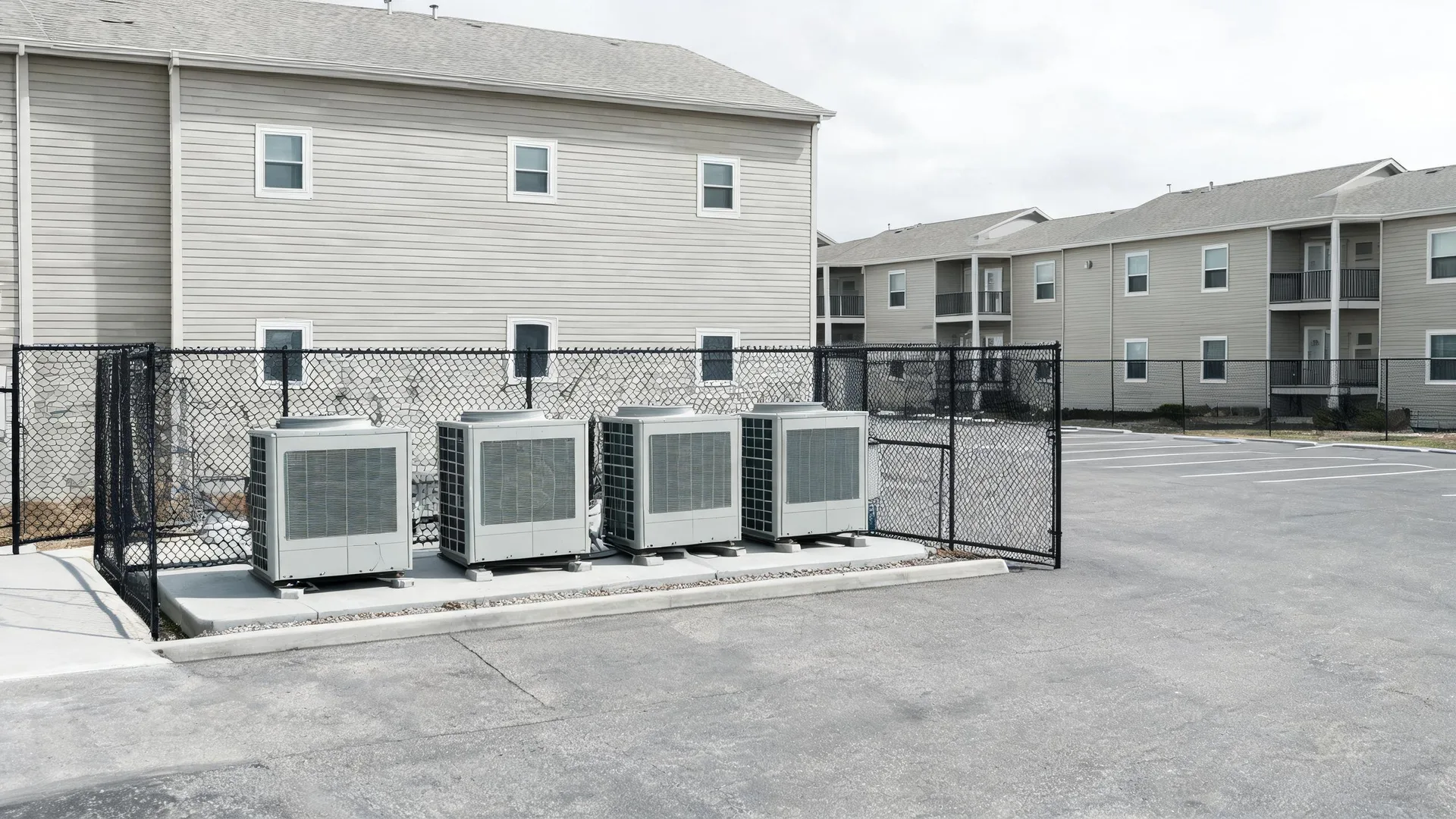
An outdoor condenser sits exposed to all of that, so where it goes and what shields it matters as much as the unit itself.




Five months of cooling is a real workout, not just a few hot afternoons a year. June, July and August average 88°F in the afternoon, and the dew point runs 67°F, higher than most of the country sees. That kind of heat and moisture together means the compressor is working hard most days it runs, not just on the worst ones. A unit sized wrong for that load either short cycles or runs flat out trying to keep up, and either way something wears sooner than it should. Matching the system to what Rocky Mount summers demand matters more than matching it to the square footage alone.
The SEER2 number on the new system is part of what it costs to run every month after that. Ask the installer which rating they're quoting for this house and why that one, not just what's sitting in the warehouse.
Find a contractor
Once this system goes in, it runs the same stretch every year, May through September. That's the load it's built for, not a handful of hot days. Sizing it to that full run matters more than matching it to a square footage chart. A unit that fits the load runs steady through the afternoons instead of straining to catch up, and steady is what keeps a compressor from wearing out before it should.
SEER2 compares the cooling a system puts out over a season against the electricity it took to do it. A higher number means the compressor and coil are getting more cooling from the same draw of power. It says nothing about tonnage or how big the unit is. Two systems can be sized the same for a house and still pull very different amounts of power to do the same job.
That SEER2 number comes from lab testing with the refrigerant charge exact and airflow across the coil where it should be. Undersize the ductwork, shortchange the charge, or leave the coil restricted, and the system won't deliver the efficiency printed on the label. The rating is the ceiling. What the installer does with the charge, the airflow and the duct sizing decides how close the running system gets to it.
Estimates for a typical Nash County home, from EIA household energy data, North Carolina fuel prices and NOAA climate normals. Your home will differ.
Install day starts with the old system coming out, not the new one going in. The condenser outside gets disconnected and hauled off, and the coil paired with the furnace or air handler comes out too, since most installers won't set a new condenser on an old coil. The line set connecting indoor and outdoor units usually gets replaced rather than reused, because residue and moisture left behind can contaminate the new refrigerant. Once the new coil and condenser are in place, the installer pulls a vacuum on the line set to remove all air and moisture before any refrigerant goes in. Then comes the charge, weighed in to the manufacturer's spec rather than eyeballed, and a check of airflow across the coil. The system gets run and tested before the crew leaves, checking suction and head pressure against what the equipment calls for, not just whether cold air comes out of the vents.