Why your AC keeps tripping the breaker in North Carolina

RepairCentral ACNorth Carolina
Step 1 of 2

What ZIP code is the job in?

Why does my AC keep tripping the breaker?

A breaker that trips once might be nothing. One that trips every time you run the AC, or trips again a few minutes after you reset it, means something in the system is drawing more current than the circuit allows. In North Carolina, where the AC runs hard through the muggy summer months, that strain shows up fast once a part starts to fail.

Usually a failing capacitor or compressor, or a dirty coil making the unit work too hard

Most of the time it's the compressor pulling too much current because a capacitor has gone weak, or because the compressor itself is wearing out. A dirty condenser coil can cause the same thing, since a coil caked with dirt and pollen makes the compressor work harder to move the same heat outside, and that extra load shows up as extra amps. A breaker that trips repeatedly is doing its job. It's protecting the wiring from a problem in the unit. Resetting it and moving on doesn't fix what's causing the draw, and running the AC that way through a Carolina summer tends to push a struggling part the rest of the way to failure.

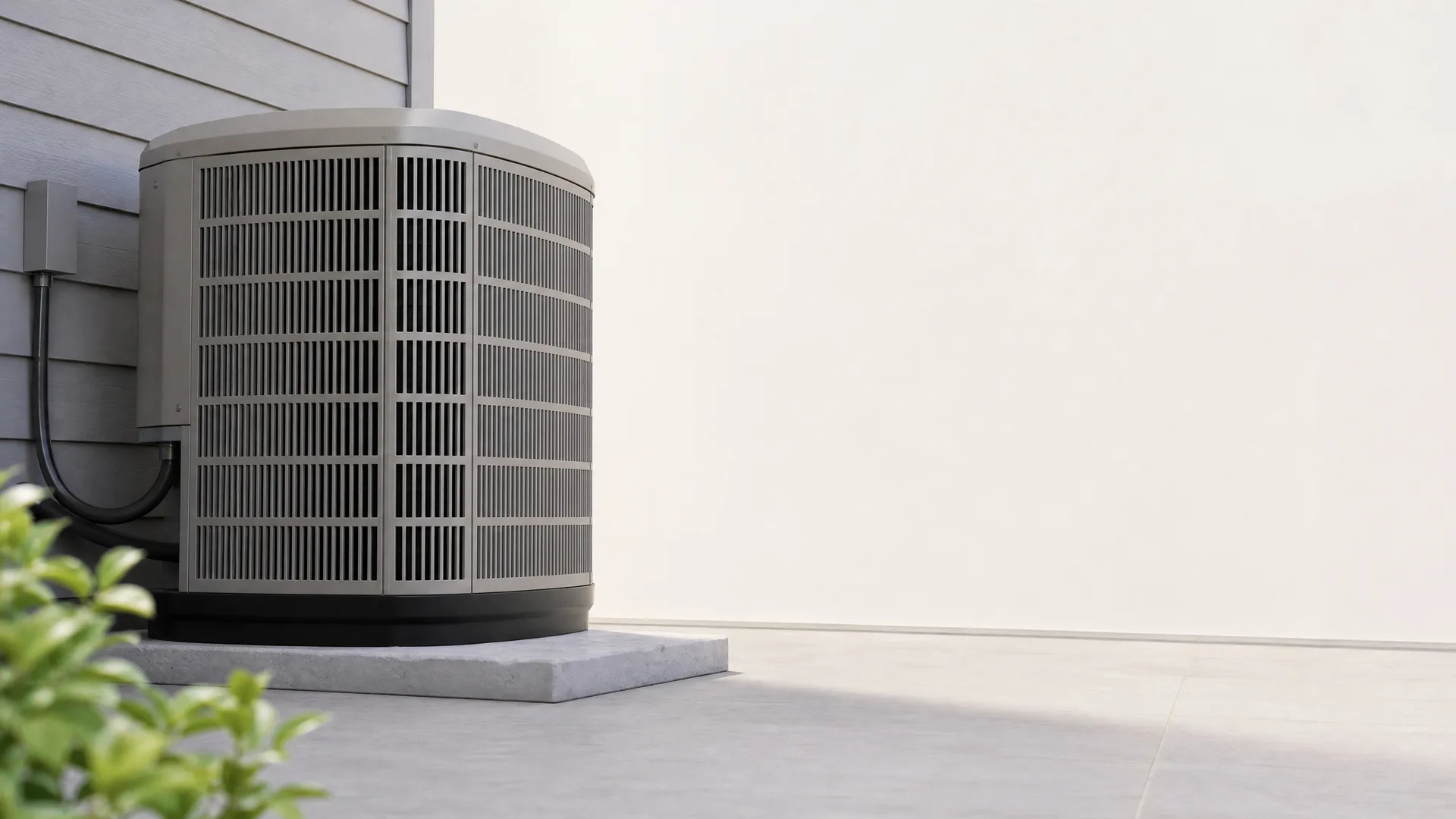
A gray outdoor air conditioning condenser unit on a concrete pad beside a house with horizontal lap siding, with a conduit and electrical disconnect box on the wall and a green shrub in mulch to the right.

Breaker holds, AC runs fine

A unit like this draws a steady, predictable amp load. The grille is clean, the pad is clear, and the breaker handles every startup without complaint. Nothing is forcing the compressor or fan motor to work harder than the circuit expects.

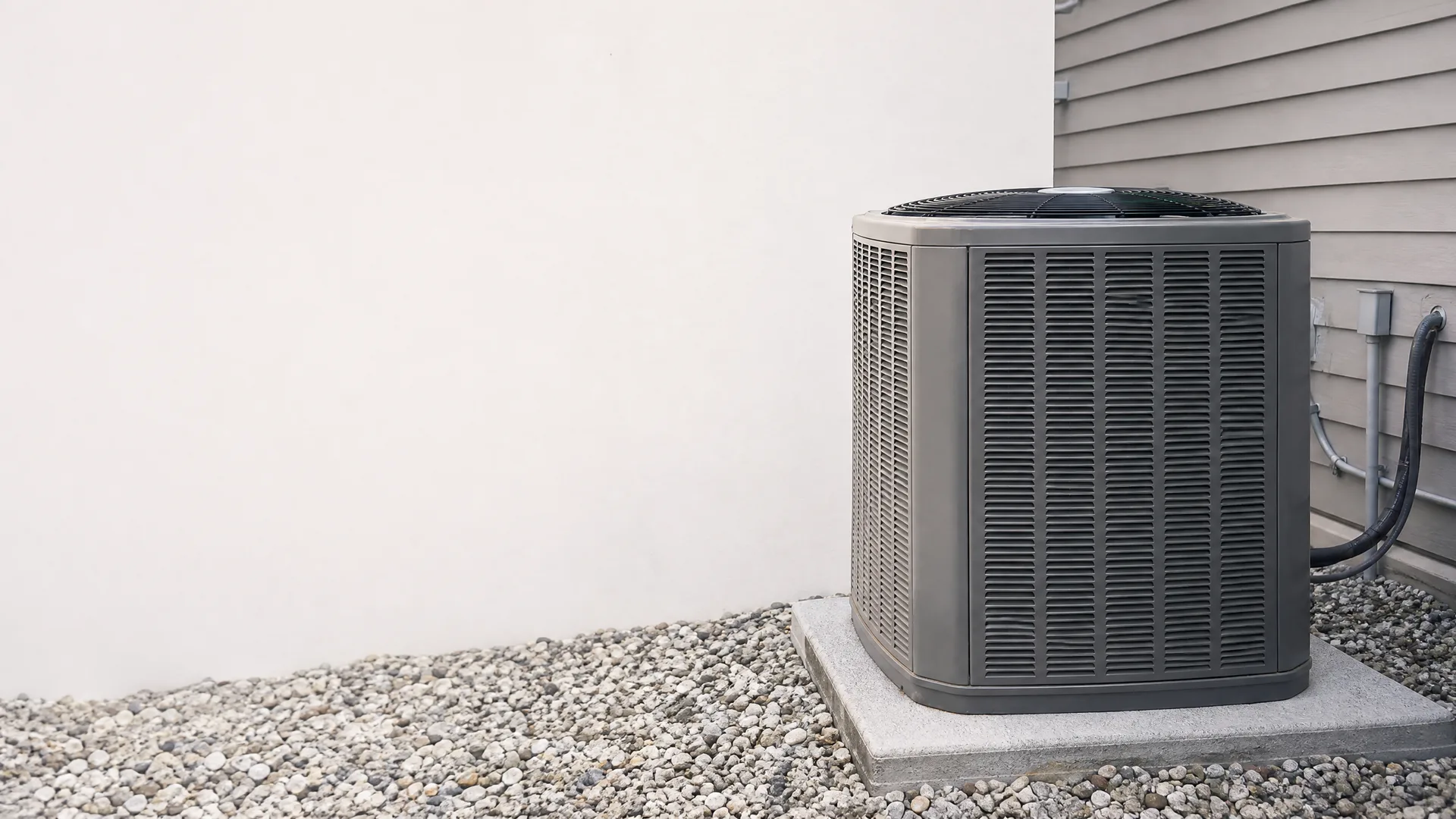
A weathered outdoor air conditioner condenser unit on a concrete pad beside a house with horizontal vinyl siding, with a conduit and disconnect box on the wall to the right.

Breaker trips, something's wrong

Years of grime on the grille and leaves packed around the base choke off airflow. The condenser has to work past what it was built for, pulling more current until the breaker cuts it off. A contractor can tell you if it's the coil, a failing motor, or wiring that's worn down.

A man in a gray knit sweater stands smiling and looking off to the side beside a white marble kitchen island, with a dining table, pendant light, and open shelving in the background.
A smiling man with short dark hair and stubble in a gray sweater sits at a stone-topped counter with a white ceramic mug, in a room with a framed picture, a plant, and shelves holding bowls.
A smiling man in a dark navy sweater sits at a wooden kitchen counter with a light ceramic mug, with white tile backsplash, open shelving and a window with potted plants behind him.
A smiling man with dark hair and a beard, wearing a dark green knit sweater, stands at a kitchen counter with a ceramic mug, with an open living room, sofa, armchair and large windows behind him.

A breaker that trips twice is a pattern, not a fluke

If it trips again after you reset it, the problem is still there. Running the AC again on a tripped circuit can put more strain on a motor that is already struggling.

Hand it over

Stop calling around for someone who can look at it today

Send the form once and skip searching, calling shops one by one, and explaining the same tripping breaker over and over. Finding a contractor stops being on you.

Hand it over

Is this breaker tripping every time you turn the AC on

You reset it, the AC runs for a bit, then the house goes quiet again and you're back at the panel. Maybe the outside unit hums for a second before it cuts out, or the air stops blowing through the vents mid afternoon with nothing else running in the house. Sometimes the breaker feels warm to the touch when you flip it back. None of that is you imagining things. A system that keeps pulling too much current off that circuit is working harder than it should, and left alone it can wear down the compressor or the fan motor faster than normal use would. In North Carolina summers, that also means the cooling stops right when the house needs it most.

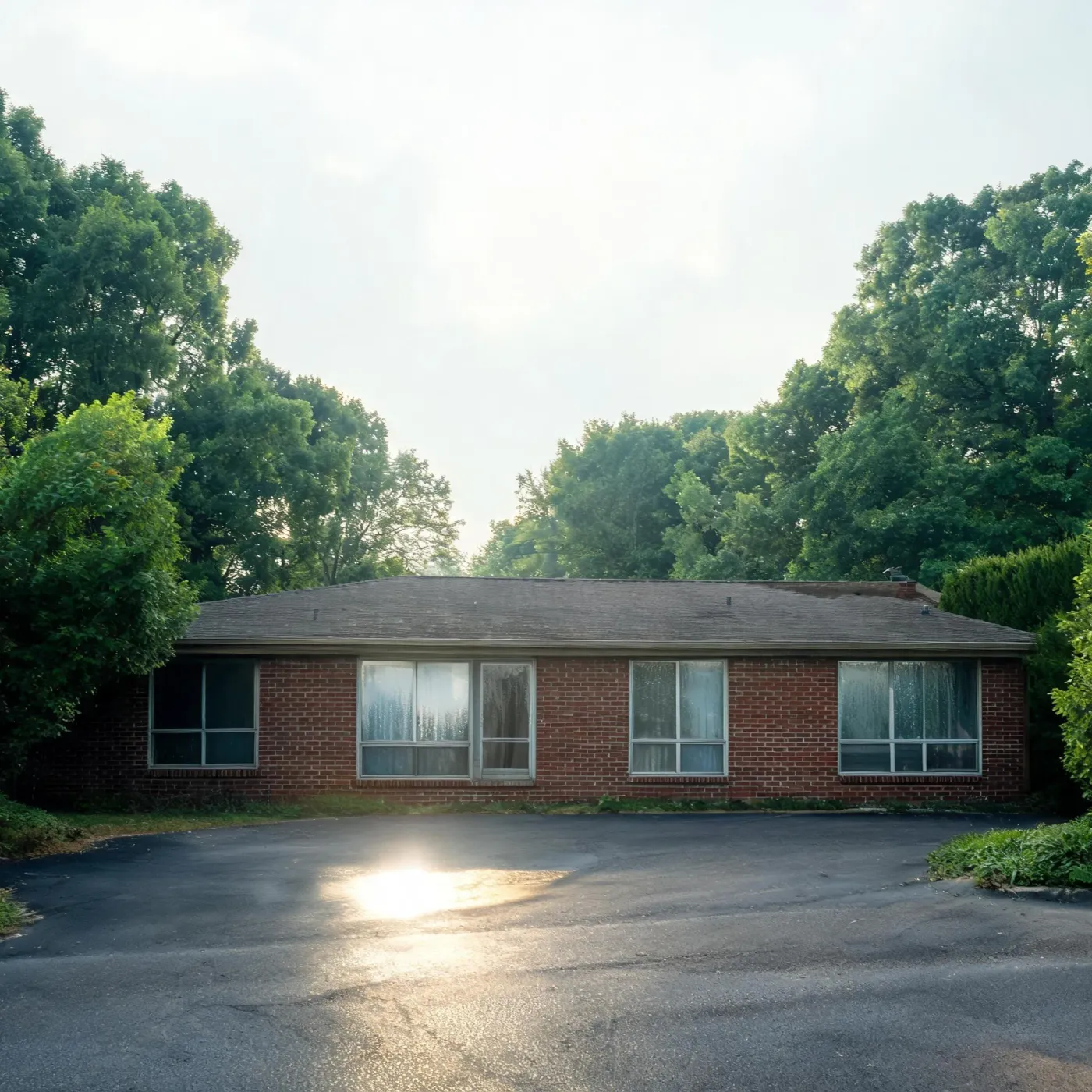
A single-story red brick building with a low shingled roof and large windows, fronted by a wide asphalt parking area with sun glare, surrounded by dense green trees and shrubs.

Summer air in North Carolina sits at a dew point around 67°F, averaged across June, July and August, according to NOAA climate data. That's heavy, damp air, and it means your condenser coil is pulling moisture out of the house on top of cooling it. The compressor works harder to do both jobs at once, and a harder-working compressor draws more current. On a system where something is already marginal, a worn capacitor, a dirty coil, a fan motor losing strength, that extra draw can be what pushes the breaker past its limit. You'd notice the unit tripping more on the muggiest days than on a mild one. Once you send the form, you're done hunting for someone to look at it.

NASA POWER T2MDEW county cells weighted by homes

Stop chasing an air conditioner pro

Answer a few questions instead of calling shop after shop.

No fee to send it, and nothing to sign.

The breaker trips once and never again

A single trip can happen on a hot afternoon when the compressor and a few other things in the house pull power at the same moment. You reset it, the AC comes back on, and it runs fine the rest of the day and the next. Nothing in the system is forcing extra current. This is the kind of thing worth keeping an eye on, not worth tearing the unit apart over. Write down the date if you want, so you know whether it happens again next week or next month.

It trips again the same day

A breaker that trips twice in one day, or every time you start the AC, isn't a fluke. Something is pulling more current than the circuit is built to carry, and resetting it over and over doesn't fix that, it just asks the breaker to do its job again. The compressor or fan motor may be working against a problem that gets worse each time it tries to start. A unit that trips repeatedly on a muggy North Carolina afternoon needs a tech out before the next attempt.

Power costs 14.00 cents per kilowatt-hour statewide

At 14 cents a kilowatt-hour, a compressor that's pulling too many amps shows up fast on your bill, not just at the panel. A breaker tripping is the circuit protecting itself, but the extra draw behind it costs you every time the unit runs, tripped or not.

EIA-861 2025 statewide residential average

An outdoor air conditioning condenser unit on a concrete pad beside a house with horizontal lap siding, with an electrical disconnect box and conduit on the wall and a green shrub in the lower left foreground.

A dirty condenser coil working too hard

When the outdoor coil is caked with dirt, pollen or cut grass, it can't shed heat the way it should. The compressor runs longer and pulls harder to do the same job. That extra draw adds up fast on a muggy afternoon when the unit is already running close to its limit. A coil like this often looks fine from a few feet away, which is why the strain goes unnoticed until the breaker trips.

An outdoor air conditioner condenser unit on a concrete pad beside a light stucco wall and vinyl-sided wall, surrounded by gravel.

A failing capacitor or motor

A capacitor gives the compressor and fan motor the jolt they need to start. When it weakens, the motor draws more current trying to start anyway, and that spike can trip the breaker before the unit even gets going. A motor with worn bearings does something similar, pulling harder just to turn. Either problem tends to get worse, not better, the longer the unit keeps running this way.

A closed silver laptop and a white mug of dark coffee sit on a wooden table in a sunlit room, with a blurred kitchen counter, shelf and window with plants in the background.

What's actually happening inside the unit when it trips

A breaker trips because the compressor is pulling more amps than the circuit is rated for. That draw spikes highest the moment the compressor starts, when it has to overcome the pressure already sitting in the system from the last cycle. A start capacitor is supposed to give the motor that extra push for a second or two, then back off. If the capacitor is weak, the motor fights to start on its own and pulls amps the whole time it struggles, not just at the start.

A low refrigerant charge does something similar from a different direction. The compressor ends up working against pressures it wasn't built to run at, and the motor draws harder to keep up. Either way, the breaker is doing exactly what it's supposed to do. Finding which of these it is means a contractor checking the capacitor's rating against what it actually puts out, and checking the charge against what the system calls for. That's not something to work out by swapping parts yourself and hoping, and it's not something you have to track down by calling shop after shop to find someone who can look at it this week.

Interior corner of a dining room with a round wooden table, a ceramic vase holding olive branches, a dark spindle-back chair near a curtained window, and a sideboard with a lamp against beige walls.
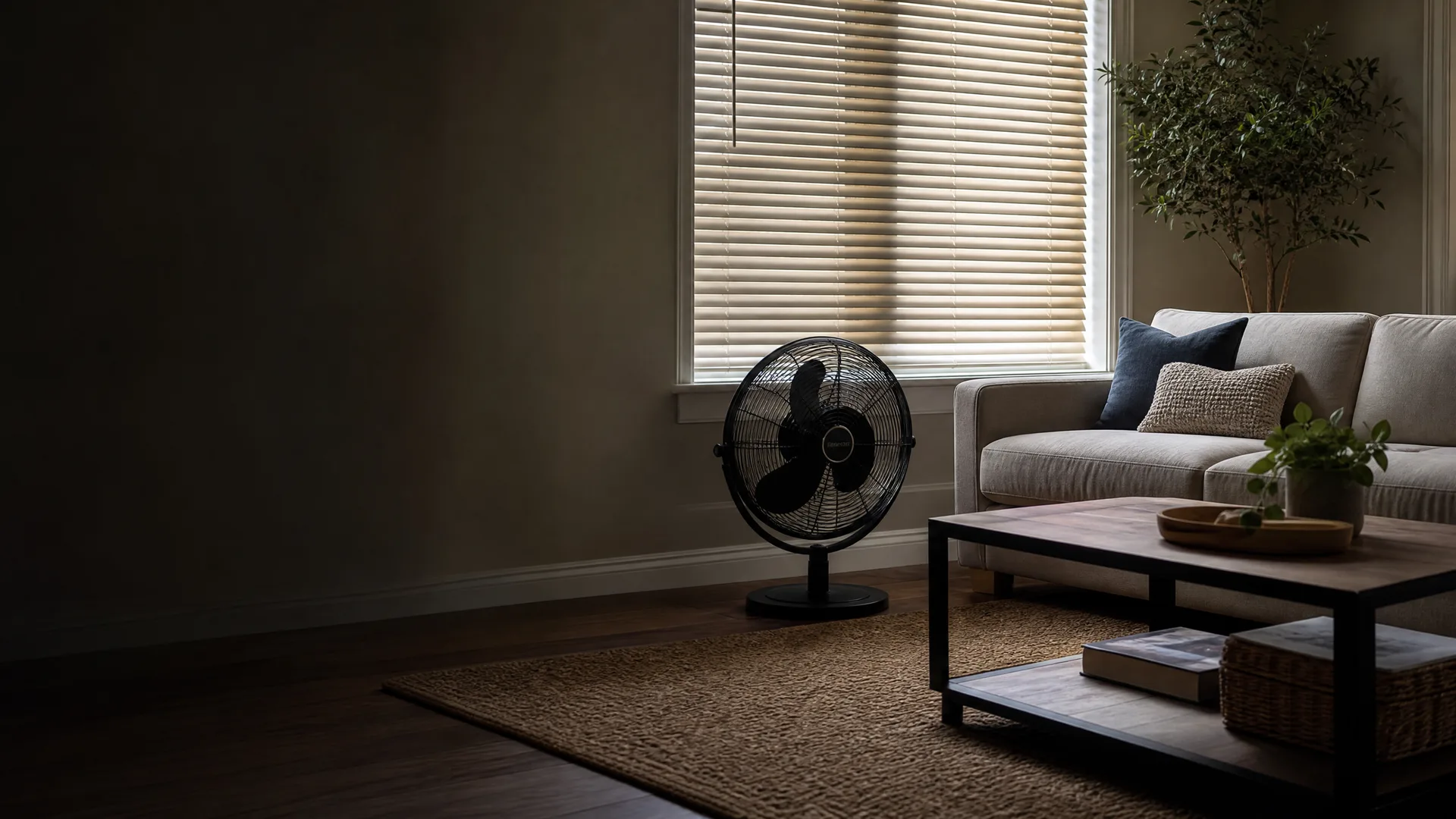
A dimly lit living room with a black table fan on the wood floor near a window with closed blinds, beside a light-colored sofa with cushions, a wooden coffee table, a woven rug, and a potted tree.

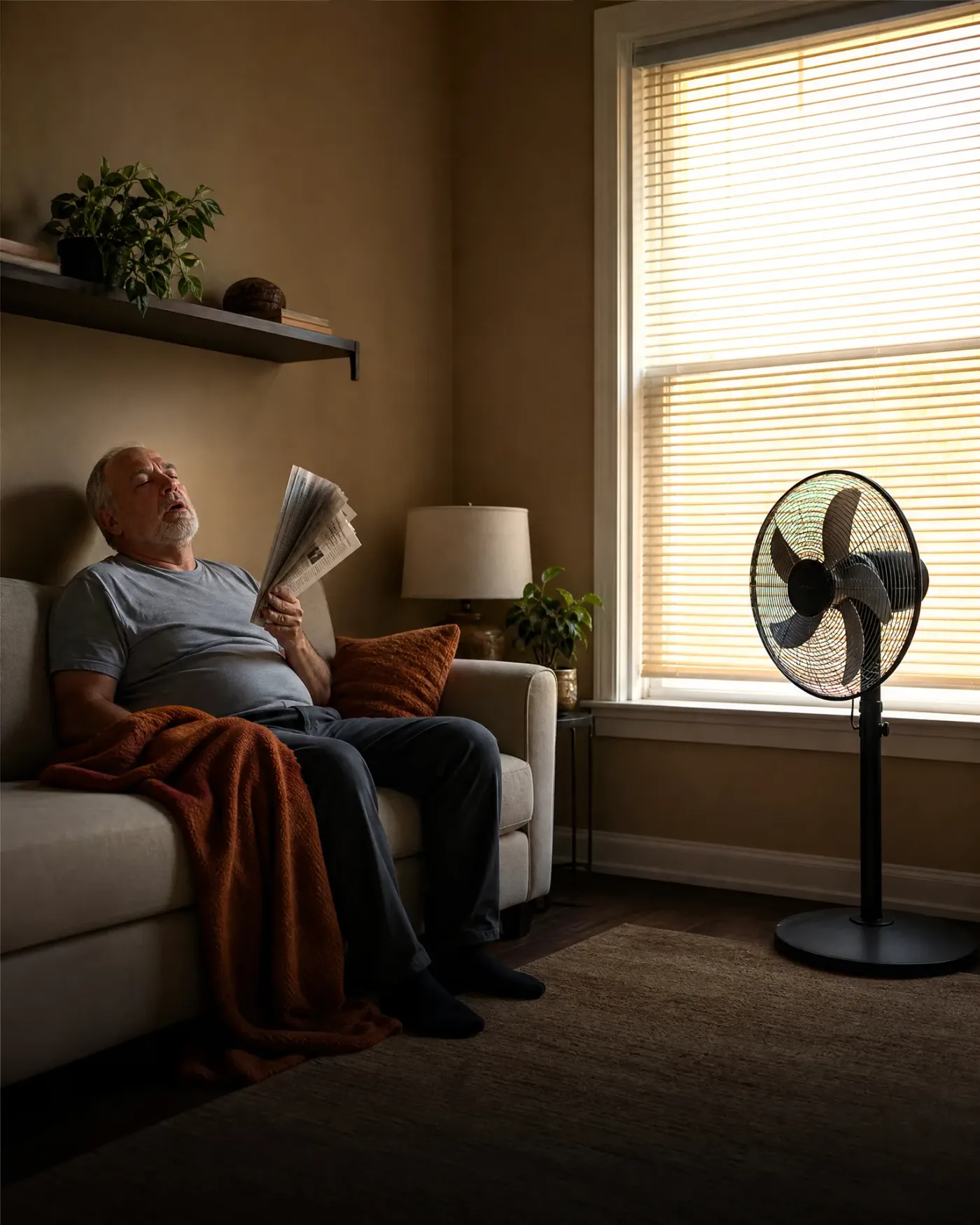
By three in the afternoon the blinds are shut against the sun and the floor fan is going full speed next to the couch, but the air coming out of the vent feels thin. You've already been to the panel once today. The outside unit hums, strains, then clicks off, and the house goes quiet except for the fan. You sit there a minute hoping it starts back up on its own. It doesn't. You know the walk to the breaker box by now, past the kitchen, down to where it's cooler, and you reset it again because it's July in North Carolina and the living room is already starting to feel like the porch.

A breaker that keeps tripping is telling you the compressor or fan motor is pulling more current than the circuit can carry, and resetting it again won't change that. The cause is mechanical: a dirty coil, a failing capacitor, a compressor working harder than it should. Finding a licensed contractor in North Carolina who can get to the panel and the condenser and actually trace the draw takes time most people don't have when the house is sitting at 80 degrees. Once you send the form, you're done hunting through listings, calling shops to see who answers, and explaining the same thing three times over. Someone who works on this kind of problem takes it from here. The AC still needs a real repair, and that part takes what it takes, but the part where you track down who can do it is off your plate.

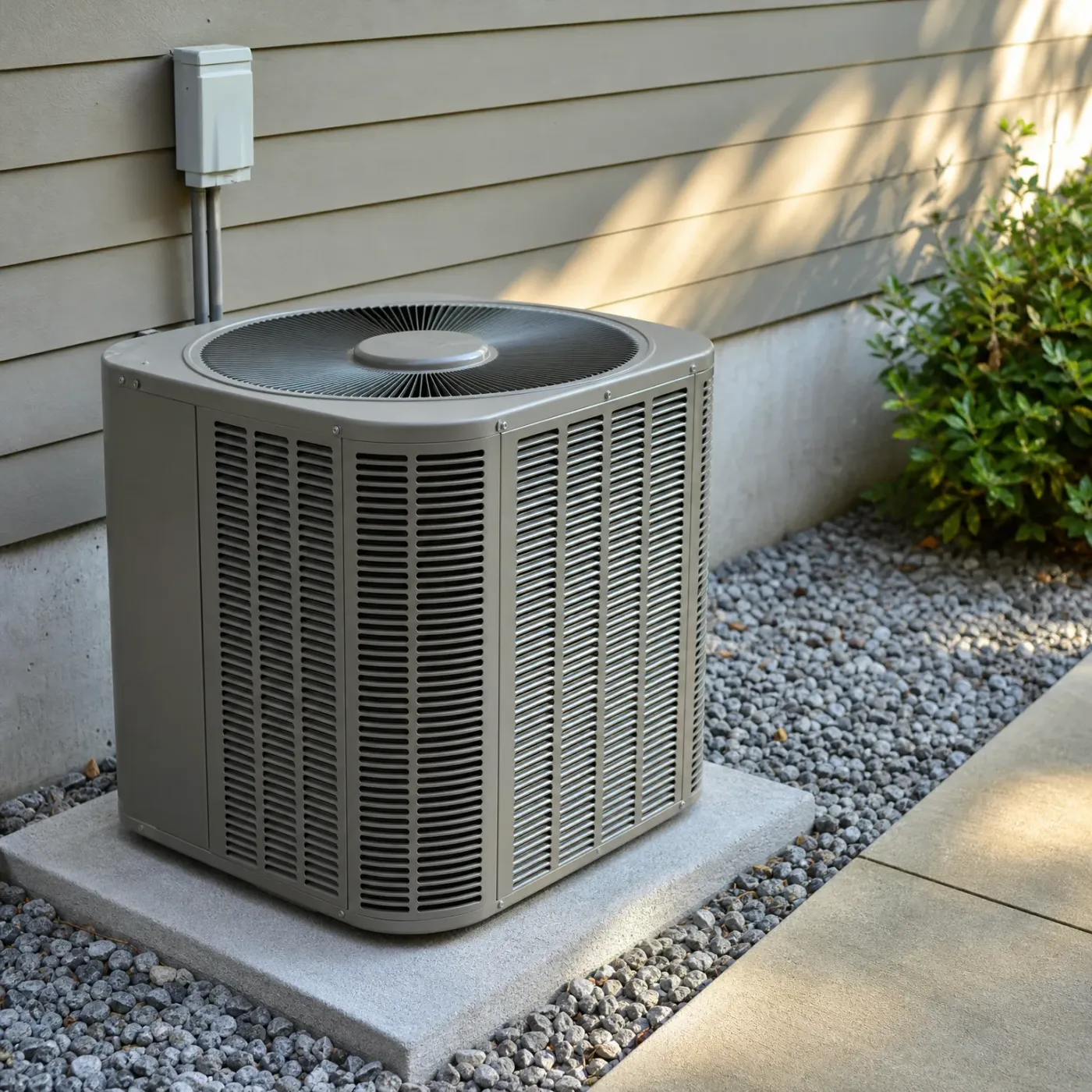
A gray outdoor air conditioning condenser unit on a concrete pad beside a house with horizontal lap siding, surrounded by gray gravel, with a shrub and concrete walkway to the right and an electrical disconnect box on the wall above.

Hand off the air conditioner problem

Send it today

Describe your air conditioner job once, to one pro.

Sending the form costs nothing.