


AC keeps tripping the breaker in Clayton, NC

RepairCentral ACJohnston County, NC
Step 1 of 2

What ZIP code is the job in?

A breaker that trips every time your AC kicks on usually means the unit is pulling more current than the circuit can handle. Most often that's the compressor, the part in the outdoor unit that does the hard work of running the system, drawing too much power because of a bad start capacitor, a worn contactor, or a motor that's wearing out. It can also be a wiring problem or a breaker that's simply gotten weak with age and trips below its rated load. With Clayton summers running hot and muggy for months at a time, your AC is likely cycling on and off all day, and every one of those starts puts a load on the compressor. A unit already struggling to start will trip the breaker more often as the weather gets hotter, not less. Running it this way risks burning out the compressor entirely, which costs far more to fix than whatever is causing the trip right now. This isn't a job to keep testing yourself by flipping the breaker back on. It needs a licensed technician to find which part is actually drawing the extra current.

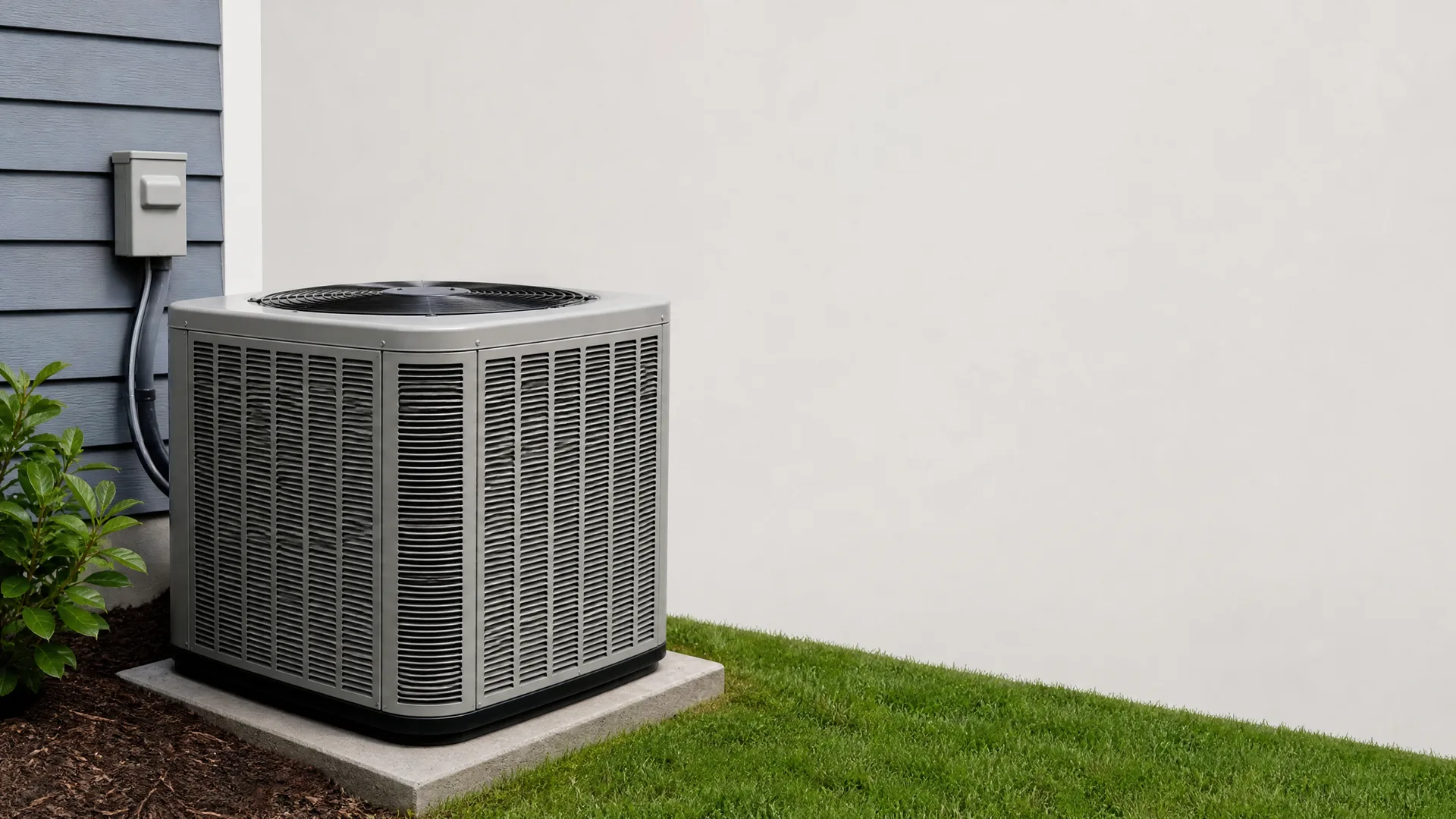
An outdoor air conditioning condenser unit sits on a concrete pad beside a house, next to blue siding with an electrical disconnect box, with a shrub, mulch bed, and lawn nearby.

Why the compressor draws too much

A compressor under strain pulls more amps than it should. Low refrigerant, a failing capacitor, or dirty condenser coils outside all make the compressor work harder to do the same job. That extra draw can push the circuit past what the breaker is rated for. In Clayton's heat, a unit already working overtime to keep up has less room for that kind of strain before it trips.

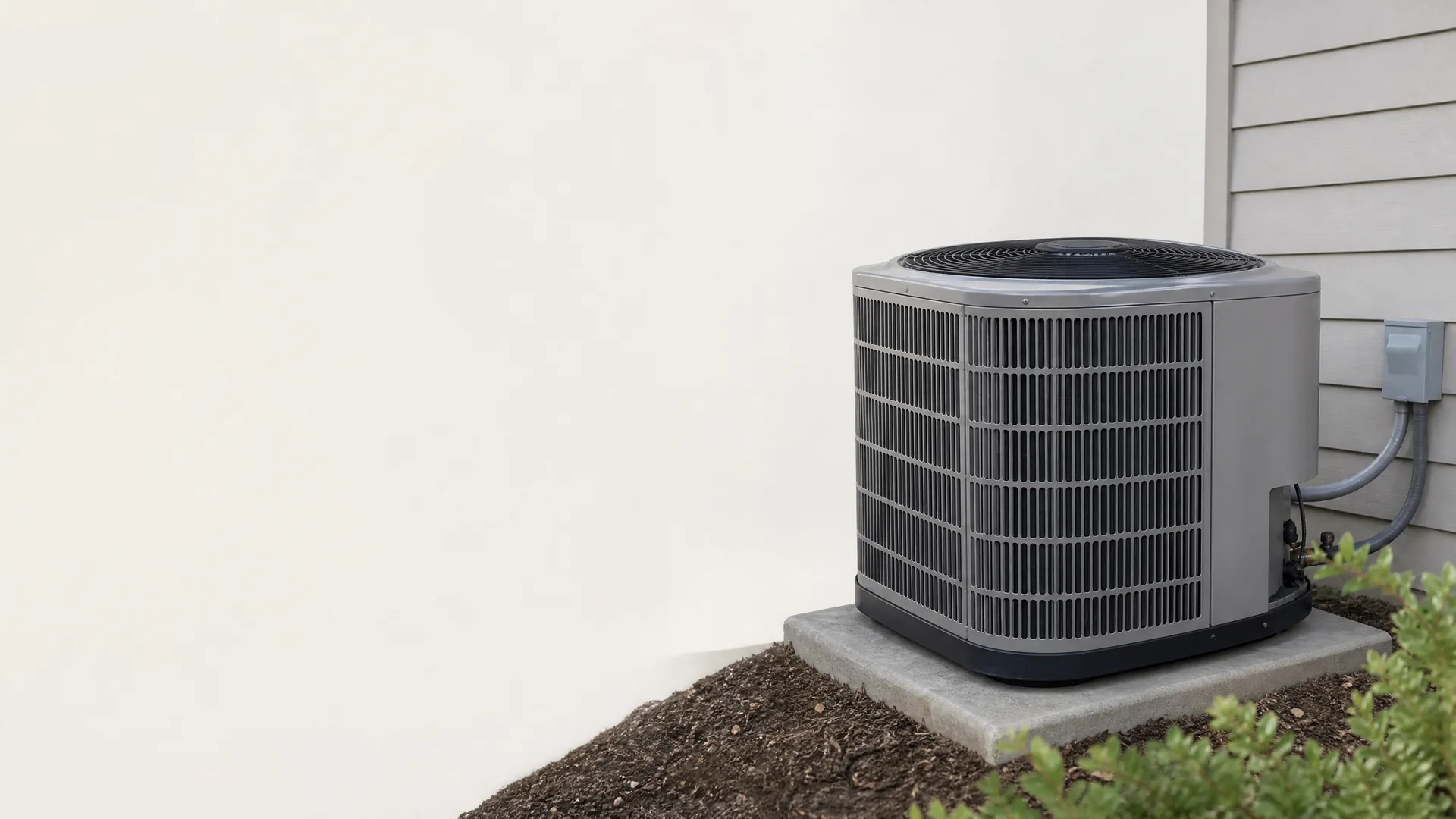
A gray outdoor air conditioner condenser unit sits on a concrete pad beside a light-colored wall and lap siding, with a wall-mounted electrical box, conduit, soil and green shrubs in the foreground.

What a breaker protects against

A breaker is built to cut power before wiring overheats. If yours trips the moment the outdoor unit kicks on, that is the breaker doing its job, not failing at it. Resetting it and running the AC again without finding the cause can let a bad compressor or a wiring fault keep drawing current it shouldn't. A licensed contractor can test the circuit and the unit separately to find which one is pulling too much.

A woman in a cream cardigan and jeans stands with one hand raised facing an open front door of a gray horizontal-siding house, with a black lantern wall light, a potted shrub with yellow flowers, and a stone-faced porch column.

A breaker that keeps tripping is telling you something is wrong right now

Every time the compressor pulls too much current and the breaker snaps off, your AC stops mid-cycle. On a Clayton afternoon in July that means the house starts warming up fast, and resetting the breaker just sends the same overloaded compressor back into the same fight. Some homeowners reset it two or three times a day without realizing each trip is the panel protecting the wiring from a part that's already struggling.

Leave it alone and the compressor doesn't get better on its own. A unit that keeps drawing too much current can overheat internally, and a compressor that fails is one of the more expensive parts of the whole system to replace. A local contractor who services AC units around Johnston County every summer can check the capacitor, the charge, and the coils before the compressor itself takes the damage, and get matched with your call instead of several companies working the same lead.

Interior corner of a room with a dark upholstered sofa and textured cushion, a potted plant, sheer curtains at a multi-pane window showing blurred green and yellow trees, and a dark table holding a wooden tray with stacked coasters and a small ceramic vase.
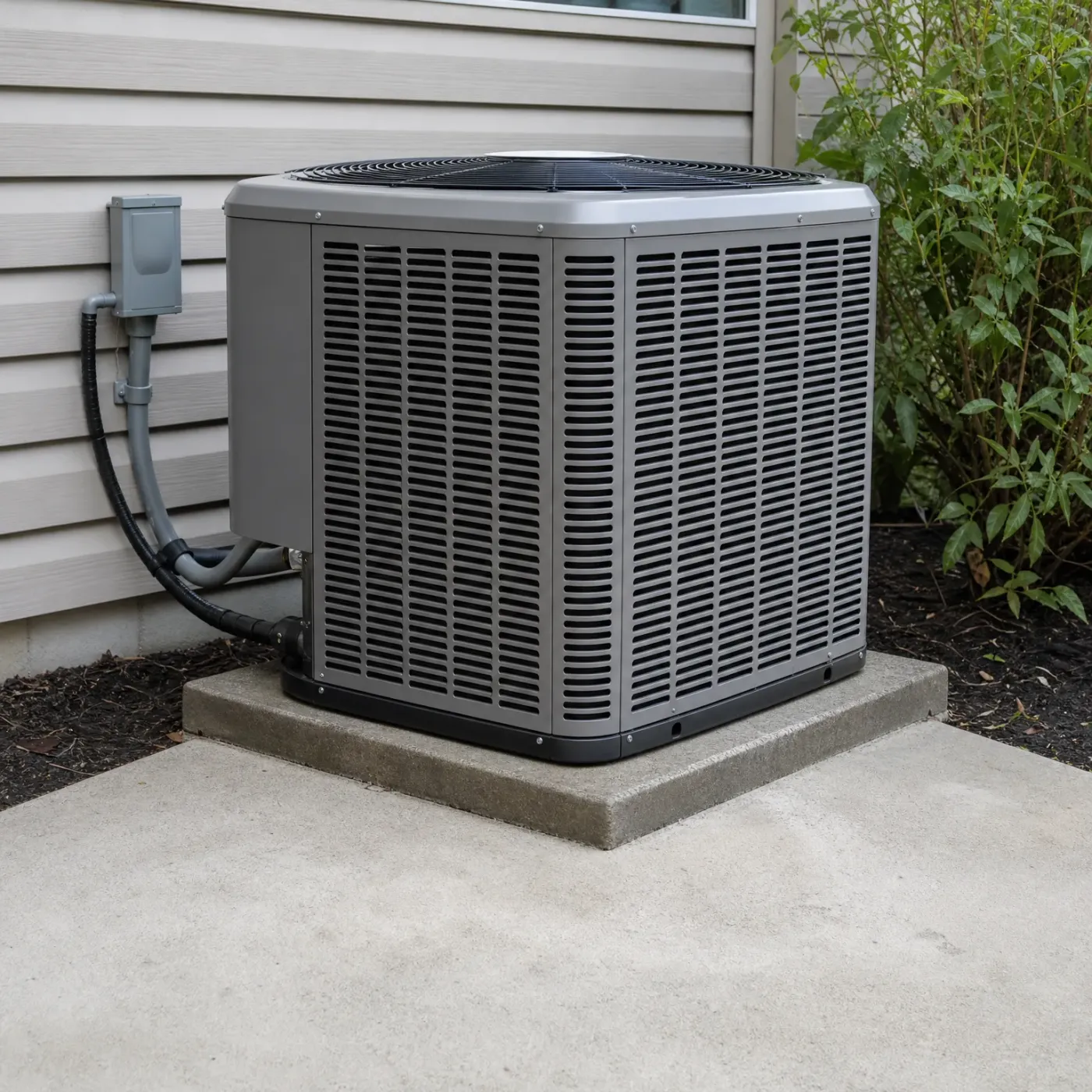
A gray outdoor air conditioner condenser unit on a concrete pad beside a house with light vinyl siding, with an electrical disconnect box and conduit on the wall and a leafy shrub with dark mulch to the right.

Running the way it should

A condenser that cycles on and holds the breaker is pulling a steady, normal amount of current. It sits on the pad, runs its cycle, shuts off, and the breaker never notices. Nothing about the outdoor unit is working harder than it has to.
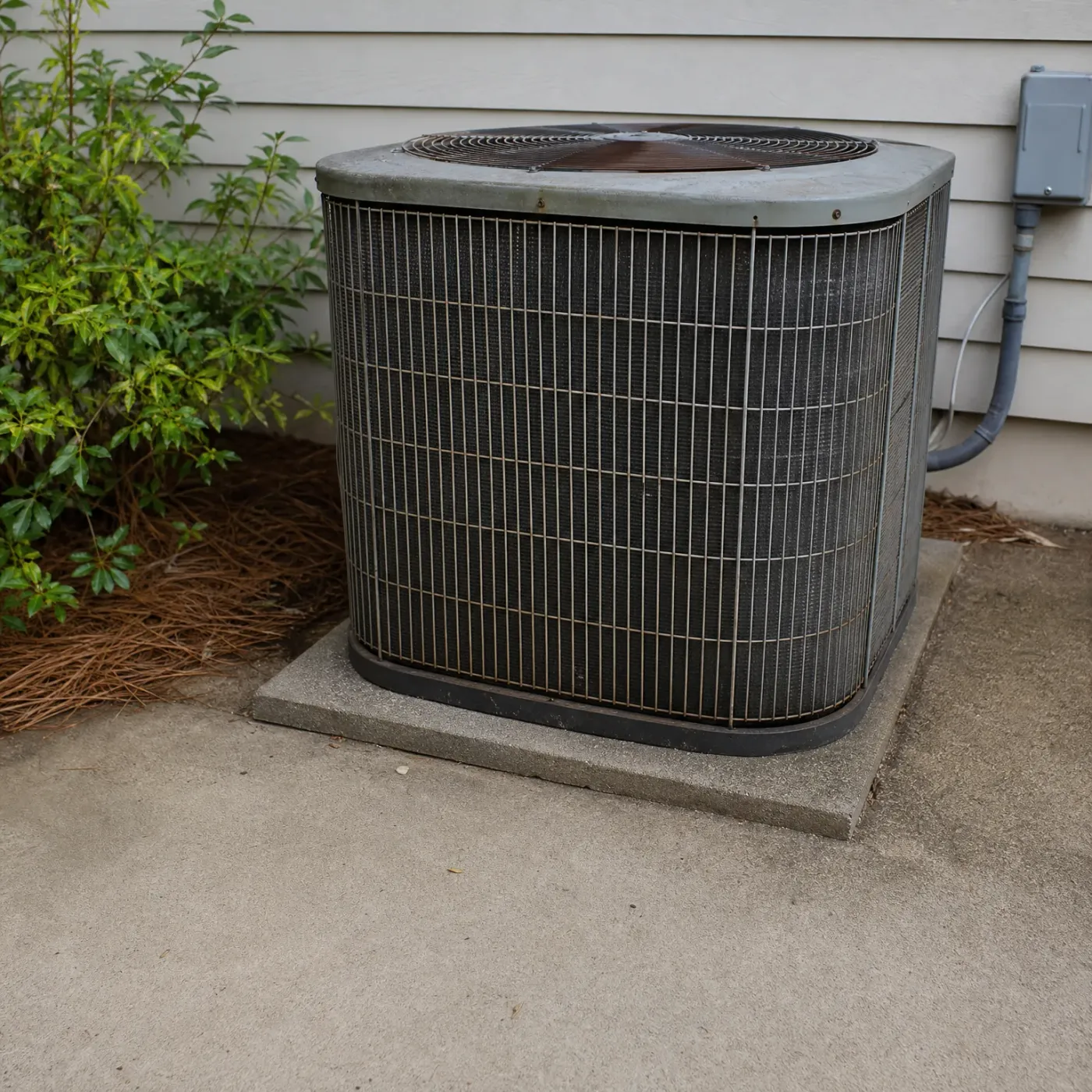

An outdoor air conditioner condenser unit on a concrete pad beside a house with horizontal lap siding, with a gray electrical disconnect box and conduit on the wall and a green shrub over pine-needle mulch at left.

Pulling more than the circuit allows

A grille packed with dirt and pine needles blocks the airflow the condenser needs to shed heat. The compressor inside has to work past what it's built for, the amp draw climbs, and the breaker trips to stop it before something burns out.

A middle-aged man with gray hair and a beard, wearing a dark green sweater, sits on a light sofa in a sunlit living room with large windows, a potted plant, and a dining area in the background.
A gray-haired man in a dark green ribbed sweater sits on a light sofa in a living room, looking toward a sunlit curtained window with a potted plant and lamp nearby.
A gray-haired man in a navy button-up shirt over a white tee sits on a light gray sofa in a living room, looking off to the side, with a window, houseplant, framed picture and shelving behind him.
A man with gray hair and a beard wearing a dark green shirt jacket over a navy top sits on a gray sofa in a living room, looking to the side, with a window, potted plant and shelving in the background.

Breaker trips once, then holds

Sometimes a breaker trips once and the AC runs fine after that for the rest of the summer. A storm flickers the power, or the system happens to start up at the same moment a refrigerator or well pump does, and the combined draw is enough to trip it that one time. Reset it, and if the unit runs through a full cycle and shuts off on its own without tripping again, the circuit likely isn't the problem. Keep an eye on it over the next few hot afternoons. A single trip with no repeat isn't the same thing as a pattern, and it doesn't call for the same response.

Same breaker, trip after trip

A breaker that trips every time the compressor starts, or partway through every cycle, is a different situation. That's not a coincidence of timing. Something in the outdoor unit is drawing too much current on a regular basis, and resetting the breaker only buys a few minutes before it happens again. Leaving it to keep resetting itself isn't a safe habit. A breaker that trips repeatedly is doing its job by cutting power before the wiring overheats. The fix is finding why the compressor is pulling that much current, not working around the breaker. That's a job for someone who can check the unit itself.

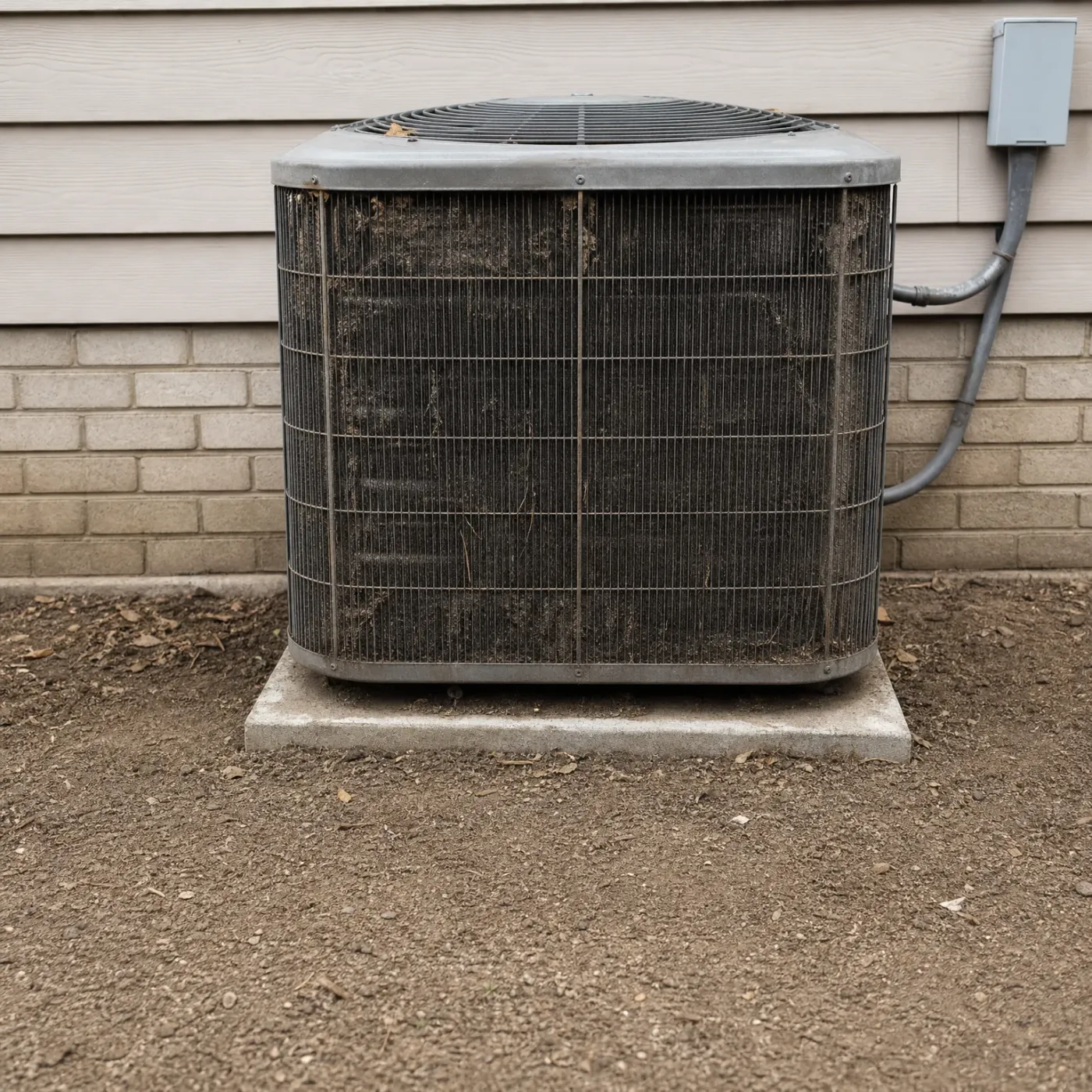
A dirty outdoor air conditioning condenser unit on a concrete pad beside a house wall with horizontal siding above a painted brick foundation, with a gray electrical disconnect box and conduit on the wall.
Before you get your air conditioner repair
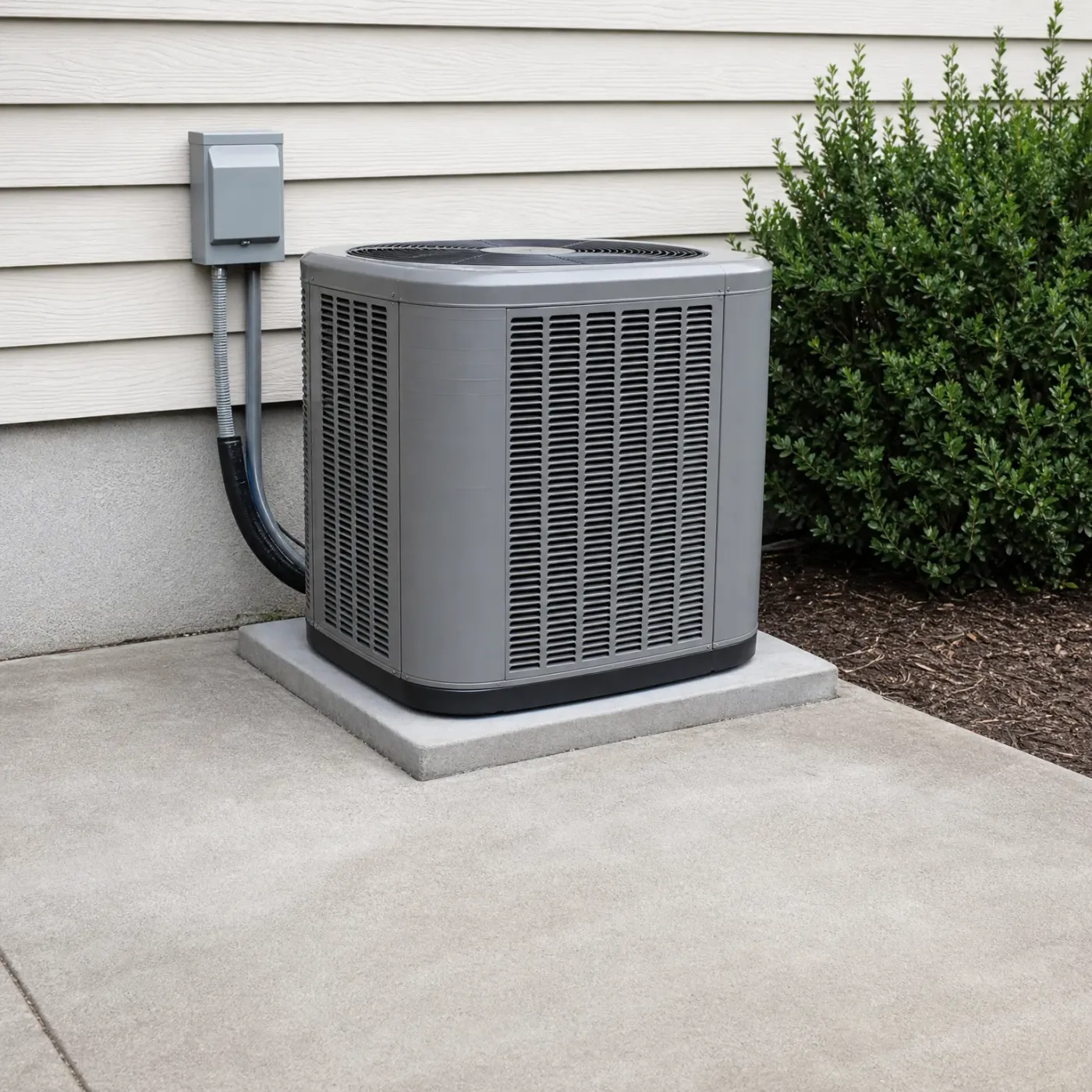
A gray outdoor air conditioning condenser unit on a concrete pad beside a house with horizontal lap siding, with a wall-mounted disconnect box and conduit to the left and a green shrub with mulch to the right.
After you get your air conditioner repair
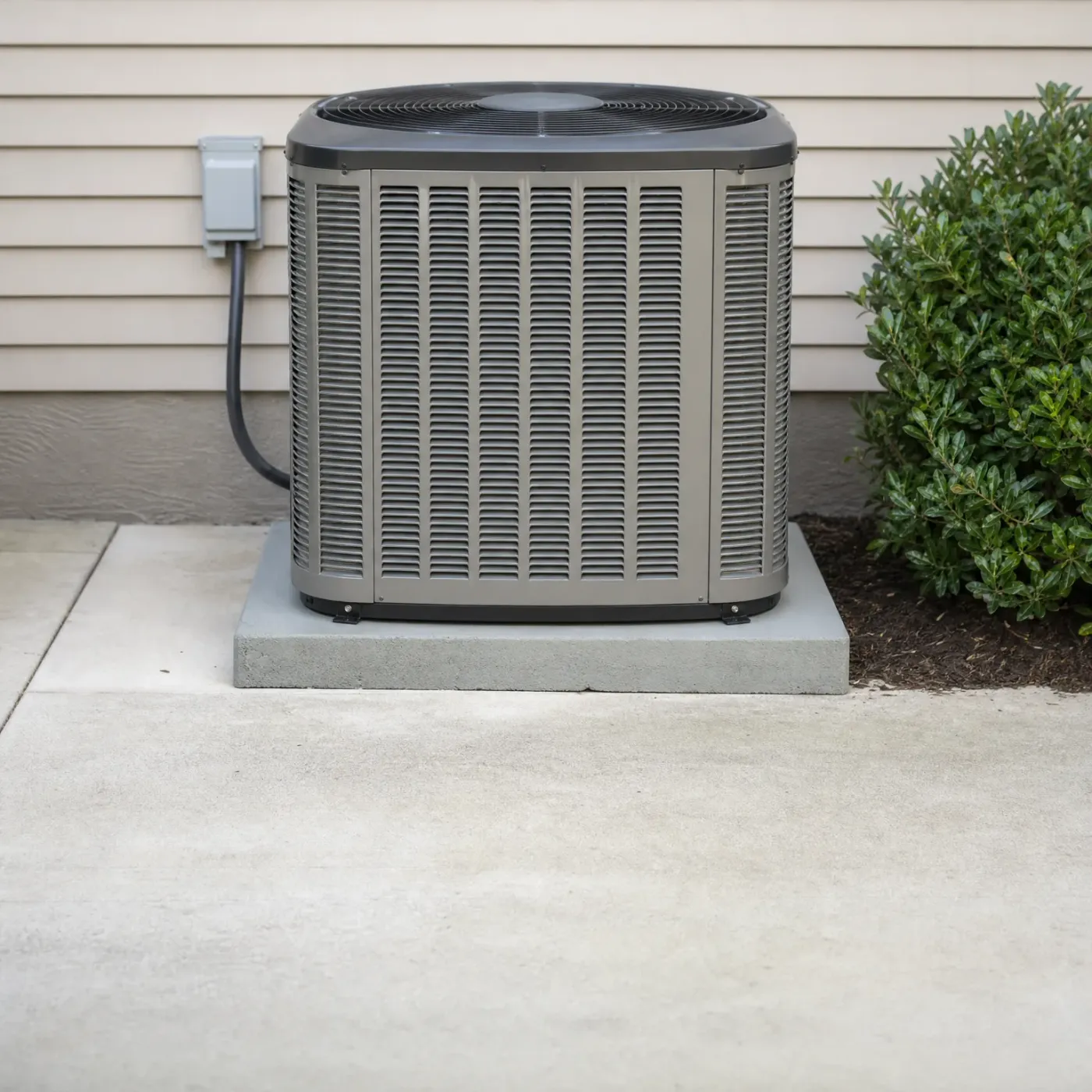
An outdoor air conditioning condenser unit on a concrete pad beside a house with horizontal lap siding, with an electrical disconnect box and conduit on the wall and a green shrub to the right.

The outdoor unit as it should look

The disconnect box sits mounted on the siding, conduit running down clean to the condenser below. The pad is clear, the shrub beside it trimmed back, nothing blocking the airflow the unit needs to shed heat during a cycle.

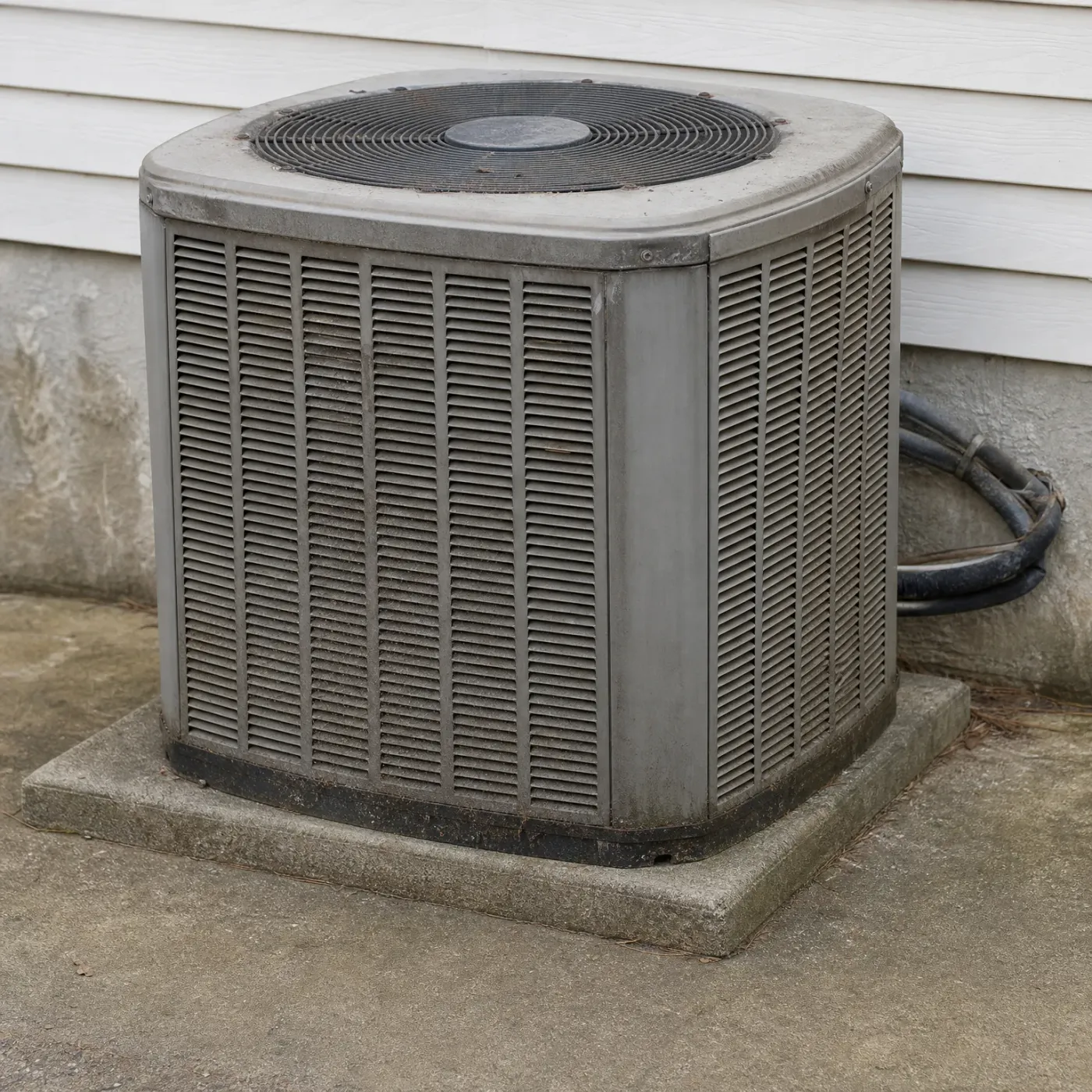
An outdoor air conditioner condenser unit on a concrete pad beside a house with horizontal siding and a lower concrete foundation wall, with coiled refrigerant lines at right.

The outdoor unit under strain

Dirt and weathering cover the louvered panels and the fan grille on top. Coils caked like this make the compressor push harder to move the same heat, and that extra draw is what sends a breaker tripping.

Why does your AC trip the breaker every time it kicks on?

You hear the compressor start outside, then a click, and the house goes quiet. Walk to the panel and the breaker for the AC has flipped to the middle. You reset it, the unit runs a few minutes, and it trips again. Some houses see it happen every time the unit cycles on, others only on the hottest part of the day when the system runs longest. Either way, resetting the breaker over and over doesn't fix what's pulling the extra current, and leaving it alone means the AC may stop running altogether during a stretch of July or August when the house needs it most. A breaker that won't hold anymore has usually had enough.

A woman with shoulder-length brown hair, wearing a beige knit cardigan, white top and a small gold pendant necklace, sits in a light upholstered armchair and looks toward a window with green foliage outside; shelves with framed photos are behind her.
A woman with her hair in a bun sits on a couch with a sleeping child resting against her, both wrapped in a cream knit blanket, with a lit floor lamp, houseplant and dark window behind them.
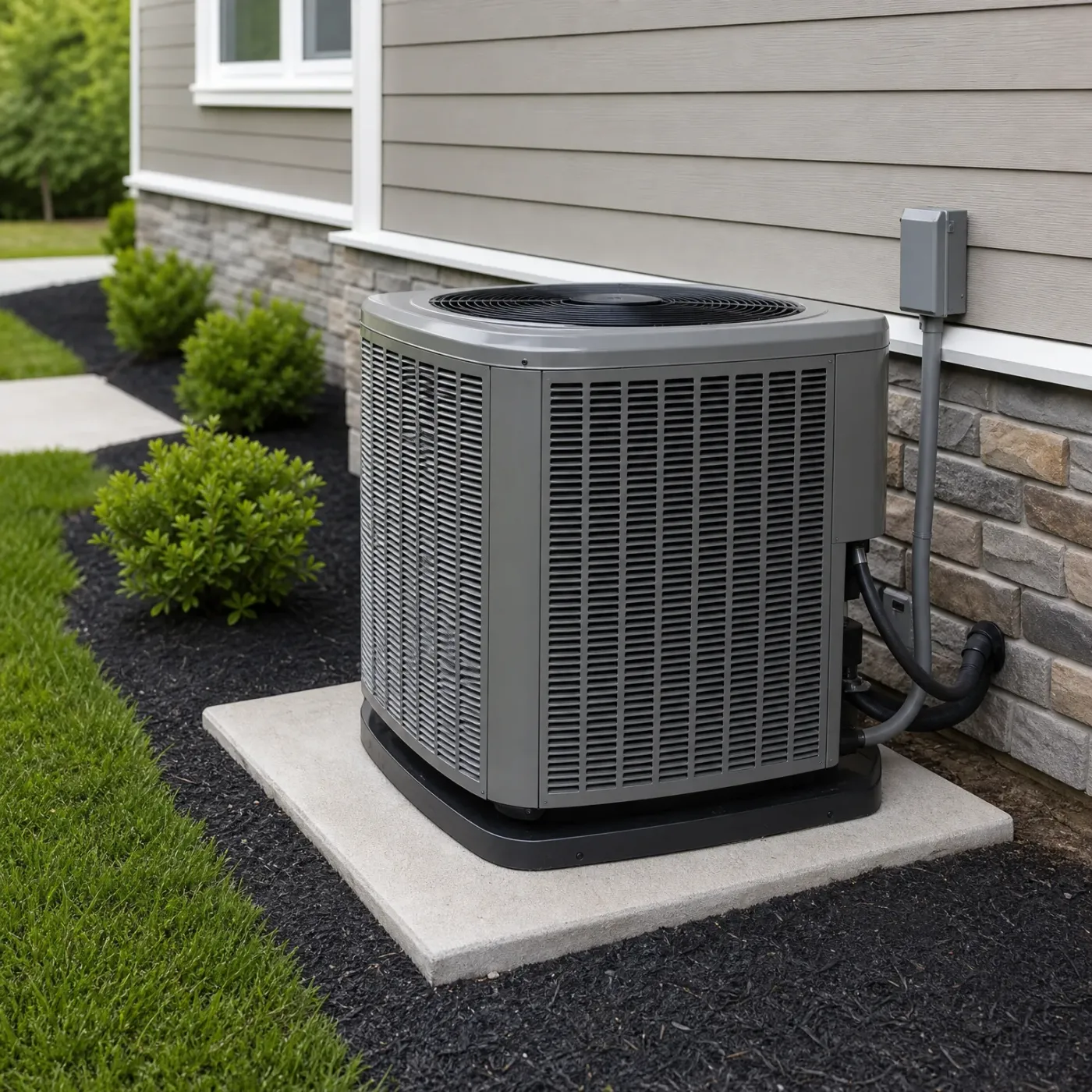
A gray outdoor air conditioner condenser unit on a concrete pad beside a house with horizontal siding and a stone veneer base, with a wall-mounted disconnect box, conduit and refrigerant lines, surrounded by black mulch, shrubs and lawn.

Get matched with an air conditioner pro in Johnston County

A licensed pro who repairs air conditioners in Johnston County gets your request.

Get matched with someone who does this kind of work in Johnston County.

Get a licensed local pro

You're not committing to anything by asking.

A gray outdoor air conditioning condenser unit on a concrete pad beside a house with horizontal lap siding, with a wall-mounted electrical disconnect box and refrigerant lines, shrubs, mulch and lawn around it.
A clean condenser with clear airflow around it draws what the compressor actually needs to run.
An outdoor air conditioner condenser unit on a concrete pad beside a house wall with stucco lower section, horizontal siding above, and a white downspout to the right.
Grime packed into the fins and a unit boxed in like this make the compressor work harder than the breaker allows for.
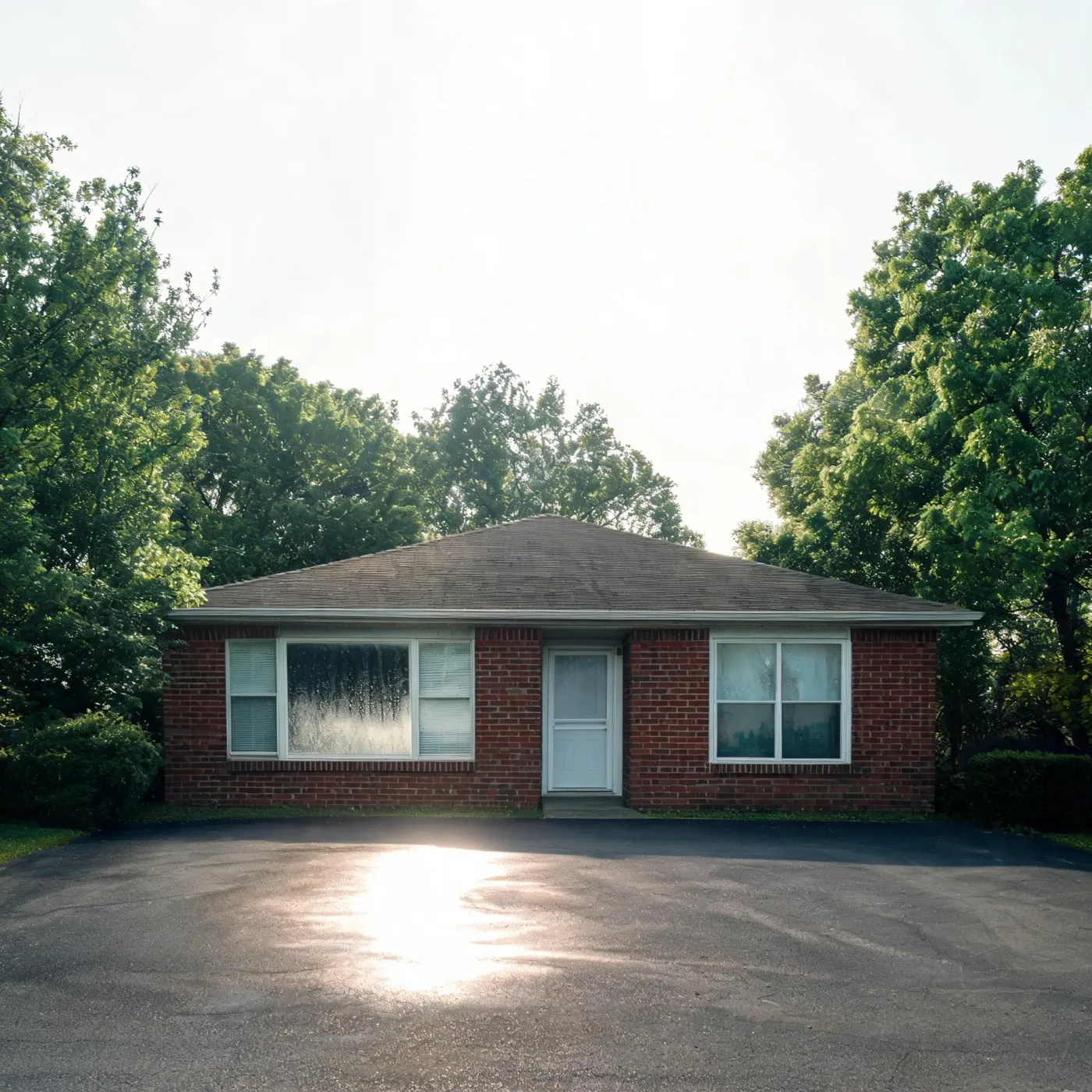
A single-story red brick building with a hipped shingle roof, a white door and white-framed windows, fronted by a large asphalt parking area with sun glare, surrounded by green deciduous trees under a bright hazy sky.

A National Weather Service summer average puts the dew point at 68°F across Johnston County for June, July and August. That's heavy, sticky air, the kind that sits on your skin the moment you step outside. Your AC has to pull more moisture out of that air to cool the house, which means the compressor runs longer and harder on every cycle just to keep up. A unit already struggling, weak capacitor, low refrigerant, dirty coils, feels that extra load first on the muggiest afternoons, and that's often when a breaker that's been borderline all season finally trips.

NASA POWER T2MDEW

Reset Again, or Find the Cause

Reset and hope

  • You flip the breaker back and the AC runs, so it feels solved until the next time it trips.
  • A compressor that's already drawing too much current doesn't fix itself between cycles, it just waits for the next one.
  • Each trip is a moment the breaker did its job and cut power before something got hot enough to damage wiring.
  • Resetting it a second or third time in the same day asks the breaker to keep protecting a system that keeps pulling too hard.
  • Nothing about the dirty coil, the weak capacitor, or the low refrigerant changes just because the breaker reset cleanly.
  • The house keeps losing cooling for however long it takes you to notice and walk to the panel again.

Get it diagnosed

  • A licensed contractor checks the amp draw against what the compressor is rated for and finds where the extra current is coming from.
  • Testing the capacitor, checking refrigerant charge, and inspecting the condenser coils narrows the cause instead of guessing at it.
  • Someone local who services this equipment every Clayton summer knows which of those usually fails first in units like yours.
  • Fixing the actual draw means the breaker stops tripping because the compressor stops pulling more than the circuit allows.
  • One contractor means one visit and one diagnosis, not several companies calling about the same breaker.
  • The AC runs its full cycle and shuts off on its own instead of getting cut short by the panel.
  1. The compressor starts and current rises to get it turning.

  2. A weak part or dirty coil makes it draw more than it should.

  3. Current climbs past the amp rating stamped on the breaker.

  4. The breaker senses the overload and opens the circuit.

Cooling runs May through September

Five months of the year, your AC in Clayton is working for its living, not just cycling on for an afternoon here and there. A breaker that trips once in May and gets worse by July is a compressor problem getting worse under a longer load, not a fluke that'll pass.

NOAA nClimDiv 1991-2020

What the trip is telling you

  • A breaker that trips when your AC kicks on points to the compressor pulling more current than the circuit allows.
  • Resetting the breaker gets the house cool again for a while, but it doesn't stop the next trip.
  • A contractor matched to your job is licensed to work on your system and local to Clayton and Johnston County.
  • Someone who services AC units here all summer has likely already seen what's wearing on your compressor.
  • You'll hear from one contractor, not a handful of companies competing for the same call.
  • The sooner the cause gets checked, the less strain your compressor carries into the rest of the summer.

A tripped breaker isn't bad luck. It's the panel doing its job, cutting power before a compressor pulling too much current does worse damage. Reset it and the house cools down, but nothing about the compressor changed. Whatever made it draw extra current, a weak capacitor, a dirty condenser, low refrigerant, is still there waiting for the next cycle. Clayton summers run long, and a compressor under strain in May usually isn't better by August. It's worse, because every cycle between now and then is another cycle pulling current it shouldn't.

Getting it looked at means a contractor who knows this equipment, not a general search result. The one you're matched with is licensed to do the work and local to Johnston County, which means they've likely stood in front of a condenser like yours before, on a pad like yours, in this same heat. That's worth something when the question is why a specific compressor is drawing too much on a specific afternoon. You'll hear from that one contractor directly. No fielding calls from three or four companies at once, no repeating the problem to a new voice each time. Just someone who services this equipment all season, looking at what's actually wearing on yours, and telling you what they find. The breaker already told you something's wrong. What happens next is finding out what, before the strain gets worse.

Interior corner showing a white painted column with paneled trim and chair rail meeting a wall with baseboard, beside light wood cabinetry with black bar pulls and a ceramic vase, over dark hardwood flooring.
Interior corner with a white-framed window showing green foliage, a pale wall with baseboard, light oak plank flooring, and a wooden cabinet with a dark ceramic vase on top.
A rustic wooden bench against a pale wall holds a weathered ceramic vase with leafy branches, below a black cone wall sconce, beside a window with sunlight falling on the wood floor.
A bathroom vanity with wood cabinets and a white marble countertop, black widespread faucet and undermount sink, a wood-framed mirror, a fabric-shaded wall sconce, a ceramic vase with green branches, and a window with white blinds.
Empty room corner with taupe walls, white wainscot paneling, crown molding, dark wood floor, and a double-hung window showing green foliage outside.

Find an air conditioner repair pro in Johnston County

The pro who gets in touch is licensed in North Carolina and works in Johnston County.

Connect with a pro

It costs nothing to send, and you don't have to hire anyone.