What This Means for Your House
- A dirty filter makes the system run longer to reach the same temperature, and that shows up as a higher bill before anything breaks.
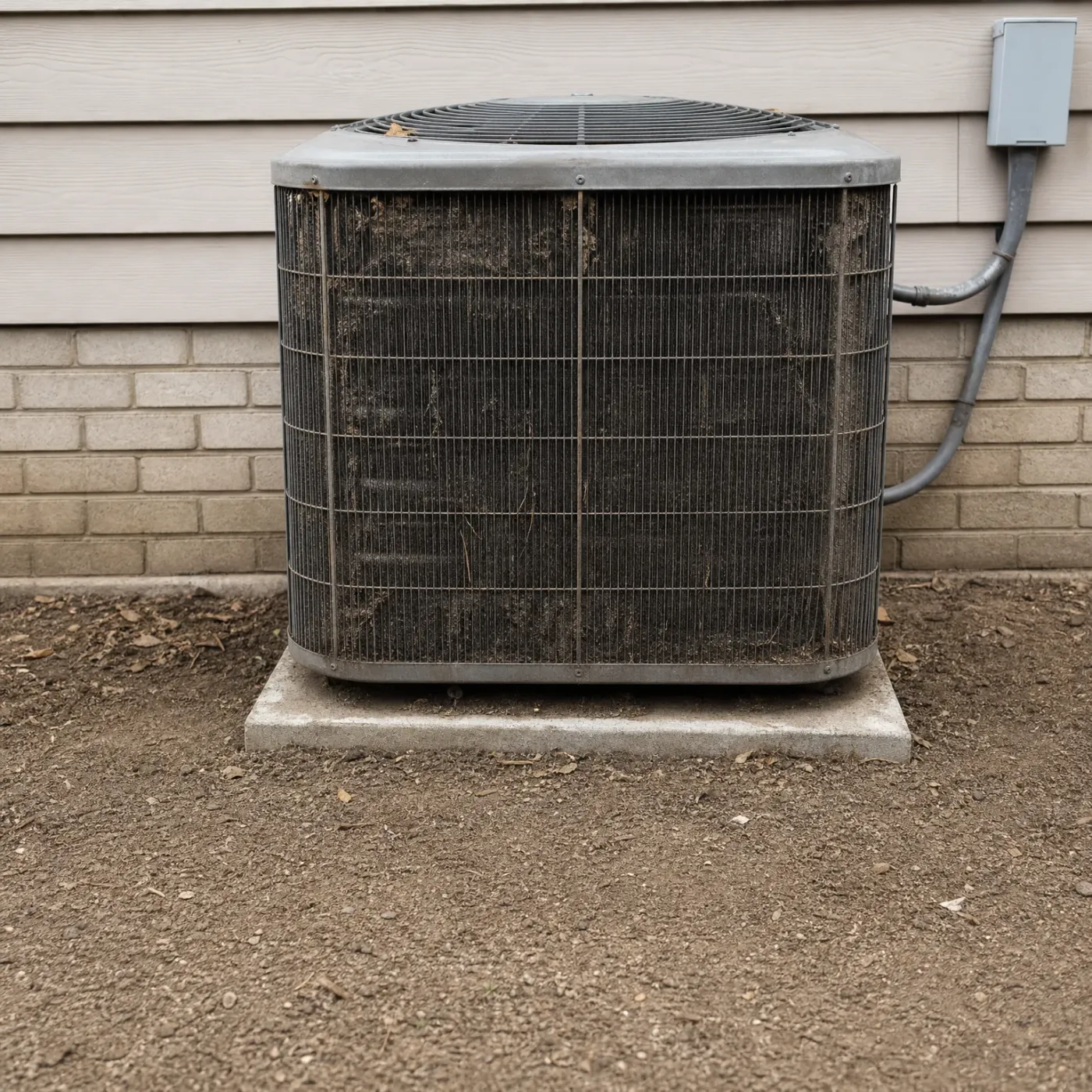
- If the outdoor unit can't get airflow through the coil, the house may still feel warm even with cool air coming from the vents.
- A tripped breaker that resets and trips again points to something a contractor needs to look at, not a fix to keep retrying.
- Warm air blowing from the vents when the thermostat is set low and the filter is clean usually means the problem is outside, not inside.
- Ice on the refrigerant lines or the indoor coil is a sign to shut the system off rather than let it keep running.
- A system that short cycles on and off puts more wear on the parts inside it than one that runs a full cooling cycle.
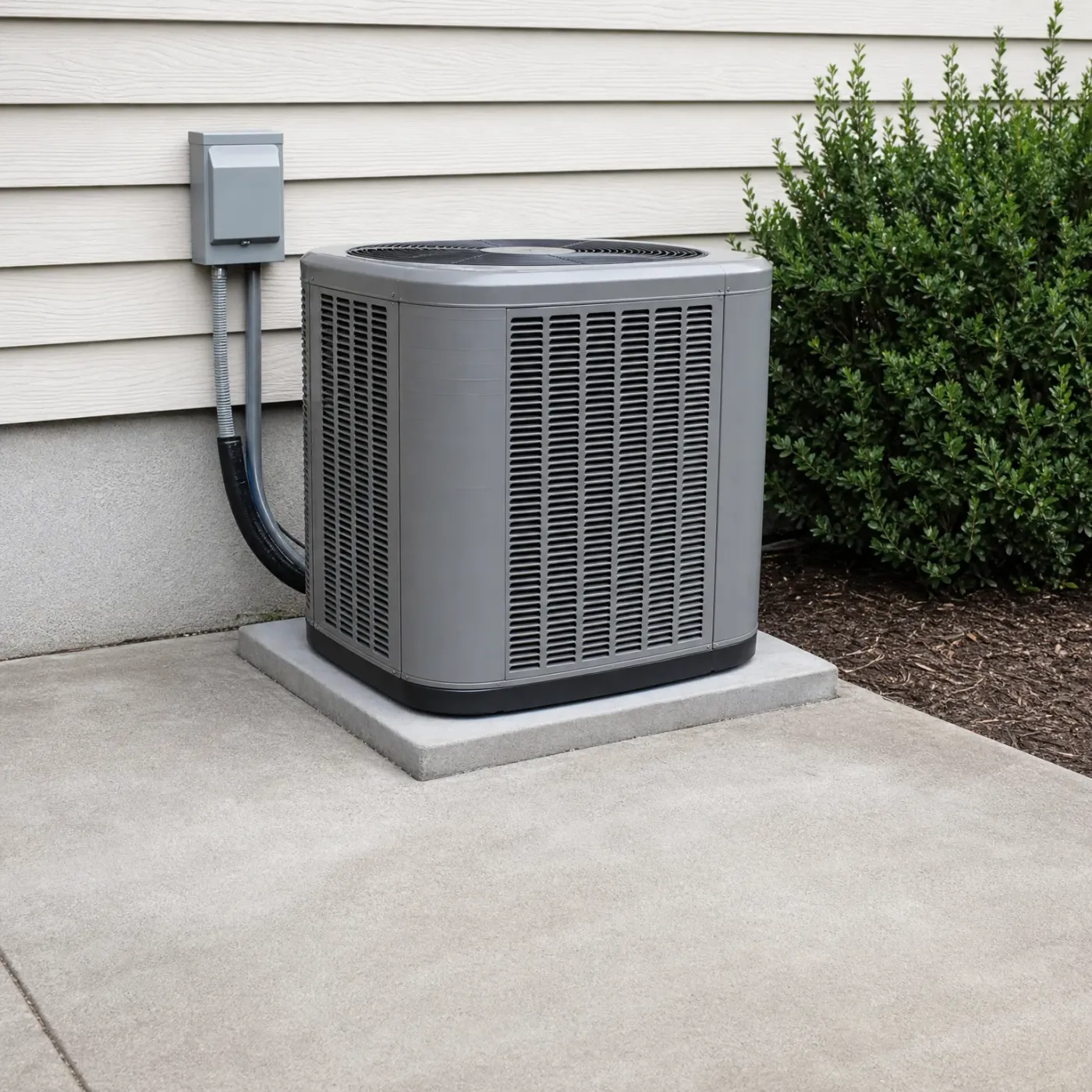
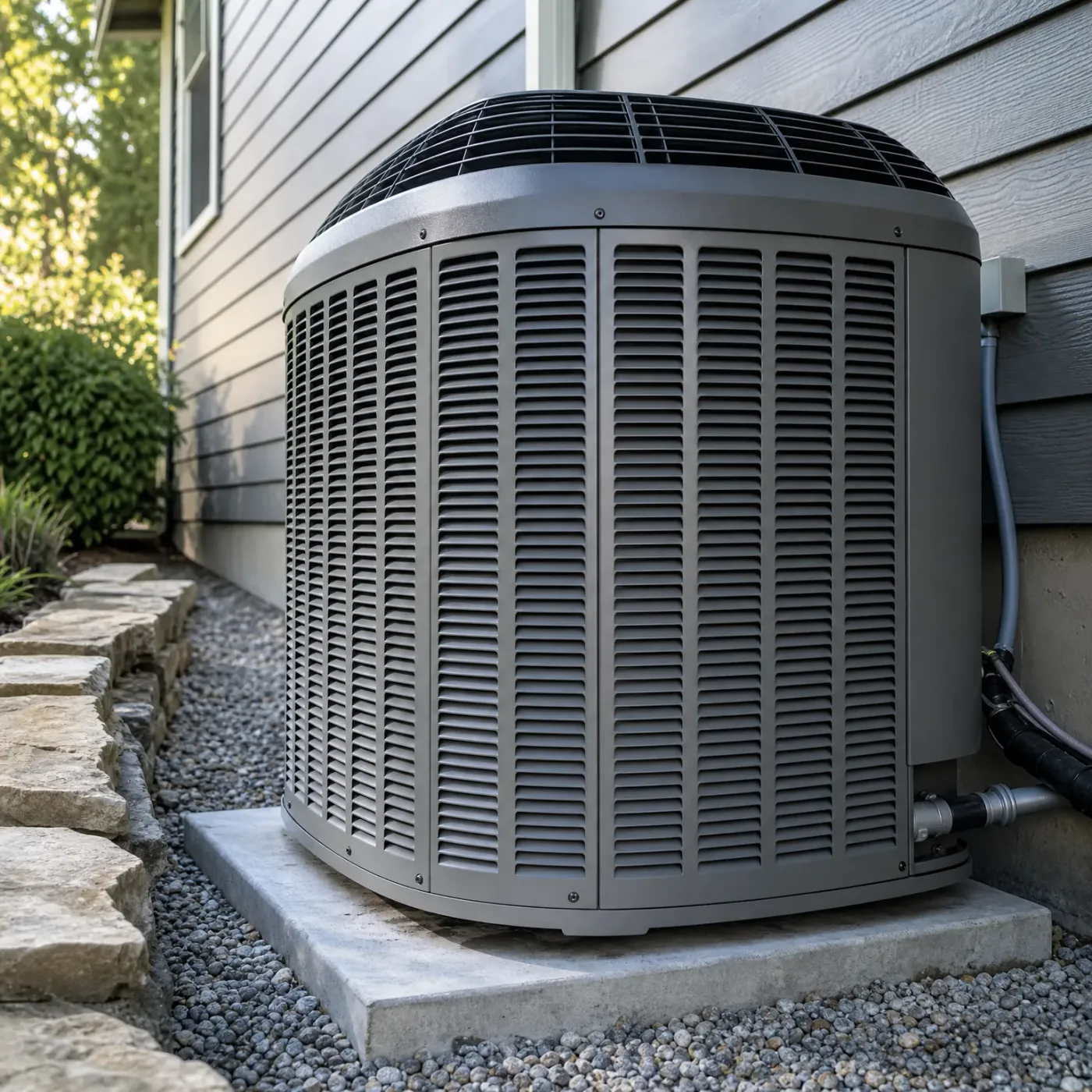
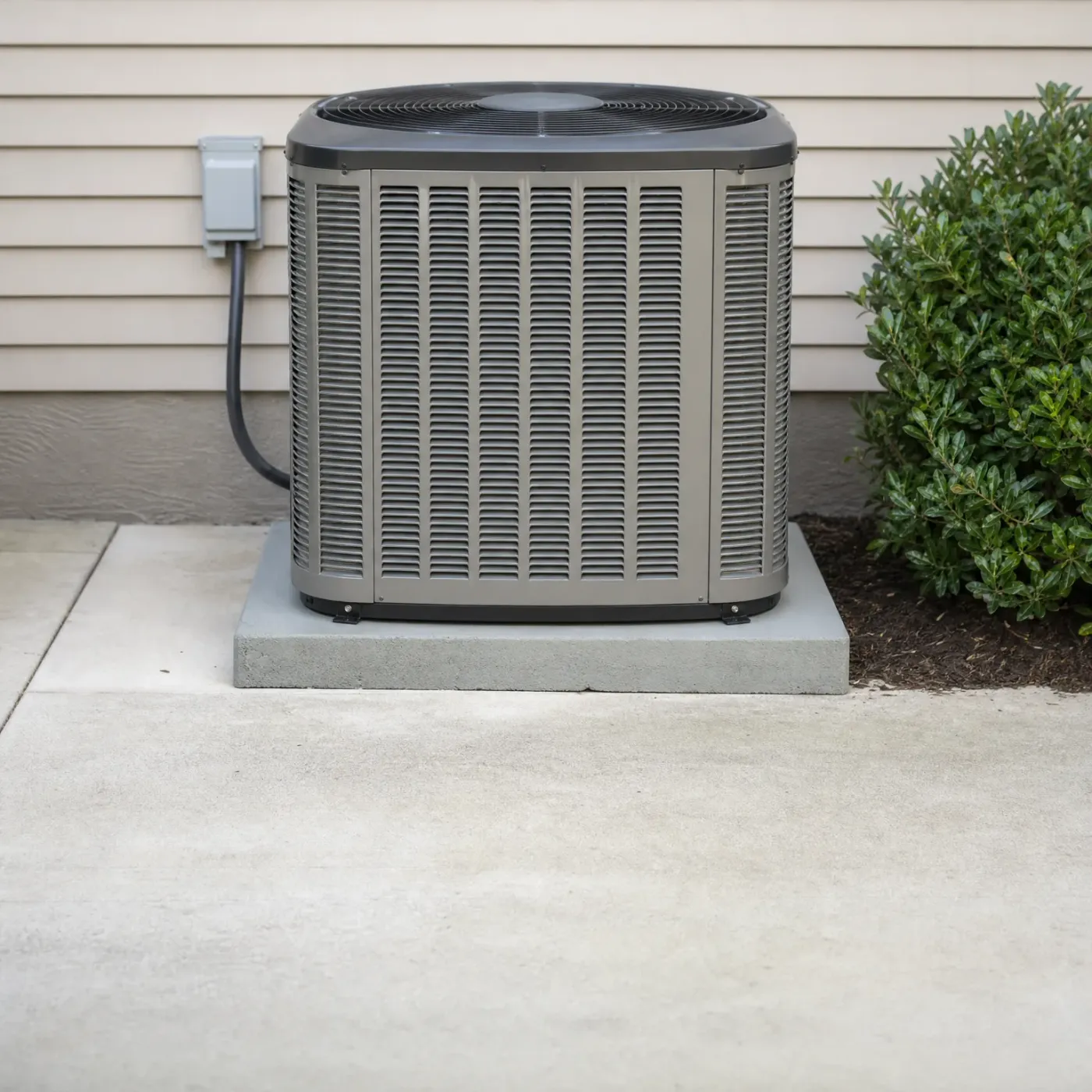
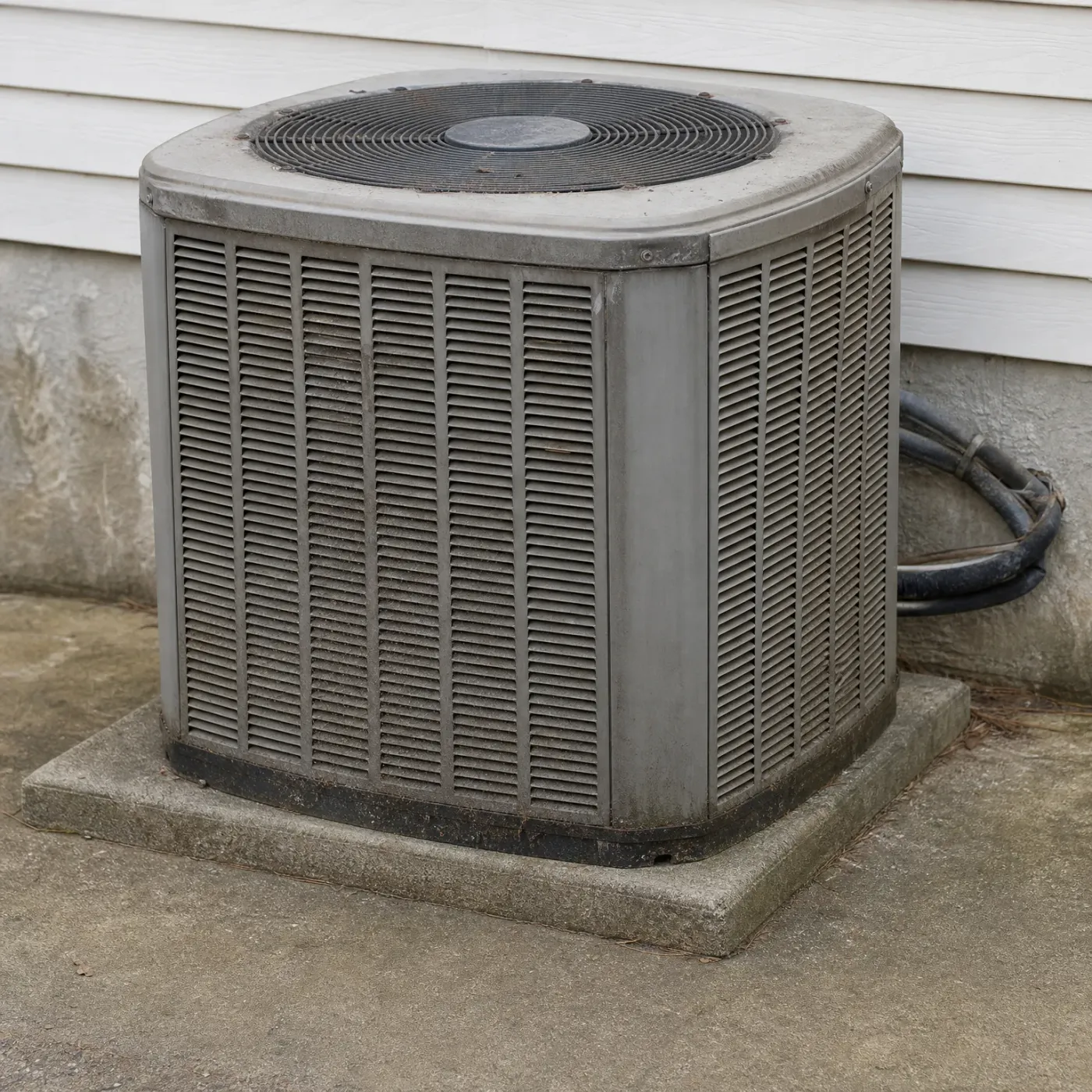
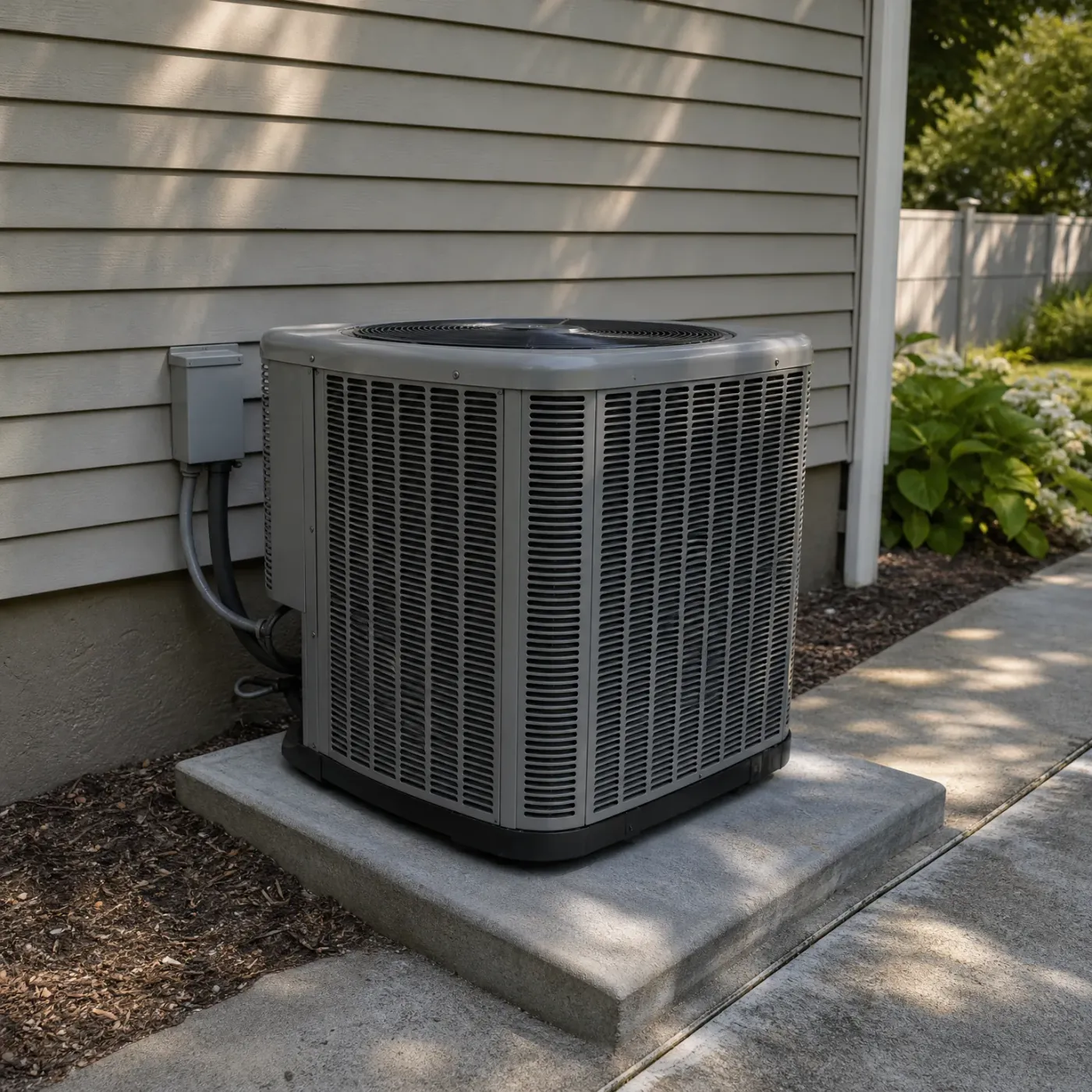
A house in North Carolina in July doesn't forgive a slow system the way it might in April. If the filter is dirty, the system runs longer to move the same amount of air, and you'll likely see that on the power bill before you see it as a breakdown. If the outdoor unit is choked by leaves or grass clippings, the coil can't shed the heat it's pulling out of your house, so rooms stay warm even while the vents blow cold air. That's worth noticing, because it tells you the problem is outside at the condenser, not inside at the air handler. A breaker that trips once might be nothing. One that trips again after you reset it is telling you something is drawing too much current, and resetting it a second or third time doesn't fix that, it just delays a contractor finding out what's wrong. Ice on the lines or the coil means the system is struggling to do its job, and running it longer in that state can make the repair bigger than it needs to be, so shutting it off until someone can look at it protects the equipment. The same goes for a system that keeps shutting off and starting back up in short bursts rather than running a full cycle. That pattern puts more stress on the parts inside the unit than steady running does. None of this requires guessing. It's what you can see, hear, or feel at the thermostat and at the unit outside, and it's what a contractor will want to know when you call.