 Find an air conditioner pro
Should you cover your AC unit in a North Carolina winter
A local pro who services air conditioners gets in touch about the tune-up.
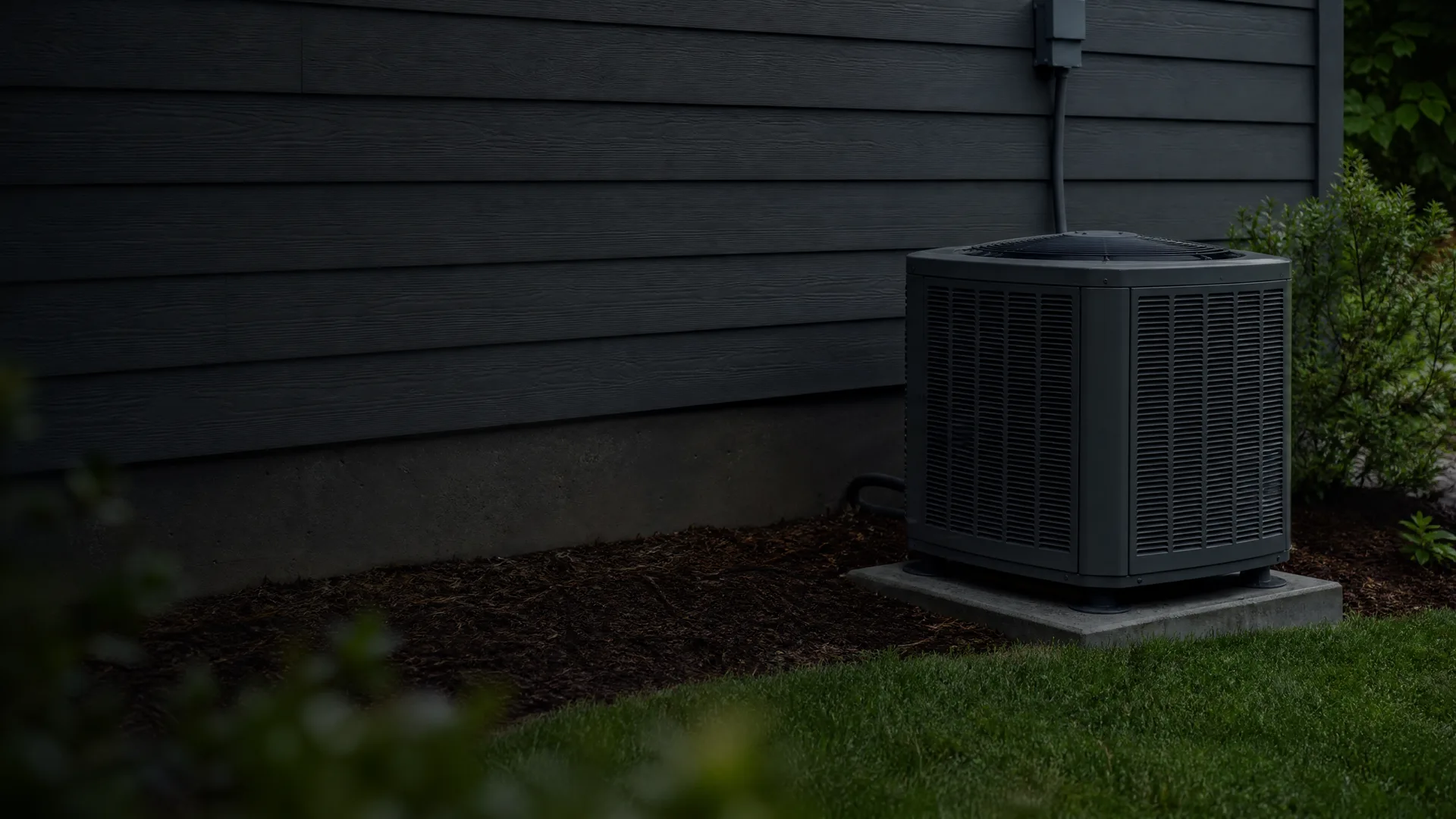
No. Your outdoor unit is built to sit outside all year, through rain, frost and whatever winter in North Carolina brings. Covering the whole cabinet traps moisture inside it, and that moisture is what causes the rust and corrosion people think a cover prevents.
If you want to do anything, cover the top only, enough to keep leaves and debris from dropping down into the coil over the winter. Leave the sides open so air moves through.
The bigger thing worth checking before winter sets in is what's going on inside the unit, not what's covering it outside. A cracked contactor, a dirty coil, a refrigerant line that's lost some charge, those sit quietly all winter and show up as a system that won't cool right in May.
That's the kind of thing a local contractor catches in a fall or spring check, someone who works on AC units in this climate every season and knows what tends to go first here. When you request service through this page, you're matched with one licensed contractor near you, not a handful of companies competing for your callback. They'll reach out and take a look at your specific setup, the age of your unit, where it sits, what shape it's in, and go from there.
Your unit doesn't need a winter coat. It needs someone who knows it to look it over once before the heat comes back.
Should I cover my AC unit for the winter?
Winter is coming and the leaves are piling up near the condenser. A full cover seems like the responsible thing to do before the cold sets in, the same way you'd cover a grill or patio furniture. But an AC unit isn't furniture, and it's worth knowing what a cover actually does to it before you buy one or wrap it in a tarp.
No, don't cover it
The unit sits outside year round, and the manufacturer built it to handle rain, frost and whatever cold comes through North Carolina in January. A cover wrapped around the whole cabinet seals in moisture instead of keeping it out. That trapped moisture sits against the coil and the metal housing, and that's what leads to rust, not the open winter air. It also gives mice and other small animals a dry, enclosed place to nest for the season, and they'll chew through wiring once they're in there. If you want to protect the unit, a flat piece of plywood propped above it to block falling ice or debris does more good than a cover ever will, as long as air can still move freely around the sides.




Get your air conditioner to the right pro
A full cover does more harm than the weather would on its own, but that does not mean the unit should just be ignored until April. A North Carolina winter still brings pine straw, leaves, and the kind of cold snap that can crack a line if something is already off with the system. A contractor who works on these units all winter knows what to check before that happens, and whether a top cover for the coil makes sense for your setup or is unnecessary. That is a local call, not a one answer fits all situation. If you want someone to look at your unit before the next freeze and tell you plainly what it needs and what it doesn't, you can request that below. One contractor serving your area gets your request, not several, so you are not fielding a round of calls to sort out.
How Your Condenser Actually Handles Winter
- The condenser coil sits inside a metal cage designed to shed water, not hold it in.
- A top-only cover, flat and no wider than the cabinet, keeps falling debris out without blocking the sides.
- Refrigerant lines running to the house should be wrapped only where exposed, since insulation keeps the line from cracking in a hard freeze.
- Mice and other small animals look for enclosed, still spaces, and a full cover gives them exactly that.
- The fan on top should stay completely clear, because blocking it traps moisture right against the coil.
- A contractor who services units through a Carolina winter can tell you if yours already has signs of rust worth watching.
Your outdoor unit is built with the coil mounted inside a louvered cage. That design lets rain and melting frost run off instead of pooling against the metal. Wrap the whole thing in plastic or canvas and you take away the one thing it was built to do. If you want to keep pine straw and leaves out, a flat piece that only covers the top, cut no wider than the cabinet itself, does that job without blocking the sides the coil needs for airflow. The refrigerant line running from the unit to the house is a different matter. Where that line is exposed, outside the wall and before it goes underground or into insulation, wrap it. A hard freeze can crack a line that has no protection, and that is damage worth avoiding. A full cover creates a different problem: mice and voles look for small, enclosed spaces that block wind, and a covered condenser in a quiet backyard is exactly that. The fan on top needs to stay clear no matter what else you do to the unit, because anything sitting over it holds moisture right against the coil underneath. None of this tells you what shape your unit is in right now. A contractor who works on these systems all winter in North Carolina, through the cold snaps and the pollen and everything between, can look at yours and tell you if there's rust starting or a line that's already exposed.
Power costs 14.00 cents per kilowatt-hour statewide
That rate applies whether your system is working with a dirty coil or a clean one, and a coil that's been sitting under leaves all winter has to run longer to do the same job come April. A tune-up before summer keeps that 14 cents from going further than it needs to.
EIA-861 2025 statewide residential average
Leave the full cover off, clear the leaves and pine straw away from the cabinet, and have someone look at it before summer asks anything of it. That is the whole answer. A tune-up catches the coil that spent winter under debris, the line that took a cold snap wrong, the contacts that corroded a little sitting exposed, before any of that turns into a system that struggles in July. A contractor who works on units like yours all winter and into every North Carolina summer knows which of those turns up most, and you will be matched with one who covers your area, not a handful of companies competing for the job. You know your unit sat outside all winter doing what it was built to do. Now it just needs someone to check it before the heat comes back.
The right pro for this job
Only one pro gets your request, so you hear from one company.