Once a year, on schedule
A technician cleans the coil, checks the drain line and confirms the system is running the way it should, before the next long cooling stretch starts.
A mini split needs its filters cleaned every two to four weeks and a full service once a year. Charlotte summers run long and sticky, often from April into October, so the filters clog faster here than they would somewhere with a short cooling season. Dust and pollen build up on the filter and the indoor coil, and once that layer thickens, the unit has to work harder to push the same air through the room. You'll notice it first as weaker airflow or a room that takes longer to cool. The yearly service is different from the filter wipe-down: it covers the outdoor coil, the condensate drain, and the refrigerant levels, things you can't check yourself. Skip it a year or two and the system still runs, but it runs harder and costs more to move the same air. Winters here get cold enough that the unit works in heating mode too, so it's drawing on the same parts year round, not resting half the year.




Air moves through the indoor unit in a fixed order, and a clogged filter sets off every problem after it. Once dust gets past the filter, it builds up on the evaporator coil, and that's not a job you can do with a vacuum or a rag. The blower wheel behind it collects a layer of grime over a year of running, and an unbalanced wheel means weaker airflow out of every vent in the house. Below the indoor unit, the condensate line is supposed to carry water away on a slope, and algae growing inside it is the usual reason a wet spot shows up on the wall or ceiling. Outside, the condenser coil needs open fins to shed heat, and anything packed against them, grass clippings, cottonwood fluff, makes the compressor work harder than it should. A yearly visit also means someone checks the refrigerant charge, because a slow leak shows up as weaker cooling long before the system quits.


Cooling runs May through September
Cooling here stretches from May through September, close to five months of the filters pulling in warm, damp air and loading up fast.
Heat runs October through April
Heat takes over from October through April, about seven months, which means the unit is working nearly all year with barely a break in between.
Power here costs 13.33 cents per kilowatt-hour
At 13.33 cents per kilowatt-hour, a mini split clogged with dust pulls more power to do the same job, and that shows up on the bill before long.
NOAA nClimDiv 1991-2020 · EIA-861 2025
A mini split's coil sits behind the filter, and it only gets cleaned when a technician opens the unit. Filters catch most of the dust, but some gets through every time, and over months it builds a film on the coil's fins. That film works like insulation. The coil has to be colder to pull the same heat out of the room, so the compressor runs longer to do the same job. Nine months of runoff a year, between the long summers here and the electric heat that takes over each winter, gives that film plenty of time to build. A once-a-year service catches it before it costs you in the summer ahead.
Cleaning the coil is the main job, but the same visit covers the parts a homeowner can't reach with a filter rinse. The condensate drain line can grow algae and clog, and a clogged line backs up and drips inside the house. The refrigerant line set gets checked for the insulation wearing through, which costs you efficiency the same way a dirty coil does. The blower wheel collects its own film of dust over a year and loses airflow even with a clean filter behind it. None of this shows up from across the room. It shows up when someone opens the unit and looks.


A technician cleans the coil, checks the drain line and confirms the system is running the way it should, before the next long cooling stretch starts.
Airflow drops, the unit runs longer to cool the same room, and the drain line is more likely to back up and leak into the house.



That dew point of 67°F across June, July and August, from NOAA climate data, is what makes Charlotte summer air feel heavy even when the temperature itself isn't extreme. A mini split pulls moisture out of that air as it cools, and the wetter the air, the more the coil has to work to wring it out. Run filters past their four-week mark in air this damp and the moisture clings to the dust instead of passing through, so the coil loads up faster than it would in a drier climate. You'll notice it as a unit that runs longer to reach the same temperature, or air coming out less cold than it used to. A technician who services mini splits around Mecklenburg County every summer knows this is the air they're built to handle, and checks the coil with that in mind.
NASA POWER T2MDEW
A licensed pro who works in Mecklenburg County gets your request.
It costs nothing to send, and you don't have to hire anyone.
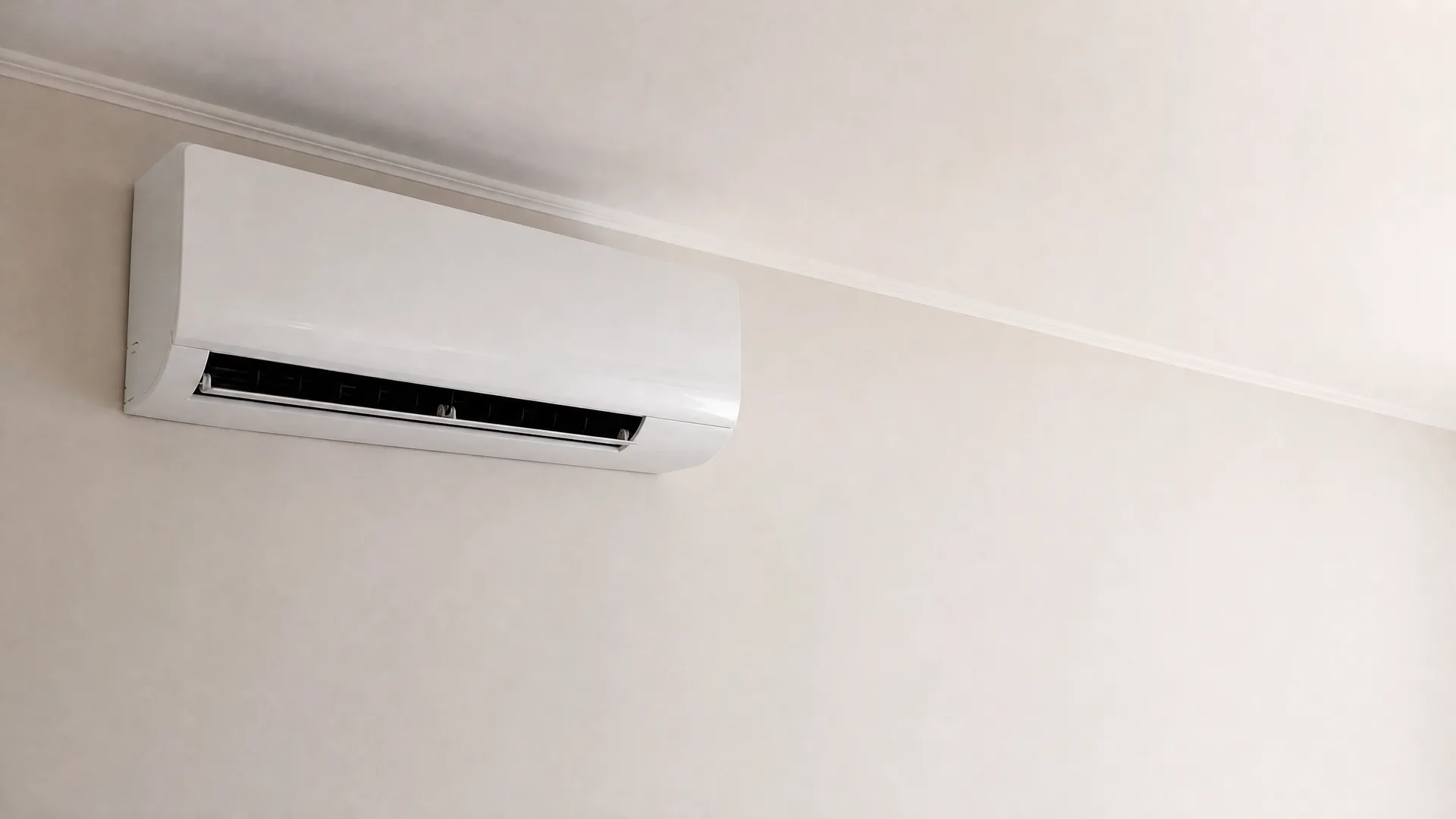
A single mini split head handles one room or one open area, and in a Charlotte summer it can run for hours at a stretch on a hot afternoon. That long runtime pulls a steady stream of humid air across the filter the whole time. A homeowner who only has one or two heads, like in a sunroom or a converted garage, sees that filter load up fast because there's no other equipment sharing the work.
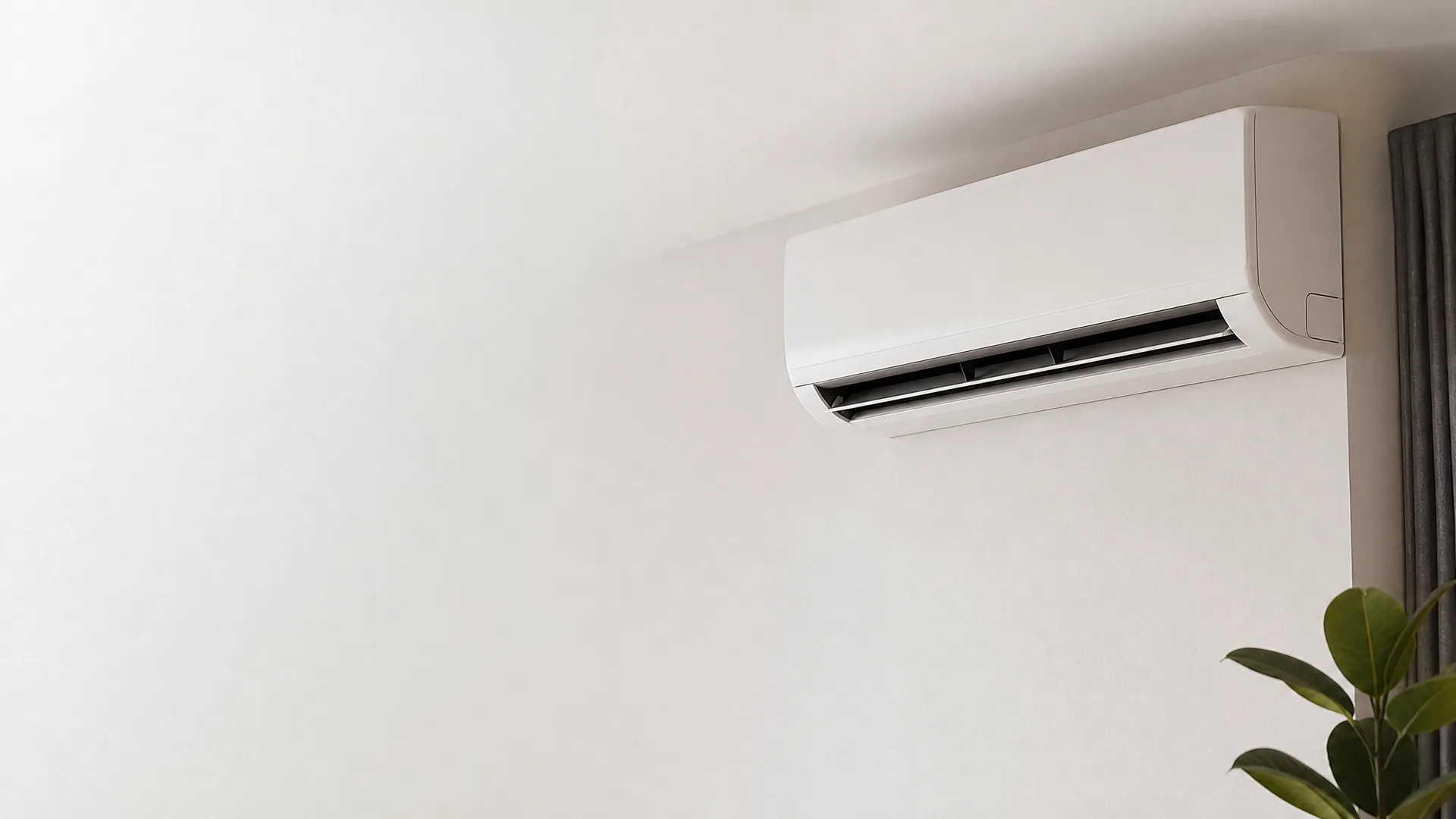
A multi-zone system with a head in several rooms spreads the same cooling load across more filters, so no single one takes the full brunt of a Charlotte summer by itself. Each head still needs its filter checked on the same two to four week schedule, because a clean filter in the living room doesn't help a dirty one in the bedroom. More heads means more filters to stay on top of, not less reason to do it.

This is what a mini split looks like when the filters get rinsed every two to four weeks. Air moves freely into the unit, the coil behind it stays clean, and the room by that window cools without the system working any harder than it has to.

This unit has gone months without a filter rinse. Dust has settled into the housing and started to cake on the vents. Airflow is already restricted, and whatever got past the filter is building up on the coil where only a technician can reach it.
Five months of cooling means five months of filters loading up with warm, damp air. That's most of the year your mini split spends pulling moisture out of the room, so skipping the two to four week rinse even once in that stretch lets the coil behind it start picking up dust.
NOAA nClimDiv 1991-2020
Rinse the filters every two to four weeks. Get the full unit serviced once a year. That's the whole answer, and nothing about Charlotte changes it so much as it makes skipping it cost more. Summer here runs long and the air stays heavy, so the filters load up fast for months at a stretch. Winter asks the same unit to heat instead, and the coil behind those filters takes on film either way. There's no season where the schedule gets to slide.
A technician who services mini splits in this area year-round has seen what happens when that yearly visit gets pushed back. They know which coils clog first, which drain lines back up in a humid summer, and what a unit sounds like when it's been running dirty for months. That's not guesswork. It's the same equipment, the same weather, over and over, in homes around yours.
When you send a request through this page, it goes to one contractor, licensed and local, not a handful of companies competing for the callback. Someone who already knows Charlotte summers and Charlotte winters is the one who shows up, and that's worth something when the coil's been carrying more than a filter rinse can fix. Keep both halves of the schedule and the unit does its job without strain, in July or in January.
Done looking for a mini split pro
