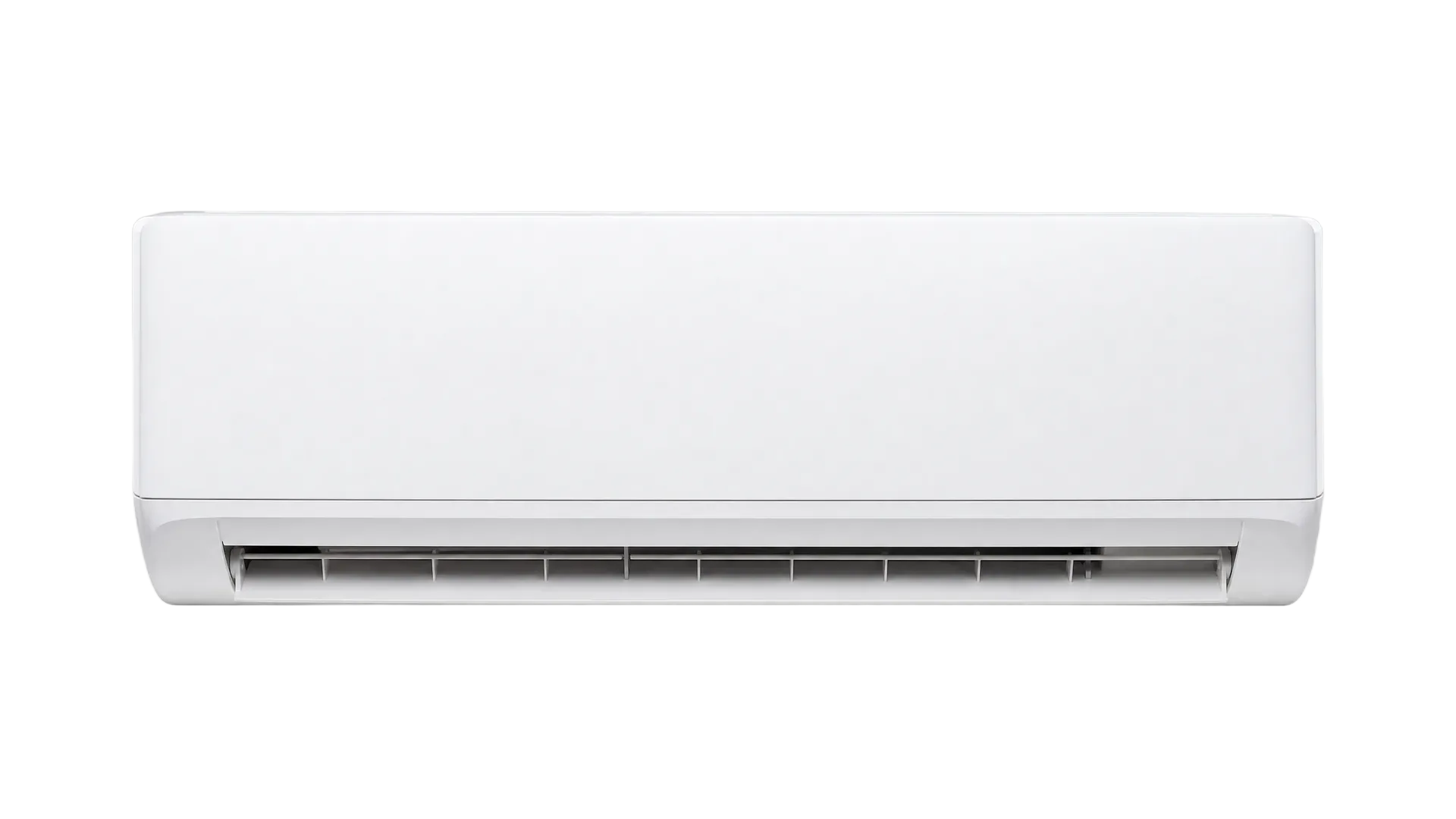
A mini split in North Carolina typically runs 12 to 15 years before it needs replacing. The number moves depending on how hard the system works. Summers here are muggy, so the unit spends a long stretch of the year pulling moisture out of the air as well as cooling it, and plenty of homes also lean on the same system for heat all winter since electric heat is the norm here. Running both jobs year round wears on the compressor and the outdoor coil faster than if the unit only had to cool. A mini split that gets its filters cleaned and its coils checked tends to land at the higher end of that range. One that runs dirty or low on refrigerant for a long stretch tends to fall short of it. If yours is already past 12 years and running longer to hit the same temperature, or the power bill has crept up without an obvious reason, that is usually the system telling you it is closer to the end than the middle.


The compressor outside does most of the work, and it's usually the part that decides how long the whole system lasts. In North Carolina it runs long hours through the muggy months, pulling moisture out of the air on top of cooling it. Every time a unit short cycles, switching off and back on instead of holding a steady run, the compressor takes another jolt it didn't need. The indoor heads wear differently depending on the room. One that runs harder than the rest, say a bedroom someone keeps cold all night, will show wear in its coil and filter sooner than the others tied to the same outdoor unit. Refrigerant lines running through the wall matter too. A slow leak there won't announce itself. It just makes the compressor strain to keep up, and that strain adds up long before the leak itself becomes obvious. If the system also carries your heat through the winter, it's logging hours nearly all year, not just the muggy stretch, so there's less downtime for anything to rest or get checked over.
What Actually Wears Out First
- Each indoor head has its own coil and filter, so a unit that runs one room hard will wear faster than the others on the same system.
- The outdoor compressor is the part that usually decides the unit's lifespan, since it runs longer hours here keeping up with humidity.
- A mini split that short cycles, turning on and off instead of running steady, puts extra strain on the compressor every time it restarts.
- Refrigerant lines run through the wall to connect the indoor and outdoor units, and a slow leak there can shorten the compressor's life years before anything else fails.
- Washing the indoor filters every few weeks keeps the coil from icing up, which otherwise forces the compressor to work harder than it should.
- A unit that also handles your heating in winter logs more total run hours a year than one used for cooling alone.


What shortens a compressor's life
A mini split compressor wears according to how many hours it runs, not how many years sit on the calendar. In North Carolina it starts work in April and some homes don't shut it off until October, which adds up to a long stretch of straight-through cycling each year. Since most homes here heat with electricity, a lot of them run the same system in reverse all winter, so the compressor rarely gets a real break. A unit sized right for the rooms it serves will cycle on and off instead of running flat out, and that on-off pattern is what keeps it closer to 15 years than to 12.
Why the install year matters
A mini split that goes in correctly from the start tends to reach the far end of that range rather than the near end. The line set has to be charged to the length actually run between the outdoor unit and each indoor head, and a charge that's off even a little makes the compressor work harder on every cycle for as long as the system is in service. Whoever installs it should be someone who works on this equipment all season in this climate and knows which setup mistakes show up as a failed compressor five years in. A licensed, local contractor doing the install is what keeps that years-away outcome from being left to chance.




Stop chasing a mini split pro
A system that's been cycling since April, carrying your home through a humid summer, earns a real inspection before anyone assumes it's fine or assumes it's done. Guessing wrong either way costs you, in comfort or in money spent too soon. A contractor local to North Carolina who services mini splits all season has seen what this climate does to a compressor and an outdoor unit, and knows what a system at 10 years looks like versus one at 15. That's different from a general call center reading off a script. Sending the request means one licensed contractor who works this equipment regularly takes a look at yours, instead of you spending your own evenings researching parts and failure points you've never had to think about before. Whatever stage your mini split is at, getting a straight answer on what shape it's in matters more the longer that humid stretch runs. Send the request and let that assessment be someone else's job for once.

Refrigerant leaves the outdoor compressor as a hot, high-pressure gas
The outdoor coil cools that gas into a liquid
Liquid refrigerant travels through the line set to the indoor head
The indoor coil lets it expand and absorb heat from the room
Is your mini split telling you it's wearing out
Walk by the indoor head and listen. A faint hiss or a rattle that wasn't there last summer usually means a fan wheel working harder than it should. Check the wall under the outdoor unit for a stain or a drip line, a sign refrigerant or condensate is going somewhere it shouldn't. Feel the air coming out of the vents. If a room that used to cool fast now takes longer, or never quite catches up on the hot afternoons, the compressor outside is losing ground. Short cycles, where the unit kicks on and off every few minutes, put more wear on the compressor than a long steady run. Left alone through another full summer, these signs tend to turn into a bigger repair or a system that fails right when you need it most.
Summer air here holds a dew point around 67°F, by National Weather Service data, which is the sticky, hard-to-shake kind of humid. Your mini split doesn't just cool that air, it has to wring the moisture out of it first, and that's the harder job. On a day like that, the indoor coil stays wet longer and the compressor runs longer stretches to keep the room feeling dry, not just cool. You'll notice it in the house as a unit that seems to run constantly in July and August, cycling on again almost as soon as it shuts off.
NASA POWER T2MDEW county cells weighted by homes


Power costs 14.00 cents per kilowatt-hour statewide
At 14 cents per kilowatt-hour, a mini split still costs less to run than the electric heat or window units it usually replaces, since it moves heat instead of making it. A unit that's losing efficiency as it ages will show up on the bill before it shows up as a breakdown, so a sudden jump is worth checking.
EIA-861 2025 statewide residential average
Where your mini split stands
- A mini split in North Carolina holds up for 12 to 15 years when the compressor isn't fighting humidity it can't keep up with.
- Hours run matter more than years on the calendar, so a unit covering a sunroom or a converted garage wears faster than one in a shaded bedroom.
- A hiss, a rattle, or a stain under the outdoor unit are the signs worth checking before the system decides for you.
- A local contractor who services this equipment every summer knows which part usually fails first on a unit your age.
- Working with one licensed contractor means one visit and one opinion, not a string of callbacks from different companies.
- Whether your system needs a repair or a replacement, knowing which one you're facing is worth more than guessing.
Twelve to fifteen years is what a mini split in North Carolina gives you, and how you get there depends on what the compressor has been asked to do. A unit cooling a sunroom or fighting humidity all summer in a converted garage works harder than one in a bedroom with good shade, and that difference shows up years before the warranty card says it should. The outdoor compressor carries most of that load, so a hiss from the indoor head, a rattle that wasn't there last year, or a stain on the wall under the outdoor unit are worth a look now rather than after the next heat wave. None of that tells you on its own whether you're looking at a repair or a replacement. That's a judgment call, and it's easier to get right from someone who works on this equipment in this climate every season and has seen what usually gives out first on a system your age. A contractor local to North Carolina knows the difference between a unit that's struggling because of a clogged coil and one that's struggling because the compressor is done. Getting matched with one licensed contractor means one person looks at your system and gives you one answer, not three different opinions from three different companies competing for the job. For a reader thinking a season ahead, that's the part worth knowing: not just how long these systems last, but how to find out where yours actually stands before summer makes the decision for you.
Send one request and you're done looking