
Why your AC keeps turning on and off in North Carolina
An AC that keeps clicking on and off, sometimes called short cycling, usually means it is shutting down before it finishes a full cooling cycle and then kicking back on a few minutes later. A few things cause this. The unit may be oversized for the house, cooling the air near the thermostat fast without pulling the moisture out of a muggy North Carolina summer, so it shuts off too soon and the heat creeps back in. A dirty air filter or a frozen evaporator coil can choke airflow until the system trips off to protect itself. A failing capacitor or a thermostat sensor reading the room wrong can do the same thing. Short cycling is not a quirk to live with. It wears on the compressor, leaves the house sticky even when the air feels cool, and tends to get more frequent, not less, as the parts behind it keep struggling. Worth having a contractor look at before a hot stretch pushes it further.


Most of these causes trace back to airflow or electricity, not the compressor itself. When a filter clogs, the coil can't shed heat fast enough and ice builds up on it. The system senses that and shuts down rather than keep running into a frozen coil. A thermostat in the wrong spot causes a different problem. It reads warm air from a vent or cold air from a window and tells the system the house is done cooling when it isn't. Electrical parts wear out too. The run capacitor is what holds the compressor motor steady once it starts, and when it weakens, the motor struggles and the unit shuts off within minutes of starting. A contactor works the same switch over and over, and after enough cycles the contacts pit and the connection drops on its own. Low refrigerant from a leak brings the pressure down far enough that a safety switch trips the compressor off before it's done a full cycle. Any one of these will show up the same way at the thermostat, as short runs that won't hold.
What's Actually Cutting the Cycle
- A dirty filter starves the system of airflow, so the coil drops below freezing and trips the unit off to protect itself.
- A thermostat mounted near a supply vent or a window can sense the air around it instead of the room, cutting the cycle short.
- A refrigerant leak lowers the pressure in the system enough that the compressor's safety switch shuts it down early.
- A failing run capacitor can't keep the compressor motor steady, so the unit starts, stalls, and restarts within minutes.
- Ice on the outdoor coil or the indoor evaporator coil blocks heat transfer and forces the system to shut off until it thaws.
- A contactor with worn or pitted contacts can lose and regain the electrical connection, making the outdoor unit cycle on its own.


Matched to your air conditioner job
Once you send the form, finding a pro is off your list.
You're not committing to anything by asking.
What a full cycle looks like
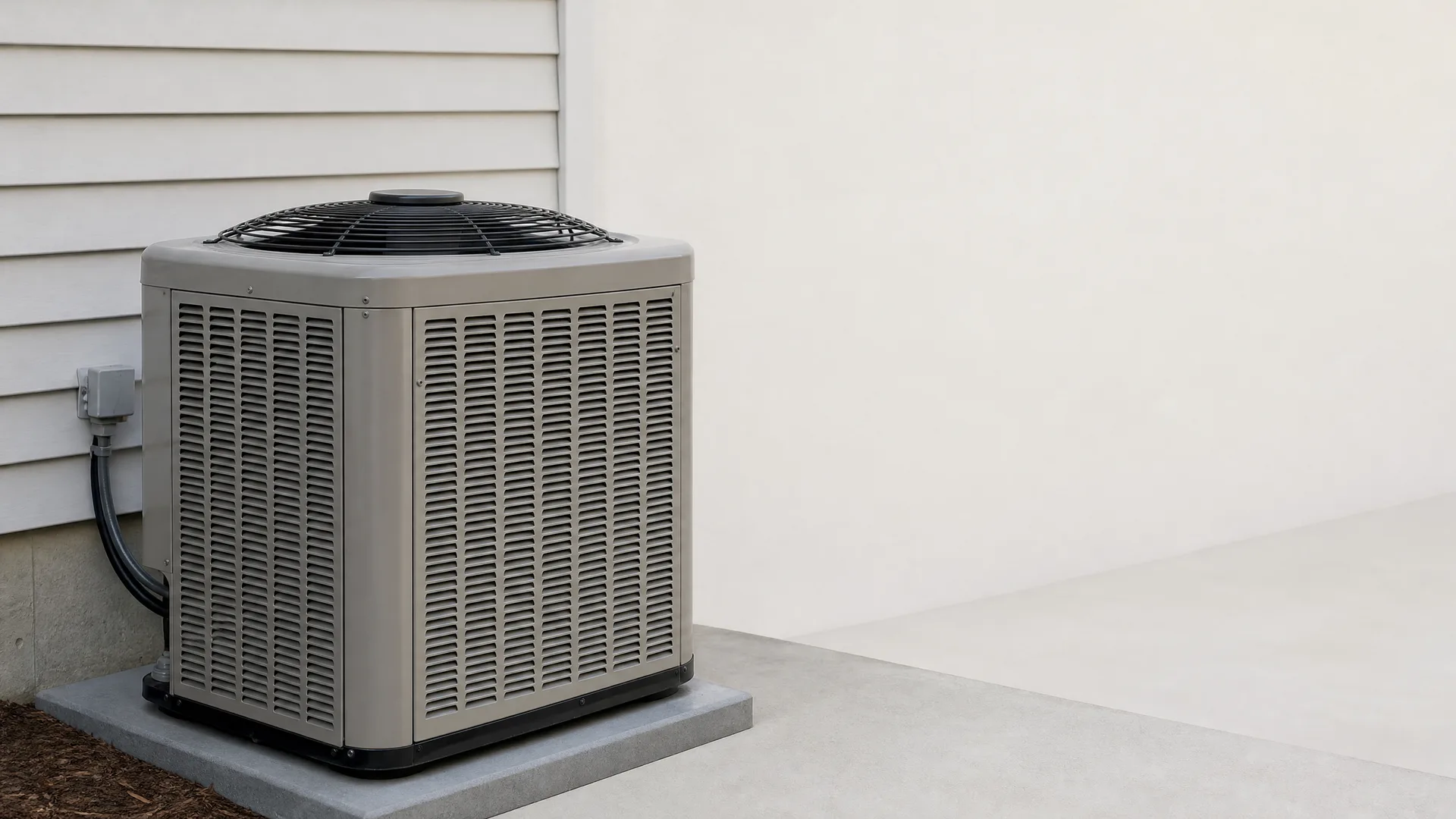
A properly sized air conditioner runs about 15 to 20 minutes at a stretch on a hot North Carolina afternoon, then shuts off until the house warms back up a degree or two. That long run lets the coil pull moisture out of the air, which matters here with how sticky summers get. A unit that shuts off after 3 or 4 minutes never gets to that point, so the house ends up cooler but damp.
Why the compressor takes the hit
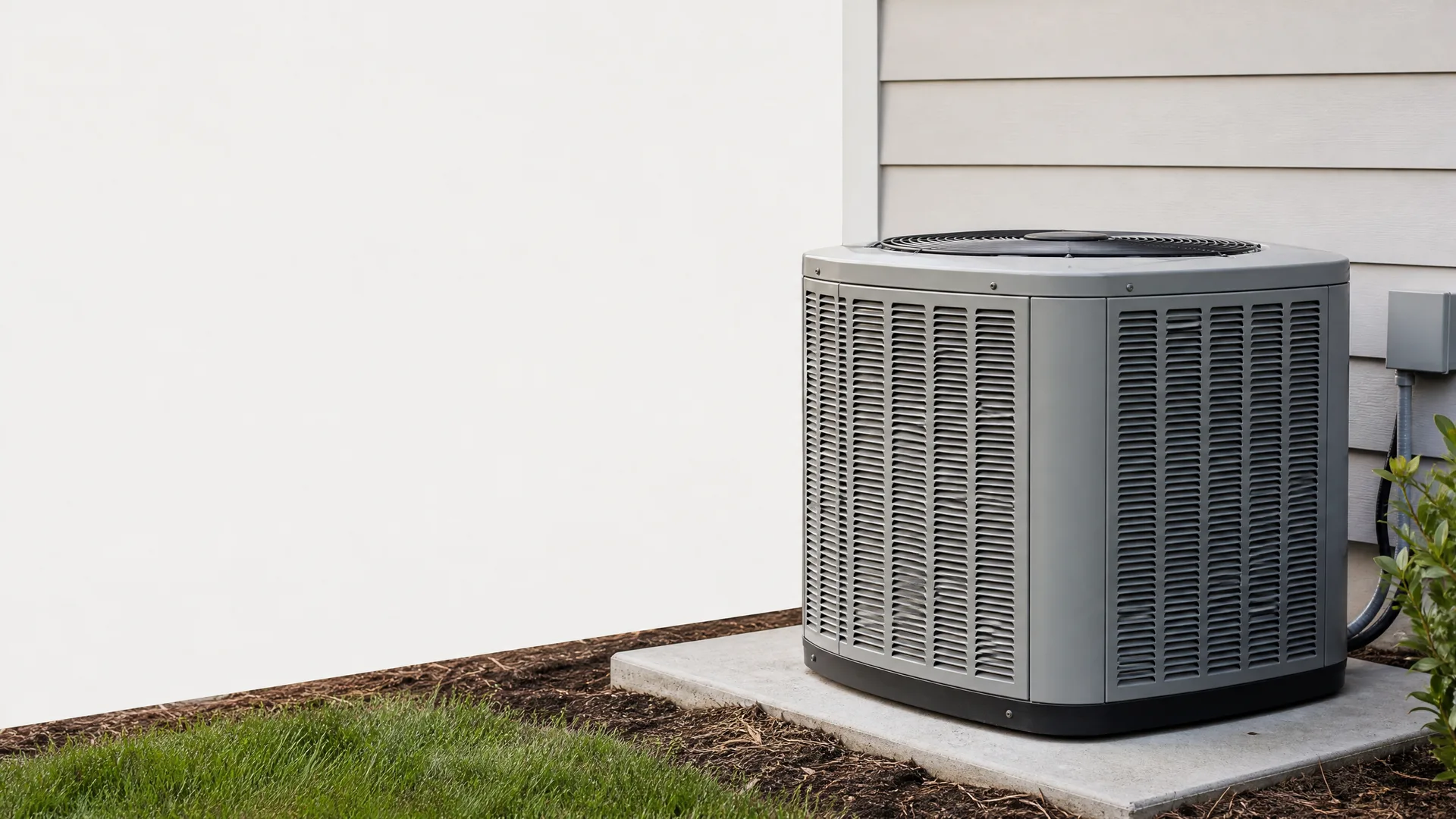
The compressor is the part that draws the most current when the unit starts, more than anything else in the system. Each time short cycling shuts it down and restarts it minutes later, it goes through that high draw again. A compressor built to start a few times an hour wears differently than one starting every few minutes, and it's the most expensive part to replace in the whole system.
Is your AC turning on and off more than it used to
You'll hear the outdoor unit kick on, run for five or six minutes, then go quiet, then start again not long after. Inside, a room might feel cool near the vent but still muggy a few feet away, because the system isn't running long enough to pull the moisture out of the air. Some homes notice the thermostat screen cycling between the set temperature and a degree above it all afternoon. Left alone, this wears on the compressor faster than normal use would, since the hardest part of any cycle is the moment it starts back up. The electric bill often climbs too, since a unit that starts and stops all day works harder than one that runs its full cycle and rests.




Power costs 14.00 cents per kilowatt-hour statewide
At 14 cents a kilowatt-hour, a unit that short cycles all summer is working harder for the same cool air. Every time it stops and restarts, it pulls extra power just to get going again, and that waste shows up on the bill before the real cooling even starts.
EIA-861 2025 statewide residential average

Short cycling means something is cutting the run short
Your AC is supposed to run a long stretch, pull the heat and the moisture out of the house, then rest. When it shuts off after five or six minutes instead, something is tripping it off early, and the house never gets the full benefit of the cycle it just paid for. That's the whole answer. Everything else is figuring out which part is doing it.
A contractor who works on North Carolina homes can look at your filter, your thermostat placement, and your refrigerant charge and tell you which one it is. Once you send the request, you're matched with someone who takes on that search for you, and they'll reach out about your specific system. You don't have to figure out which part it is on your own.






An air conditioner pro near you
After you send the request, you're done searching.
It costs nothing to send, and you don't have to hire anyone.