




Why your heat pump isn't cooling in North Carolina summers

Tell a local repair pro what your heat pump is doing.

Get a local pro

Why isn't my heat pump cooling my house in the summer?

You keep the house cool for whoever's home, and right now the heat pump isn't doing it. North Carolina summers get sticky fast, and a system that's blowing warm air or barely keeping up isn't something you want to sit with while you figure out what's wrong. You want to know what's actually going on before it gets worse.

A low refrigerant charge or a failing component is usually why

A heat pump cools the same way a central air conditioner does, by moving refrigerant through a cycle that pulls heat out of the house. When it stops keeping up, the cause is usually a leak that's dropped the refrigerant charge, a failing compressor, a dirty outdoor coil, or a reversing valve stuck in the wrong position. Any one of these keeps the system from moving enough heat out of the house. In North Carolina's summer humidity, a system already running at a deficit falls behind quickly, since it has more heat and moisture to remove on a 90-degree afternoon than it does in spring or fall. The fix depends entirely on which part failed, and that's something only a hands-on inspection will tell you.

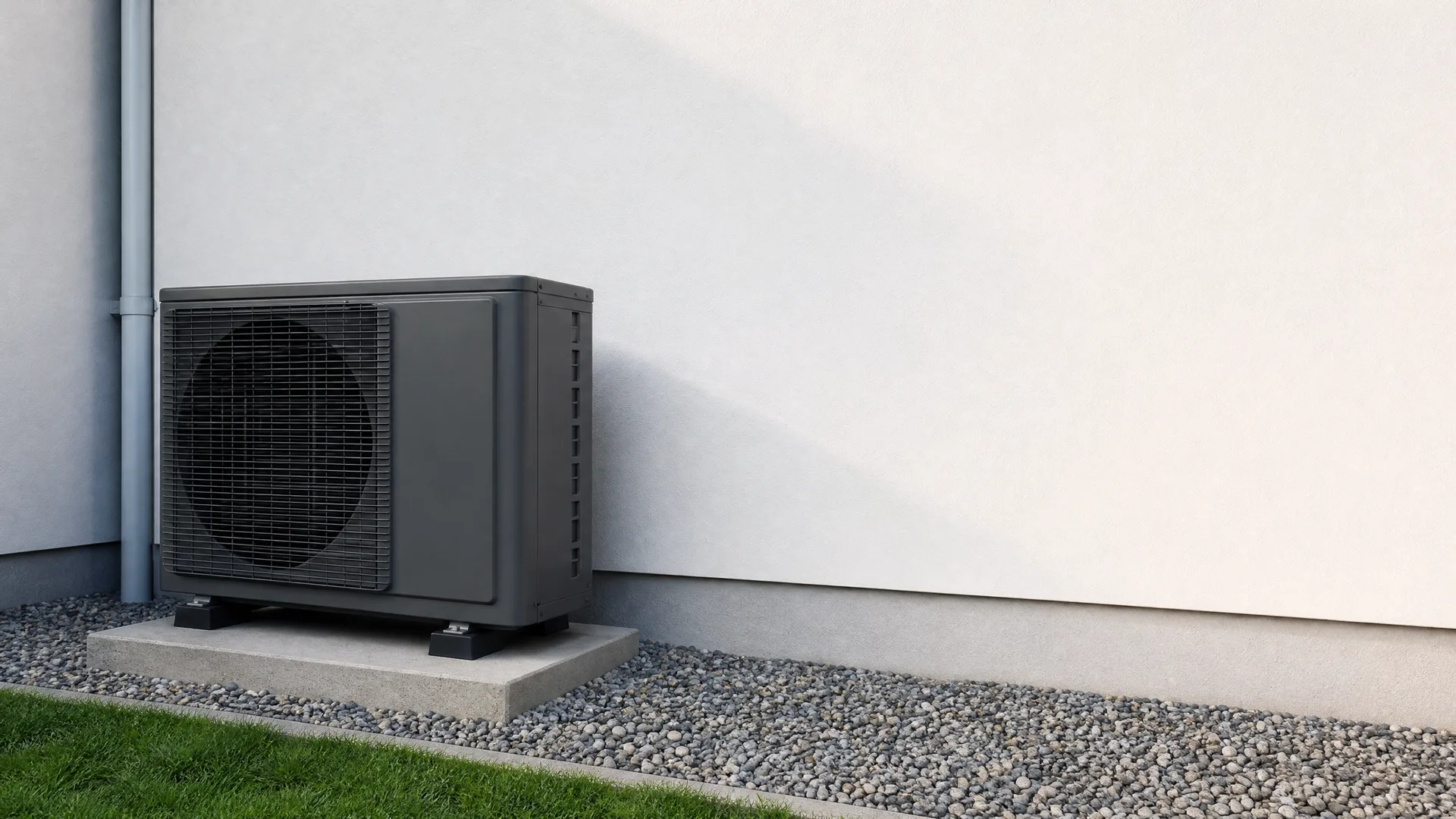
A dark grey air-source heat pump unit on a concrete pad beside a light-coloured rendered wall, surrounded by gravel with a strip of grass in the foreground and a downpipe at the left.

The outdoor unit works harder in heat

A heat pump cooling your home moves heat from inside and dumps it outside. When it's 95 degrees out, that unit has to push heat into air that's already hot, so it runs longer to do the same job it did in May. If the coil outside is caked with grass clippings or the fan motor is weak, that struggle shows up fast as warm air inside instead of cool.

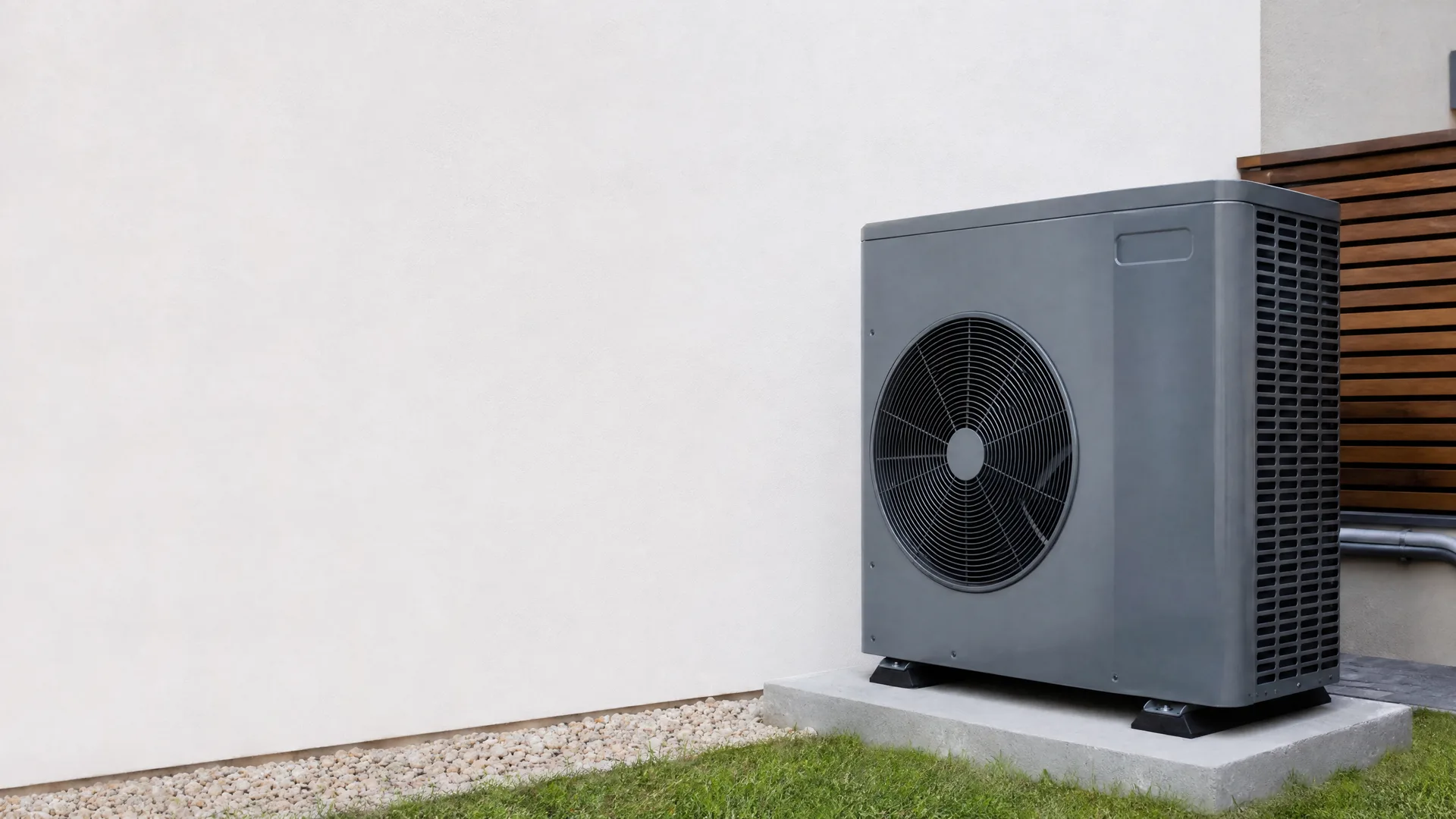
A gray outdoor heat pump unit on a concrete pad beside a white stuccoed wall, with gravel and grass in front and a wooden slat screen behind.

Low refrigerant shows up as humidity

Refrigerant does the actual work of pulling heat and moisture out of your air. When the charge is low, from a slow leak or a bad connection, the system stops wringing water out of the air even if it still blows something cold. That's why a house can feel 74 degrees and still clammy. A contractor checks the charge with gauges, not by guessing from the vents.

Low Refrigerant or Stuck Valve

Low on refrigerant

  • Warm air blowing from the vents even though the outdoor unit is running points to a charge that's lower than it should be.
  • A refrigerant leak doesn't fix itself, so the house keeps losing ground as the charge drops further.
  • You may see ice on the outdoor coil even while it's 95 degrees outside, which is backwards from what the system is supposed to do.
  • Adding refrigerant without finding the leak means the same problem comes back in a matter of weeks or months.
  • A contractor checks the charge against what the system was built to hold and pressure tests the lines to find where it's escaping.

Reversing valve stuck

  • The reversing valve is what switches the heat pump between heating your house in January and cooling it in July.
  • If it sticks in the wrong position, the system can start blowing warm air even though every other part is running fine.
  • You might hear the outdoor unit cycling on and off more than usual as the system tries to compensate.
  • This is a mechanical failure inside the unit itself, not something that clears up with a thermostat reset.
  • A contractor tests the valve directly rather than guessing, since a stuck valve can look like several other problems from the thermostat.
A woman with long blonde hair in a light blue shirt leans back on a beige sofa with her eyes closed, in a softly lit living room with cushions and a blurred plant and shelf in the background.
A woman with long dark hair in a gray knit sweater sits on a gray sofa with a cushion, looking toward a window in a living room with framed pictures and a lamp in the background.
A woman with long dark hair in a light grey knit sweater sits on a sofa indoors, looking to her right, with a framed landscape picture, a potted plant and a curtained window behind her.
A woman with long dark hair leans back against a gray sofa with her eyes closed, in a living room with a curtained window, a potted plant, and a dark screen in the background.

Is your house just not keeping up anymore?

You've probably noticed it by midafternoon. The thermostat says 72 but the air coming out doesn't feel cold, or the house climbs a few degrees and stalls there no matter how low you set it. The outdoor unit might be running nonstop, or cycling on and off more than it used to. Some rooms hold up better than others, and whoever's in the back bedroom or the upstairs office is the one complaining first. If this keeps going, it's not just discomfort. A system working this hard in July heat tends to wear down the parts that are already stressed, and a small problem now turns into a bigger repair later.

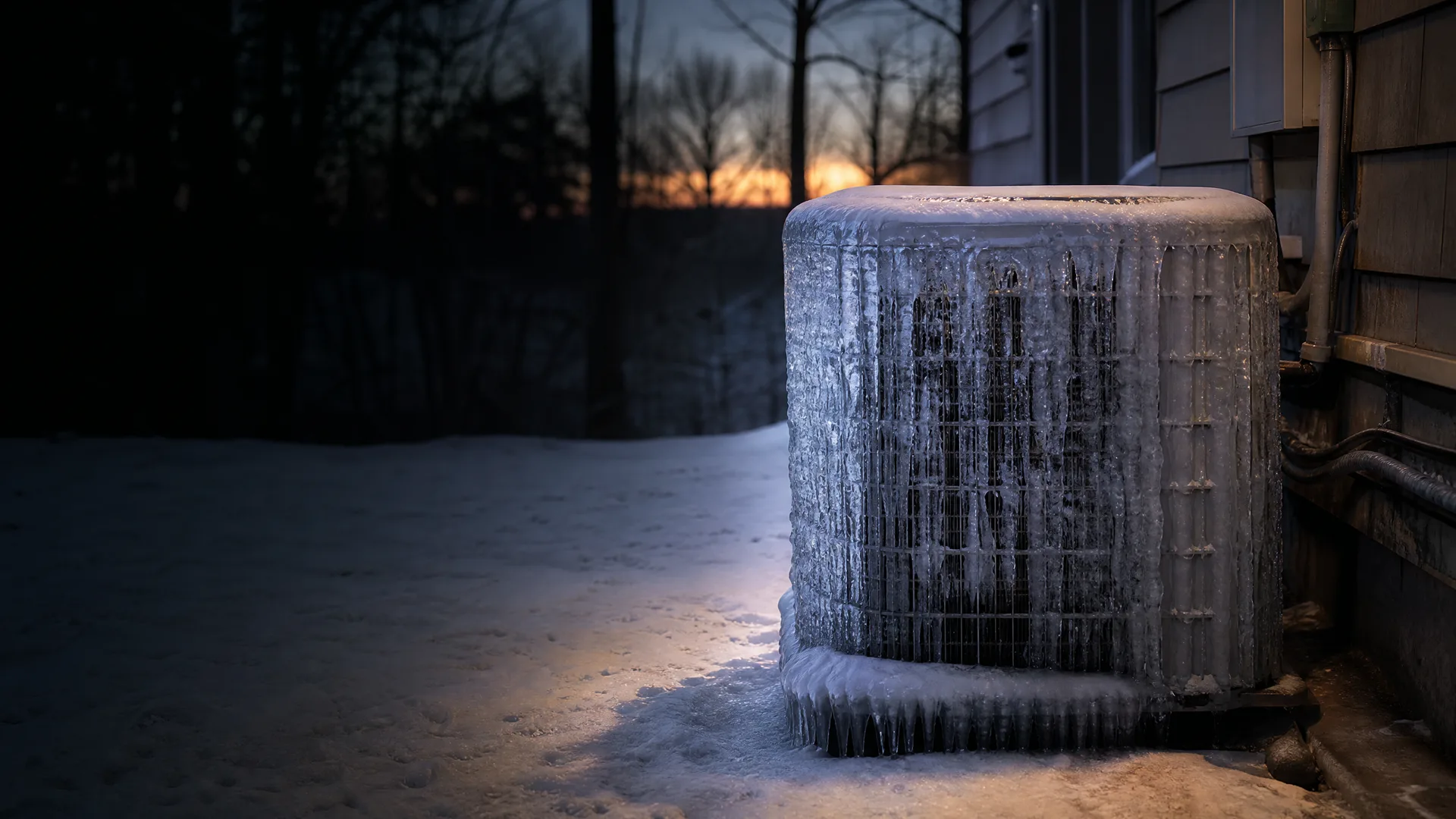
An outdoor condenser unit encased in thick ice stands on snow beside a house with horizontal siding and exterior pipes, with bare trees and a sunset glow in the background.

January, just past dawn, and the side yard is still gray. The outdoor unit sits coated in ice, thick over the coils, a crust of it on the top grille. No steam, no hum, just that frozen quiet. Inside, the house has gone a little cold, the kind you notice in your feet first. You go out in a coat to look at it, breath showing, and touch the ice with one finger to see how deep it goes. It doesn't move. You already know this isn't the kind of frost that melts off by nine.

A local pro for your heat pump repair

A heat pump that won't cool in July doesn't get better on its own. Low refrigerant keeps leaking, a failing compressor keeps straining, and every day it runs like this is a day the house doesn't recover. Meanwhile the power bill climbs because the system is working harder for less cool air, not more. You don't need to know whether it's the reversing valve stuck in heat mode or a compressor on its way out. That's what a contractor is for, someone who can get out to a North Carolina house, find what's actually wrong, and get the cold air moving again before another sticky week passes. Right now the job is just getting the right person out to look at it. Send the request and let that part be off your plate.

The system runs but can't keep up

The outdoor unit comes on, the indoor fan moves air, and the thermostat still won't get satisfied. This is the harder problem to catch because nothing looks broken. A heat pump losing capacity from a worn compressor or a dirty outdoor coil will still run for hours and still fall short by a few degrees. You might only notice it by late afternoon, when the house has had all day to lose ground. The fix depends on what's limiting the system, whether that's refrigerant, airflow, or a compressor that's wearing out, and a contractor needs to measure the system to know which.


The system won't cool at all

No cold air anywhere in the house, or the outdoor unit isn't running, or it's running but the air coming out is room temperature or warm. This is the easier problem to spot and sometimes the easier one to fix. A tripped breaker, a bad capacitor, or a stuck reversing valve can all stop cooling outright while leaving the rest of the system intact. It can also mean something more serious, like a compressor that's failed. Either way, you'll know within minutes of checking a vent, instead of watching the house slowly lose the fight over an afternoon.

A weathered outdoor condenser unit on a concrete pad beside a house with white horizontal vinyl siding, with refrigerant lines and conduit running to a wall-mounted electrical box.
Before you get your heat pump repair
A gray outdoor heat pump unit with a large fan grille sits on a concrete pad beside a house with horizontal lap siding, next to a green shrub, mulch bed, and lawn.
After you get your heat pump repair

Every heat pump has a reversing valve, and it's the part that decides whether the system heats or cools. It slides into one position for summer, another for winter, redirecting the refrigerant to flow the opposite direction through the coils. When that valve sticks in heating mode, nothing stops the system from running. The compressor kicks on, the fans spin, the thermostat thinks it's doing its job. But the refrigerant never switches direction, so the indoor coil stays warm instead of turning cold, and the air coming through your vents just doesn't drop. One thing to listen for is a hiss or whistle at the outdoor unit that you haven't heard before. That's often the sound of a valve trying to shift and failing. Sometimes the cause is a solenoid coil that's worn down and no longer has the pull to move the valve all the way. When that happens, the valve may shift partway, and the system ends up cooling weakly rather than not at all, which can make the problem easy to miss until the house has been warm for days.

The reversing valve problem

  • A heat pump's reversing valve is what switches the system between heating and cooling by redirecting refrigerant flow.
  • A reversing valve stuck in heating mode sends refrigerant the wrong direction, so the indoor coil never gets cold even though the system runs.
  • The thermostat calls for cooling, the compressor and fans turn on, but the house keeps getting warmer because the refrigerant cycle never actually switched over.
  • A stuck valve often makes a hissing or whistling sound at the unit that wasn't there before.
  • Some valves stick from a weak solenoid coil that no longer has enough pull to slide the valve into position.
  • A valve that only partially shifts can leave the system cooling weakly instead of failing outright, which makes the problem harder to notice at first.
An older woman in a cream knit sweater smiles while looking off-camera in a warmly lit kitchen, with a round loaf of bread on a wooden board in the foreground and a dark window behind her.
A woman with dark hair in a bun sits on a grey couch holding a sleeping child wrapped in a knit blanket, with a lit lamp and potted plant blurred in the background.
A gray outdoor condenser unit on a concrete pad beside a white horizontal-siding house, with refrigerant lines and conduit running to a wall-mounted disconnect box, bare soil in front and a green shrub at left.

Clean unit, clear airflow

The outdoor unit sits on its pad with the fins and grille clear, so air moves through it the way it's supposed to. Refrigerant lines and wiring run neatly to the disconnect box, nothing blocking the coil. Heat moves out of the house the way it should, even when it's 95 outside.

An outdoor air conditioning condenser unit on a concrete pad beside a house with light horizontal siding and a concrete block foundation, with bare soil and small green plants around it.

Grime built up on the coil

Dust and grime cover the fins and wire grille here, and that buildup blocks the airflow the unit needs to dump heat outside. The coil can't shed heat as well through a layer of grime, so the system runs longer and still falls behind on a hot afternoon.

Power costs 14.00 cents per kilowatt-hour statewide

At 14 cents a kilowatt-hour, a heat pump straining through a July afternoon shows up fast on the bill. When it's low on refrigerant or the compressor is wearing out, it draws power the whole time without actually cooling the house, so you're paying for work it isn't doing.

EIA-861 2025 statewide residential average

A gray outdoor condenser unit on a concrete pad beside a beige vinyl-sided house, with a wall-mounted disconnect box, flexible conduit, mulch bed, shrubs and a concrete walkway in front.
A clear grille and a clean coil let the unit pull in air and push heat out the way it was designed to.
A weathered gray outdoor condenser unit on a concrete pad beside a house with horizontal vinyl siding, with conduit, refrigerant lines, and an electrical disconnect box on the wall behind it.
Dust caked on the grille and leaves piled at the base choke the airflow, so the unit works harder and still falls behind.
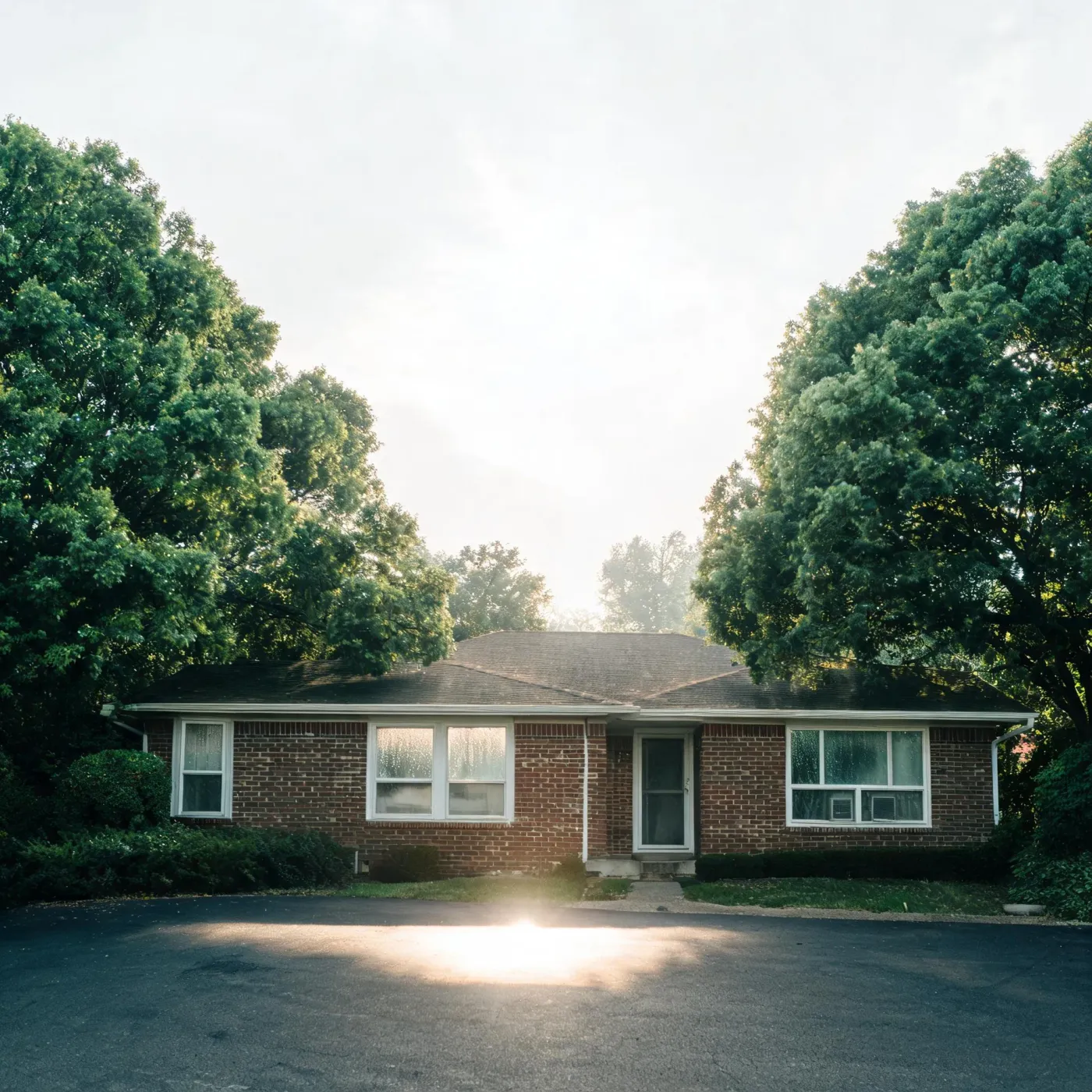
A single-story red brick ranch house with a low hipped roof, large picture windows and a central door, flanked by large leafy trees, with an empty asphalt lot in the foreground lit by low sun flare.

The weather service puts the average summer dew point across North Carolina at 67°F for June, July and August. That's the number that decides how heavy the air feels on your skin, and it's also the air your heat pump has to wring moisture out of before the house feels cool. A heat pump works harder to pull humidity out of thick air like that, and when it's already struggling with a refrigerant or compressor problem, the moisture is the first thing to build back up. You'll feel it as a house that's close to the right temperature but still damp, clammy, not actually comfortable.

NASA POWER T2MDEW county cells weighted by homes

A heat pump that isn't cooling has a reason, and it's usually one of a short list: low refrigerant, a stuck reversing valve, a compressor losing strength, a coil or grille choked with dirt. None of those get better with time, and a system straining through a sticky North Carolina afternoon is a system that falls further behind the longer it runs. You don't have to figure out which one it is. Send the form and the work of finding someone for the job is off your plate. A contractor who handles heat pumps in your area will reach out, look at what your system is actually doing, and tell you what it needs. Until then, keep an eye on what the house is telling you, warm air at the vents, a unit that won't stop running, ice where there shouldn't be any. Whoever's home deserves a house that holds its temperature, and that starts with getting someone out to look at it.

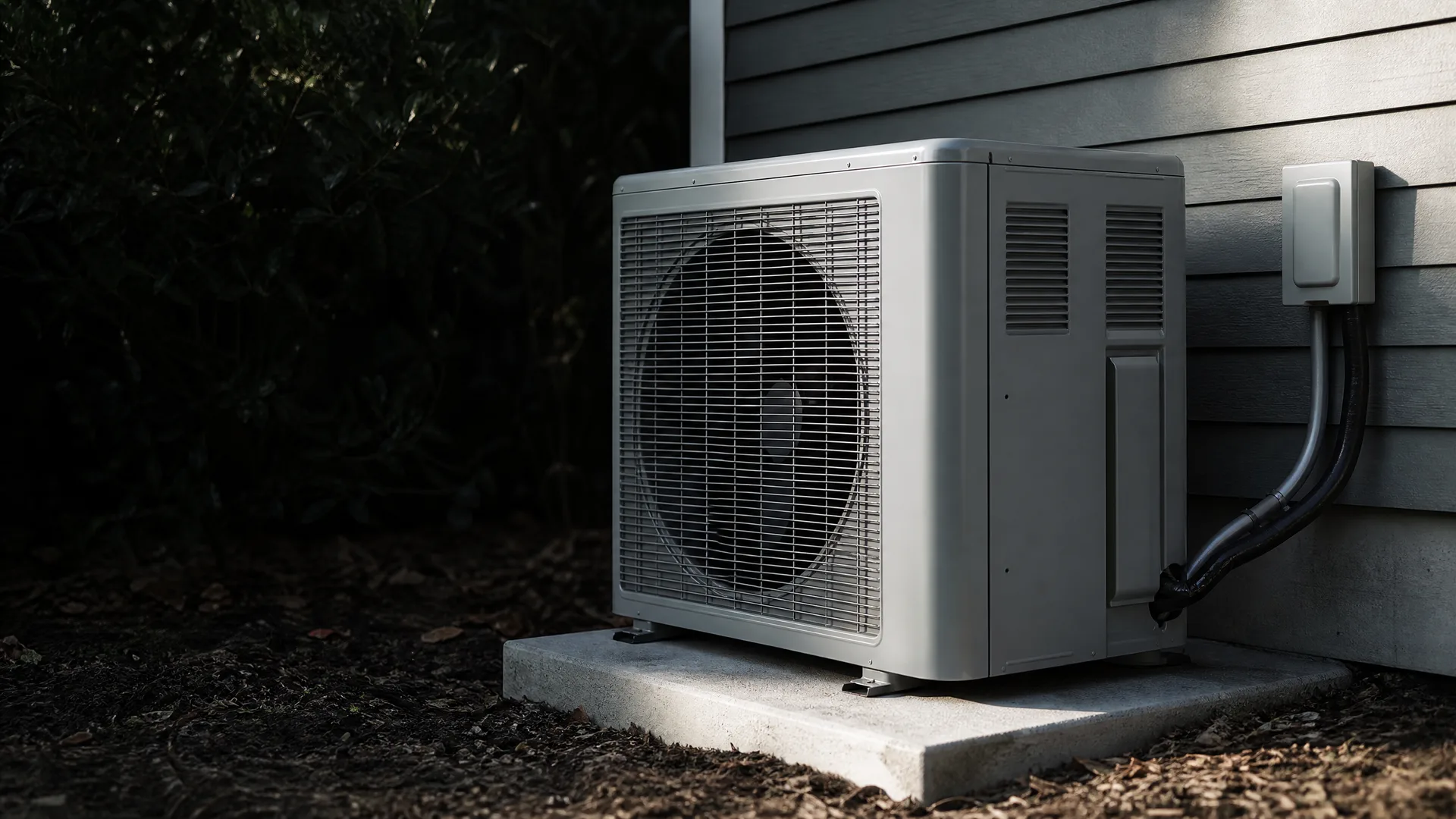
An outdoor air conditioning or heat pump condenser unit on a concrete pad beside a gray horizontal-sided house, with a disconnect box and conduit on the wall and dark shrubbery to the left.

Get the right pro for your heat pump

RepairHeat PumpNorth Carolina
Step 1 of 2

What ZIP code is the job in?