Why heat pumps struggle in sticky North Carolina summers

RepairHeat PumpNorth Carolina
Step 1 of 2

What ZIP code is the job in?

Why does my heat pump struggle to cool my house in the summer?

Summer here brings thick, humid air, and you notice your heat pump running almost nonstop without the house ever feeling quite cool or dry. The thermostat might say it hit the set temperature, but the air still feels damp, and everyone inside is uncomfortable. You want to know if something is wrong with the unit or if this is just how heat pumps handle a North Carolina summer.

Heat pumps lose cooling capacity as the air gets more humid

A heat pump cools by pulling heat and moisture out of the air through its outdoor coil, and that coil has to work harder when the outside air is thick with moisture, the way it gets across North Carolina summers. As the humidity climbs, the system has to run longer to pull the same heat out, and it has less capacity left over to also wring out the moisture. That's why the house can hit the set temperature on the thermostat and still feel damp. If the unit is also low on refrigerant or the outdoor coil is caked with dirt, that capacity drops further, and the long runtimes that are normal in July start to look like the system struggling to keep up at all.

A gray outdoor condenser unit on a concrete pad beside a house with horizontal lap siding, with a wall-mounted disconnect box, conduit and insulated refrigerant lines, a shrub at left and gravel at right.

When it's keeping up

A heat pump that's handling the humidity cycles on and off at fairly regular intervals. The air coming out of the vents feels cool and a little dry, and the house holds its temperature between cycles instead of creeping back up within the hour.

An outdoor air conditioning condenser unit on a concrete pad beside a house with horizontal lap siding, with a green shrub to the left and a wide concrete slab in the foreground.

When it's falling behind

If the unit outside runs long stretches without shutting off, or you feel clammy air indoors even with the thermostat satisfied, the system is moving air without pulling enough moisture out of it. Left alone, that strain on the unit tends to get worse as the summer goes on.

A woman in a knitted shawl sits in a living room with a fireplace, shelves, a sofa with cushions, and a lamp by a bright window, looking off to the side.
A woman with long brown wavy hair in a green shirt over a white top stands in a living room with built-in white shelves, a ceiling fan, a potted plant and a sliding glass door.
A woman with shoulder-length gray-streaked hair in a light gray knit sweater stands smiling and looking off to the side in a living room with a sofa, houseplant, framed picture, and sunlit sliding glass door.
A woman with shoulder-length curly gray hair wearing a gray knit sweater stands near a window with a sheer curtain, looking to the side, with a blurred interior room behind her.

What humidity does to a heat pump

A heat pump cools your house by pulling heat out of the air, and pulling moisture out is a side effect of that, not the main job. On a muggy day the air holds a lot more moisture than it does on a dry one, so the system has to move more air across the coil to wring the same comfort out of it. If the coil is dirty or the refrigerant charge is off, it can't shed that moisture fast enough. The thermostat reads the temperature, not the moisture in the air, so it can say the house hit 72 while the air still feels wet against your skin.

Why the fix is often electrical, not refrigerant

A lot of homeowners assume a struggling heat pump needs refrigerant, but a worn contactor, a failing capacitor, or a dirty outdoor coil will cause the same slow, muggy cooling. Since most homes here run on electric heat, that same heat pump works all year, which means more hours on the compressor and the fan motor than a system that only cools in summer. A contractor local to North Carolina who services this equipment through every season knows which of those parts tends to go first and checks it before assuming the charge is low.

A woman and a child wrapped together in a knitted gray blanket on a couch, with the child's head resting on her shoulder and a lit table lamp and houseplant in the background.
A smiling older woman with gray hair in a cream knit sweater stands in a dimly lit kitchen beside a window showing snow outside, with a round loaf of bread on the counter in the foreground.
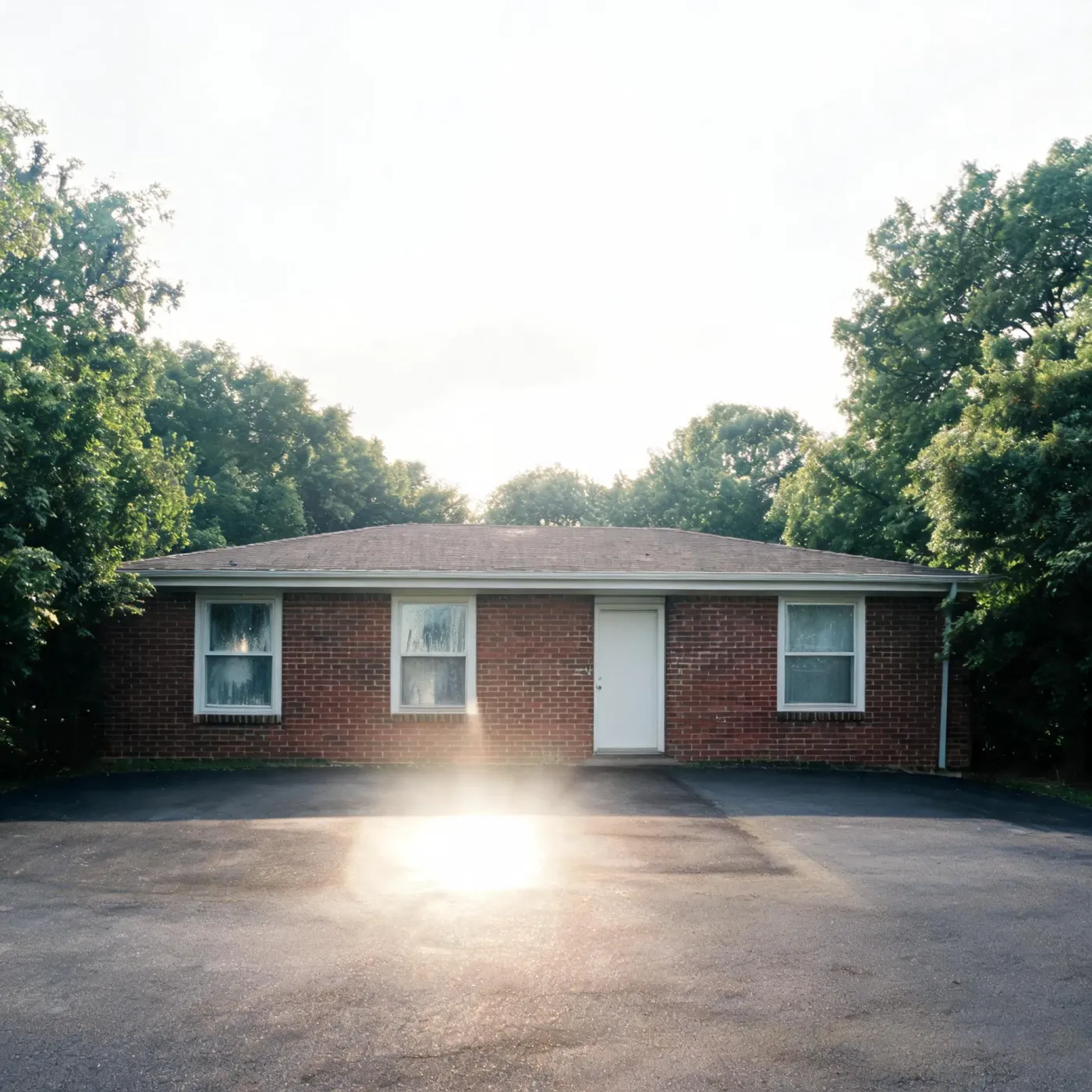
A single-story red brick house with a white door and three white-framed windows, fronted by an asphalt parking area with sun flare, surrounded by green deciduous trees under a bright hazy sky.

Summer air in North Carolina averages a dew point of 67°F across June, July and August, according to NOAA climate data. That's thick enough to feel sticky even when the thermostat says the house is at temperature. For your heat pump, that means more hours spent wringing moisture out of the air on top of cooling it, which is why it can run long stretches without the house ever feeling dry. If yours is falling behind this summer, running constantly, or blowing air that feels cool but damp, send in the form on this page. A licensed contractor local to you, one who works on heat pumps all season and knows what gives out first in weather like this, will take it from there.

NASA POWER T2MDEW county cells weighted by homes

Hand off the search today

A heat pump that's running long hours in this kind of humidity isn't always just working hard, it may be falling behind on something a tech would catch in minutes: a low refrigerant charge, a dirty coil that can't pull moisture out anymore, a reversing valve that's not switching clean. The longer it runs without actually fixing the air, the more it costs you on the power bill, and the more strain it puts on parts that are already working overtime in this weather. Someone who repairs these systems in North Carolina all summer knows which of those it usually is before they even open the panel, because they're seeing the same few failures on heat pumps in this kind of humidity over and over. Send the request and the search for that person is off your plate. One licensed local contractor who works on this equipment gets your information, not a handful of companies competing for the job, and you can get back to waiting for cool, dry air instead of a thermostat that never quite gets there.

How a heat pump actually cools

  • A heat pump moves heat with refrigerant, and that same refrigerant has to run cold enough to pull moisture off the indoor coil.
  • The reversing valve is what switches the system between heating and cooling, and a valve that's slipping can leave it stuck halfway between modes.
  • Low airflow across the indoor coil gives the refrigerant less chance to pick up moisture before the air goes back into the house.
  • A heat pump's defrost cycle matters in winter, but in summer the compressor runs almost continuously, which is harder duty than most people realize.
  • The outdoor unit has to reject heat into air that's already near 90°F, which narrows the gap it has to work with.
  • A dirty condenser coil outside forces the compressor to work harder just to move the same amount of heat.

A heat pump cools your house the same way it heats it, just running backward. Refrigerant inside the lines absorbs heat from indoor air at the coil in your air handler, then carries that heat outside and releases it through the outdoor unit. For that indoor coil to pull moisture out of the air along with the heat, the refrigerant moving through it has to run cold enough. If the charge is low or the coil is dirty, the refrigerant doesn't get cold enough, and the air passing over it comes out cool but not dry. The reversing valve is what tells the system whether to act as an air conditioner or a heater. It's a mechanical part, and like any mechanical part it can start to slip, leaving the system stuck between modes instead of fully in cooling. Airflow matters just as much as refrigerant temperature. Air has to move across the indoor coil slowly enough to shed its moisture, and a clogged filter or blocked return cuts that contact time short. Outside, the unit is trying to dump the heat it collected into air that's already near 90°F in a North Carolina summer, which leaves less of a temperature difference to push against. A dirty outdoor coil makes that harder still, since it can't shed heat as well and the compressor has to run longer to move the same amount of heat out of the house.

Power costs 14.00 cents per kilowatt-hour statewide

At 14 cents a kilowatt-hour, those long summer run times on your heat pump show up on the bill fast. Most homes here heat with electricity too, so a system that's struggling to pull out moisture is costing you year round, not just in July and August.

EIA-861 2025 statewide residential average

A dark bedroom with an unmade bed and pillows beside a curtained window showing rain-streaked glass and palm foliage outside.

It's past midnight and you're still awake, the sheet stuck to your back no matter which way you turn. The window's fogged along the edges where the cooler glass meets the air inside, and the ceiling fan hasn't helped in an hour. Down the hall you can hear the unit outside still running, the same low hum it's had on since before dinner. You get up and check the thermostat in the hallway. It says 72, the number you set it to. It doesn't feel like 72. You go back to bed, flip the pillow to the dry side, and lie there listening to the compressor kick on again.


A heat pump that runs long hours in North Carolina humidity without pulling the house dry isn't a system you have to live with. Somewhere in it, a refrigerant charge is low, a coil is dirty, or a reversing valve isn't seating the way it should, and any of those is a repair a tech makes on a service call, not a reason to replace the unit. Once you send the request, the search is off your plate. You get matched with one licensed contractor local to your area, not a handful of companies calling at once, and someone who services heat pumps through North Carolina summers season after season already knows which of these three it tends to be before they pull the panel off. You stay as comfortable as the rest of the house tonight, and the next muggy stretch doesn't come with the same long runtimes and sticky air.

Dark metal roofs and a stone chimney of a house seen from above, framed by moss-draped trees, with forested hills and hazy mountains under a cloudy sky in the background.

Hand off the heat pump problem

Find a licensed pro

There's no charge for the request.

A local contractor who works on heat pumps all summer can usually spot a low charge or a failing reversing valve faster than you'd expect. Send the request and one licensed tech near you takes it from there, so you're not stuck fielding calls from several companies while your house stays sticky.