5 months of daily cooling
May through September, a mini split runs every day here. A system that's one head short will show it fast, especially once a room's door stays shut.
Get matched with a mini split pro in Alamance County
A mini split can cool a whole house, but whether yours will depends on how many zones you have and how your house is laid out. One wall unit in the living room won't touch the bedrooms down the hall. This page gets into what it takes to cover a whole house in Burlington, and sizing it right for the heat and humidity here matters as much as the equipment itself. A local contractor who installs these year-round can look at your layout and tell you what it actually needs.
Find a pro near meA mini split can cool a whole house in Burlington, but it has to be sized and laid out for the whole house, not just the room where the indoor unit hangs. Each indoor head cools the space around it. Heat doesn't move well through walls and down hallways, so a single zone handles an open floor plan but leaves closed-off bedrooms warm. Covering a whole house usually means a multi-zone system, with one indoor unit per room or area, all run off a single outdoor condenser. That matters here because Alamance County summers stay hot and humid for months at a time, and a mini split working against that load in rooms it wasn't sized for will run constantly without getting the house comfortable. Get the zone count and the sizing right for your layout, and a mini split cools the whole house the same way central air does. Get it wrong, and you've paid for equipment that only cools part of it.
Cooling runs May through September
Cooling runs May through September. That's five months of your mini split working daily, so every room it's supposed to cover needs its own head or a clear path to one.
Heat runs October through April
Heat runs October through April. Most homes here heat with electricity, and if your mini split is heat pump equipped, it's carrying seven months of that load, not just summer cooling.
Power here costs 14.20 cents per kilowatt-hour
Power here runs 14.20 cents per kilowatt-hour. A system sized right for the whole house runs efficiently at that rate. One undersized unit straining to cool rooms it can't reach runs longer and costs more for the same comfort.
NOAA nClimDiv 1991-2020 · EIA-861 2025
A single indoor head fighting to cool a closed-off bedroom at the end of the hall will run long and still lose ground once the temperature outside climbs into the 90s.
A system with a head in that same bedroom, sized for the square footage it has to cover, holds the room steady through the same stretch of summer without working harder than it should.




May through September, a mini split runs every day here. A system that's one head short will show it fast, especially once a room's door stays shut.
Each indoor unit only cools the space it hangs in. A whole-house layout needs enough heads, placed where the rooms actually are, to match.
Walk the house in August and check. The room with the indoor head feels right. The bedrooms down the hall, the bonus room over the garage, the room behind a closed door, those are the ones that lag. You might notice the thermostat reads fine but the air in the back bedroom still feels heavy. A ceiling fan running all day to move air that isn't actually cooling it. Doors propped open at night because closing them traps heat in that room. None of that is the unit failing. It's one head trying to do a whole house's work. Left that way through a full Burlington summer, the rooms it can't reach stay warm for five months straight, and whoever sleeps in them feels it every night.
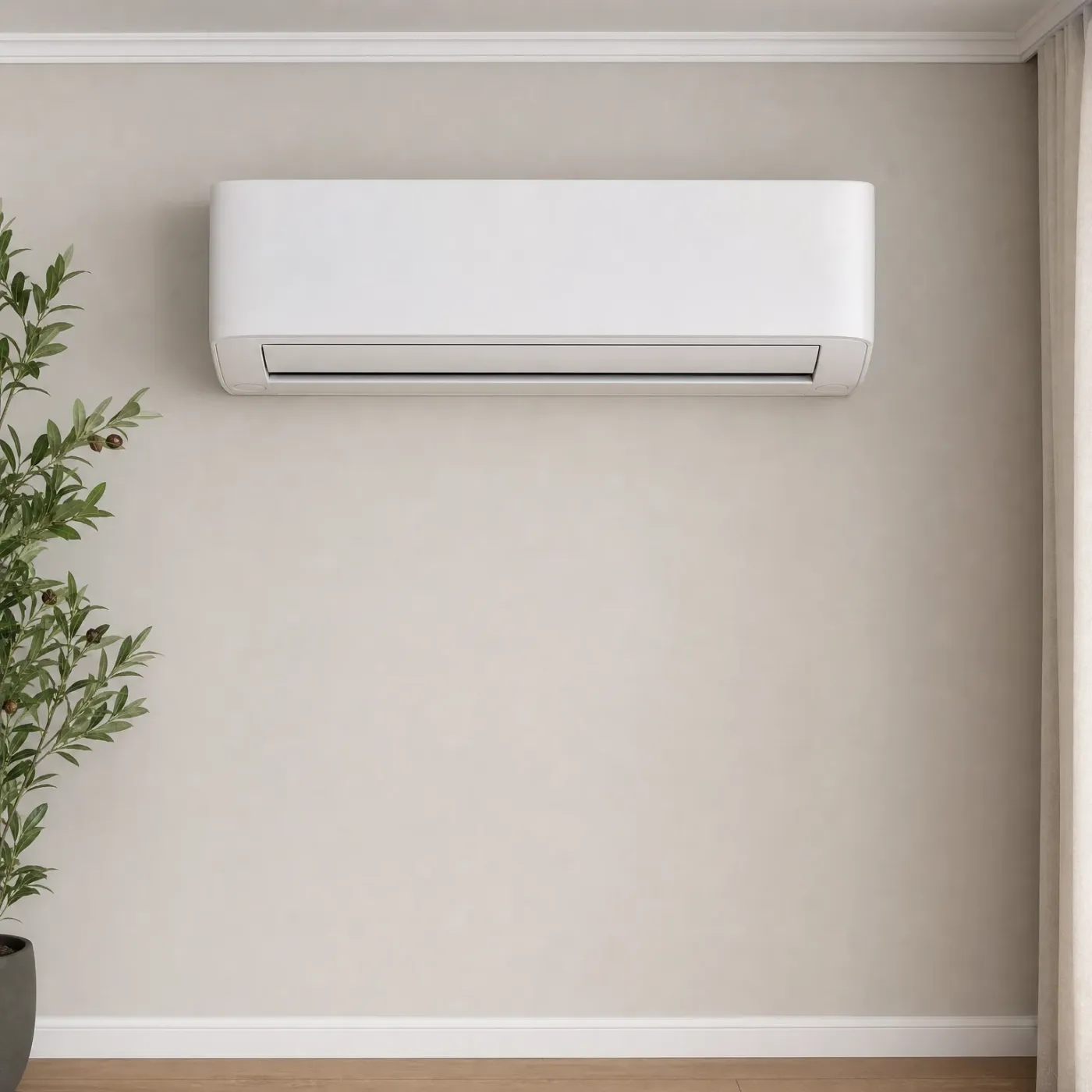
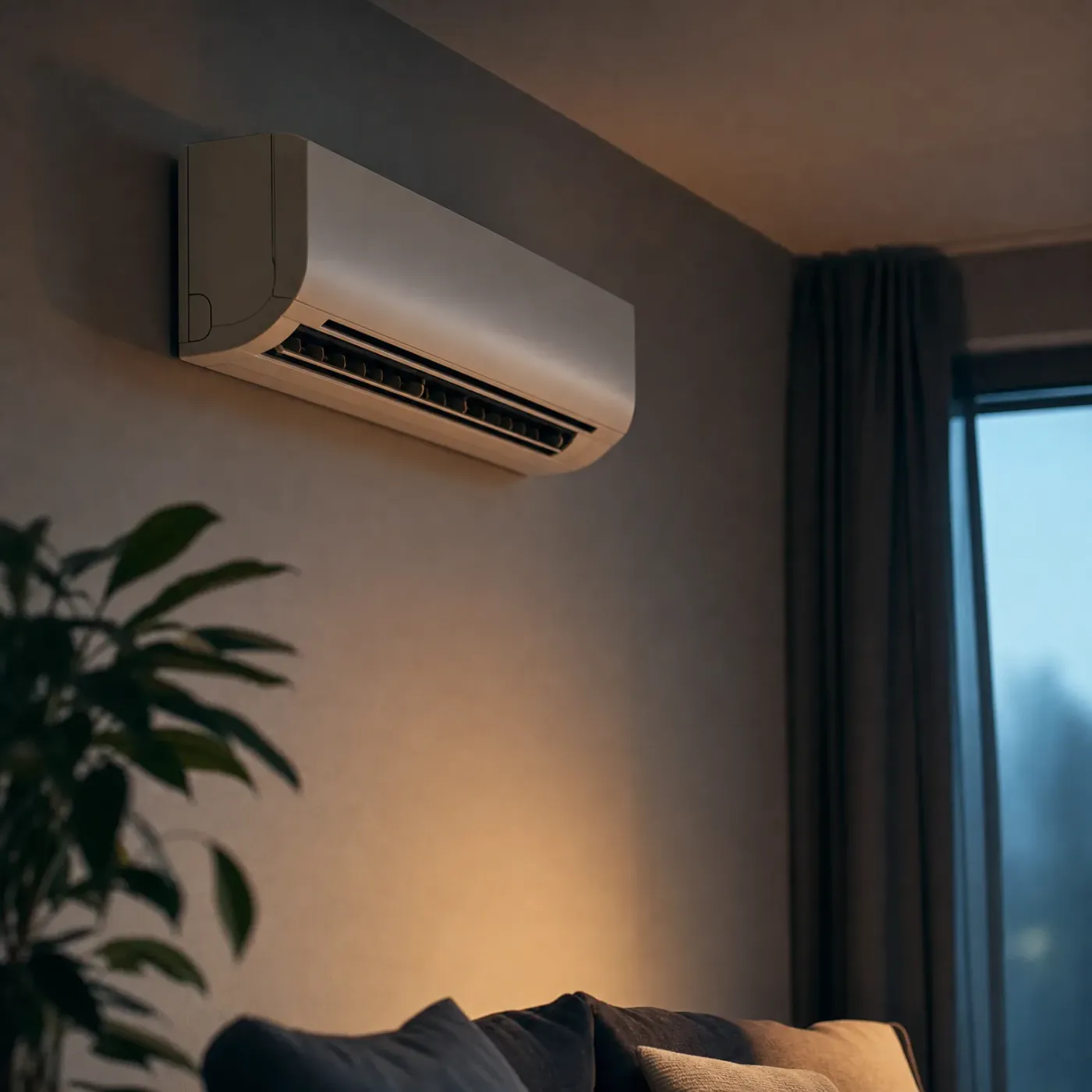
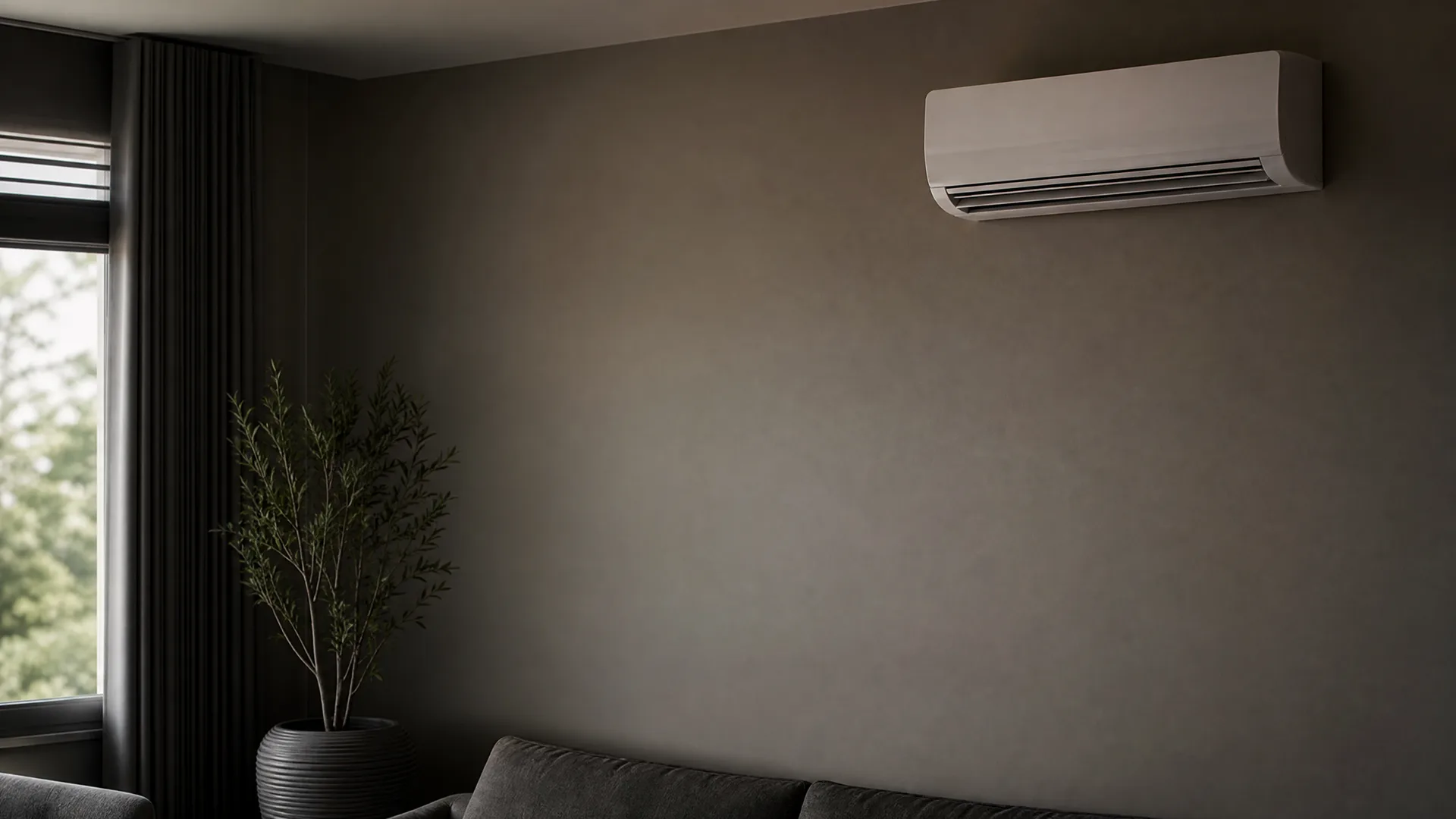
This is what a mini split looks like when it's keeping up. The head on the wall moves enough air to hold the room steady, and nothing around it is working hard to get there. A plant by the wall, a curtain stirring, nothing straining.
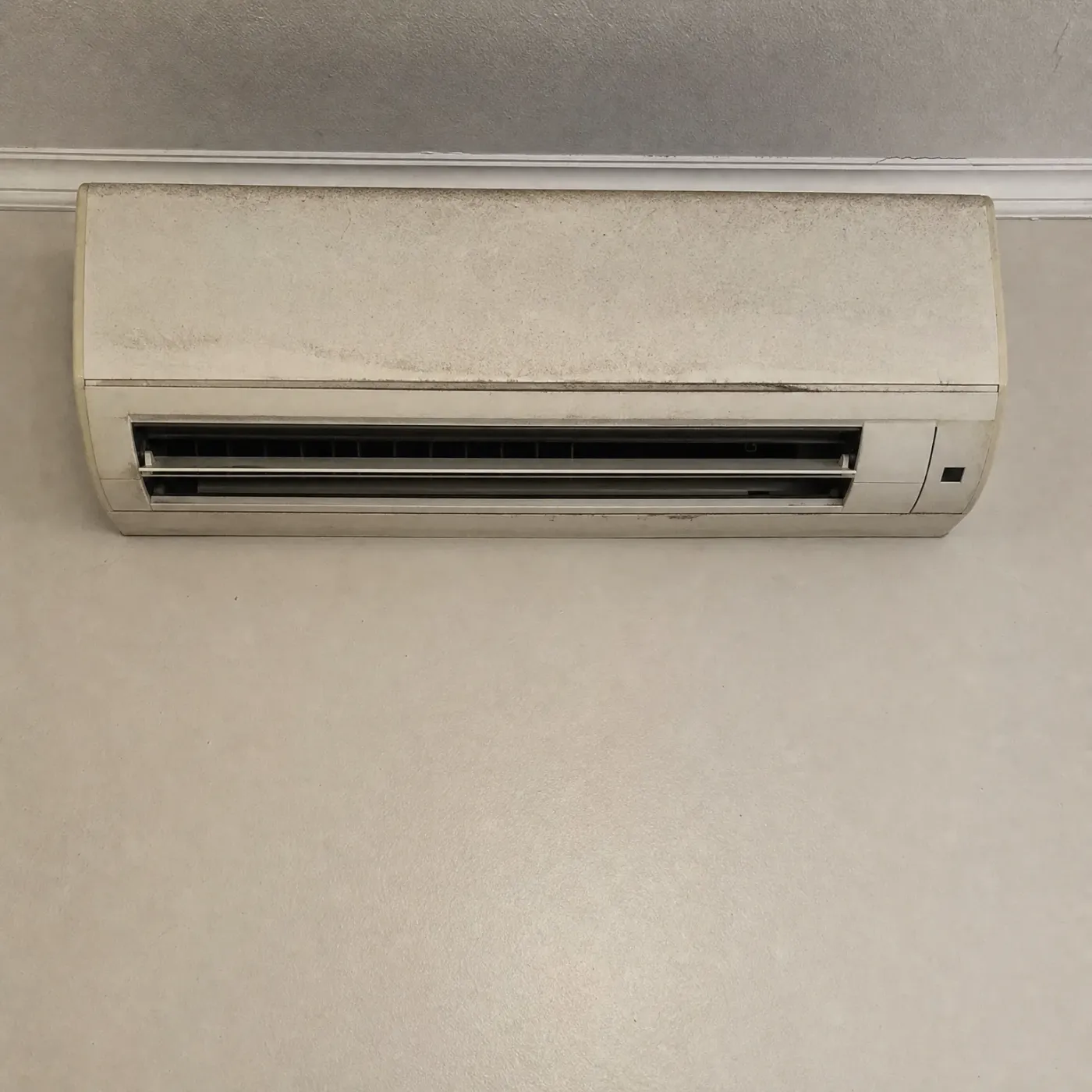
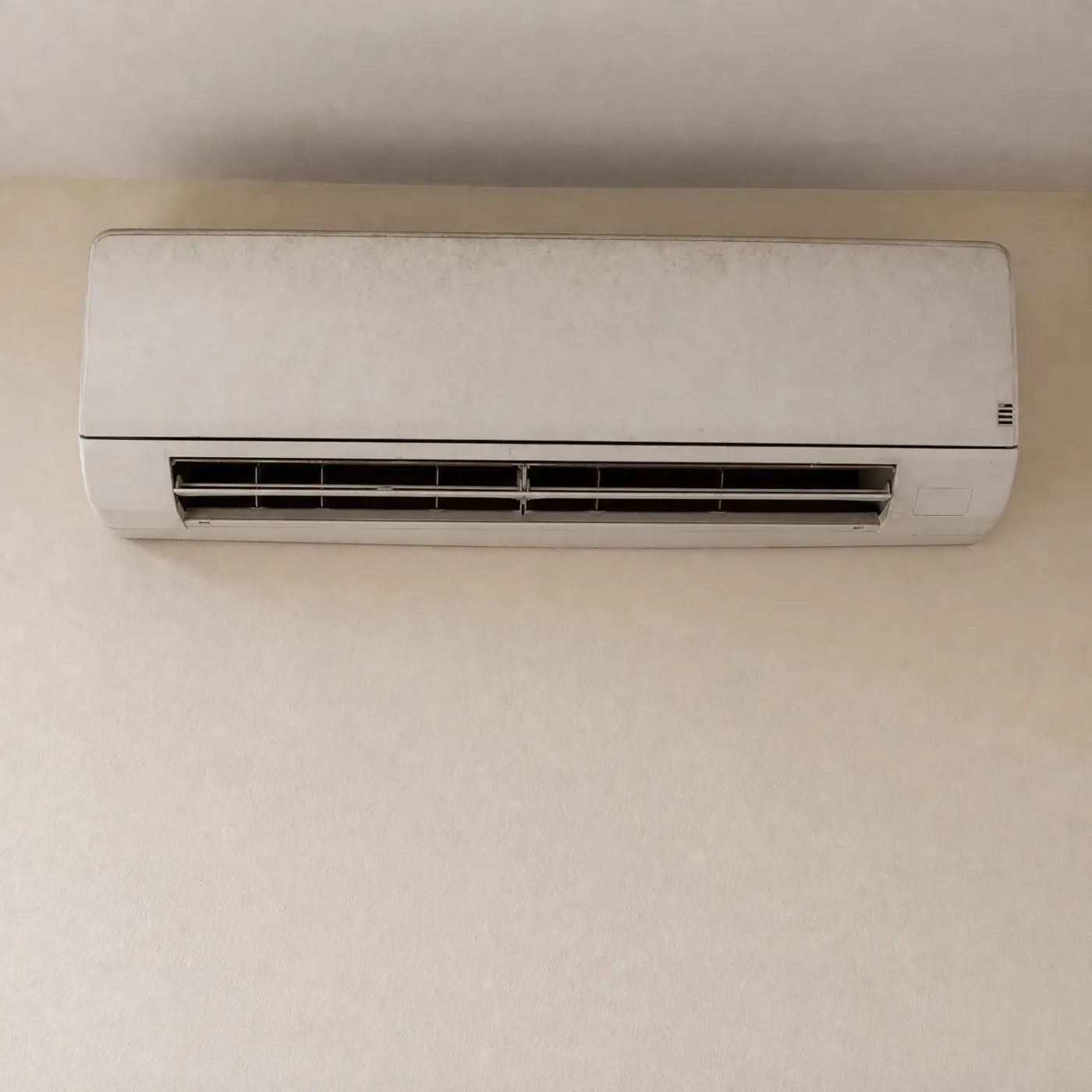
Dust and grime built up like this across the casing and vents usually means the unit has been running long hours without a break, often because it's trying to cover more square footage than it was sized for. A head asked to cool rooms beyond its reach stays on longer and pulls more through the coil.


Five months of daily use adds up fast on a system that's missing a head or two. If your mini split only covers part of the house, those are the months you'll notice it, every afternoon, in the same rooms.
NOAA nClimDiv 1991-2020
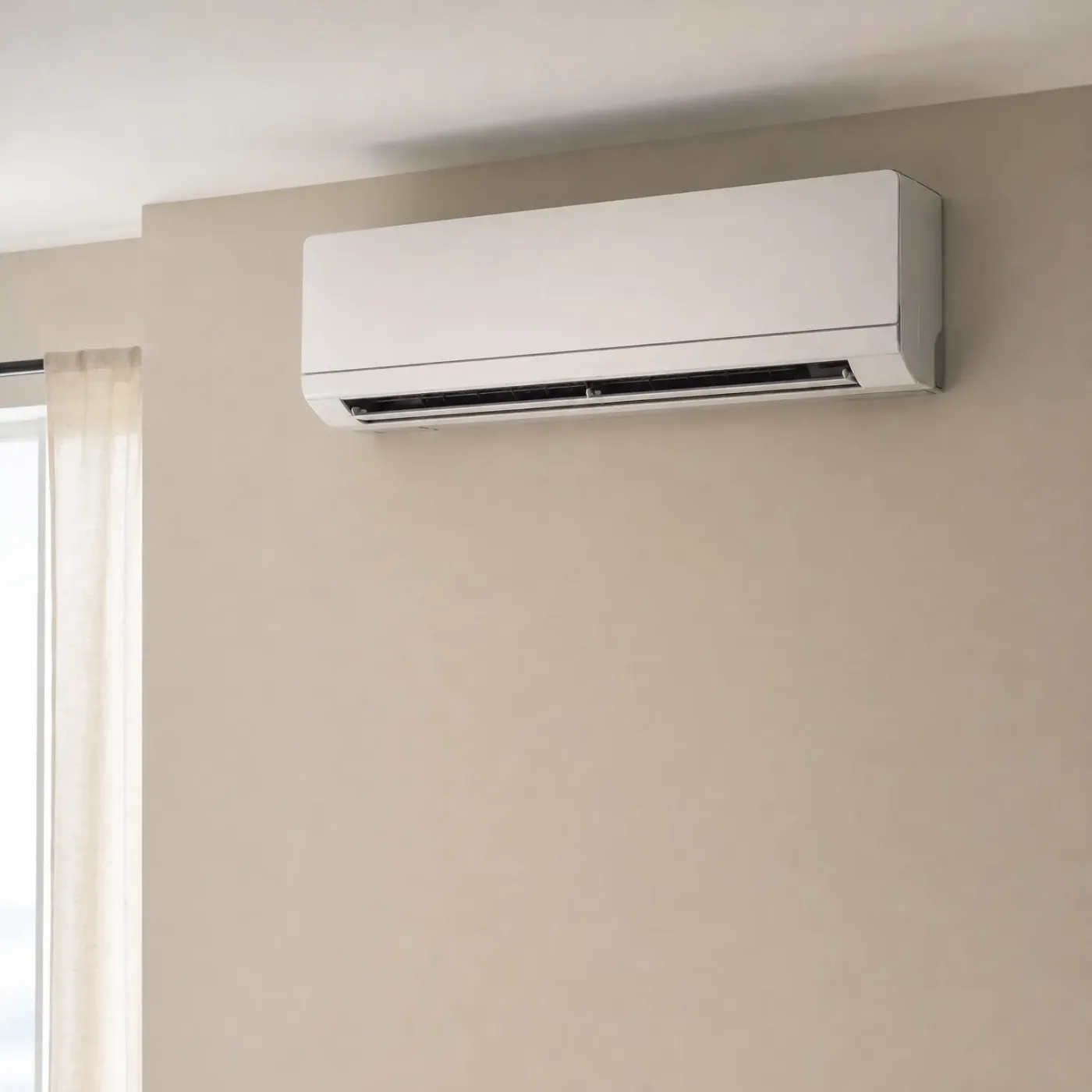
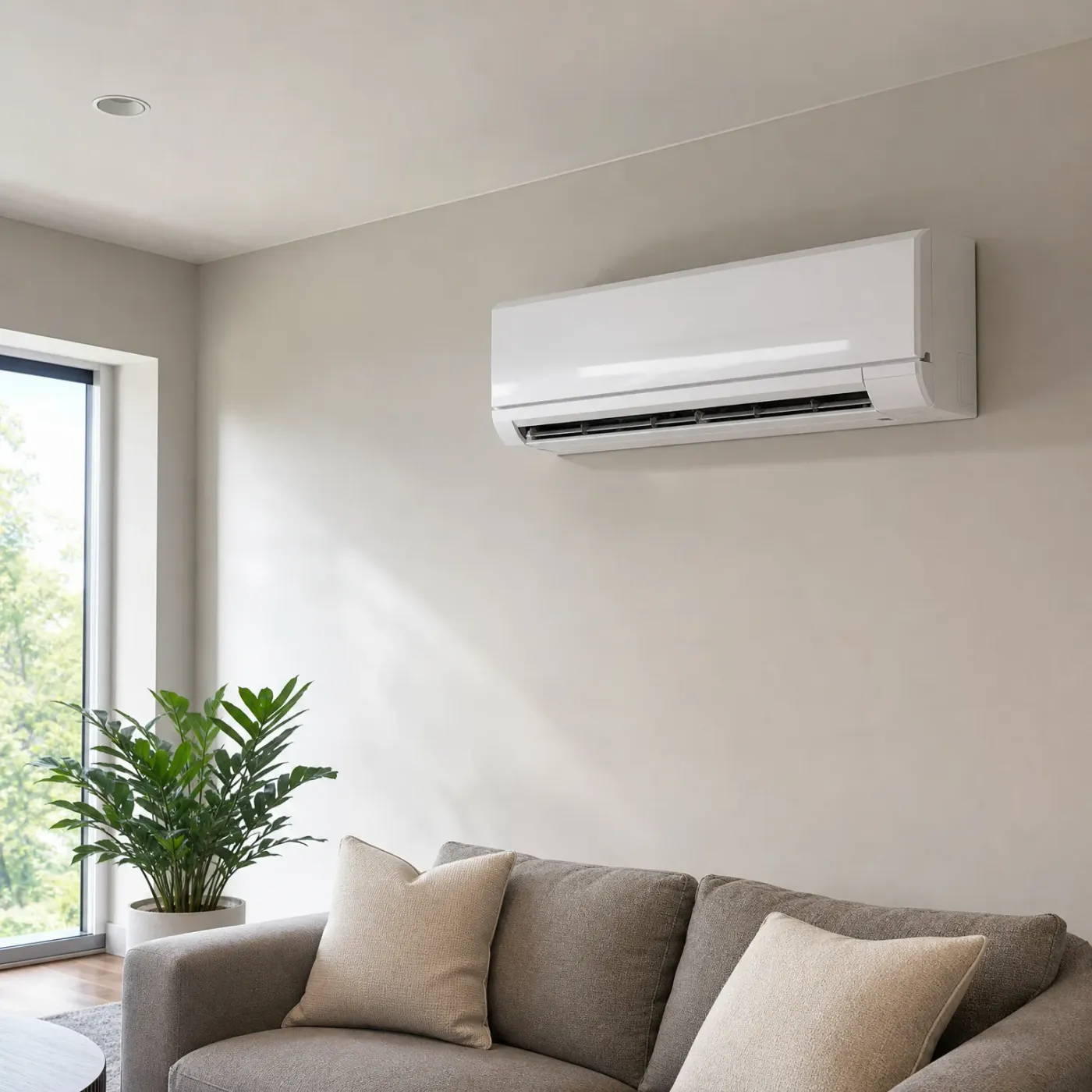
The pro who gets in touch is licensed in North Carolina and works in Alamance County.
Get matched with a pro who works on mini splits in Alamance County.
You only hire the pro if you want to.
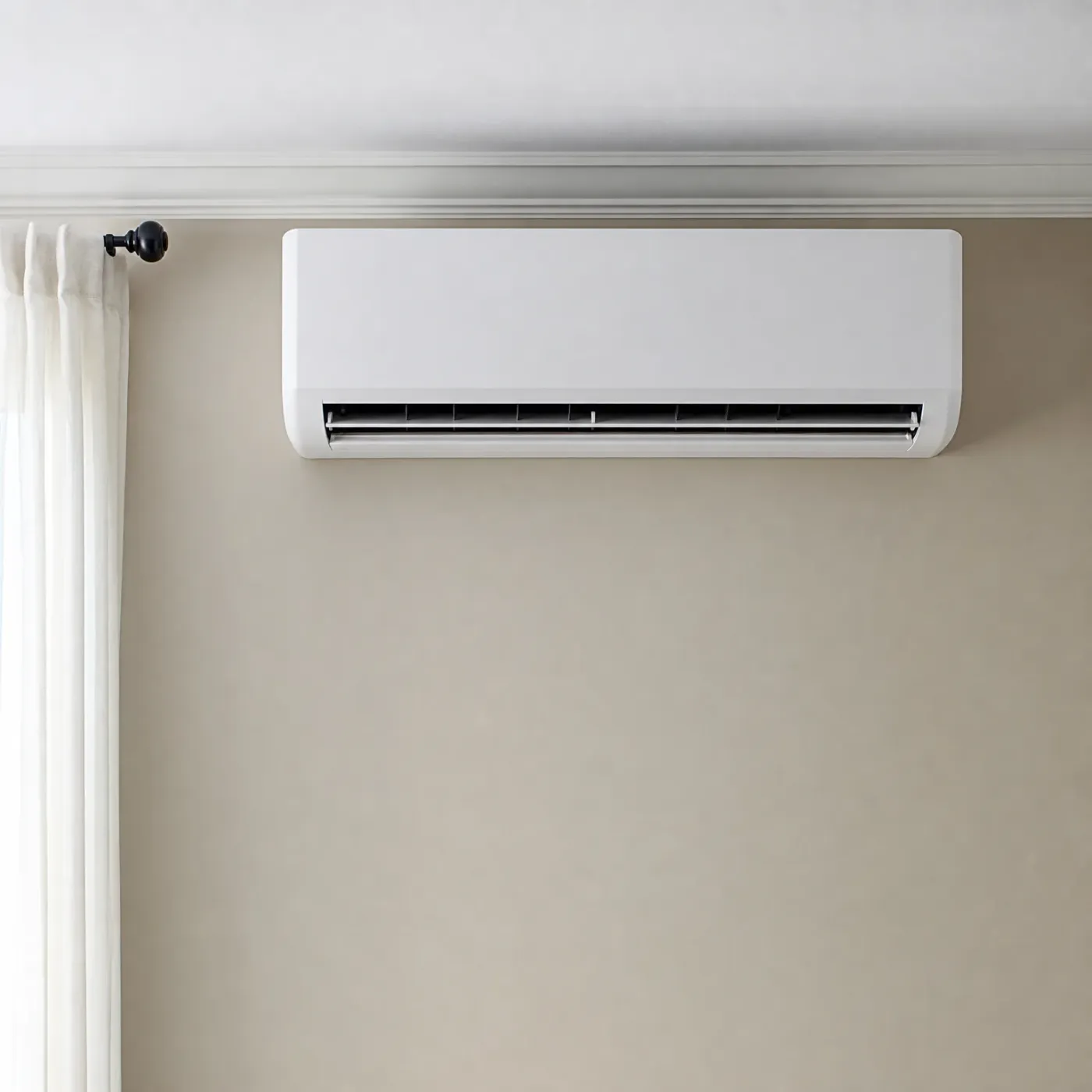
This is a head that's sized right for the space. It sits clean on the wall, moves enough air to hold the room steady, and the curtains nearby barely stir. Nothing around it is straining to catch up on a June afternoon.
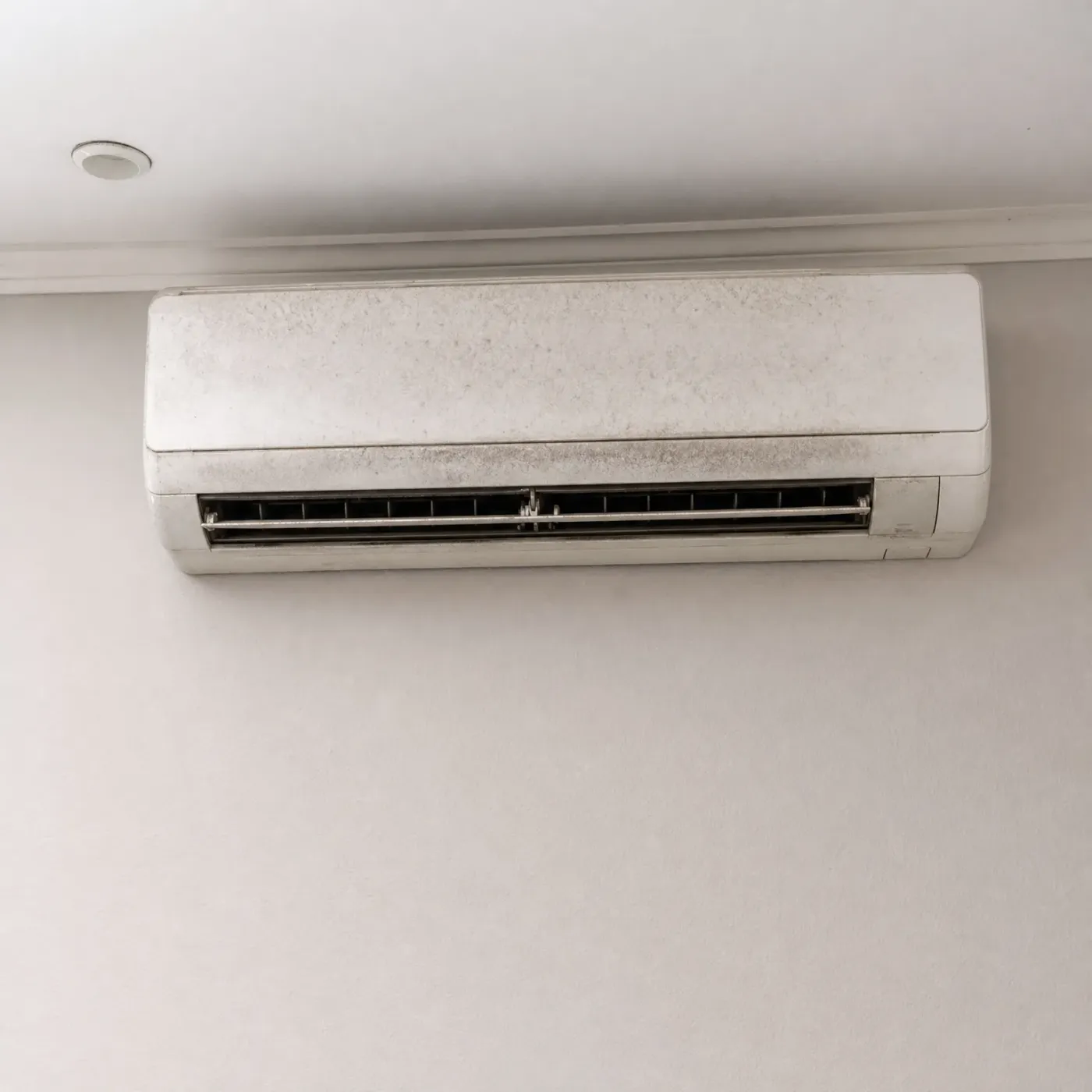
Dust like this builds up on a unit that runs long hours without a break, often one left to cover rooms beyond the one it hangs in. A dirty coil moves less air, so a head already stretched thin falls further behind.

A mini split can cool your whole house in Burlington. Whether yours does comes down to zones and layout, not the brand on the outdoor unit. A head in every room that needs one, sized for that room, carries the house through a long summer. A head missing from the layout leaves a room behind, every single afternoon from May to September.
If you've walked the house and found the rooms that lag, you already know which this is. A local contractor who installs and services these systems around Alamance County can look at what you have and tell you whether it's a layout problem, a sizing problem, or both. You'd be matched with one contractor for your situation, not a handful of companies competing for the job.

A licensed pro who works in Alamance County gets your request.