

Running clean
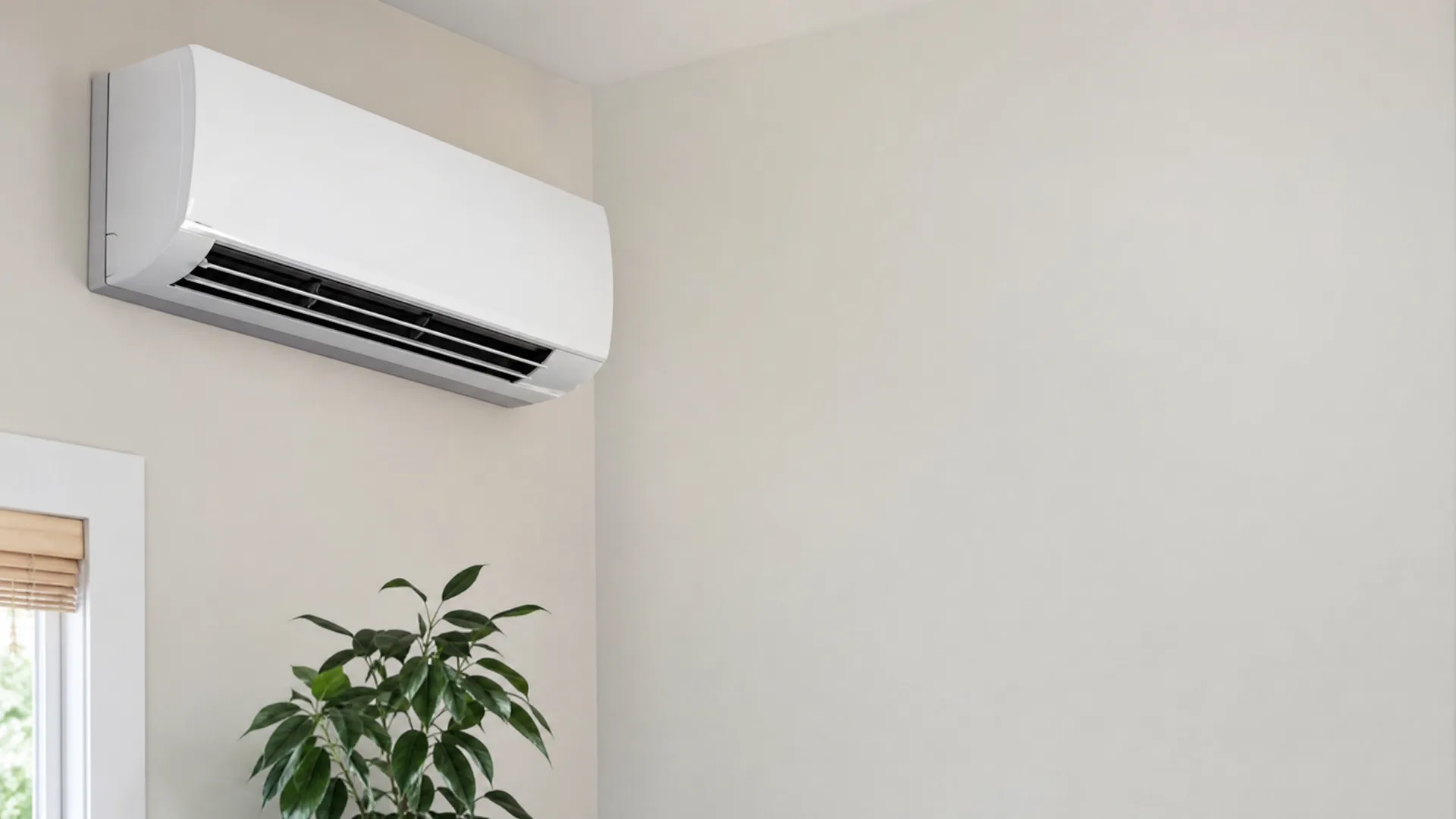
This is what a mini split looks like when the coil behind the filter is clear and air moves across it the way it should. The room it serves stays even, winter and summer, without the unit working harder than it has to.
Describe the project once instead of to every installer.
Describe it onceYes, for most homes in Mooresville. A mini split cools and heats with a lot less electricity than baseboard heat or an older window unit, and since most homes here run on electricity for heat, that difference shows up on the bill every month, not just in July. Summers around Mooresville stay hot and sticky for a long stretch, and winters get cold enough that a heat pump needs to keep up without relying on backup heat strips, which draw power fast. A mini split handles both sides of that without ductwork, which matters if you're heating or cooling a room an addition or a garage conversion that was never connected to a central system. The real payoff depends on how you're using it now and what it's replacing. If you're swapping out electric resistance heat or an aging window unit, the gain is real and it's steady, not seasonal.
Cooling runs May through September
Five months of cooling means the system is earning its keep most of the year, not sitting idle in a closet.
Heat runs October through April
Seven months of heat is the bigger number, and it's the one a mini split handles cheaper than baseboard ever will.
Power here costs 12.86 cents per kilowatt-hour
At 12.86 cents a kilowatt-hour, the fewer kilowatt-hours a system pulls to hold a room at temperature, the less each of those months costs you.
NOAA nClimDiv 1991-2020 · EIA-861 2025
A mini split doesn't burn anything or heat a wire to make warmth. It moves heat from one place to another using refrigerant, the same way a refrigerator does, just in reverse when the seasons change. In summer, the indoor head pulls heat and humidity out of the room air and sends it out to the compressor unit sitting outside your house. In winter, that cycle runs backward. The outdoor unit pulls heat out of the air outside, even cold winter air still holds some, and the indoor head releases it into the room. No ducts carry that air anywhere. The refrigerant line running between the two units does the work instead.
What makes this different from baseboard heat is where the energy goes. Baseboard heat takes electricity and turns it directly into heat, one unit of power in, one unit of heat out. A mini split spends a smaller amount of electricity running the compressor and fan, and lets that energy move a much larger amount of heat. That's the whole reason it costs less to run.
The compressor also doesn't just switch on at full blast and shut off. It adjusts its speed to match what the room needs, holding a steady temperature instead of swinging hot and cold. And because each indoor head has its own sensor, a bedroom nobody's using can sit at a different setting than the room where everyone's gathered.






A mini split's outdoor unit still has heat to pull from even when the air outside feels cold, because the refrigerant inside the line runs colder still. That's how it keeps working through an Iredell County winter instead of shutting down and leaving the backup strip heat to carry the load, which is where the higher bills come from in a lot of systems.
There's no duct system to lose air through. The refrigerant line runs between the outdoor unit and the indoor head, and that's the only path the heat travels. A duct run through an attic or a crawl space loses some of what it's carrying before it reaches the room. A mini split skips that step, which is part of why the same amount of electricity gets more heat or cooling into the room you're sitting in.
Five months of that run time puts real hours on the compressor between May and September. A mini split holds up to that stretch better than a window unit, and because it's already wired in, it keeps pulling its weight once the weather turns cold again.
NOAA nClimDiv 1991-2020


A licensed installer who works in Iredell County gets your project.
It costs nothing to send, and you don't have to hire anyone.

This is what a mini split looks like when the coil behind the filter is clear and air moves across it the way it should. The room it serves stays even, winter and summer, without the unit working harder than it has to.

Dust and grime like this build up on the casing and the filter behind it over time if the unit never gets cleaned. Airflow across the coil drops, the system runs longer to do the same job, and that streaking is usually mold, not just dirt.



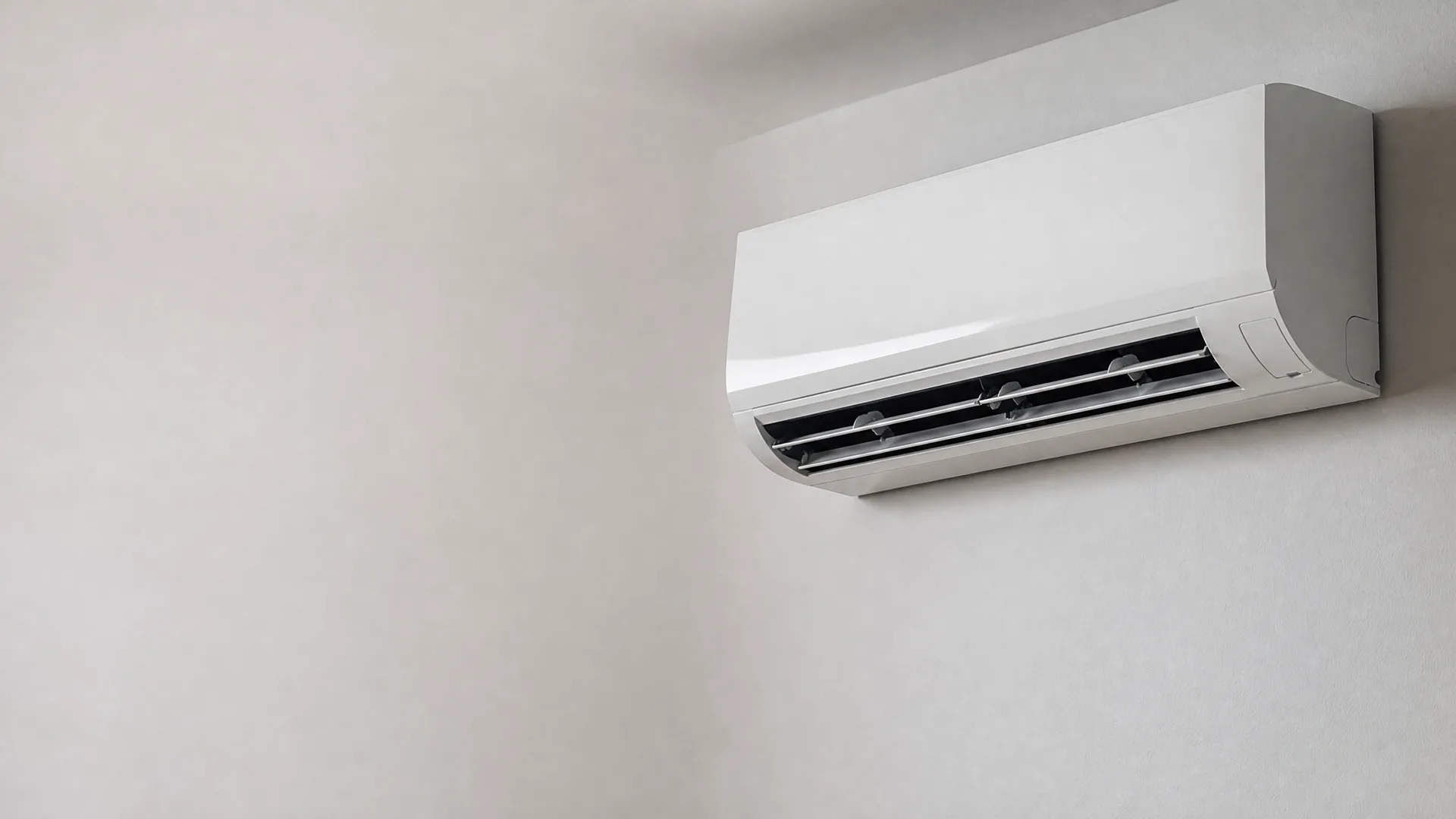
A mini split mounted clean like this is moving air freely across the coil, cooling or heating the room without extra strain. Set up by a licensed local installer who sizes it to the room, it runs this way through a Mooresville summer and the winter that follows.

This much buildup on the panel and louvers means the coil behind it is choking too, and the unit works harder for less heat or cooling. Instead of calling around to find someone who services this equipment, one local contractor who sees this kind of grime every season can get it running clean again.
Notice how long the room takes to feel right after you switch it on. A mini split working the way it should gets a room comfortable in a few minutes, not twenty. Listen for a hiss or a clicking sound from the indoor head, or air coming out weaker than it used to. Check the wall under the unit for a damp streak, which usually means the condensate line is clogged and backing up instead of draining outside. If one room runs warm in summer while another stays fine, or you've started closing that door and running a window unit instead, the system isn't covering what it was sized to cover. Left alone, a unit straining like this runs longer to do less, and that shows up on the bill before it shows up as a repair.
Thermostat calls for cooling or heat and signals the indoor unit.
Refrigerant inside the indoor coil absorbs or releases heat from the room air.
The blower pulls room air across that coil and sends it back out.
Refrigerant travels through the line set to the outdoor unit.

For most homes around Mooresville, yes. Five months of cooling and seven of heat means a mini split is working nearly all year, and in a county where most homes heat with electricity, that's the stretch where it earns its keep over baseboard or a window unit. A unit sized right for the room and kept clean holds that advantage for years.
If yours isn't running that way, the fix starts with finding someone who works on this equipment regularly, not whoever answers the phone first. That usually means calling around, explaining the same problem more than once, and sorting through quotes that aren't really comparing the same job. Requesting help here puts you in touch with one licensed installer local to Iredell County, someone who sees this equipment every season and knows what tends to go wrong with it. You explain it once, to the person who's actually going to look at it.


No quotes to chase