Side profile of a bearded man wearing a dark brown baseball cap and a dark gray t-shirt against a plain light background.

Is a cold-climate heat pump worth it in North Carolina

New system or replacementHeat PumpNorth Carolina
Step 1 of 2

What ZIP code is the job in?

Is a cold-climate heat pump worth it in North Carolina?

Your heat pump already handles the muggy summers here fine. The question comes up around winter, when temperatures drop into the 20s and 30s and you've heard that regular heat pumps lose their punch in the cold, or maybe your current one struggles and you're wondering if the "cold-climate" version is a real upgrade or just a label with a higher price tag.

Usually not, unless your winters run colder than most of North Carolina's

A cold-climate heat pump is built to keep producing heat efficiently well below freezing, down into negative temperatures in some models. Most of North Carolina doesn't stay there long enough to need that. Winters in the Piedmont and coastal areas dip into the 20s and 30s but rarely hold at single digits for days at a time, so a standard heat pump keeps up without leaning hard on backup electric heat. In the mountains, where nights get colder and stay there longer, a cold-climate model earns its keep by not falling back on backup heat strips as often. Since most homes here already heat with electricity, that difference shows up on the bill through the winter months rather than in whether the house stays warm.

A gray outdoor condenser unit sits on a concrete pad beside a house with horizontal lap siding, with a wall-mounted disconnect box and refrigerant lines, mulched beds and a shrub nearby, and a concrete walkway in the foreground.

Standard heat pump, maintained

A unit like this one keeps up through a North Carolina winter without much drama. It cycles into defrost when frost builds on the coil, runs the backup heat strips for the coldest stretches, and gets back to normal once temperatures climb back into the 40s.

An outdoor air conditioning condenser unit with dusty coils sits on a concrete pad against light horizontal siding, with an electrical disconnect box and refrigerant lines on the wall and a shrub and mulch at left.

Standard heat pump, struggling

A dirty, older unit works harder for the same heat. The coil can't shed frost as well, so it leans on backup heat strips more often, and that shows up on your electric bill during the stretches of nights in the 20s and 30s.

An older man with gray hair and a beard, wearing a dark snow-dusted jacket and scarf, stands smiling in a warmly lit interior hallway with a lit table lamp, a vase of dried branches, and a framed picture in the background.
An older man in a dark snow-flecked overcoat and scarf stands smiling in a warmly lit home entryway, with a glass-paned door showing darkness outside and a lamp-lit room visible through a doorway behind him.
An older man with grey hair and a beard, wearing a dark coat dusted with snow, stands in a dimly lit entryway with a ceiling lamp, a side table with two shaded lamps, and a lit fireplace visible in a room beyond.
An older man with gray hair and a beard, wearing a dark coat dusted with snow, stands smiling in a doorway of a warmly lit home with a sofa, lamp and window visible behind him.

The difference comes down to the compressor. A standard heat pump has one speed: on or off. A cold climate model uses a variable speed compressor that ramps up as it gets colder outside, pulling more heat from the outdoor air instead of giving up and handing the job to backup strips. It can keep doing that down into the teens, which is well below where a standard unit starts leaning on electric heat strips. Part of how it manages this is a circuit called enhanced vapor injection, which feeds extra refrigerant into the compressor partway through the cycle to keep heat output up when the air outside is thin on heat to begin with. Defrost still happens the same way it does on any heat pump, reversing briefly to clear frost off the outdoor coil before going back to heating. The backup strips are still there. They just run less, because the compressor is doing more of the work itself, which is also why the indoor temperature holds steadier instead of swinging hot and cold.

How a cold climate compressor works

  • A cold climate heat pump uses a variable speed compressor that ramps up output instead of just switching on and off.
  • That compressor can still pull heat from outdoor air when it drops into the teens or lower, a range where a standard unit leans hard on backup strips.
  • An enhanced vapor injection circuit feeds extra refrigerant into the compressor mid cycle, which keeps the heat output up when it's cold outside.
  • Defrost cycles run the same way as on a standard unit, reversing briefly to melt frost off the outdoor coil.
  • Because the compressor modulates, the system holds a steady indoor temperature instead of swinging between a blast of heat and none at all.
  • The backup heat strips still exist in a cold climate system, but they stay off more often since the compressor covers more of the load on its own.
A gray outdoor condenser unit on a concrete pad beside a light-colored horizontal-siding house, with a disconnect box and refrigerant line on the wall, ornamental grasses and a shrub in mulch nearby, and a concrete patio in the foreground.
A heat pump that's been kept up, sitting clean on its pad with the lines and disconnect box in good order, holds its own through a Carolina winter.
An outdoor air conditioning condenser unit on a concrete pad beside a house with horizontal lap siding, with a green shrub to the left and a wide concrete slab in the foreground.
Left to run without a yearly check, the same unit struggles when it matters most, and a coil or capacitor problem shows up as a cold house in January.
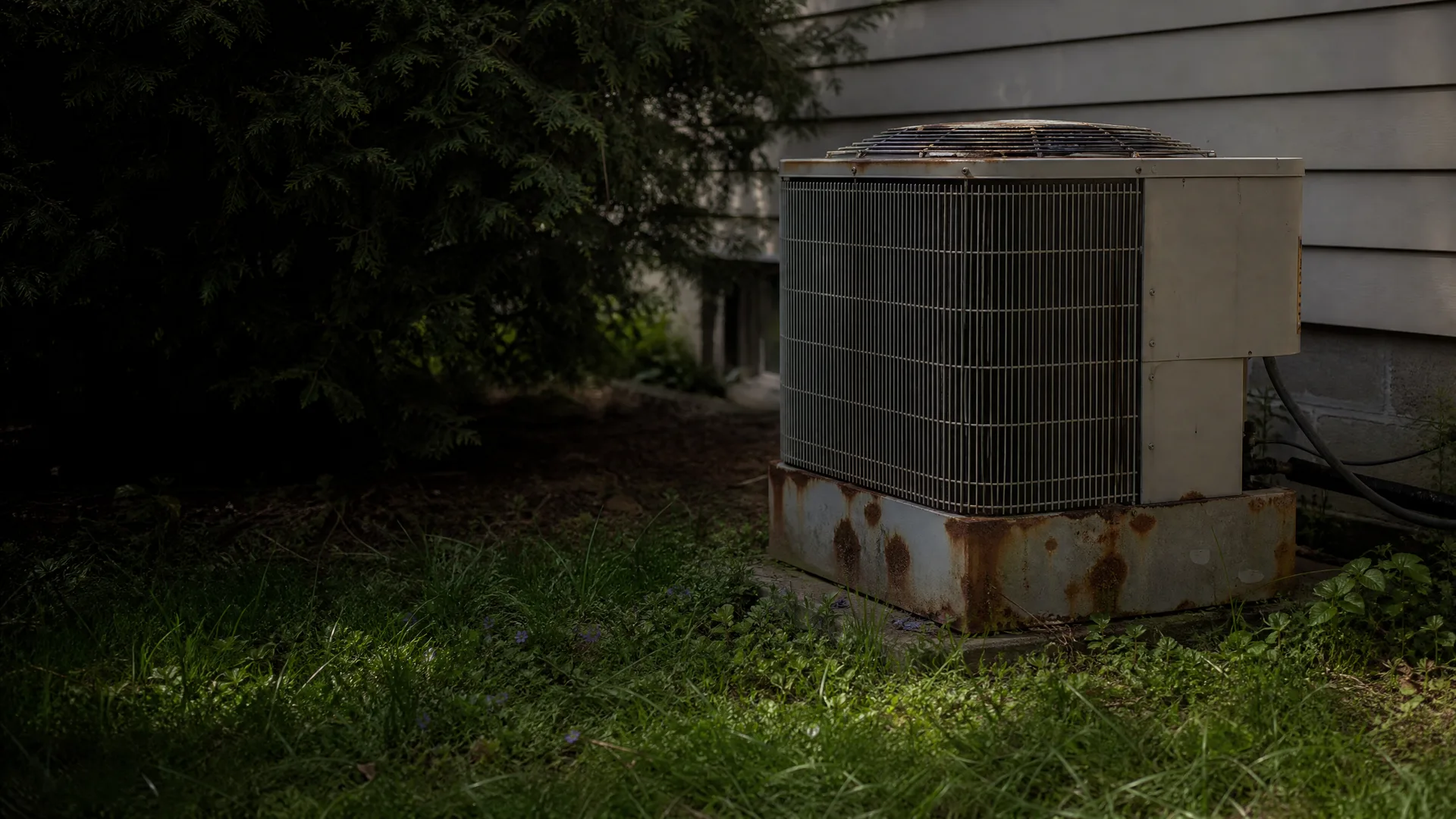
An outdoor air conditioner or heat pump condenser unit sits on a rusted concrete pad beside a house with horizontal siding, surrounded by grass and dark evergreen foliage.

You walk out to the side yard in March to turn the unit back on for the season. The grass is still flattened where snow sat a few weeks back. Rust has worked its way along the base of the cabinet, and one of the bottom corners has started to flake. You crouch down and notice the panel seams don't sit as tight as they used to. It ran all winter without complaint, but looking at it now, you wonder what shape it's really in underneath. You take a picture of the rust on your phone before you go back inside, thinking you'll have someone take a look at it who can tell you whether it's still sound or on its way out.


A local pro for your heat pump installation

Send the form and stop researching installers for the new heat pump.

You only hire the pro if you want to.

What backup heat actually costs you

Your standard heat pump already has backup heat strips built in for those cold mornings. They work, but they run on straight electric resistance, which pulls a lot more power than the compressor does to produce the same warmth. Most homes in North Carolina heat with electricity already, so that difference shows up on the bill every time the strips kick on below freezing. A cold climate heat pump leans on its compressor through more of that range instead of handing the job to the strips. The strips are still there for the rare single digit night, but they're not doing the daily work a standard unit asks of them once temperatures settle into the 20s and 30s for weeks at a stretch.

Where the compressor stops helping

Every heat pump has a point where the outdoor air holds too little heat for the compressor to pull out efficiently, and that's where backup strips take over. On a standard unit that point sits higher, often somewhere in the 30s, so the strips are doing real work through a good stretch of a North Carolina winter. A cold climate compressor pushes that point down into the teens or lower. It doesn't change what the strips are for. It changes how often they're needed, which matters most on the stretch of days when the temperature doesn't climb back above freezing until afternoon.

A woman wrapped in a thick fleece blanket sits on a sofa holding an open book, beside a lit table lamp and a frost-covered dark window.
An older woman with short blond hair in a cream turtleneck sweater stands smiling and looking off-camera in a kitchen, with a loaf of bread, a lit candle, a window showing darkness outside, and wood cabinets behind her.

Stay with your standard heat pump

You keep what you have and lean on backup strips for the coldest mornings. Fine if your winters mostly sit in the 30s and 40s and you don't mind the occasional higher bill.

Hand off the search

Move to a cold climate model

You get a compressor built to keep pulling heat when it drops into the teens, so the strips stay off more often and the house holds its temperature through the hard stretches of winter.

Hand off the search
An outdoor air conditioner condenser unit on a concrete pad beside a house with beige vinyl siding, with a gray electrical disconnect box and insulated refrigerant lines on the wall and river rock to the right.
Before you get your heat pump installation
A gray outdoor condenser unit on a concrete pad beside a light green lap-sided house, with a wall-mounted electrical disconnect box, mulch bed with shrubs, river rock, and a paved walkway in the foreground.
After you get your heat pump installation
  1. Outdoor temperature drops and the standard compressor starts losing output fast.

  2. A cold climate compressor ramps speed up instead of just cycling on.

  3. Refrigerant keeps pulling heat from outdoor air well below freezing.

  4. The system shifts to backup strips only when it truly has to.

Power costs 14.00 cents per kilowatt-hour statewide

At 14 cents a kilowatt-hour, every hour your backup strips run on a cold morning shows up on the bill. A compressor that keeps working down into the teens instead of handing off to resistance heat is what keeps that number from climbing every time it freezes.

EIA-861 2025 statewide residential average

A standard heat pump in North Carolina handles most of the year without issue. It's the handful of mornings in the teens and single digits where a cold climate compressor earns its keep, pulling heat from outdoor air instead of handing the job to backup strips that run up your bill. If your current unit is aging or already leaning hard on those strips every winter, that's worth a look from someone who can check it in person. You don't have to figure out on your own whether a cold climate model makes sense for your house or whether your existing system just needs attention. Send the form and a contractor who knows these units will take it from there, matched to what your home actually needs. That's one less thing on your list before the next cold snap comes through.

Empty room corner with beige walls, chair rail and raised panel wainscoting, a white-framed window showing green trees, and sunlight falling across a hardwood floor.
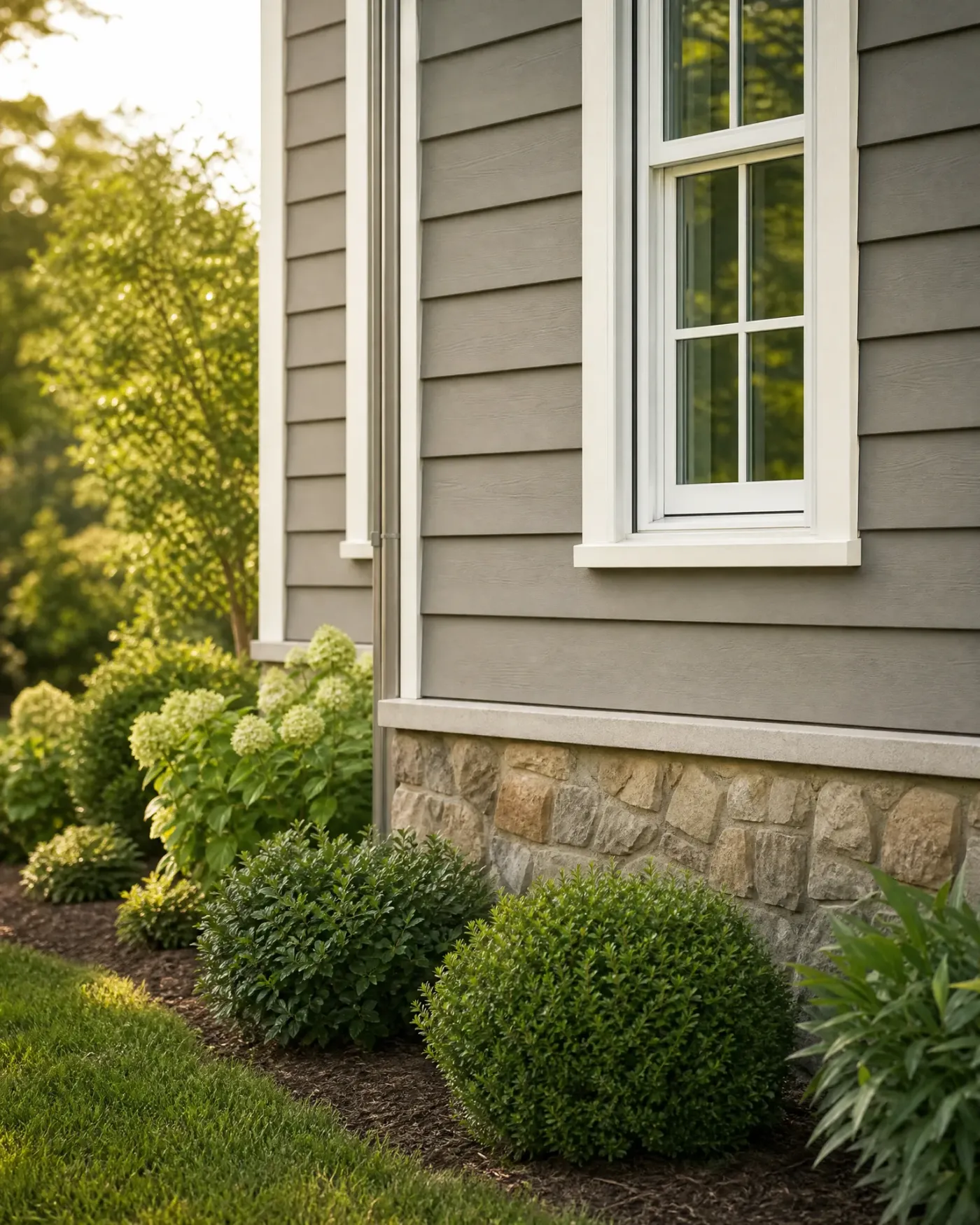
Corner of a house with gray lap siding, a white-framed double-hung window, and a light stone veneer foundation, above a mulched bed with rounded green shrubs, hydrangeas, and a lawn.
Corner of a house with beige horizontal lap siding and a white-trimmed multi-pane window, with a white-flowering hydrangea shrub and a trimmed green hedge in front, and lawn and trees to the left.
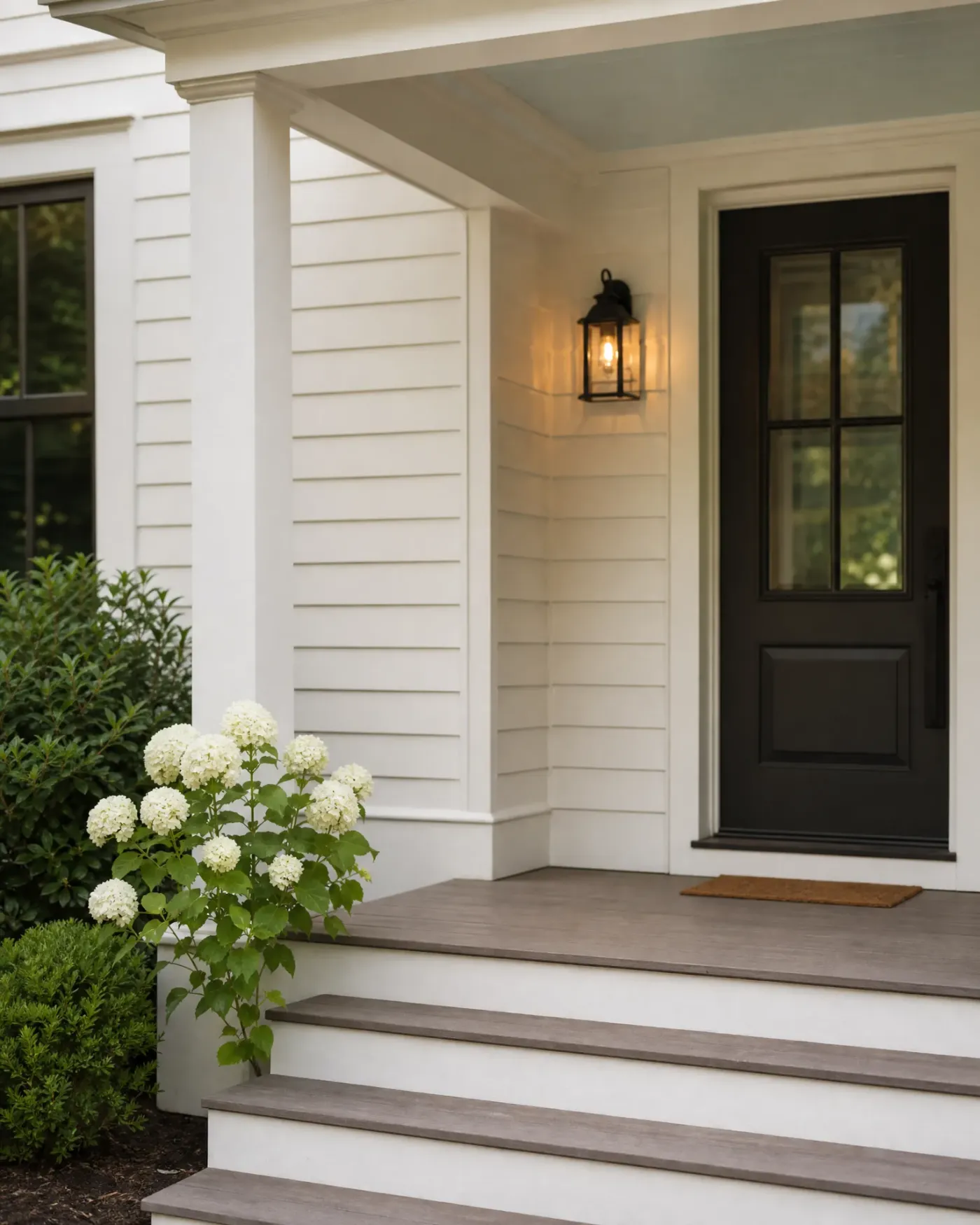
A covered front porch with white lap siding and column, a black glass-paneled front door with a lit lantern sconce beside it, gray steps with a coir mat, and white hydrangeas and shrubs at the left.
Front entry of a gray shingled house with a dark wood door, white column and stone-faced step base, flanked by white hydrangeas, purple flowering plants and a stone paver walkway.

A pro who works on heat pumps

Send the form and the search for an installer is over.

Send my request

No fee to send it, and nothing to sign.