68 to 70 degrees
A steady setting in this range keeps the heat pump working gently instead of straining to catch up, which matters most on the coldest North Carolina mornings.

Set it and leave it. The best setting for a heat pump in a North Carolina winter is one steady temperature, left alone through the cold stretch, usually somewhere in the 68 to 70 range. A heat pump warms a home by moving heat, not by burning fuel to make it, so it works best running steady rather than catching up after a big swing. Push the thermostat up several degrees to warm the house faster and most systems answer with backup electric heat strips, which cost more to run than the heat pump alone. That is also why a big setback overnight or while you're out can backfire here. Dial it down low and the recovery in the morning often calls in those strips. A small setback, a couple of degrees, is fine. The steadier the setting, the less the system leans on backup heat to catch up, and the less it cycles on frost that builds on the outdoor unit in the cold.


A steady setting in this range keeps the heat pump working gently instead of straining to catch up, which matters most on the coldest North Carolina mornings.
A maintenance visit now catches a weak part or low charge while the heat pump is idle, before it has to run hard through a hard freeze.

Bump the thermostat up five or six degrees when you walk in from outside and the heat pump can't just work harder to catch up. Past a certain point it hands the job to the backup heat strips, and those run on electric resistance, the same way a toaster does. Your house gets warm again, but that stretch of recovery costs more than it would have if the thermostat had just stayed where it was.

Leave the thermostat alone and the heat pump runs in short, even cycles instead of long ones. That matters on a system that has not been checked in a while, because a dirty coil or a low charge shows up fastest when the system is pushed into a long, hard run. A unit that has had its refrigerant level and airflow checked going into winter is in a better position to run the way it is supposed to, cycle after cycle, without reaching for the backup strips.
If the thermostat gets bumped up and down through the day, you'll notice it: one room warm, another still cold an hour later, and the air coming out of the vents feels cool instead of warm while the system struggles to catch up. You might hear it running longer than it used to, or notice the outdoor unit working even on milder days. Left alone, a heat pump that's constantly chasing a moving target leans on the backup heat strips more than it should, and those cost more to run than the heat pump itself. A system that's been skipped on upkeep is more likely to lean on that backup heat all winter instead of just on the coldest mornings.




A steady setting takes the guesswork off your hands, but it only works if the heat pump itself is holding up its end. A unit low on refrigerant or running on a worn contactor will lean on the backup heat strips no matter where the thermostat sits, and you'll see that in the bill before you see it anywhere else. Most North Carolina winters bring at least one hard cold snap, and that is the worst time to find out a part was already failing. A maintenance check before that stretch hits catches the small things while they're still small. You already know the setting to use. What's harder to know from the thermostat alone is whether the system behind it is ready for the cold months still ahead. That's the piece worth handing off now, while the weather still gives you room to.
A heat pump doesn't make heat the way a furnace does. It moves it, pulling warmth out of the outdoor air and carrying it inside through a refrigerant loop, the same one that runs backward to cool the house in summer. That works because even cold air holds some usable heat, down into the 30s and below. The outdoor unit has to work harder to pull it out as the temperature drops, and there's a point, usually somewhere in the 30s, where it can't keep up on its own. That's when the backup heat strips kick in, electric resistance heat that warms the house directly instead of moving heat from outside. Strips cost more to run, so a thermostat pushed higher than the house needs just makes the compressor run longer and leans on the strips sooner, not warmth coming any faster. Two other things happen in the background. Frost builds on the outdoor coil in cold, damp weather, so the system runs a defrost cycle: it briefly reverses, runs the outdoor fan, and clears the coil before switching back to heating. And the reversing valve is the part that switches the whole system between heating and cooling modes. It's a small, specific part, and when it sticks, the house stops getting heat even though the unit is running. Knowing this is less about the thermostat number and more about why the setting matters once the cold sets in.
At 14 cents per kilowatt-hour, every degree you push the heat pump past its steady setting shows up on the bill, especially once the backup heat strips kick in. Holding 68 to 70 and leaving it there keeps the system running on the cheaper, gentler cycle instead of the expensive one.
EIA-861 2025 statewide residential average
Thermostat calls for heat and signals the reversing valve.
Reversing valve directs refrigerant to pull heat from outside air.
Outdoor coil absorbs heat even in cold air.
Compressor pressurizes the refrigerant, raising its temperature.
You notice the heat pump never seems to shut off. It just keeps running through the afternoon and into the evening, and you start to wonder if that means something is wrong, or if that's just how it works when it's cold out in North Carolina.
A heat pump pulls less heat out of cold air than warm air, so on a cold North Carolina morning it has to run longer to move the same amount of heat into the house. That's different from a furnace, which fires hard for a few minutes and shuts off. If the house is holding at your setting and the air from the vents feels warm, a long run is just the system doing its job slowly and steadily. It's only a problem if the house still feels cool while it runs, or if it never shuts off even once the temperature outside climbs back up during the day.
Summers here run humid, with a dew point that averages 67°F across June, July and August according to NOAA. That moisture stays on the system's mind long after the heat pump switches over to warming the house. The same outdoor coil that pulled sticky air across it all summer needs to be clean and clear come winter, or it won't pull heat from the cold air outside as well as it should. A coil still carrying grime from a humid summer makes the unit lean harder on the backup heat strips once temperatures drop, and that shows up as higher bills before you've even noticed anything wrong.
NASA POWER T2MDEW county cells weighted by homes

Pick a number in the 68 to 70 range, set it, and let the heat pump do its job without interference. That's the whole answer. The system is built to run long and steady, not in bursts, and a thermostat left alone all winter lets it do that.
A heat pump that's been looked at before the cold settles in has a better shot at holding that setting on its own, even on the mornings when the air outside is working against it. If you're not sure what shape yours is in, a maintenance visit gets you matched with a contractor who can look at your specific system and reach out to talk through what they find. From there, the thermostat is the easy part.

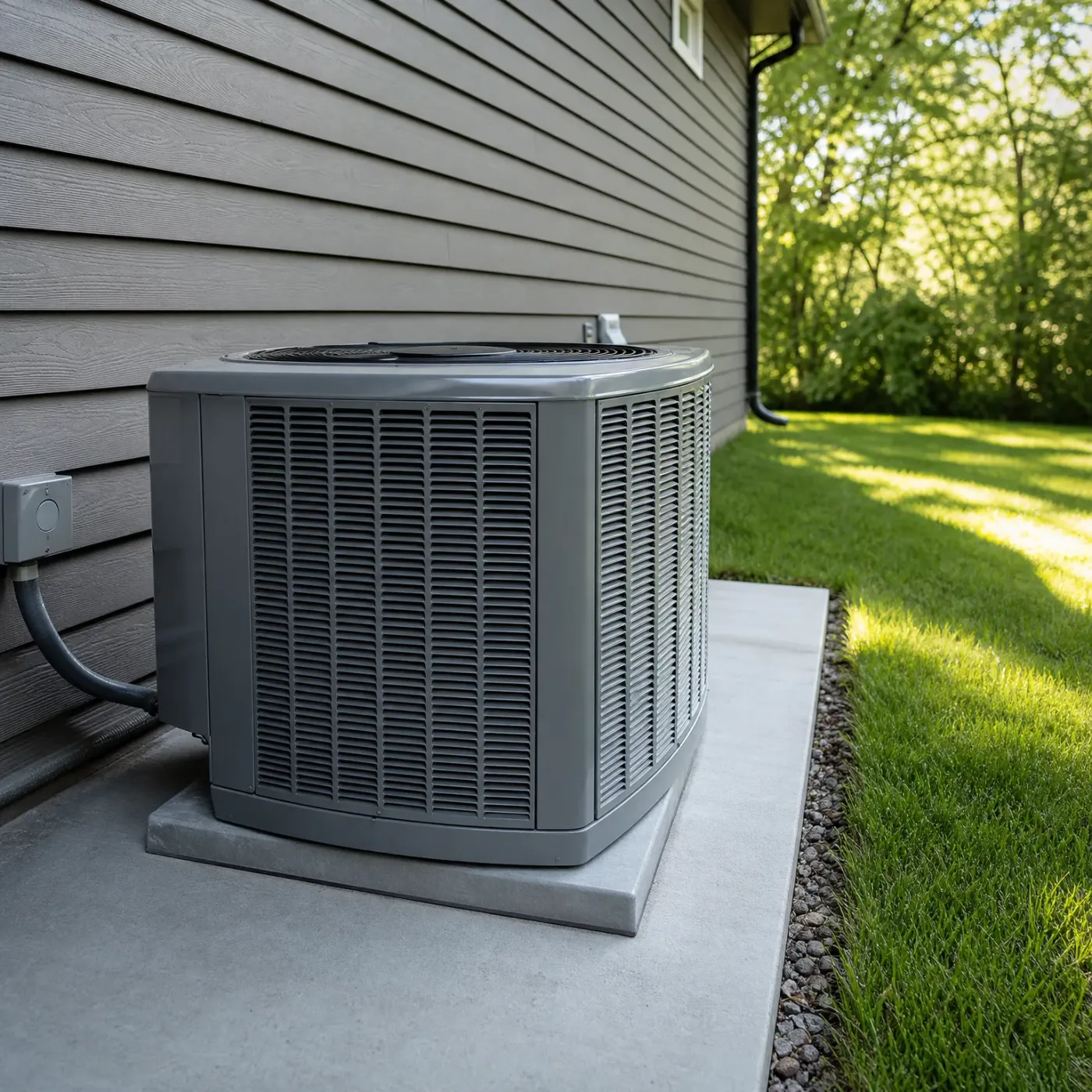
One request and finding someone for the tune-up is handled.
No fee to send it, and nothing to sign.