Why your heat pump bill jumps in a North Carolina winter

RepairHeat PumpNorth Carolina
Step 1 of 2

What ZIP code is the job in?

Why does my heat pump bill go up in winter?

Your heat pump keeps the house warm all winter, but the bill in January looks nothing like the bill in July. You're not imagining it, and nothing has to be broken for this to happen. Before calling anyone out, it helps to know what a heat pump is actually doing differently once the temperature drops, and why that costs more to run even when the house feels the same.

A heat pump works harder to heat than to cool

A heat pump moves heat from the outside air into your house. In summer that air is warm and easy to pull heat from. In a North Carolina winter, outside air holds a lot less heat to begin with, so the system runs longer and draws more power to move the same amount into the house. On the coldest nights it may also switch on backup electric heat strips, which use more electricity than the heat pump alone. Since most homes here heat with electricity, that extra runtime and the backup heat both show up directly on the bill. A higher bill on a cold month doesn't mean the unit is failing. It means it's working against a harder job.

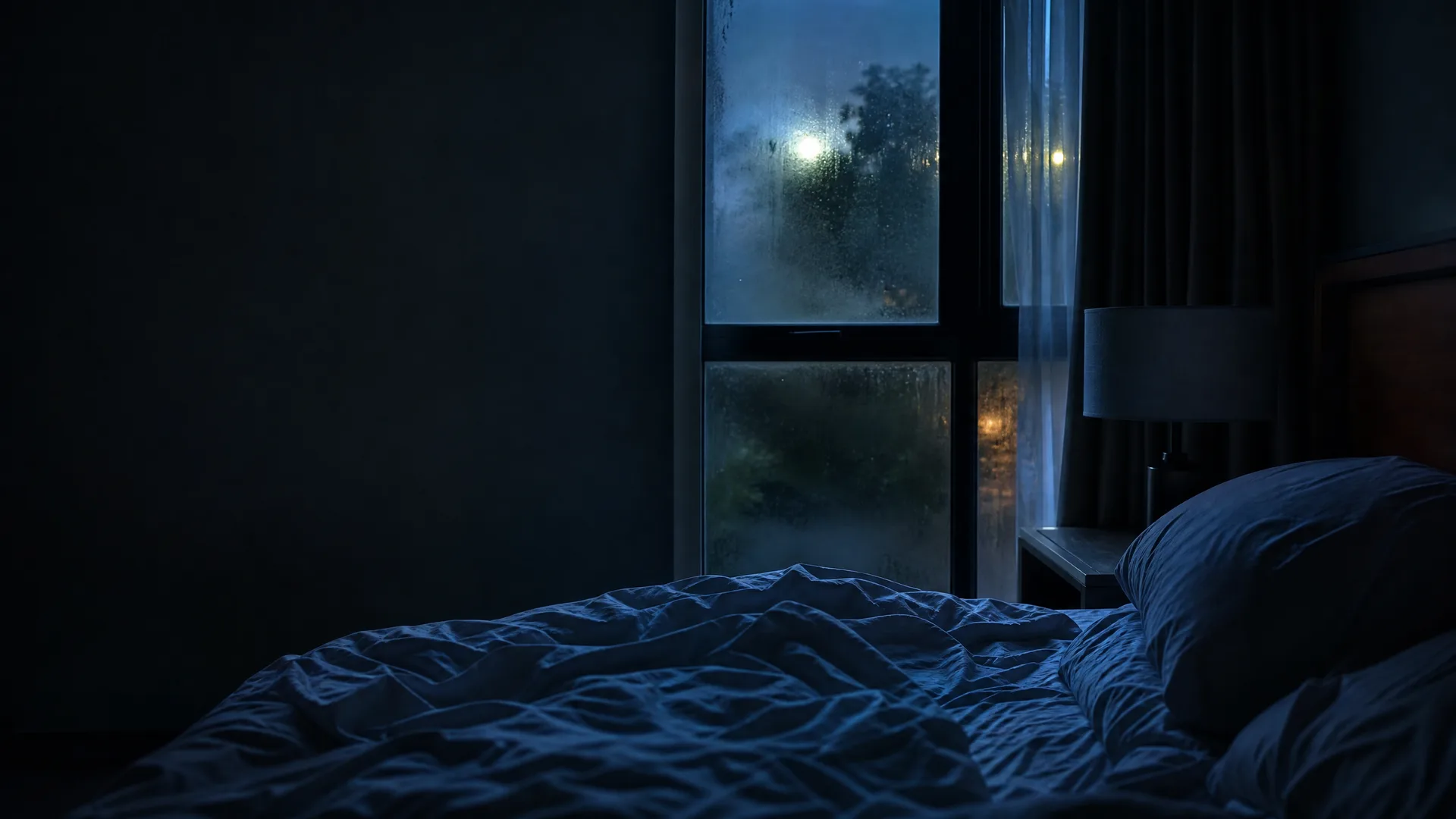
A dark bedroom at night with a rumpled duvet and pillows on a bed beside a rain-streaked, condensation-covered window with distant lights, a curtain, and a bedside lamp.

August, and the bedroom is still holding the heat from the day. The sheets stick to you. Somewhere past midnight you give up and look at the window, fogged at the edges where the cold glass meets the wet air outside. The unit is running, you can hear it, but the room isn't catching up. You kick the damp sheet off, then pull it back when the air from the vent hits your legs. Your spouse has already turned over twice. You think about getting up to check the thermostat again, like that will change what the system outside is working against tonight.
Normal Rise or a Problem

Normal Winter Rise

  • A heat pump pulls heat from outside air, and the colder it gets outside, the harder the system has to work to move that heat indoors.
  • Below about 35 to 40 degrees, many heat pumps lean on backup electric resistance heat strips, which draw a lot more power than the compressor alone.
  • Defrost cycles kick in during cold, damp stretches, briefly running the system in reverse to melt frost off the outdoor coil, which adds to runtime.
  • Shorter days mean the heat pump runs more hours just to hold the same indoor temperature.
  • None of this means anything is wrong. It is how electric heat works when the outdoor air gets cold.

Something Worth Checking

  • If the bill jump feels far bigger than the drop in temperature outside, the system may be relying on backup heat strips more than it should.
  • A thermostat set to recovery mode after being turned down can force the backup heat on to catch up fast, which costs more than a steady setting.
  • Ice building up on the outdoor unit that doesn't clear on its own points to a defrost cycle or sensor not working right.
  • Warm air from the vents that feels barely warm, not hot, can mean the compressor isn't carrying its share of the load.
  • A technician can check refrigerant charge, the defrost control, and the heat strip operation to see whether the system is running the way it should for a North Carolina winter.
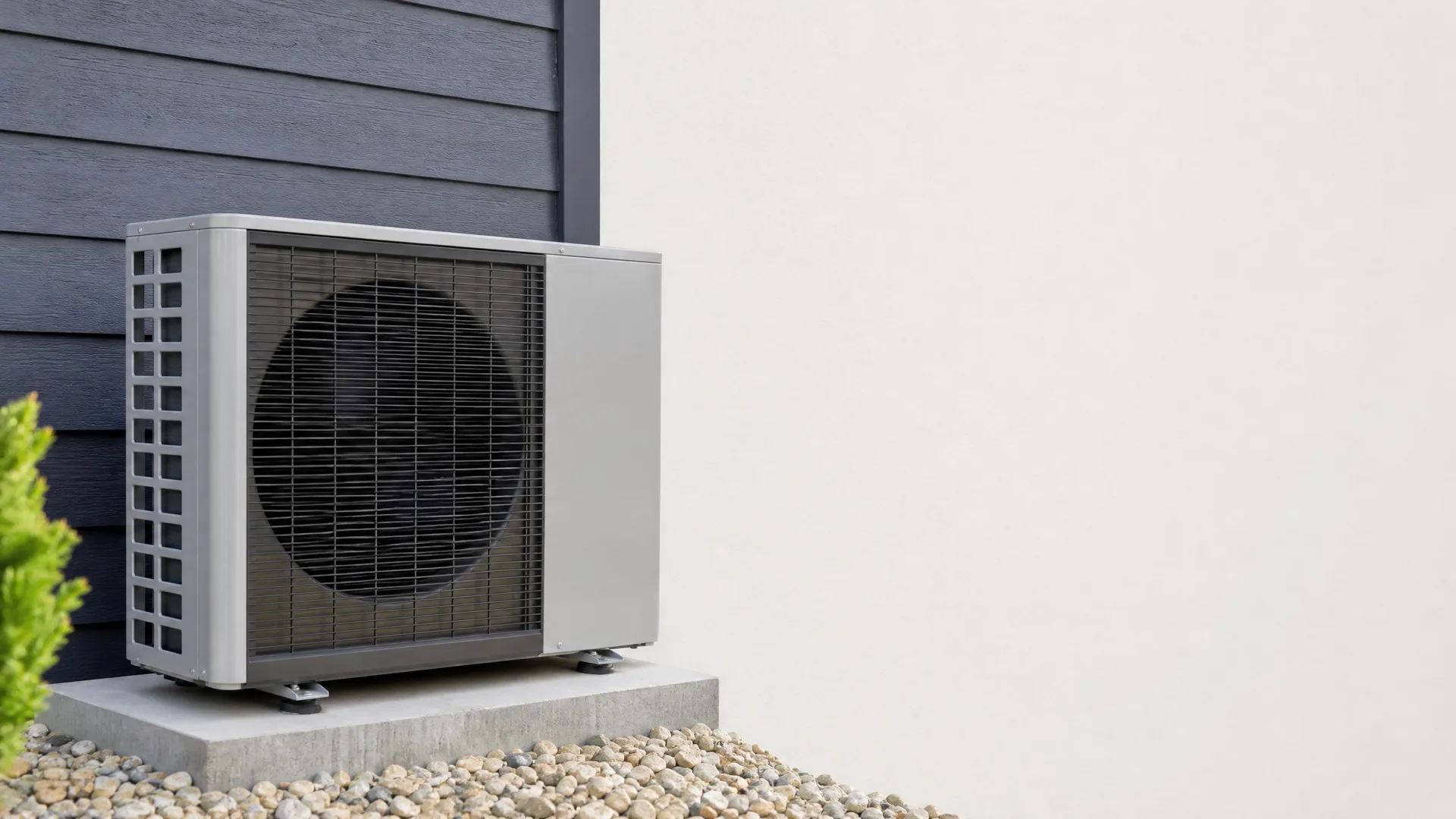
An outdoor air-source heat pump unit on a concrete pad beside a dark horizontal-board wall and a plain light-coloured wall, with gravel and a small green shrub in the foreground.

How defrost cycles add to the bill

When outdoor temperatures sit near freezing, frost builds on the outdoor coil. The system reverses itself every so often to melt that frost off, and while it does, it runs electric heat strips to keep cold air from blowing inside. That reversal uses power on top of what the unit already draws to heat the house. The colder and wetter the air outside, the more often this happens, and each cycle shows up on the meter.

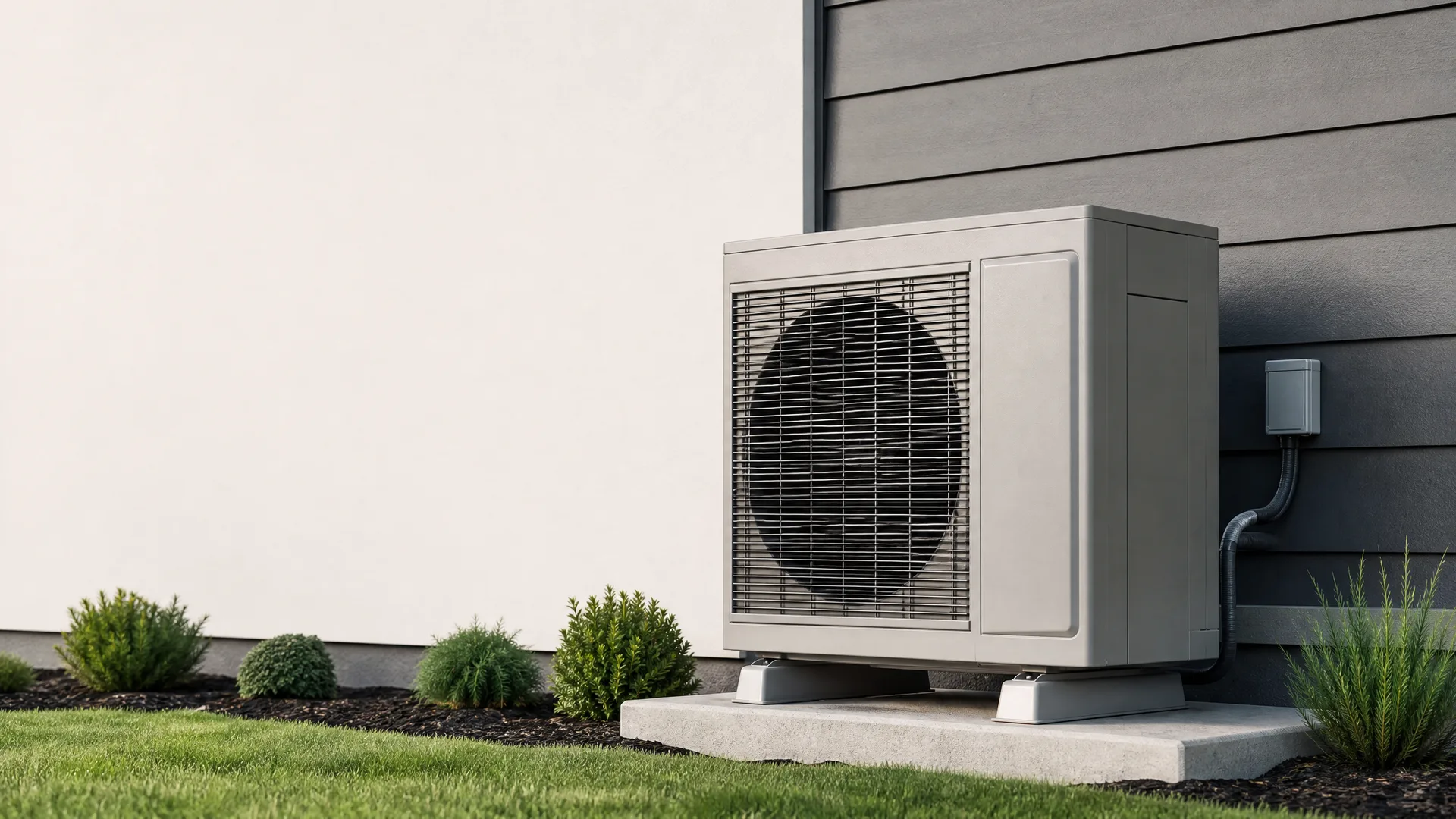
A light gray outdoor heat pump unit on a concrete pad beside a house with white stucco and dark horizontal siding, with a conduit running to a wall-mounted electrical box and small shrubs and lawn in front.

What the thermostat is actually doing

Set the thermostat up a few degrees on a cold night and a heat pump answers differently than a furnace does. Past a certain point outside, the compressor alone can't keep up, so the backup strips kick in to close the gap. Those strips are plain electric resistance heat, the same as a space heater, and they cost more to run per degree than the compressor does. A small setback can trigger more strip heat than the savings are worth.

Power costs 14.00 cents per kilowatt-hour statewide

At 14 cents a kilowatt-hour, you're paying close to the state average, so a jump in your bill isn't North Carolina charging you more. It's your heat pump pulling more power to keep the house warm as the temperature drops outside.

EIA-861 2025 statewide residential average

When the rise means something's wrong

A heat pump working harder on a cold night is normal. A heat pump running nonstop at 45 degrees is not. If the outdoor unit is caked in ice and never seems to defrost, or if the air coming from the vents feels barely warm even with the system running constantly, something is off. A unit low on refrigerant, or one with a stuck reversing valve, will lean on the backup heat strips far more than it should, and those strips are the most expensive way to heat a home. That difference shows up as a bill that doesn't just rise with the cold, it climbs past what the weather alone explains.

What a diagnosis actually saves you

Figuring out which of those it is from your living room is close to impossible. One looks the same as the other from inside the house: the system runs, the air moves, the bill climbs. Finding a licensed contractor, explaining what the bill has been doing, and getting someone out to look at the outdoor unit and the coil takes time you may not have between work and everything else at home. Getting matched with a contractor who already knows the equipment skips the part where you call around and repeat the same explanation to three different companies before anyone shows up.

A woman in a mustard knit sweater sits on a light-colored sofa indoors, looking toward a bright window, with a potted fiddle-leaf fig plant behind her.
A woman with long brown hair in a cream knit turtleneck sweater sits on a light sofa indoors, looking off to the side, with a shelf of plants and pottery blurred behind her.
A woman with long brown hair in a dark red knit sweater sits on a gray couch with cushions, smiling and looking off to the side, with a window and indoor plant behind her.
A woman with long dark hair in a cream knit sweater sits on a sofa indoors, smiling and looking off to the side, with a blurred room, hanging light bulb and window behind her.
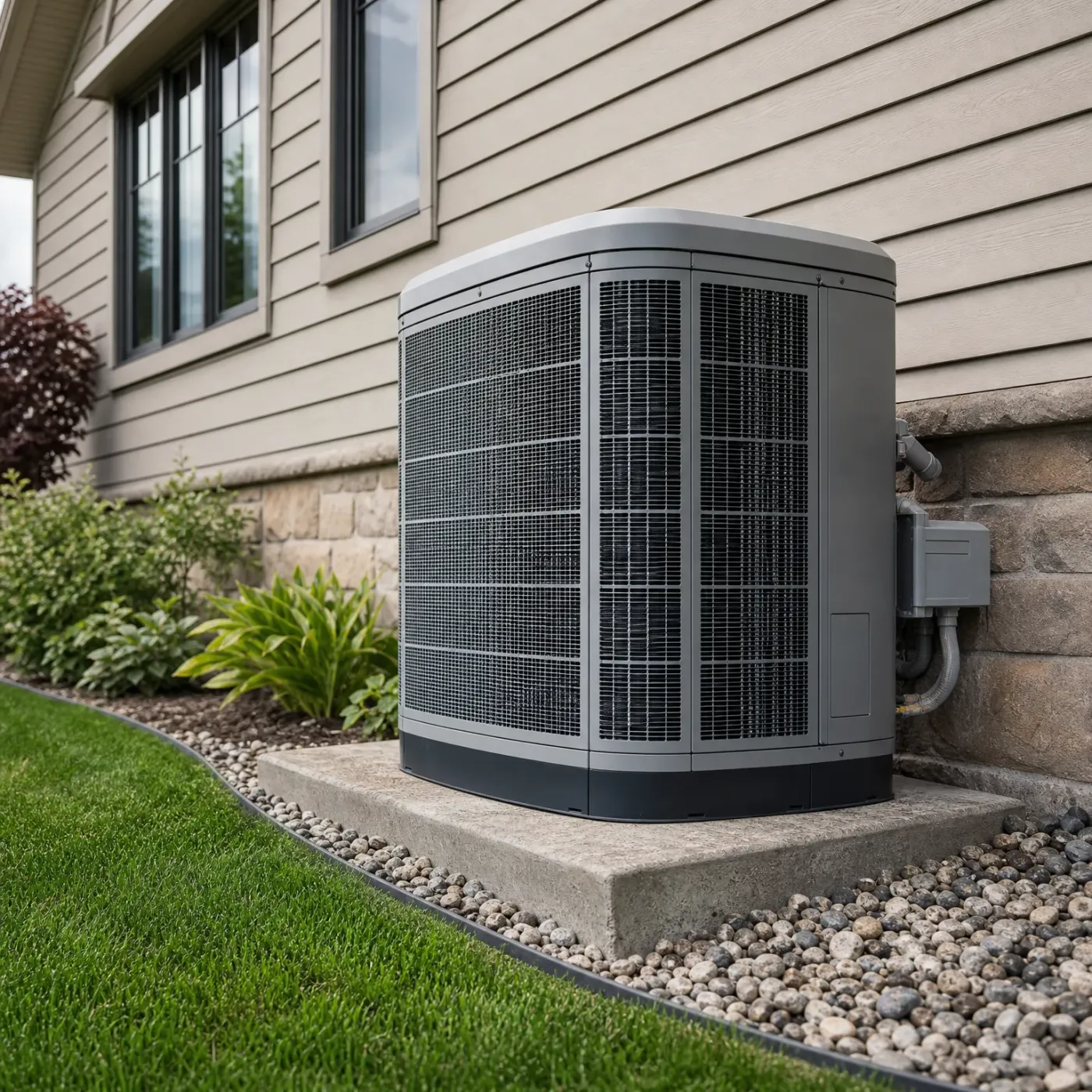
A gray outdoor condenser unit on a concrete pad beside a house with horizontal lap siding and a stone foundation, with a lawn, shrubs and decorative gravel nearby.

Matched to your heat pump job

Fill out one short form instead of calling around.

Describe your heat pump job, and a local pro who handles it gets in touch.

Skip calling around

No charge to send it. You decide if you hire them.

A gray outdoor heat pump unit on a concrete pad beside a house with horizontal lap siding, connected by conduit and a flexible line to a wall-mounted disconnect box, with low shrubs and mulch nearby.
This is what the system looks like doing its job: fan grille clear, lines intact, nothing iced over.
An outdoor air conditioner condenser unit on a concrete pad beside a house with beige horizontal siding, with conduit running from an electrical box on the wall.
This is the same kind of unit in trouble, and the kind of visit that gets it back to the picture on the left.

What are you noticing around the house right now

You've probably caught the outdoor unit running well past when you'd expect it to shut off, even in the middle of the afternoon. The vents put out air that feels cool against your hand, not cold exactly, but not the warm blast you're used to from a furnace. Some rooms hold heat fine and others don't, so you've started closing doors or layering blankets on one side of the house. If frost has built up on the outdoor unit and stayed there, or if the system seems to run straight through the night without ever cycling off, that's worth having someone look at before it means higher bills every month the cold holds on.

A gray outdoor heat pump unit on a concrete pad beside a house with horizontal lap siding, with a conduit running to a wall-mounted disconnect box and a green shrub to the left.

Running clean

The coil fins are clear and the fan isn't blocked by anything. Mulch and the shrub next to it are clipped back a few inches so air can pull through. A unit set up like this can still cost more to run on a cold night, but it's not fighting itself to do it.

An outdoor air conditioner condenser unit on a concrete pad beside a house with horizontal vinyl siding, with refrigerant lines and an electrical disconnect box on the wall and dry leaves on the ground.

Working against itself

Dirty coil fins and a pile of dead leaves around the base choke off airflow the unit needs to pull heat from outside. It draws more power to make up for it, and a repair visit is what gets it back to pulling its own weight.

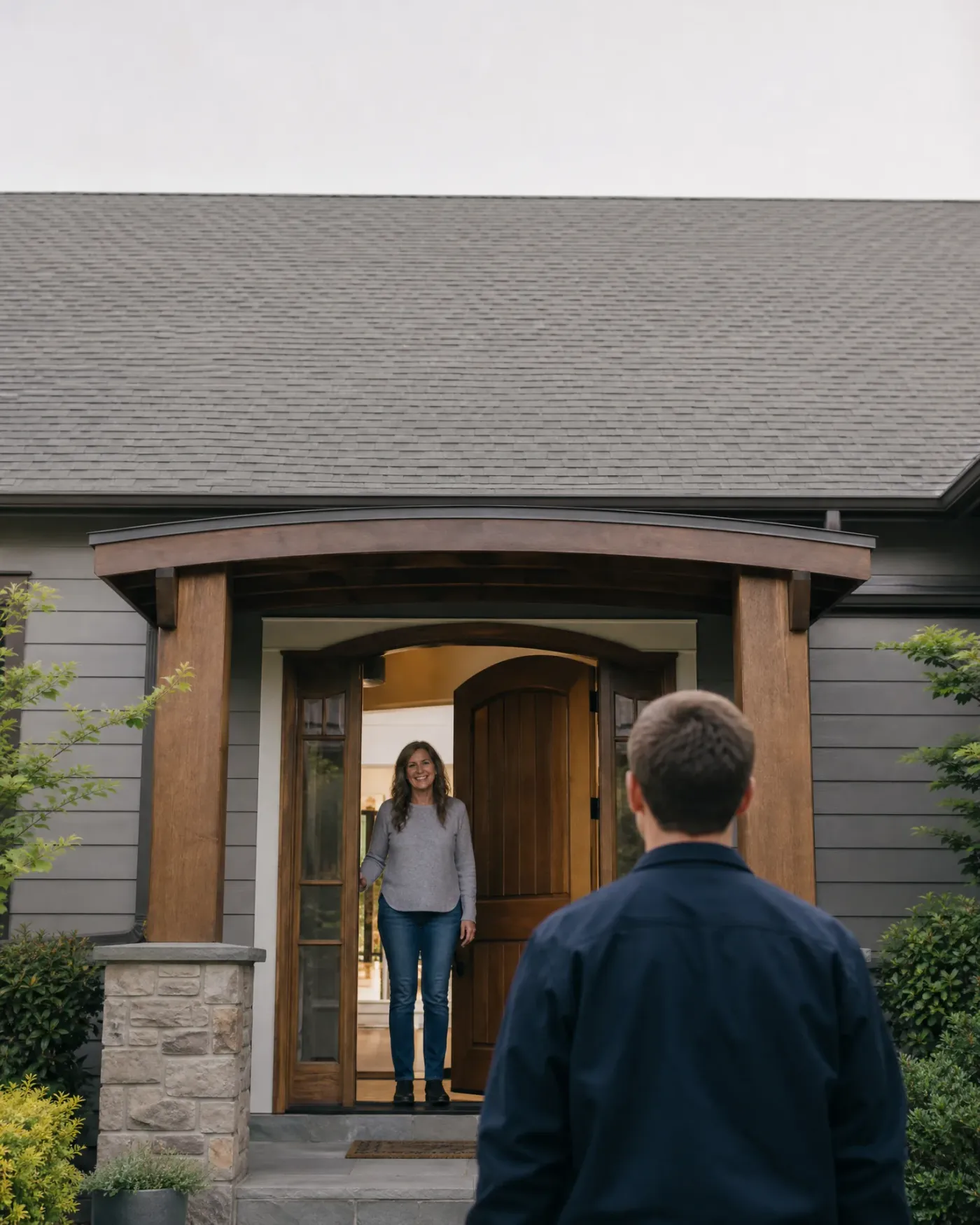
A woman stands in the open front doorway of a gray house with wood porch posts and a shingled roof, facing a man in a dark jacket seen from behind in the foreground.

What happens inside the unit when it switches to heat strips

A heat pump moves heat, it doesn't make it, so there's a limit to how much heat it can pull from cold outside air. Once the outdoor temperature drops far enough, the thermostat senses the house can't keep up and calls for backup heat. That backup is a set of electric resistance strips sitting in the air handler, the same kind of heating element as a space heater, and they draw a lot more power than the compressor outside ever does. They kick on in stages, and the more stages running, the faster the meter turns.

This is why two nights at the same outdoor temperature can cost differently. One system short-cycles into strip heat because airflow is restricted or the charge is low, and another reaches the same setpoint using the compressor alone most of the night. You can't see which one your system is doing just by feeling warm air at the vent. A technician who comes out can check where the heat is actually coming from and whether the switch to strips is happening sooner than it should, matched to your house and what's running in it rather than a guess over the phone.

A dark ceramic mug on a round wooden table beside a light grey sofa with a woven cushion and knit throw, with a window, potted plant, floor lamp and wooden cabinet blurred in the background.
A gray outdoor condenser unit on a concrete pad beside a house with horizontal lap siding, with a wall-mounted disconnect box, conduit and insulated refrigerant lines, a shrub at left and gravel at right.

Working the way it should

The fan spins free, the lines running up the wall are solid, and nothing around the base is cracked or rusted through. A unit like this still costs more to run when it's cold out, but the cost is just the system doing its job, not fighting itself.

An outdoor condenser unit on a concrete pad beside a horizontal-sided house, with insulated refrigerant lines running to a wall-mounted box, surrounded by bare dirt.

Worn down and struggling

Weathering shows in the cabinet, and a unit this age can lose some of its edge even before anything fails outright. If yours looks like this and the bill keeps climbing past what cold weather alone explains, a contractor can check whether age is part of what you're paying for.

An outdoor air conditioner condenser unit on a concrete pad beside a house with horizontal siding above a concrete block foundation, with insulated refrigerant lines and a vertical white pipe on the wall.
Before you get your heat pump repair
A gray outdoor condenser unit sits on a concrete pad against a house wall with horizontal siding above a stone veneer base, with an electrical disconnect box and conduit on the wall and a leafy shrub in mulch to the left.
After you get your heat pump repair
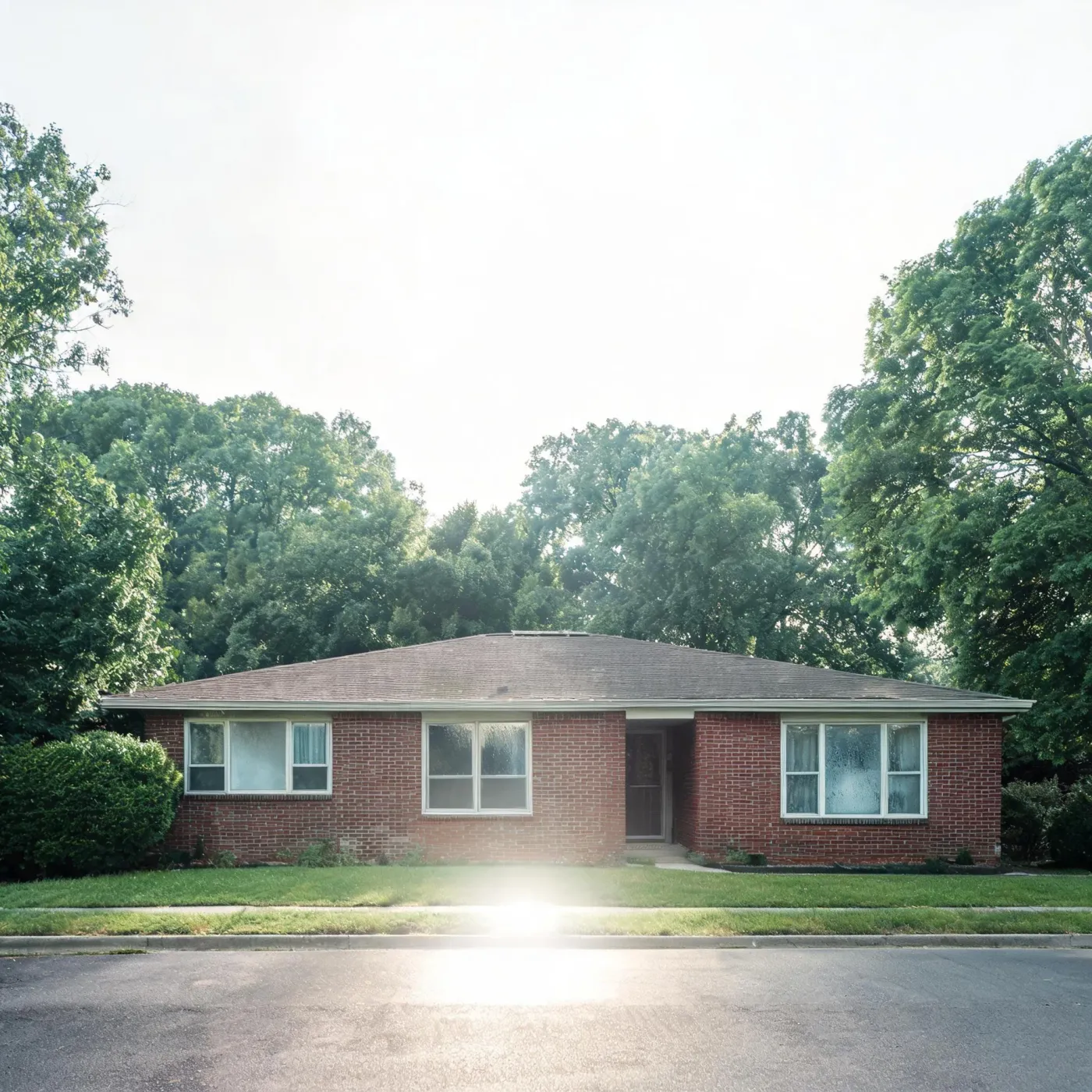
A single-story red brick house with a low hipped shingle roof, white-framed windows and a central door, set behind a mown lawn and street, with large leafy trees behind it under a bright hazy sky.

That summer dew point here averages 67°F, according to NOAA climate data, which is why the air outdoors in July feels heavy even before you factor in the heat. It matters to your heat pump because the same unit cooling that thick air all summer is the one pulling heat out of cold winter air come January. A system that spent months wringing moisture out of sticky air doesn't get a break before it has to switch jobs and start working the opposite problem. If the coil, the fan or the refrigerant charge took any wear during those long muggy stretches, winter is when it shows up as higher bills or a unit that runs longer than it should.

NASA POWER T2MDEW county cells weighted by homes

A smiling older woman with short light hair in a beige knit sweater sits in a dimly lit kitchen beside a window at night, with a round loaf of bread on a wooden board in the foreground.
A woman with her hair in a bun holds a sleeping child against her chest on a couch, both wrapped in a knit blanket, with a lit lamp, potted plant and framed picture in the background.

A heat pump bill that climbs when it gets cold outside isn't a sign of a broken system. It's a sign the system is doing what it's built to do, working harder to pull heat from colder air and leaning on strips when it has to. But a unit running nonstop at 45 degrees, iced over and never defrosting, or blowing air that stays cool no matter how long it runs, is telling you something different, and that's worth a look before the next cold snap pushes the bill higher still. Instead of searching through contractors, calling a few, explaining the same thing about your unit each time, and sitting with quotes trying to compare one against another, you can get matched with a contractor who knows heat pumps in North Carolina winters and let them reach out to you directly. Either way, you know now what's normal for your bill and what isn't, and that's the part that was missing.

A dark metal roof with a shingled dormer window and stone chimney in the foreground, with a moss-draped tree, forested hills with low mist, and an overcast sky behind.

A heat pump pro near you

Fill out one form

There's no charge for the request.

You could spend an afternoon calling contractors, describing the same ice buildup and weak airflow to each one, then sitting on quotes trying to compare them. Send one request instead, and a contractor who handles heat pumps in North Carolina winters reaches out to you directly.