

AC not cooling in Charlotte, NC

RepairCentral ACMecklenburg County, NC
Step 1 of 2

What ZIP code is the job in?

If your AC is running but the air coming out isn't cold, the system is almost always low on refrigerant from a leak, or the outdoor condenser is too dirty or too iced over to move heat outside. In Charlotte's long, humid summers, both show up more than they would somewhere drier, because the system runs for hours at a stretch and has more moisture to pull out of the air. A dirty air filter or a blocked return can starve the system of airflow and cause the same icing. If the outdoor unit isn't running at all, the problem is more likely electrical, a bad capacitor or contactor, rather than refrigerant. None of these are safe or legal to fix on your own with refrigerant involved, and running the system while it's iced over or electrically faulty can damage the compressor, which is the most expensive part to replace. A licensed technician can tell which one you have in minutes.

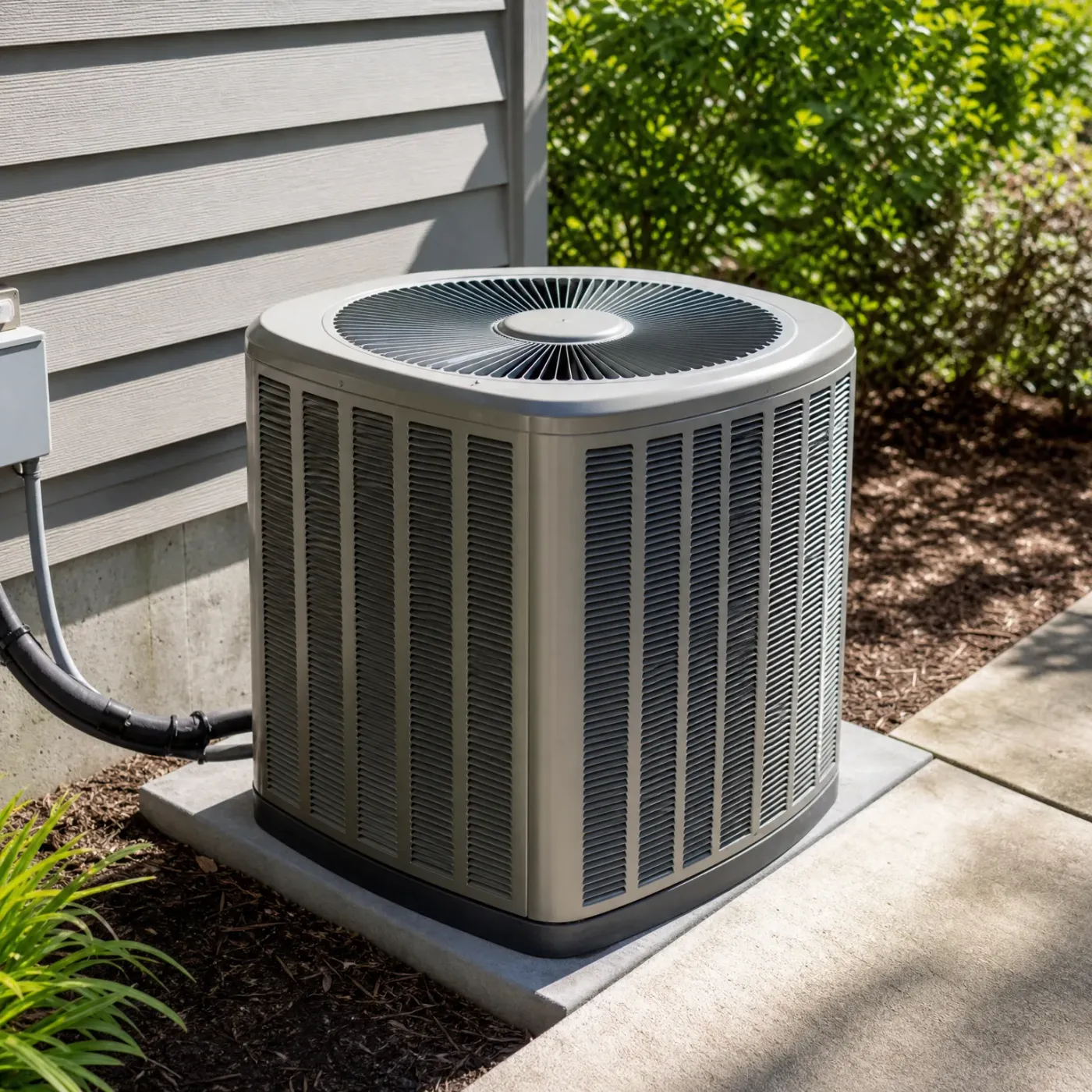
An outdoor air conditioner condenser unit on a concrete pad beside a house with beige horizontal siding and a stone-veneer base, with refrigerant lines running to a gray wall-mounted electrical box, surrounded by dark mulch, a flowering shrub and an evergreen on the left.

Running the way it should

Air comes out of the vents noticeably colder than the room, and the condenser outside cycles on and off instead of running nonstop. The coils are clean, the fan turns freely, and the system catches up fast after the thermostat calls for cooling even on a hot Charlotte afternoon.


An outdoor air conditioning condenser unit on a concrete pad beside a house with light vinyl siding, an electrical disconnect box and conduit on the wall, bare shrubs and mulch to the right, and a concrete walkway in the foreground.

Struggling to keep up

The outdoor unit runs for hours without the house cooling down, or it short cycles, shutting off after a few minutes and starting again. You might notice ice on the copper line, a hissing sound, or warm air from the vents. Any of these points to a problem a technician needs to look at directly.

Call Now or Let It Ride

Call a repair tech

  • A low refrigerant charge means a leak somewhere in the line set or coil, and that leak won't seal itself no matter how many times it gets topped off.
  • A frozen or dirty condenser coil outside stops the system from dumping heat, and running it in that state can push the compressor toward failing.
  • A technician can tell you in one visit whether the fix is a sealed leak and a recharge, a coil cleaning, or something electrical drawing the compressor down.
  • If the system is still under its manufacturer warranty, a licensed repair keeps that coverage intact where an unlicensed fix might not.
  • Parts like the capacitor, the contactor, or the fan motor fail on their own schedule, and a repair addresses the one that actually quit.
  • Waiting to call usually means the same problem shows up again within weeks, since the underlying leak or short is still there.

Wait it out

  • A system that's merely underperforming in a 95 degree stretch may catch up once the heat breaks and the condenser isn't working as hard.
  • If the air is cool but just not as cold as usual, the thermostat settings or a dirty filter restricting airflow could be the whole story.
  • Running a low-refrigerant system for days without a leak check risks compressor damage that turns a repair into a full replacement.
  • A condenser iced over needs the system shut off to thaw before anyone can diagnose it, so some delay is built into the process either way.
  • An older system nearing the end of its life may keep limping along on partial cooling, but each week like that adds wear that shortens what's left of it.
  • In Charlotte's humidity, a system that isn't cooling right also isn't pulling moisture out of the air, so the house keeps feeling damp and uncomfortable the longer it waits.
A gray-haired bearded man in a dark green sweater sits on a light gray sofa in a sunlit living room with a potted plant, framed picture, and dark shelving in the background.
A man in a dark green sweater sits on a light grey sofa in a sunlit living room, looking to his left, with a shelving unit, houseplants, framed art and a large window behind him.
A man with greying hair and a beard in an olive sweater sits on a sofa in a living room, looking to his left, with an armchair, round side table and large glass doors onto trees behind him.
A middle-aged man with grey hair and a beard, wearing a grey knit sweater, sits on a light sofa in a sunlit living room with a houseplant, wooden cabinet and framed landscape picture behind him.

Hand off the search today

A system that's just low on charge might limp along for a while, cooling a little, running longer than it should. One that's frozen over outside won't give you any relief at all until the ice melts and whatever caused it gets fixed, and running it like that can wear down the compressor. Either way, the longer a Charlotte summer afternoon goes with the house climbing past 80, the more it costs you in comfort and in strain on a system that's already struggling. A local tech who works on these units all season has seen this exact complaint more times than almost anything else and knows where to check first. Send the request and that part of it is off your plate.

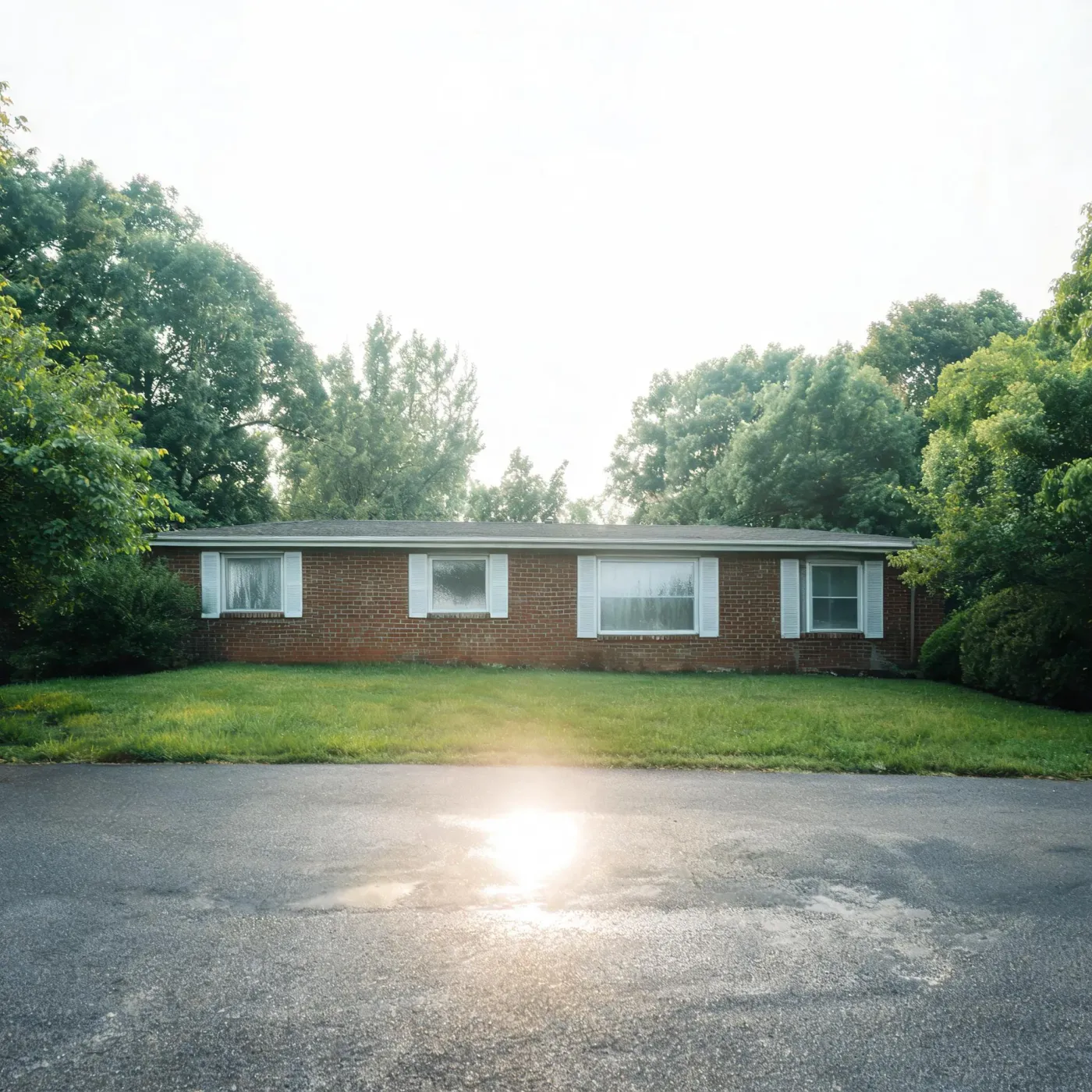
A single-story red brick ranch house with white-trimmed windows and shutters, set behind a mown lawn and a wide asphalt driveway, with deciduous trees behind it and sun flare in the foreground.

A Mecklenburg County summer holds a dew point around 67°F on average through June, July and August, per NOAA. That's thick, heavy air, the kind that makes a properly running AC work harder just to keep the house dry, let alone cool. When the system is already struggling with low refrigerant or a dirty condenser, that moisture load pushes it further. You'll notice it as a house that feels damp even with the AC running, or vents that blow cool but never quite get the place to feel dry and comfortable. Humidity like this doesn't cause the problem, but it makes any existing problem much more obvious, much faster.

NASA POWER T2MDEW

An outdoor air conditioning condenser unit on a concrete pad beside a house with white horizontal lap siding, with an electrical disconnect box and insulated refrigerant line on the wall and a shrub over mulch to the right.
Steady cold air, clean coils outside, and the condenser cycling off instead of running nonstop all day.
An outdoor air conditioner condenser unit on a concrete pad beside a house with light horizontal lap siding, with an electrical disconnect box and conduit on the wall behind it.
Refrigerant lines intact, no ice or grime on the coil, air coming out of the vents noticeably colder than the room.
A woman with shoulder-length graying brown hair, wearing a beige cardigan over a white top, sits in a light upholstered armchair and looks off to the side, with a curtained window, bookshelf, and lamp shade behind her.
A woman with hair in a bun sits on a couch holding a sleeping child, both wrapped in a chunky knit blanket, in a dimly lit room with a lamp and bookshelves behind.

Warm Air Has a Cause

  • Warm air from the vents with the system running points to a refrigerant leak or a condenser coil that can't shed heat.
  • A tech checks the charge, inspects the coil and line set, and finds which of the two is behind the warm air.
  • Fixing a leak means finding it, not just adding refrigerant that will leak out again.
  • A frozen or caked condenser needs to thaw and get cleaned before anyone can tell what else is wrong.
  • Someone who services this equipment all summer in Mecklenburg County has seen both problems more times than most homeowners ever will.
  • One contractor takes the call, so you're dealing with a single local pro instead of a string of estimates.

Warm air from the vents means the system is either losing refrigerant through a leak or fighting a condenser coil too dirty or iced over to let heat outside. Both show up a lot in Mecklenburg County, where the air stays heavy and the condenser runs for hours most days all summer. Figuring out which one is happening takes a look at the charge and a look at the coil, not a guess. Topping off refrigerant without finding the leak buys a little time before the same warm air comes back. A frozen coil has to thaw and get cleaned before anyone can see what's underneath it, whether that's a dirty filter choking airflow or something else keeping the coil too cold to do its job.

This is the kind of call that goes to someone who works on these systems all season, in this county, not someone seeing a Charlotte summer for the first time. They know how often a leak shows up at the same fittings, how often a coil cakes over from a dirty filter upstream, and what to check first because of it. The request goes to one contractor, licensed and local, so the response is a single visit from someone who already has a sense of what they'll find, not a round of competing estimates to sort through. Once the charge, the coil and the line set get checked, you know what's wrong and what it takes to fix it. That's the whole question this page set out to answer.

An outdoor air conditioner condenser unit on a concrete pad beside a house with horizontal lap siding, with a disconnect box and conduit on the wall, mulch and green shrubs nearby.

Stop chasing an air conditioner pro

Find a local pro

A licensed pro who works in Mecklenburg County gets your request.

It costs nothing to send, and you don't have to hire anyone.