AC can't keep up on hot days in Wilmington, NC

Send the request today and stop worrying about who to call.

Hand off my repair

When your AC runs nonstop on the hottest days and the house still sits a few degrees warm, the system is losing the fight between the heat coming in and the cold air it can produce. In Wilmington, summers run long and humid, and an air conditioner that is low on refrigerant, has a dirty condenser coil, or is simply sized too small for the house will fall behind once the outdoor temperature climbs into the 90s. The unit may run for hours without the thermostat ever reaching its setting, and the air coming out of the vents can feel cool but not cold. This usually means the system is working hard without moving enough heat out of the house, not that it's broken outright. Left alone, it means higher bills and a system that strains harder each time the heat builds, and in a house with someone who needs the indoor temperature kept steady, that gap between what the thermostat asks for and what the house actually feels can matter a lot.

A woman with long wavy brown hair in a gray top and dark cardigan stands near a window, looking to the side, with a living room, fireplace and round mirror blurred behind her.
A woman with long brown hair in a cream knit sweater stands near a window, looking to the side, with a white sofa, shelving, and a hallway visible behind her.
A woman in a gray sweatshirt with her hair pinned up sits in a living room looking off to the side, with a pale sectional sofa, cushions, a potted plant, framed wall art and a large window behind her.
A woman with curly dark hair in a grey long-sleeved top sits on a grey couch with patterned cushions, looking off to the side in a softly lit living room.

Why does your house stay warm no matter how long the AC runs?

You set the thermostat to 72 and the house settles at 76 or 77 by mid-afternoon. The vents are blowing, but the air coming out feels weak or barely cool. The outdoor unit runs for hours without shutting off. Upstairs rooms feel worse than the rest of the house. Some of this points to a system that was never sized to handle Wilmington's humidity on its worst days. Some of it points to a problem that's gotten worse over time, like a dirty coil or a refrigerant leak, that's costing the system its capacity right when you need it most. Left alone through a full summer, that strain tends to shorten the life of the compressor, and the people in the house are the ones stuck sweating it out in the meantime.

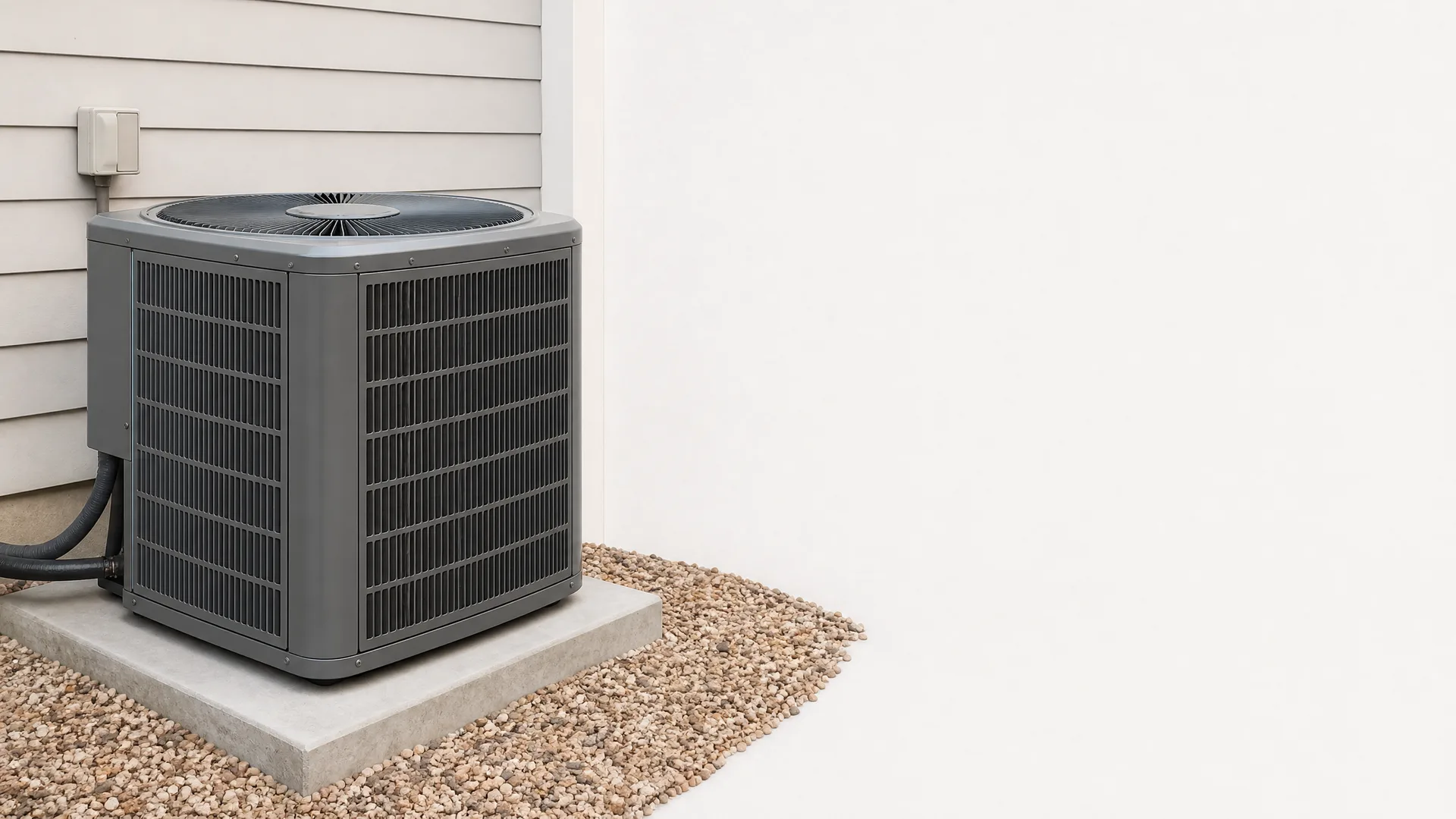
A gray outdoor air conditioner condenser unit on a concrete pad beside a house with horizontal siding, surrounded by gravel, with a plain light wall at right.

Why undersized systems fall behind

A properly sized air conditioner is built to handle the hottest days this area sees, with some room to spare. If the system is undersized for the house, that cushion disappears. On a 95 degree afternoon it runs flat out just to hold even, and it never gets ahead enough to pull the house down those last few degrees. The thermostat setting stops mattering much once the unit is maxed out.

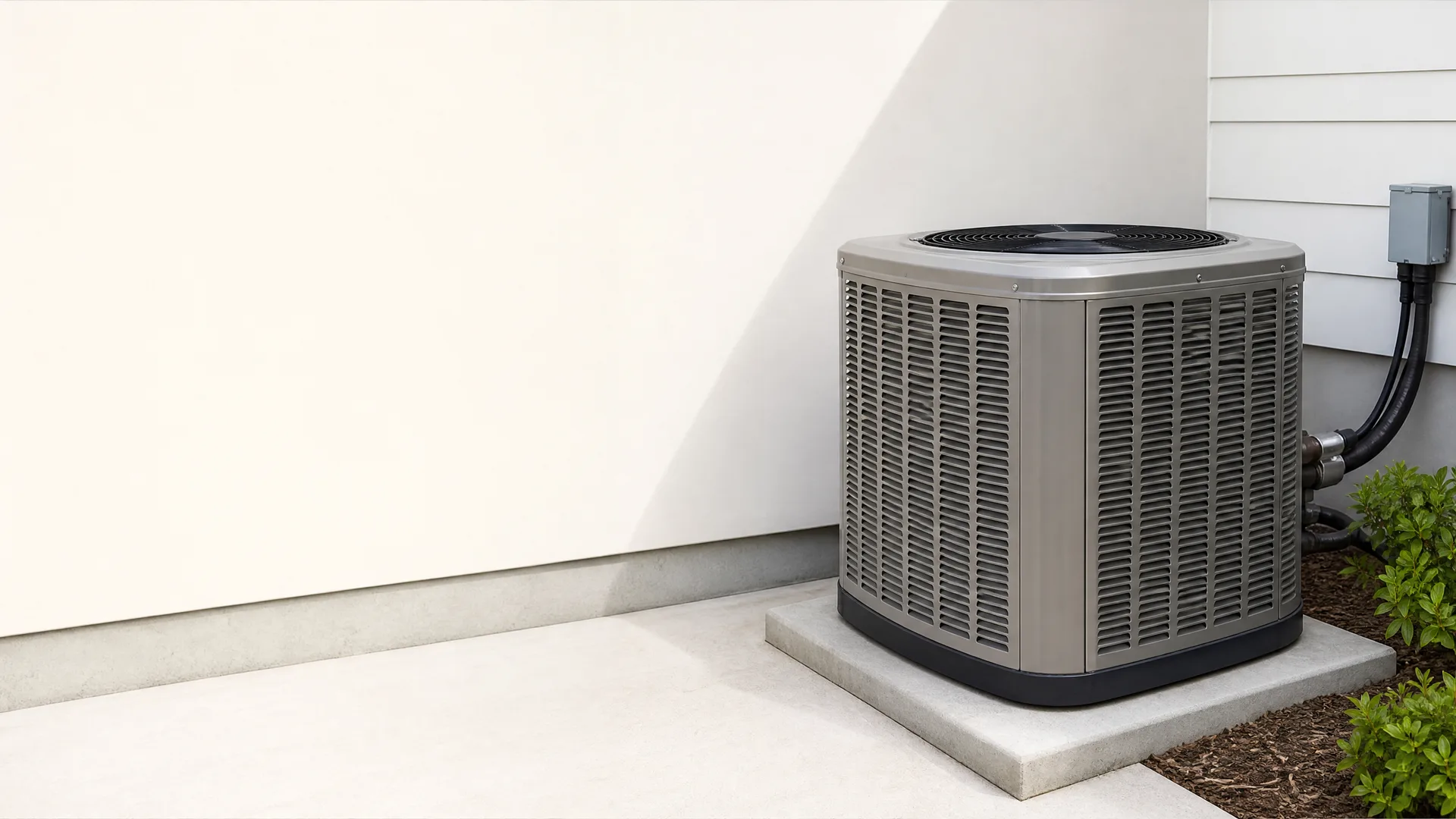
An outdoor air conditioning condenser unit on a concrete pad beside a light-colored stucco and siding wall, with a conduit disconnect box and a green shrub to the right.

What a dirty coil costs you

The outdoor unit's coil gives up heat from the refrigerant to the air outside. When it's coated in dirt, grass clippings, or pollen, it can't shed that heat as well, so the refrigerant stays hotter than it should going back inside. The indoor coil then has less of a temperature difference to work with, so the air coming out of your vents is weaker. Rinsing the outdoor coil restores some of that lost capacity, but it won't fix a unit that was already too small or low on refrigerant.

Cooling runs May through September

Five months of cooling is a long stretch to ask a struggling system to keep up. From May to September, any afternoon can push into the 90s, and a unit that's already behind won't get a break to catch up overnight.

NOAA nClimDiv 1991-2020

  1. Heat moves from the house into the refrigerant at the indoor coil

  2. The compressor squeezes that refrigerant until it's hot and high pressure

  3. Outdoor air pulls heat off the refrigerant at the condenser coil

  4. Refrigerant cools and expands again before heading back inside

A gray outdoor air conditioning condenser unit on a composite pad beside a house with horizontal lap siding, with a wall-mounted disconnect box, refrigerant lines, and a wooden fence and shrubs to the left.
A unit like this is keeping up: it cycles off and on, with time to rest between runs.
An outdoor air conditioning condenser unit on a concrete pad beside a house with light vinyl siding, with electrical conduit running to a wall-mounted disconnect box and a shrub in mulch to the right.
A unit like this is losing ground: it runs straight through the afternoon and never shuts off.
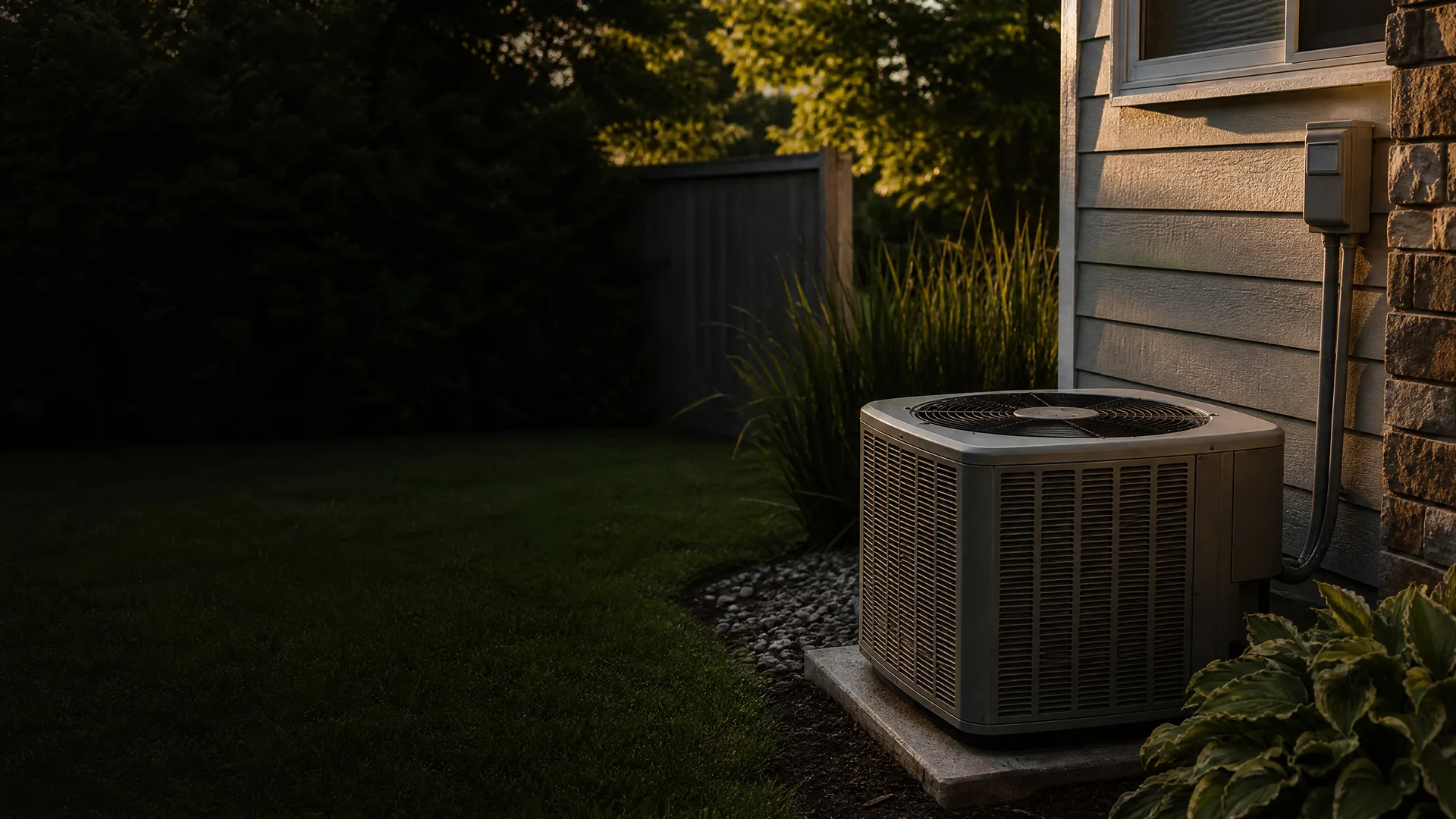
An outdoor air conditioning condenser unit sits on a concrete pad beside a house with horizontal siding and a stone-faced corner, next to a lawn, ornamental grasses and a wooden fence at dusk.

By seven in the evening the light out back has gone gold and low, the kind that usually means the worst of the heat has broken. It hasn't, not really, not yet. You're standing near the patio and the condenser is just sitting there, quiet. No hum, no fan turning. You crouch down and check again. Still nothing. Inside, the air coming through the vents is already starting to feel ordinary instead of cool. You think about the night ahead, the house holding onto the day's heat with nothing pulling it back out. A tech who works on units like this one all over New Hanover County could tell you in a few minutes whether it's the capacitor, the motor, or something else.


Hand off the air conditioner problem

A system that's been running flat out all afternoon doesn't fix itself after sundown. By the time you've noticed the house won't get below 77, the unit has likely been struggling for days or weeks, and whatever's behind it, a low charge, a failing capacitor, a compressor on its way out, isn't something that gets better on its own. Someone who works on these systems every summer in this area has seen what gives out first when an AC can't keep pace with a Wilmington July, and knows what to check before guessing at a fix. Sending the request puts the problem in front of one local contractor, not a handful of companies competing for the job, so you're not stuck fielding calls while your house sits warm. The sooner that happens, the sooner someone's actually looking at the unit instead of you running it harder and hoping.

A gray outdoor air conditioning condenser unit sits on a concrete pad beside a house with horizontal siding, connected by insulated lines to a wall-mounted disconnect box, with a shrub and gravel bed to the right.

A unit that's keeping pace

Coils are clean, the lines run straight to the disconnect, and the unit cycles like it should. It kicks on, pulls the house down to temperature, and shuts off for a while before it starts again. That rest between runs is the sign it's sized right and in good shape.

An outdoor air conditioning condenser unit sits on a concrete pad beside a house with horizontal vinyl siding, with a gray electrical disconnect box and insulated refrigerant line on the wall above, surrounded by bare mulched ground.

A unit that's falling behind

Years of dirt and grime have packed into the coil fins, so the outdoor coil can't shed heat the way it needs to. The unit on that pad is older and working against its own buildup now, not just the heat outside, and that shows up as a house that won't cool down.

A woman with her hair in a bun holds a sleeping child, both wrapped in a cream knitted blanket on a gray sofa, with a lit lamp, framed photos, and a window behind them.
An older woman with short blonde hair in a cream knit sweater smiles while looking to the side in a kitchen, with a round loaf of bread on a wooden board in the foreground and a snow-covered window behind her.

What to do when your AC falls behind

  • An AC that runs all afternoon without shutting off is behind on a day it should be able to handle.
  • A system that keeps up cycles off and on, with real rest between runs, even in July and August.
  • What's causing it, whether a low charge, a worn capacitor, or a system too small for the house, only shows up once someone opens the unit up.
  • A local contractor who services this equipment all summer knows which of those causes shows up most often in homes around Wilmington.
  • Sending the request connects you with one licensed contractor, not a string of callbacks from companies you didn't ask for.
  • Once that contractor is on the way, finding someone to look at the system is no longer something you have to manage.

A system that can't hold the temperature on a hot afternoon is telling you something specific. It isn't keeping pace, and running it longer won't change that. The question isn't whether something's wrong, it's what, and that takes someone opening the unit up and looking at the charge, the capacitor, the coils, and whether the system was ever sized right for the house.

That's not a guess you're equipped to make from the thermostat, and it shouldn't be. It's a call for someone who does this work in Wilmington every summer and has already seen what tends to fail here when the heat sits for weeks at a time. A contractor who services this equipment all season knows the difference between a unit that's low on refrigerant and one that was undersized from the start, and knows it faster for having seen both before.

Sending the request puts you in touch with one contractor, licensed and local, not a handful of companies competing for the job. No juggling calls, no repeating the same story to three different voices. Just someone who shows up, finds what's actually wrong, and tells you straight what it'll take to get the house back to temperature.

Until then, the house stays a few degrees warmer than you'd like, and the unit keeps working harder than it should. That part doesn't need to stay your problem for long.

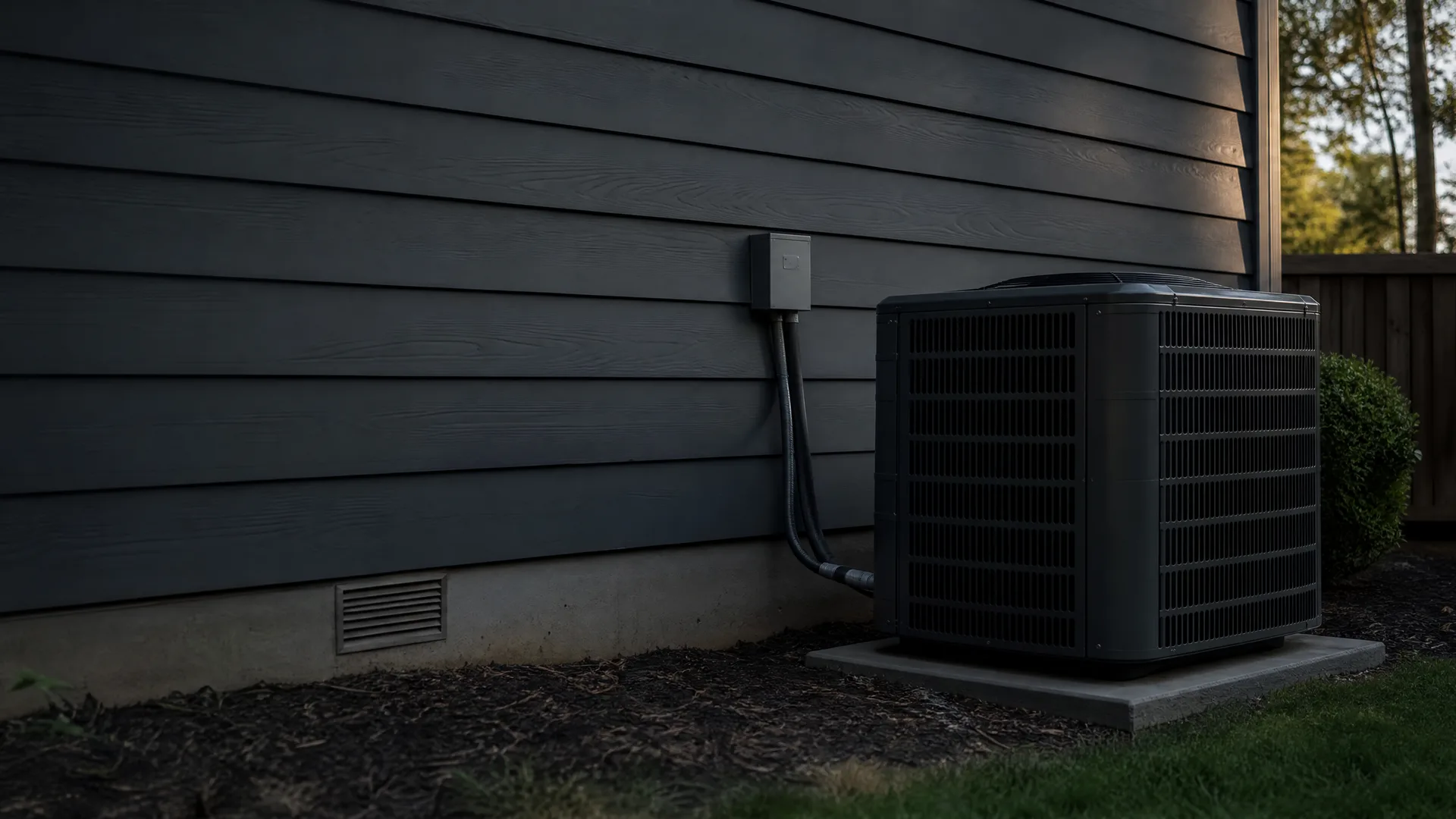
An outdoor air conditioning condenser unit on a concrete pad beside a dark gray horizontal lap-sided house wall, with a disconnect box and refrigerant lines on the wall, mulch bed and shrubs nearby.

Let someone else find the pro

A licensed pro who works in New Hanover County gets your request.

RepairCentral ACNew Hanover County, NC
Step 1 of 2

What ZIP code is the job in?