







An outdoor central air conditioning unit mounted on a concrete pad beside a blue-sided house at sunset.

AC Maintenance in Mooresville, NC

Tell us about the job

Takes about a minute. No obligation.

Tune-up, service, or cleaningCentral ACIredell County, NC
Step 1 of 2

What ZIP code is the job in?

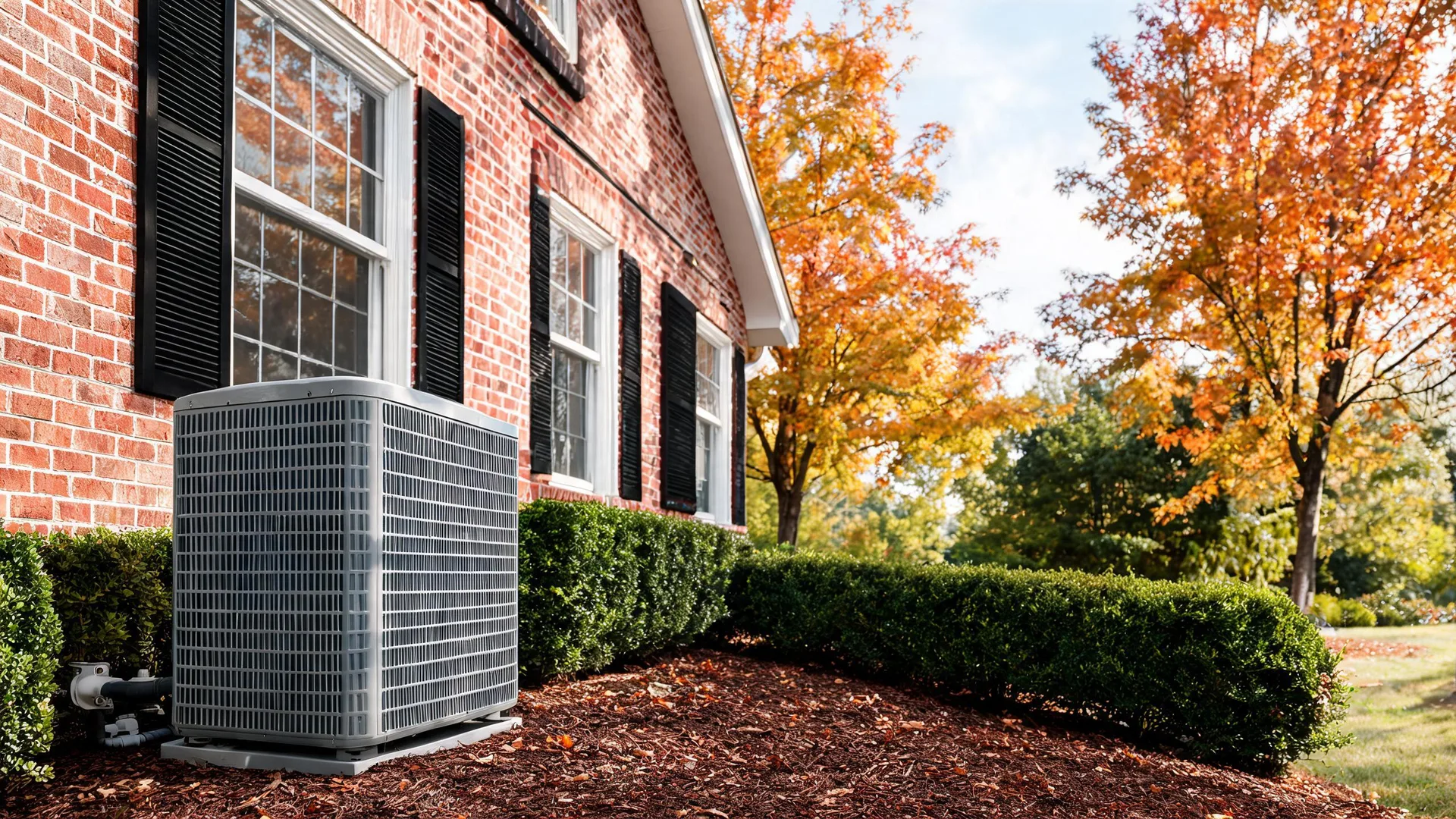
Iredell County saw 146 severe weather events between 2015 and 2024. Most of that was damaging wind, 105 times in that span, plus 22 hail events and 7 tornadoes. An outdoor condenser sits outside through all of it, exposed to whatever blows through or falls out of the sky. Wind drives debris into the coil and fan. Hail dents the cabinet and can bend the fins enough to choke airflow. A unit that took a hit last storm season might run rough for months before it fails outright, and there's no way to know without someone checking it.

5 months
May through September, your air conditioner is on duty
86°F
the average summer afternoon it cools against
22 hail events
in ten years, and hail bends the fins on outdoor coils
105 wind events
in ten years, and wind drives debris into outdoor units
Isometric line illustration of a cutaway house showing interior rooms with furniture, ceiling ductwork, an indoor air handler, and an outdoor condenser unit connected by lines.
Your air conditioner works hardest from June through August.

NOAA nClimDiv, 1991–2020 normals

A dirty filter chokes airflow, and a starved coil can ice over even when it's hot outside.

A tune-up checks the filter, the coil and the drain, the three spots that quietly take an AC down.

Half these homes are still young enough that a yearly check is what keeps the AC that came with the house running the way it should

Half the homes here were built by 1997
Cooling runs May through September
Summer afternoons average 86°F
May Hits Hard HereCooling starts in May. Have it checked in April.

If the AC came with a newer house, checking it every year is what keeps it on track for a long working life. A system that young still has most of its life ahead, and what decides how much of it gets used well is whether anyone looks at the unit before something goes wrong. A tune-up now catches a weak capacitor or a coil losing efficiency while it is still a small fix. Skip it for a few years and the system will not break outright. It just means the first sign of trouble shows up as a breakdown instead of a repair.

Have the outdoor unit checked before this year's storms find the weak spot

Wind and hail have had years of chances at the condenser outside. Getting it looked at now means someone finds the bent fin or the loose connection before a storm turns it into a breakdown, and before a long outage tests a system that was already running rough.

Find a contractor
A man in a cap, dark long-sleeved shirt and brown work pants carries a worn leather duffel bag up porch steps toward an orange front door, with a potted shrub in a terracotta planter to the right.
A gray metal air conditioning condenser unit mounted on a concrete pad in a flat grassy field under a partly cloudy sky.

The Machine Tells You Before It Quits

A system that's losing its grip on the day gives you warning before it quits. The AC that used to kick on and hold steady starts short cycling, running a few minutes, shutting off, starting again. That's a sign the compressor is struggling or the refrigerant charge has dropped. Listen for a hum that used to be a quiet rush, or air at the vents that isn't as cold as it was when the unit was new. Water pooling near the indoor unit means the drain line or drain pan is doing something it shouldn't. None of these mean the system is about to die. They mean it's working harder than it used to for the same result, and that's exactly what a tune-up is supposed to catch before the compressor itself takes the strain.

What's Inside the Cabinet Doesn't Show Itself

A capacitor can be weeks from failing and still start the compressor every time you ask it to. Refrigerant can be low enough to cost you cooling and still blow cold enough at the vent that nothing seems wrong. A contactor's points can be pitted and still close the circuit. None of this shows up by looking at the thermostat or feeling the air. It shows up on a gauge, a meter, or in the sound the compressor makes when a tech has the panel open.

Most Failures Start Small and Stay Quiet

A system rarely goes from fine to dead in one step. The fan motor bearing wears a little more each season before it seizes. The coil loses a little airflow each time dirt builds on it before the drop is enough to cause icing. A tune-up catches the machine partway down that path, while the fix is still cleaning a coil or tightening a connection instead of replacing a compressor that overheated running on a bad charge.

An outdoor air conditioning condenser unit positioned beside a blue-sided house at sunset.

Book your AC tune-up in April, before homes here start needing cooling in May.

  1. Jan
  2. Feb
  3. Mar
  4. Apr
  5. May
  6. Jun
  7. Jul
  8. Aug
  9. Sep
  10. Oct
  11. Nov
  12. Dec

A tune-up checks the refrigerant charge, cleans the coils, tests the capacitor and tightens the electrical connections.

A tune-up starts outside at the condenser. The coil gets cleaned, because dirt and pollen packed between the fins block airflow the same way a dirty filter does, just on the other side of the system. The fan blade gets checked for wobble, and the motor bearings get listened to. Refrigerant pressure gets measured against what the system is supposed to run at, not just guessed at by how cold the air feels. Inside, the contactor and capacitor get tested under load, since both can look fine sitting still and still fail the moment the compressor asks for a hard start. The drain line gets flushed so it can't back up later. Electrical connections get tightened, because a loose one generates heat, and heat is what ages a connection faster than current alone. None of this takes long, and none of it is guesswork. It's the same dozen checks every time, because those are the dozen spots that actually fail.