
Running clean
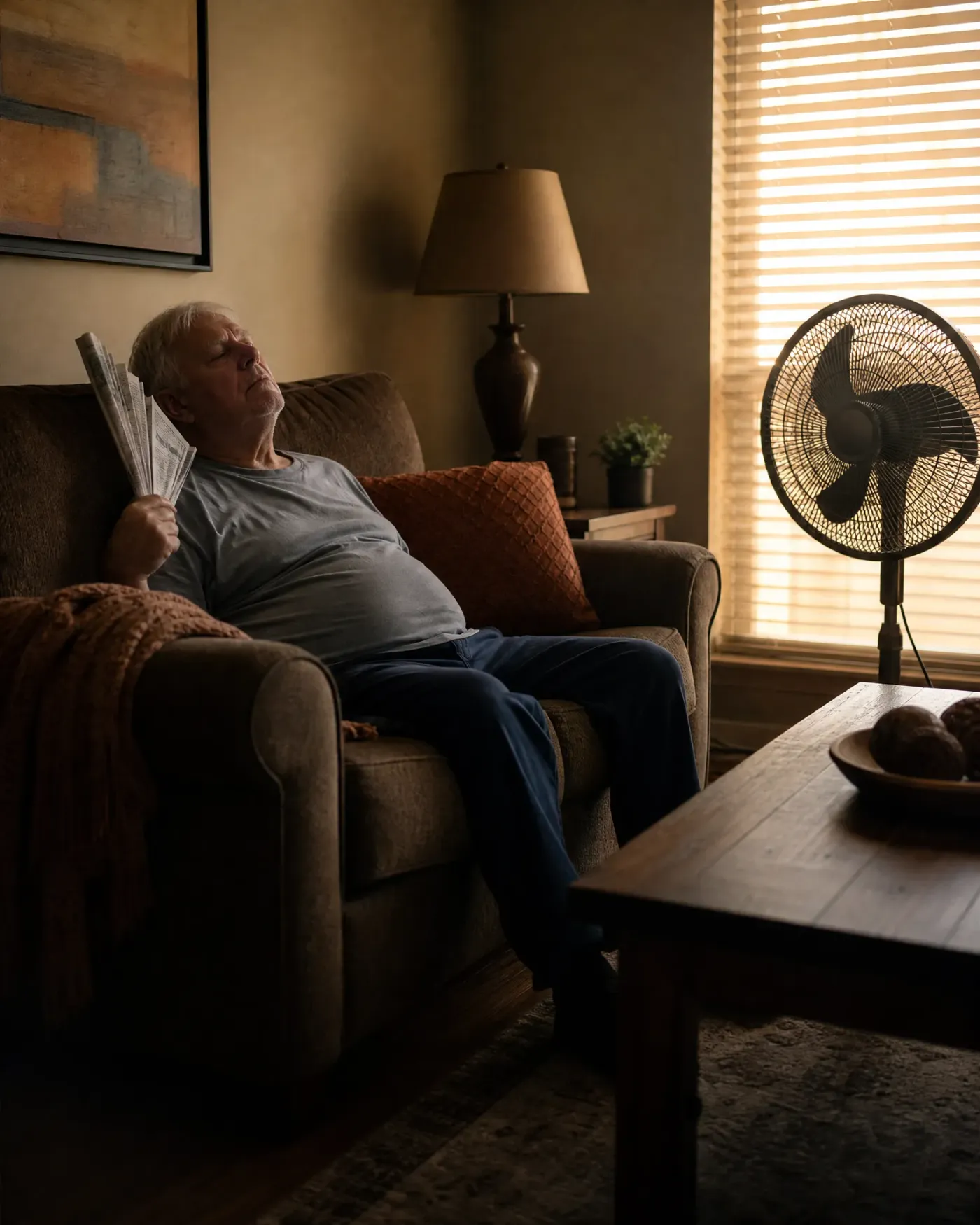
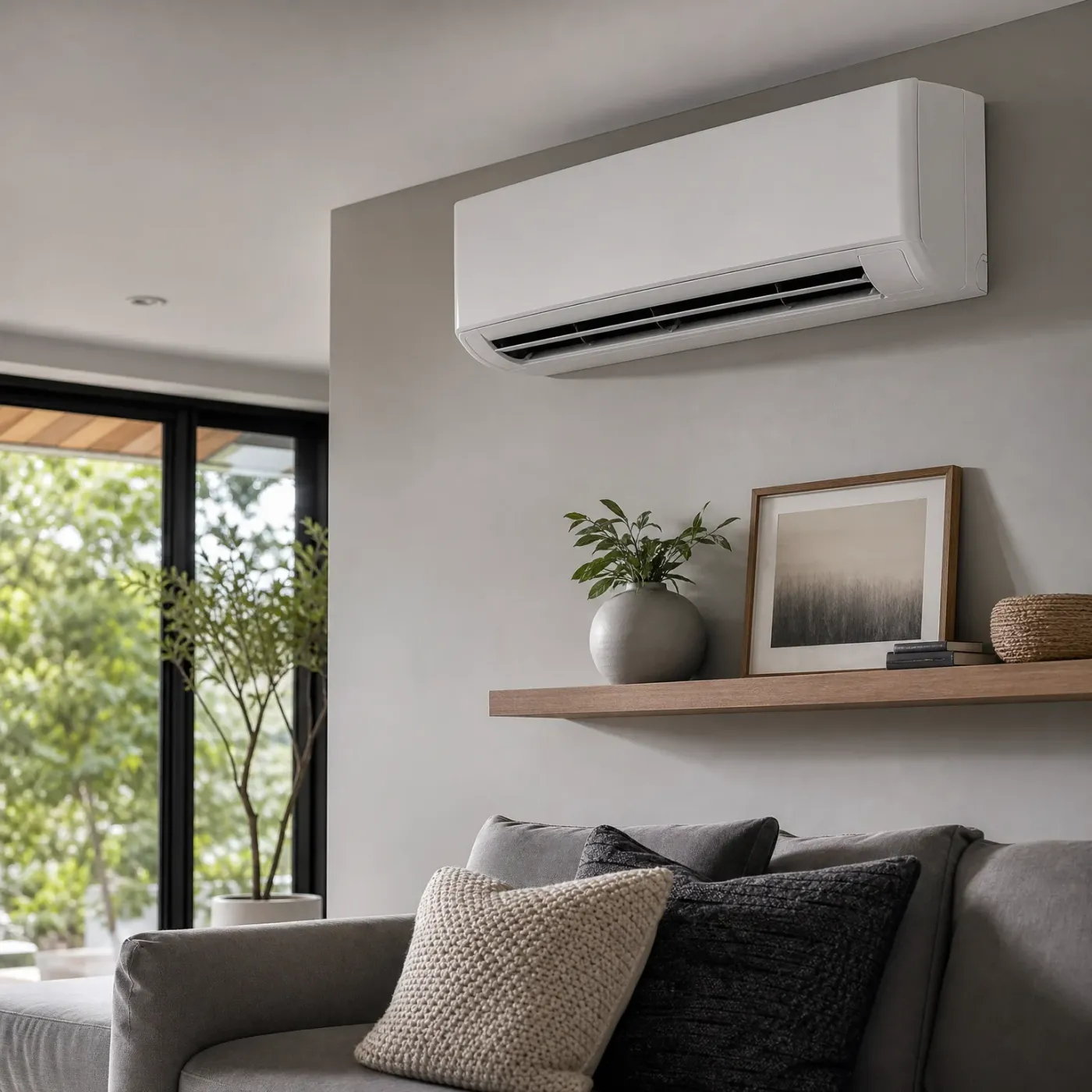
A mini split that's keeping up looks like this: clear vents, steady airflow, the outdoor unit free of frost. Cold air in July, warm air in January, with nothing unusual to notice. When it's working right, you don't think about it.
Winter mornings when the heat should be running and the air coming out feels cool, or the unit is icing up outside, or it runs and runs without catching up. You checked the thermostat and it's set right, so the next question is whether something is actually wrong with the system or if this is just how it behaves in cold weather.
A mini split heats by pulling warmth out of the outside air, so when the temperature outside drops, it has less to work with. Below freezing, the outdoor unit can start to ice over, and most units run a defrost cycle to clear it, which can look and feel like the system isn't heating for a few minutes at a time. If that cycle isn't clearing the ice, or the unit is icing up faster than it defrosts, something's wrong with it. In North Carolina winters, where temperatures swing from mild to well below freezing some nights, this is the most common reason a mini split that heats fine in November stops keeping up in January.




A mini split that's keeping up looks like this: clear vents, steady airflow, the outdoor unit free of frost. Cold air in July, warm air in January, with nothing unusual to notice. When it's working right, you don't think about it.

Dust and grime built up like this across the casing and vents choke off airflow before it reaches the room. A unit this dirty works harder to move the same amount of heat, and in a North Carolina winter that strain shows up as warm air that never quite gets there.
Rooms stay colder than the thermostat setting, so you end up running a space heater in whatever room you're sitting in. The outdoor unit has a layer of frost on it that doesn't clear on its own. You hear it click on and off more than it used to, sometimes every few minutes. Your electric bill is higher than last winter for the same weather, because the unit is drawing power without putting out heat. Left alone through a North Carolina winter, a mini split that can't keep up means cold mornings in the rooms you count on it for, and a system working harder than it should to get nowhere.


One form replaces the calls you'd make to find a mini split pro.
Send it once and finding someone is no longer on you.
There's no charge for the request.


A mini split doesn't make heat the way a space heater does. It pulls heat out of the air outside, even cold air, and moves it into the house through the refrigerant line. That's the same loop that cools your house in summer, just running backward. The reversing valve is what flips the direction. When it sticks, the system stays in cooling mode no matter what the thermostat says, and the indoor head blows air that never warms up.
Cold outdoor air holds less heat to begin with, so the system works harder as the temperature drops. Somewhere near freezing, the outdoor coil starts picking up frost the same way a cold glass sweats in summer. A little frost is normal and clears on its own. The unit runs a defrost cycle on a timer, reversing itself for a few minutes to melt that frost before going back to heating. You might notice the outdoor fan stop and steam rise off the unit. That's supposed to happen.
Problems start when defrost doesn't trigger, or starts and doesn't finish. Frost keeps building instead of clearing, and it blocks air from moving across the coil at all. Less airflow means less heat pulled in, so the system runs longer for less warmth. Refrigerant charge matters the same way. If the system is low, it's moving less heat with each cycle, and the air at the vent stays lukewarm even while the unit runs nonstop trying to catch up.
With most homes here heating on electricity, at 14 cents per kilowatt-hour a mini split that's stuck in defrost or running nonstop to chase a thermostat setting is burning power the whole time it struggles. A unit that's actually broken doesn't just leave you cold, it keeps pulling current while it fails to heat.
EIA-861 2025 statewide residential average

It's a July afternoon and you're at the desk in your home office, trying to get through email before the heat outside gets any worse. You notice the wall under the mini split looks wrong, a dark streak running down from the unit toward the baseboard. When you go over to check it, the drywall is damp under your fingers. You grab a towel from the hall bathroom and lay it along the floor to catch what's dripping off the bottom of the unit. The air coming out still feels cool against your hand. You stand there a minute, towel underfoot, wondering how long that streak has been forming behind you while you worked.
A mini split that won't heat is a mechanical problem, not a thermostat setting you missed. Something in the system, the reversing valve, the defrost control, the outdoor coil, isn't doing its job, and the fix is a technician finding which one it is and correcting it. Left alone through a North Carolina winter, it tends to get worse, not better, as frost builds and the compressor keeps straining against it. You don't have to spend your evening searching for who works on mini splits in your area, calling a few, explaining the icing and the lukewarm air to each one, then sitting with quotes trying to guess who's worth the money. Send this in and that part of it is handled. A licensed contractor near you takes it from there, and you go back to waiting on a warm house instead of waiting on a search result.
Describe what your mini split is doing once, in one form.
You only hire the pro if you want to.