

R-22 phase-out and older AC units in North Carolina
Describe your air conditioner job, and a local pro who handles it gets in touch.
Get an air conditioner proCan I still use my R-22 air conditioner in North Carolina?
Your old air conditioner runs on R-22, and you've heard it's being phased out. You're not sure if that means your unit is suddenly illegal, if you're stuck paying whatever a repair costs, or if you just need a plan for when it finally quits. You just want to know where you stand.
Yes, but R-22 isn't made anymore, so a repair that needs a recharge gets expensive fast
Running your R-22 system isn't against any law. The phase-out stopped production and import of new R-22 in the United States back in 2020. It didn't outlaw the equipment that uses it. So if your air conditioner is still cooling your house through a North Carolina summer, you can keep running it. What's changed is the refrigerant itself. The only R-22 left is reclaimed or stockpiled, and there's less of it every year, so the price keeps climbing. A small leak that once meant a quick top-off can now cost far more to fix than it used to, and a bigger leak or a failed compressor often means the repair costs more than the system is worth.

Why R-22 got so expensive
R-22 production in the United States stopped at the end of 2019. No new R-22 is being made or imported, so every pound that gets used for a repair comes from stock that was produced years ago. That limited supply is why a recharge on an R-22 system costs so much more than it used to. The refrigerant itself hasn't changed. There's just less of it every year, and the price reflects that.
A leak means a hard choice
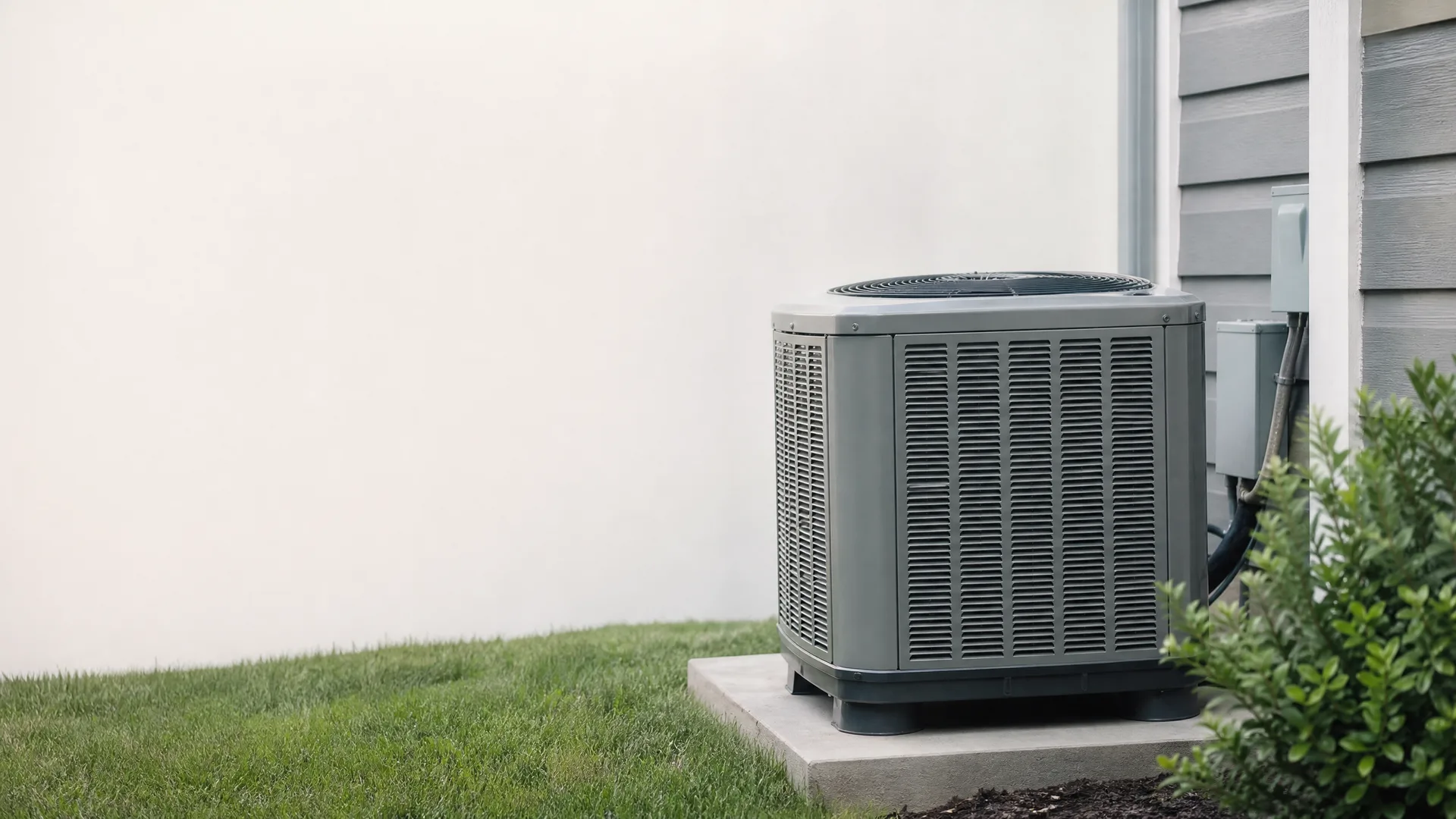
Your air conditioner only loses refrigerant if there's a leak somewhere in the coil or the lines. A unit that's low on R-22 needs that leak found and sealed before it gets recharged, and on an older system the leak can be in a spot that's expensive to reach. At that point you're weighing a costly repair plus a costly recharge against replacing the system with one that runs on a refrigerant still in production.
Repair the Old Unit or Replace It
Repair the R-22 unit
- A refrigerant leak means paying for R-22 by the pound, and that pound costs far more than it did a few years ago.
- Every repair keeps you tied to a refrigerant that nobody is making anymore, so the next leak costs the same or more.
- If the compressor fails, replacing it on an R-22 system often costs close to what a new system runs, since the parts are getting harder to source.
- A unit old enough to run on R-22 is also old enough that other parts, the fan motor, the contactor, are nearing the end of their life too.
- Keeping the old unit running gets you through this summer without the work of picking a new system now.
- A straight repair, if the problem isn't the refrigerant circuit, can be the cheaper fix in the moment.
Replace with a new system
- A new air conditioner runs on R-410A or a newer refrigerant, so you're no longer buying a refrigerant that's shrinking in supply every year.
- Replacement ends the cycle of paying leak-driven R-22 prices every time the old unit loses its charge.
- A new system is sized and installed for your house now, rather than patched to keep an aging one limping through another August.
- Newer systems carry efficiency ratings well above what an R-22 unit was built to meet, which matters across a North Carolina summer.
- Replacement is the bigger job up front, and it means living without your AC for part of the install.
- Once it's in, you're not watching the news for the next R-22 supply story to see what it means for your wallet.

A leak lets refrigerant escape and the coil starts icing over.
A gauge check shows the system is low on R-22.
Finding R-22 to recharge it takes longer than finding other refrigerants.
That pound of old refrigerant costs far more than a new system's charge.




Get the right pro for your air conditioner
If your outdoor unit still runs on R-22, every summer from now on is a gamble on whether it makes it through without a leak. North Carolina summers push these systems hard for months, and an old compressor or coil under that kind of load is exactly where leaks show up. When one does, you're hunting for a contractor who still stocks R-22, then hunting again if that quote comes in high, explaining the same unit and the same leak to each one you call. A new system runs on a refrigerant that's still being made, so a future leak doesn't turn into a search for a shrinking supply. You don't have to sort through that search yourself. Answer a few questions about your unit and your home, and a contractor who installs these systems in North Carolina reaches out to you directly, with the specifics already in hand instead of explained from scratch over the phone.
What a summer breakdown looks like
If the leak happens in July, you are not just out a working air conditioner. You are finding out on the one kind of day North Carolina gives you most, heat that sits on the house from morning to night with no break. You call around, get put on a list, and wait while the inside of the house climbs past what anyone wants to sleep in. A system that limps along on R-22 does not fail on a schedule. It fails under load, which in this state means the worst stretch of July or August, not some mild afternoon in April when a delay is easy to shrug off.
What staying on R-22 is costing now
Even without a leak, an aging R-22 unit is working harder than a newer one to hold the house at the same temperature through a North Carolina summer. That shows up on the electric bill every month, not just in a repair invoice once a year. And because homes here heat with electricity too, a system that is already straining in summer is one more draw on power you are paying for year round. Replacing it before the next leak forces the question means choosing the timing yourself, instead of a hot week in August choosing it for you.


What does an aging R-22 unit look like day to day?
You might notice the air isn't as cold as it used to be, even with the thermostat set the same as always. Maybe the unit runs longer to hit the same temperature, or it cycles on and off more than it used to. Sometimes there's a hiss near the outdoor unit, or frost on the copper line that shouldn't be there in July. The electric bill creeps up a little each summer without anyone changing how they use the house. None of this means the unit is about to fail tomorrow. But a system that's losing refrigerant slowly tends to lose it faster over time, and each of these signs is the compressor working harder than it was built to.


Power costs 14.00 cents per kilowatt-hour statewide
At 14 cents a kilowatt-hour, an R-22 unit that's lost efficiency as it ages costs you more every month it keeps running that way. A unit low on refrigerant or working through a dirty coil pulls more power to do the same job, and you pay for that difference on every bill until it's replaced.
EIA-861 2025 statewide residential average
An R-22 air conditioner is still legal to run. It is not legal for anyone to make more of the refrigerant it needs. That is the whole problem in one sentence, and it is why a unit that still cools your house fine today can turn into an expensive summer later. You don't have to figure out on your own whether this is the year to replace it or the year to patch it again. Instead of calling around to different contractors, explaining your unit's age and the leak history, and sorting through quotes that all sound different, you get matched with a contractor who takes it from here. They look at your system, your house, and what North Carolina summers do to it, and they tell you straight what your options are. You stay in your house with working AC. The searching and the back and forth, the part that eats your evenings, is what goes away.
A pro who works on air conditioners
Skip collecting and comparing quotes for the new air conditioner.