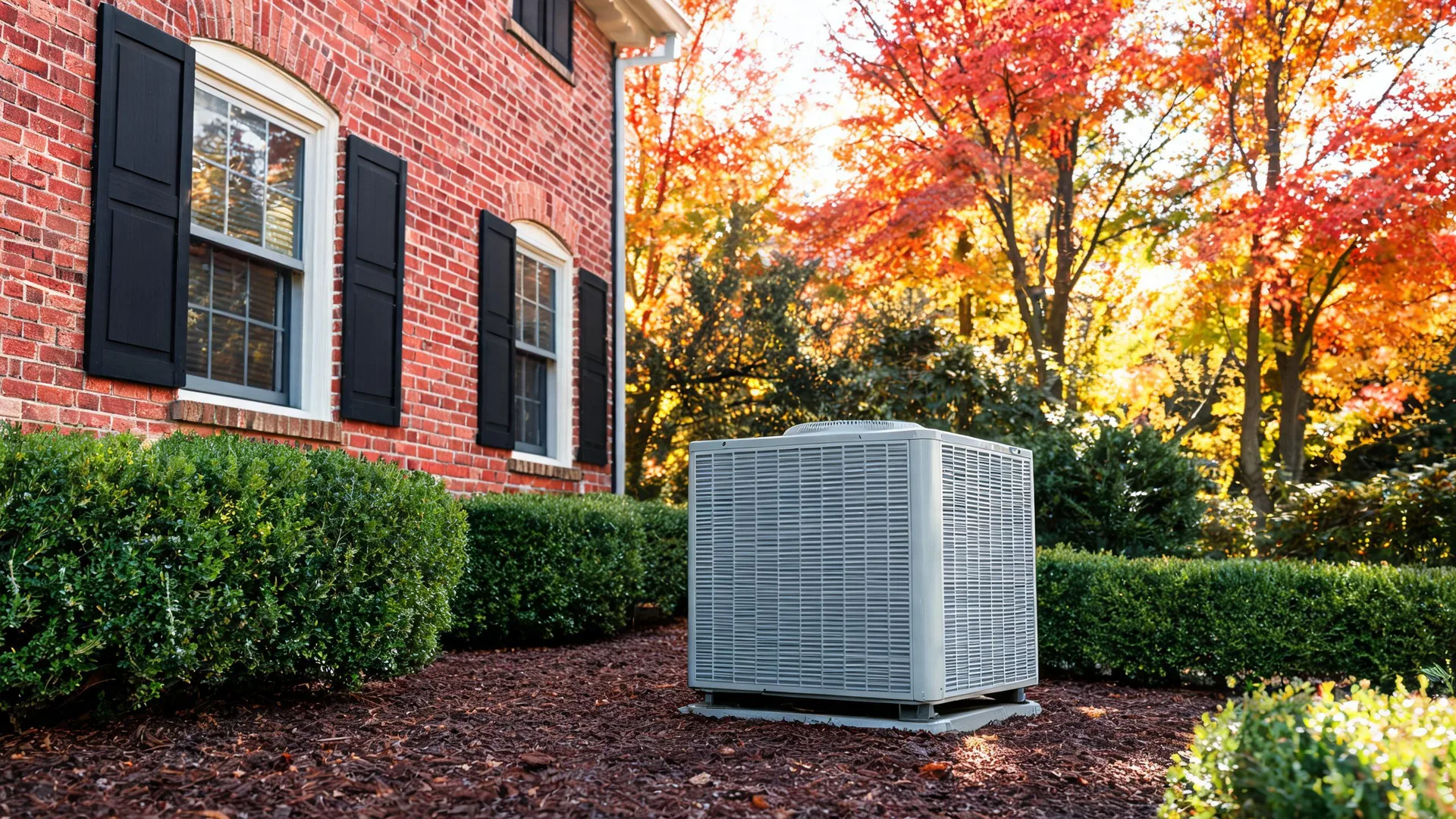
Aerial view of a gray central air conditioning condenser unit on a concrete pad next to a house with vinyl siding.

AC Repair in Shelby, NC

Tell us about the job

Takes about a minute. No obligation.

RepairCentral ACCleveland County, NC
Step 1 of 2

What ZIP code is the job in?

A tech checks the whole system, not just the symptom

A tech will check refrigerant pressure, electrical draw, and airflow before touching anything. Warm air from the vents could trace back to the compressor, a failing capacitor, or a coil choked with dust. Guessing at parts wastes money, so the visit starts with gauges and a multimeter, not a toolbox.


What's found decides what happens next

A weak capacitor or a clogged filter gets handled on the spot. A failing compressor or a slow refrigerant leak is a bigger conversation, since parts may need ordering and the cost can change the math on repair versus replacement. The diagnosis tells you which kind of problem you actually have.

5 months
May through September, your air conditioner is on duty
87°F
the average summer afternoon it cools against
28 hail events
in ten years, and hail bends the fins on outdoor coils
70 wind events
in ten years, and wind drives debris into outdoor units
Isometric line illustration of a cutaway house showing interior rooms with furniture, ductwork leading to an indoor air handler, and an outdoor condenser unit connected by a line set.
Your air conditioner works hardest from June through August.

NOAA nClimDiv, 1991–2020 normals

A capacitor weakens slowly, then the compressor or fan motor won't start on a hot afternoon.

Most no-cool calls trace back to one failed part, not a dying system.

Built for MayCooling runs May through September here, and the first hot stretch finds whatever was already weak.

Before calling anyone, check the thermostat is set to cool and the setpoint is actually below room temperature. Go to the breaker panel and look for a tripped breaker on the AC circuit, and check for a shutoff switch near the indoor air handler that may have gotten bumped. Outside, look at the condenser unit and clear away any leaves, grass clippings or mulch piled against it, since the coil needs open air around it to shed heat. Pull the air filter and hold it up to a light. If you can't see light through it, that's airflow the system isn't getting, and it's worth replacing before anything else. Check the vents in each room are open and not blocked by furniture or rugs. If the outdoor unit isn't running at all and the breaker is fine, don't keep flipping the thermostat on and off trying to force it, since that can be hard on the compressor.

After a storm, get the outdoor unit checked, not just the thermostat

Cleveland County has had 117 severe weather events between 2015 and 2024, among them 70 damaging wind events and 28 hail events. Hail dents coil fins and wind throws debris into the condenser without always stopping it, so a unit can take damage and keep running for a while after. If a storm came through recently, it's worth having the outdoor unit looked at even if the air is still cold.

Find a contractor
A man in a dark cap, gray long-sleeved shirt and brown work pants, carrying a canvas tool bag with pens and tools in its pockets, steps up onto a porch toward an orange-red paneled front door, with gray horizontal siding and a potted shrub in a terracotta planter to the right.
An outdoor air conditioning condenser unit mounted on a concrete pad surrounded by gravel, photographed against a partly cloudy blue sky.

What Age Looks Like From the Couch

Age shows up in an air conditioner as a pattern, not a single failure. Short cycling is one of the clearest: the unit kicks on, runs a few minutes, shuts off, then starts again before the house has cooled. That's hard on the compressor and usually points to a refrigerant or electrical problem rather than something you can fix by adjusting the thermostat. Ice on the refrigerant lines or the indoor coil is another sign, and it almost always means airflow is restricted or the refrigerant charge is off, not that the system is working too hard and needs a rest. A hum from the outdoor unit with no fan movement usually means the capacitor or fan motor is failing. And if the air coming from the vents is warm or barely cool, that can trace back to the compressor itself, which is the most expensive part to replace and often the deciding factor in whether repair still makes sense.

Running it refrigerant-low burns the compressor

A system low on refrigerant still tries to cool, and the compressor works harder to make up for it. That extra strain heats the compressor beyond what it was built for, and once it's damaged, it usually means replacing the whole outdoor unit rather than topping off a line.

Ice on the coil cuts off its own airflow

A coil that starts icing over blocks more of its own airflow as the ice builds, so the problem feeds itself the longer the unit runs. Shutting it off and letting the ice melt is what stops the damage. Leaving it running pushes liquid refrigerant back into the compressor, which it isn't built to handle.

Aerial view of a residential air conditioning condenser unit mounted on a concrete pad next to a house with vinyl siding and a sliding glass door.

A new air conditioner would cut about $40 a year off cooling for a typical Cleveland County home.

  • A new one at the federal minimum, 14.3 SEER2$290 a year
  • An older air conditioner$330 a year

Estimates for a typical Cleveland County home, compared with an older unit built to the previous federal minimum, from EIA household energy data, North Carolina fuel prices and NOAA climate normals. Your home will differ.

Repair makes sense when a part like a capacitor or contactor has failed.

Replacement makes sense when the compressor has failed or the system uses R-22 refrigerant, which is no longer made.

A repair makes sense when the part that failed is cheap next to the system around it, like a capacitor or a contactor. Replacing the compressor is a different kind of decision, since that part alone can cost close to what a new outdoor unit costs, and it's the part most likely to fail as a system gets old. Age matters too, but not by itself. A unit that's needed a repair every summer for the past few years is telling you something a single breakdown doesn't. The refrigerant a system uses matters as well, since older refrigerant types are being phased out, and a leak repair on one of those systems can turn into a harder and more expensive fix than the same leak would be on newer equipment. None of this means the older or more repaired system is wrong to fix. It means the decision should look at the system's whole history, not just the part that quit this time.