






Aerial view of a gray central air conditioning condenser unit on a concrete pad next to a house with vinyl siding.

AC Repair in Raleigh, NC

Tell us about the job

Takes about a minute. No obligation.

RepairCentral ACWake County, NC
Step 1 of 2

What ZIP code is the job in?

Wake County saw 458 severe weather events between 2015 and 2024. Most of that was wind, 308 events, with 122 hail events mixed in. An outdoor AC unit sits outside through all of it, and a branch or a chunk of hail can bend the fins or crack the fan blade without stopping the unit from running. Five tornadoes and six tropical storms or hurricanes touched the county in that same stretch, the kind of weather that throws real debris. A unit that still kicks on and blows cold air can be running on a damaged coil or a bent fan, so it's worth having someone look at it after a bad storm, not just when it quits.

5 months
May through September, your air conditioner is on duty
88°F
the average summer afternoon it cools against
122 hail events
in ten years, and hail bends the fins on outdoor coils
308 wind events
in ten years, and wind drives debris into outdoor units
Isometric cutaway illustration of a single-story house showing interior rooms with furniture, attic ductwork connected to an indoor air handler, and an outdoor condenser unit on a pad linked by refrigerant lines.
Your air conditioner works hardest from June through August.

NOAA nClimDiv, 1991–2020 normals

AC here runs May through September, five months straight.

April is the month to get a weak unit checked, before the first real load finds the part that was already failing.

Five months of 88 degree afternoons and storms on top of that is what this unit is up against

Cooling runs May through September
Summer afternoons average 88°F
308 damaging wind events from 2015 to 2024
A Broken AC Costs You Every Month You WaitWake County homes paid 14.92 cents per kilowatt-hour in 2025, and a struggling unit burns more of it every month it runs.

Half the homes in Wake County were built in 2000 or later. If yours is one of them, the air conditioner likely isn't the original. Most units get replaced well before a house turns twenty, so a newer home usually means a system with real years left on it rather than one limping to the end. That changes what a repair call is worth. A compressor or a control board failing on a unit that age is usually a part that failed, not a system wearing out, and replacing the part is the straightforward answer. Worth knowing before anyone tells you the whole unit needs to go.

After a storm, have the unit checked, not just started

If the unit took a hit from hail or debris and still runs, that doesn't mean it came through clean. A bent fan or a damaged coil can keep blowing cold air for a while before it quits for good. Worth having someone check it after the next storm rolls through.

Find a contractor
A gray residential air conditioner condenser unit mounted on a concrete pad in an open grass field.

Every Day Like This One Adds Up, But Not For Long Yet

The time-lapse above is one day. Multiply that by however many summers this unit has already run, and you get a better sense of what's been asked of it than the unit's age alone. A system installed in a newer home has been doing this same day-into-night work since it went in, and if that was anytime after the house was built in 2000 or later, it hasn't been doing it for long. Ask whoever comes out how old the unit is before agreeing to anything. A few years of hard running is wear. It isn't the end of the line.

A Struggling Compressor Draws Harder the Longer It Runs

A compressor low on refrigerant or starting on a weak capacitor doesn't just work slower, it works harder, pulling more current every cycle to do a job it can't quite finish. Run it that way for days instead of hours and heat builds up inside the windings that a quick repair would have avoided. What starts as a part swap can turn into a seized compressor, and that's the one part inside the unit that isn't worth fixing on its own.

A Clogged Coil Doesn't Fix Itself While the Unit Runs

A frozen evaporator coil means airflow is restricted somewhere, a dirty filter, a blocked return, a fan not pulling its weight. Keep the unit running and that ice sheet only grows, and ice on the lines can force liquid refrigerant back into the compressor instead of vapor. That's damage the coil itself never recovers from. Shutting the system off and letting it thaw before calling someone is worth more than letting it fight through another cycle.

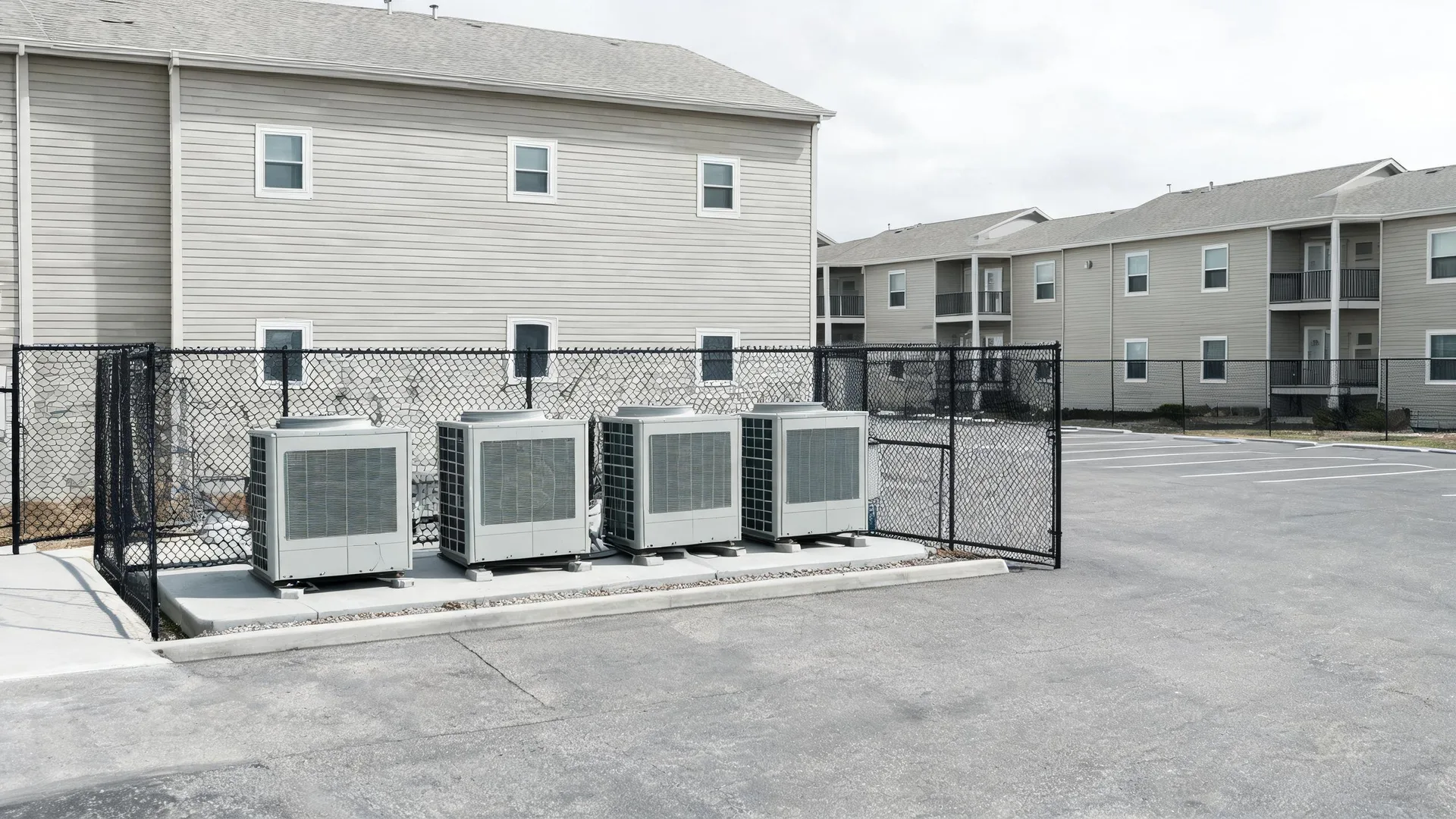
An outdoor air conditioning condenser unit on a concrete pad next to the gray vinyl siding of a residential home.

A new air conditioner would cut about $50 a year off cooling for a typical Wake County home.

  • A new one at the federal minimum, 14.3 SEER2$320 a year
  • An older air conditioner$370 a year

Estimates for a typical Wake County home, compared with an older unit built to the previous federal minimum, from EIA household energy data, North Carolina fuel prices and NOAA climate normals. Your home will differ.

Repair makes sense when a part like a capacitor or contactor has failed.

Replacement makes sense when the compressor has failed or the system uses R-22 refrigerant, which is no longer made.

A diagnostic call starts outside at the unit itself, not with a gauge. The tech checks the fan blade and the housing for bends or cracks before anything gets powered on, because a damaged fan can throw itself apart under load. Next comes the electrical side: the capacitor, the contactor, the wiring, checking for burn marks or a capacitor that's swollen on top. Refrigerant pressure gets checked with gauges on the lines, high side and low side, since a system low on charge or overcharged shows up there before it shows up anywhere else. The coil gets a look too, both indoor and outdoor, for ice, for bent fins, for anything blocking airflow. By the time the tech has done all that, they're not guessing what's wrong. They can point to the part and tell you whether it's worth fixing or whether it's a symptom of something bigger.