





An outdoor central air conditioning unit mounted on a concrete pad beside a blue-sided house at sunset.

AC Repair in New Bern, NC

Tell us about the job

Takes about a minute. No obligation.

RepairCentral ACCraven County, NC
Step 1 of 2

What ZIP code is the job in?

Craven County saw 135 severe weather events between 2015 and 2024, and most of those were damaging wind. Wind throws branches and debris into the outdoor unit, and it bends the thin fins on the coil even when nothing looks broken from a few feet away. Hail does the same, and so does a tropical storm with nothing between the condenser and the weather but open air. If your AC has been through anything like that, have it looked at even if it's still blowing cold. A bent coil or a cracked fan blade can run for a while before it fails outright.

5 months
May through September, your air conditioner is on duty
88°F
the average summer afternoon it cools against
19 hail events
in ten years, and hail bends the fins on outdoor coils
101 wind events
in ten years, and wind drives debris into outdoor units
Isometric line illustration of a cutaway house showing interior rooms, ceiling ductwork connected to an indoor air handler, and an outdoor condenser unit linked by refrigerant lines.
Your air conditioner works hardest from June through September.

NOAA nClimDiv, 1991–2020 normals

Afternoon highs in Craven County average 88 degrees through June, July and August.

An AC that runs from May through September with no real break wears down faster than one that gets to rest.

Power here runs 14.13 cents a kWh, and a struggling AC burns through it all summer

Power costs 14.13 cents a kWh statewide
Cooling runs May through September
Summer afternoons average 88°F

May is when cooling starts here, and it's also when a weak AC tends to show itself. The unit has sat through April doing nothing, and the first real hot stretch asks it to run hard right away. If a capacitor or a connection was already marginal, that's when it gives out, not in the middle of summer. Getting it checked in April, before the county starts running cooling, catches a weak part while it's still just weak. Wait until the first hot week and the same part may already have failed.

Get it checked after a storm

Storms hit hard here. If the outdoor unit took hail or debris, have it checked even if it still runs.

Find a contractor
An outdoor air conditioning condenser unit mounted on a concrete pad beside a house, with electrical conduit running to a wall-mounted disconnect box.

Five months of running with no real break

May through September, this system runs close to nonstop. Nights don't cool off enough to give it a real break, so the parts stay under load longer than they would somewhere milder. If it's struggling now, that's most likely wear catching up with a system that hasn't had much downtime, not a one-time failure. Worth having a tech check the whole unit, not just whatever part quit first.

What you can check yourself

Start at the thermostat. Make sure it's set to cool and set below room temperature. If the display is dim or blank, the batteries are likely dead. Check the breaker box next for anything tripped on the AC circuit. Outside, look at the condenser and clear away leaves, grass clippings or mulch piled against the sides. Inside, pull the air filter and hold it to the light. If you can't see through it, replace it. None of this takes tools, and it rules out the simple causes before anyone comes out.

What those checks tell you

If the thermostat is set right, the breaker's fine and the filter is clean, but the air still isn't cold, the problem is inside the system where a homeowner shouldn't go. A refrigerant leak, a failing capacitor and a frozen coil all show the same symptom from the outside. The air comes out warm, or it doesn't come out at all. Opening the cabinet risks a shock, and poking at a frozen coil or a low charge without knowing what you're looking at tends to turn a small repair into a bigger one. That's the point to stop and get a tech out.

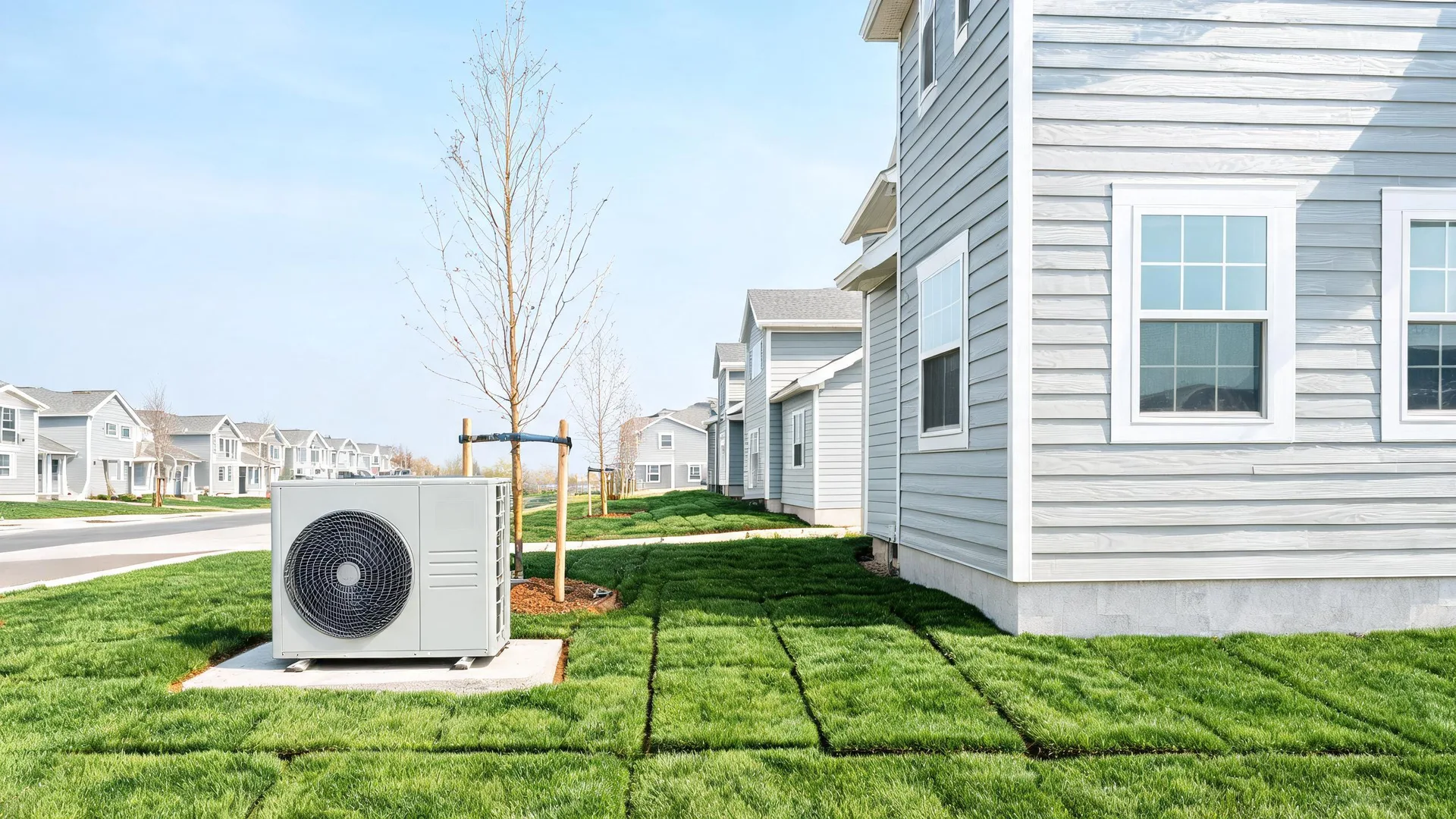
An outdoor air conditioning condenser unit installed beside the exterior wall of a blue vinyl-sided house at sunset.

A new air conditioner would cut about $60 a year off cooling for a typical Craven County home.

  • A new one at the federal minimum, 14.3 SEER2$360 a year
  • An older air conditioner$420 a year

Estimates for a typical Craven County home, compared with an older unit built to the previous federal minimum, from EIA household energy data, North Carolina fuel prices and NOAA climate normals. Your home will differ.

Repair makes sense when a part like a capacitor or contactor has failed.

Replacement makes sense when the compressor has failed or the system uses R-22 refrigerant, which is no longer made.

The part that failed matters less than what it tells you about the rest of the system. A capacitor or a fan motor can fail on its own, early in a unit's life, with nothing else wrong around it. Replacing it is usually straightforward and worth doing. A compressor is different. It sits at the center of the system, and when it starts drawing extra current or running hot, that's usually a sign of wear built up over time rather than a one-off failure. A tech can check refrigerant pressure and look at the coil to see whether the rest of the unit is still sound or whether the compressor trouble is the first sign of more to come. If a compressor repair is what's being quoted, it's worth asking what shape the rest of the system is in before deciding.