






A lit antebellum-style two-story house with white columns and a wraparound porch at night, framed by live oak trees draped in Spanish moss.

AC Repair in Morganton, NC

Tell us about the job

Takes about a minute. No obligation.

RepairCentral ACBurke County, NC
Step 1 of 2

What ZIP code is the job in?

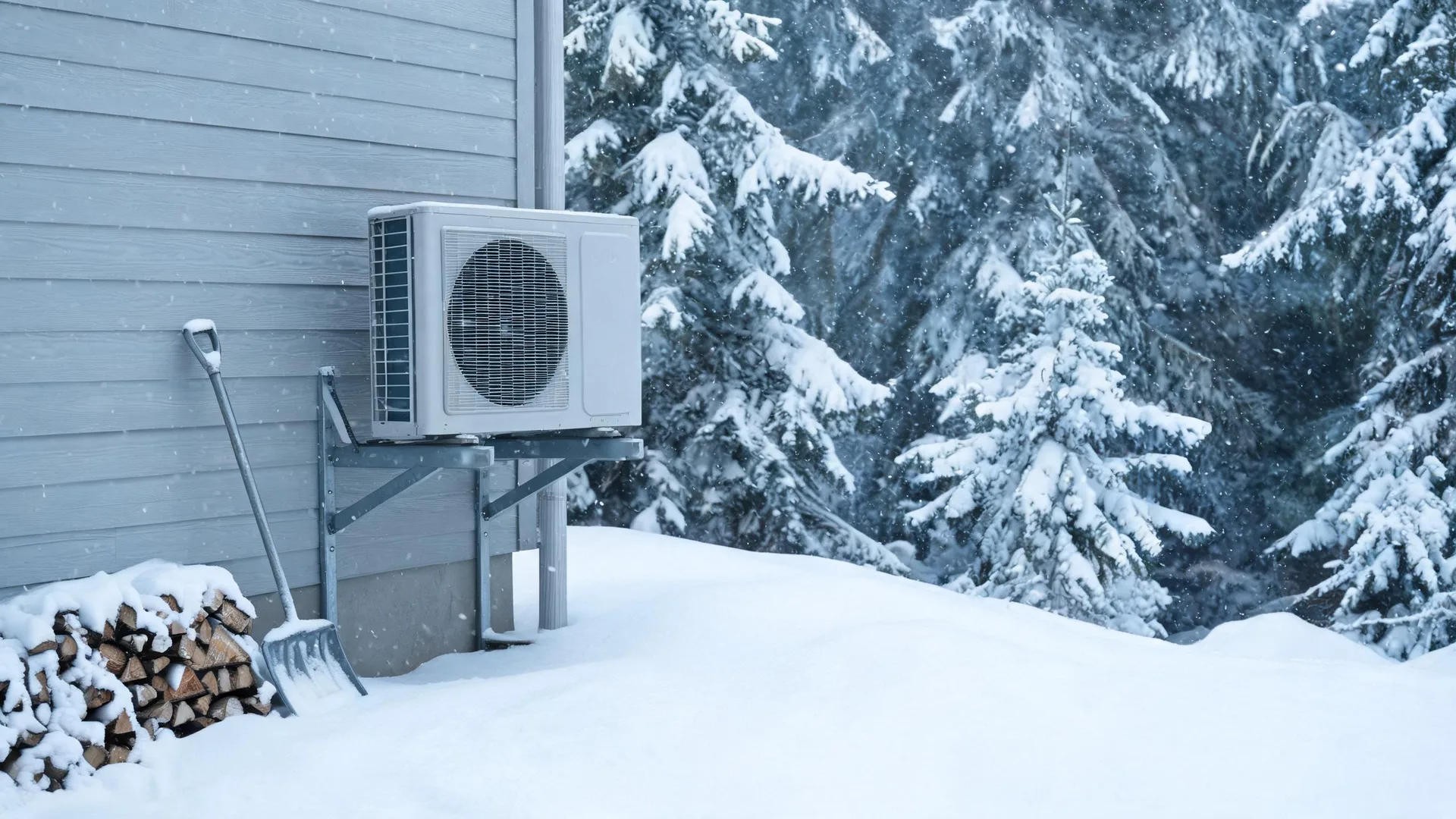
Burke County saw 203 severe weather events between 2015 and 2024. Damaging wind accounted for 112 of those, hail for 57 more, and the county took 3 tornadoes and 4 tropical storms or hurricanes in that stretch too. An outdoor AC unit sits outside through all of it, exposed to whatever the wind throws or the hail drops. A unit can take a hit and keep running for a while before the damage shows up as a bigger failure. If yours has been through a storm, it's worth having someone look at the coil and cabinet even if the air is still cold.

4 months
June through September, your air conditioner is on duty
86°F
the average summer afternoon it cools against
57 hail events
in ten years, and hail bends the fins on outdoor coils
112 wind events
in ten years, and wind drives debris into outdoor units
Isometric cutaway illustration of a small house showing interior rooms with furniture, ceiling ductwork and an air handler, plus an outdoor condenser unit connected by refrigerant lines beside the building.
Your air conditioner works hardest from June through August.

NOAA nClimDiv, 1991–2020 normals

A breaker that trips once might just be loose. One that trips twice means something is drawing too much power.

Reset it one time. If it trips again, stop and call, because the compressor or a wire inside the unit is the likely reason.

June is when the weak part finally gives out

Cooling runs June through September
Summer afternoons average 86°F
112 damaging wind events from 2015 to 2024

A tech starts outside, checking the condenser fan and the coil before anything gets opened up. Inside, they check the air handler, the filter, and the refrigerant lines for frost or oil residue, which points to a leak. Gauges go on next to check the refrigerant charge, since too little or too much both make the system work wrong. They test the capacitor and contactor, the two parts most likely to fail from normal wear, and check amp draw on the compressor to see if it's straining. If the system short cycles or won't hold a set temperature, the thermostat and its wiring get checked too. By the end, the tech can usually tell you not just what failed, but why, and whether it's a one-time fix or a sign the unit is wearing out.

Had a storm come through? Get the unit checked before it fails

If your unit has been sitting outside through storm after storm, a check now is cheap insurance against a bigger breakdown later. Have the coil and cabinet looked at before a hit you didn't notice turns into a system that won't start.

Find a contractor
A man in a cap, dark shirt and worn brown work pants walks up concrete steps toward an orange front door, carrying a canvas tool bag in his right hand, with a potted shrub beside the entry.
An outdoor air conditioning condenser unit mounted on a concrete pad beside a house, with electrical conduit running to a wall-mounted disconnect box.

What actually wears out

An air conditioner fails for a handful of reasons, and most of them come down to wear on the same few parts. The capacitor gives the compressor and fan motor the jolt they need to start, and it weakens over time until the start fails outright. The contactor switches power to the outdoor unit every time the thermostat calls for cooling, and its contacts pit and burn with each cycle until they stop closing reliably. The condenser fan motor can seize or its bearings can wear, and once it slows down or stops, the whole system overheats and shuts itself off to protect the compressor. Refrigerant doesn't get used up, so a low charge always means a leak somewhere in the coil or lines, and running low makes the compressor work harder than it should. Dirty coils and clogged filters cut off airflow the system needs to shed heat, and that extra strain is what pushes a marginal part into failing. The compressor itself is the part nobody wants to hear about, because by the time it fails, it's usually from years of strain finally catching up with it, and replacing it often costs close to a new system. None of these fail overnight. They wear down a little every time the system runs, which is why the same unit tends to develop the same handful of problems again as the years add up.

A strained part doesn't rest on its own

A weak capacitor or a failing fan motor doesn't get a break just because the system keeps calling for cooling. Every extra cycle puts the same load on a part that's already struggling, and that part keeps losing ground until it quits. Shutting the system off is the only rest it gets.

A small leak turns into a bigger repair

A refrigerant leak stays small until the system keeps running and pulls more refrigerant past the leak point. A compressor low on charge runs hotter and works harder to move heat, and that strain is what turns a slow leak into a compressor that won't start at all. The fix gets bigger the longer it runs low.

An outdoor air conditioning condenser unit installed beside the exterior wall of a blue vinyl-sided house at sunset.

A new air conditioner would cut about $30 a year off cooling for a typical Burke County home.

  • A new one at the federal minimum, 14.3 SEER2$240 a year
  • An older air conditioner$270 a year

Estimates for a typical Burke County home, compared with an older unit built to the previous federal minimum, from EIA household energy data, North Carolina fuel prices and NOAA climate normals. Your home will differ.

Repair makes sense when a part like a capacitor or contactor has failed.

Replacement makes sense when the compressor has failed or the system uses R-22 refrigerant, which is no longer made.

At some point a repair stops being the cheap option, and there's a way to tell. Age matters less than what keeps breaking. A unit that's needed a new capacitor or contactor once in its life is just doing normal maintenance. One that's had a compressor strain, a coil leak, and a motor failure within a couple years is telling you the whole system is wearing out at once, not just the part that quit this time. The compressor is the line that matters most. If that's what failed, the cost of fixing it runs close enough to a new system that most people replace instead. A fan motor or capacitor, on the other hand, is worth fixing on a unit of any age, because those parts fail on their own schedule and don't mean the rest of the system is going with them.