A normal defrost cycle
A light, even frost on the coil that clears within an hour is the unit doing what it's built to do. The fan stops, you might see steam, and then it switches back to heating on its own. No call needed for this.

Cold mornings and a frosted-over outdoor unit make a lot of homeowners here nervous, especially when the house is relying on that heat pump to keep everyone warm. A little frost during a defrost cycle is normal. A thick coat of ice that doesn't go away is the part worth paying attention to, because it changes how well the unit can heat your home and what it's doing to the equipment while it sits there.
Heat pumps pull warmth out of outside air, and in winter that coil gets cold enough to collect frost, the same way a glass of ice water sweats. The unit is built to handle this: it runs a defrost cycle every so often, switching briefly into cooling mode to melt that frost off, then goes back to heating. You might see steam coming off it during this and that's normal. What's not normal is ice that keeps building past a defrost cycle, or coats the coil, fan or lines. That usually means the defrost cycle isn't triggering right, the refrigerant charge is low, or airflow across the coil is blocked. Left alone, it cuts the heat pump's ability to warm your house and strains the compressor.





A light, even frost on the coil that clears within an hour is the unit doing what it's built to do. The fan stops, you might see steam, and then it switches back to heating on its own. No call needed for this.

Thick ice packed around the base or coil that doesn't melt off on its own points to something failing, maybe the defrost control board or a low refrigerant charge. A contractor who works on heat pumps all winter in North Carolina can tell you which.



Only one pro gets your request, so you hear from one company.
Explain the job once and skip repeating it on every call.
Asking costs nothing, and the choice to hire stays yours.



You go out for the paper a little after six and the yard is still dark, the grass stiff with frost. The outdoor unit sits against the side of the house, and this morning it is wrong. Ice covers the coil in a solid sheet, thick over the lines and running down into the base. No steam. No hum. The fan is locked under the ice and hasn't moved. Inside, the air coming out of the vents has gone cool, then colder, and your family is pulling on sweatshirts at the breakfast table. You crouch down and touch the cabinet. It's cold all the way through, and the ice doesn't look like it's going anywhere on its own this time.
If the outdoor unit has been iced over for hours instead of clearing on its own, check the vents inside. Air coming out barely warm, or not moving much at all, means the system is losing the fight against that ice instead of heating your house. You might hear the outdoor fan straining or not running at all, where normally you'd hear it cycle on and off through the morning. The indoor unit may run longer than usual trying to keep up, and the thermostat can lag further behind the temperature you set it to. Left alone through a cold stretch, that's rooms that stay chilly and a system working harder for less heat.
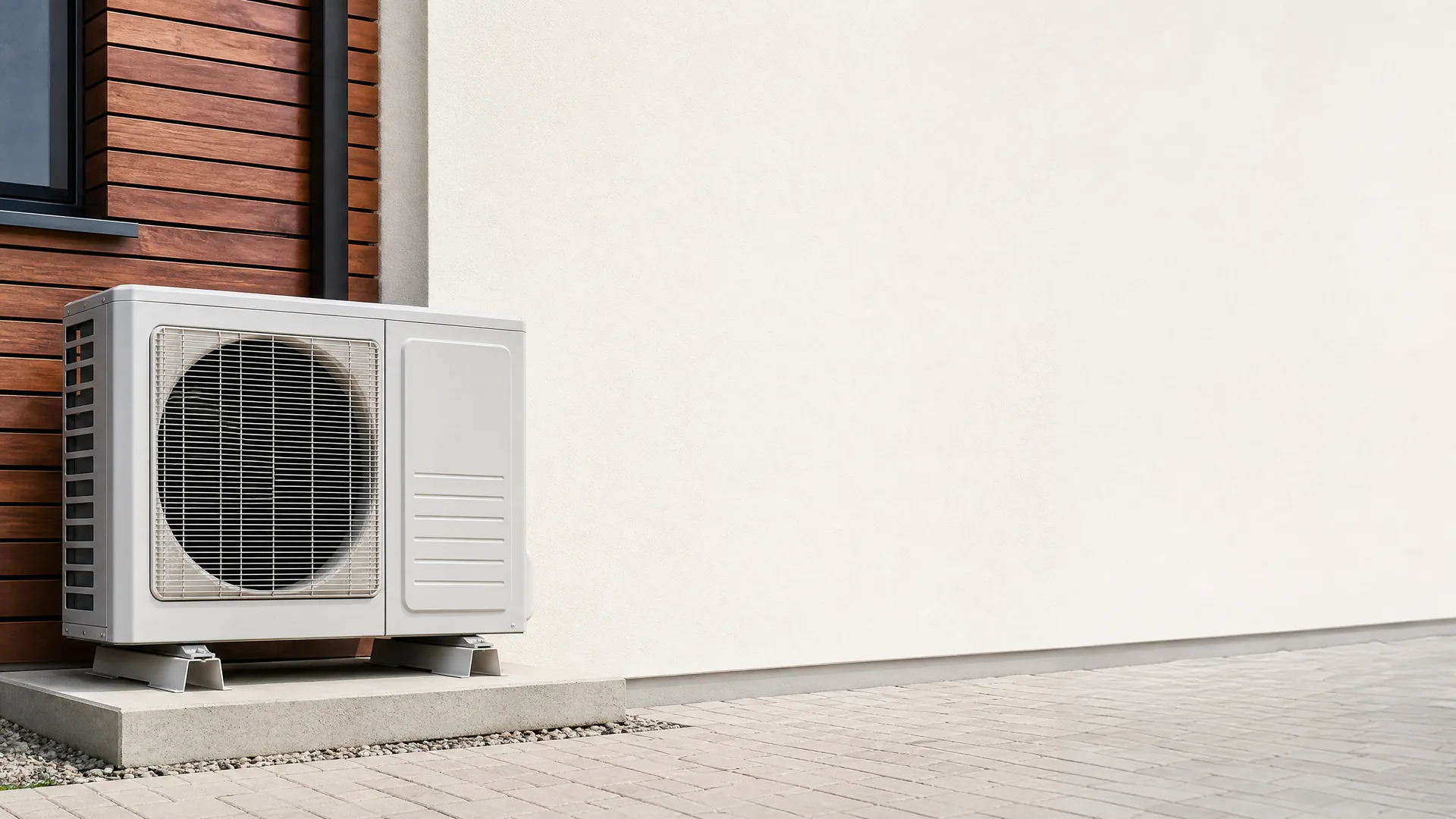
Your heat pump pulls heat from the outside air even when it's cold, and that process chills the outdoor coil below freezing. Moisture in the air turns to frost on the coil, same as frost on a windshield. Every so often the system reverses itself, runs like an air conditioner for a few minutes, and sends warm refrigerant through that coil to melt the frost off. A sensor and a timer control when that happens, not guesswork.
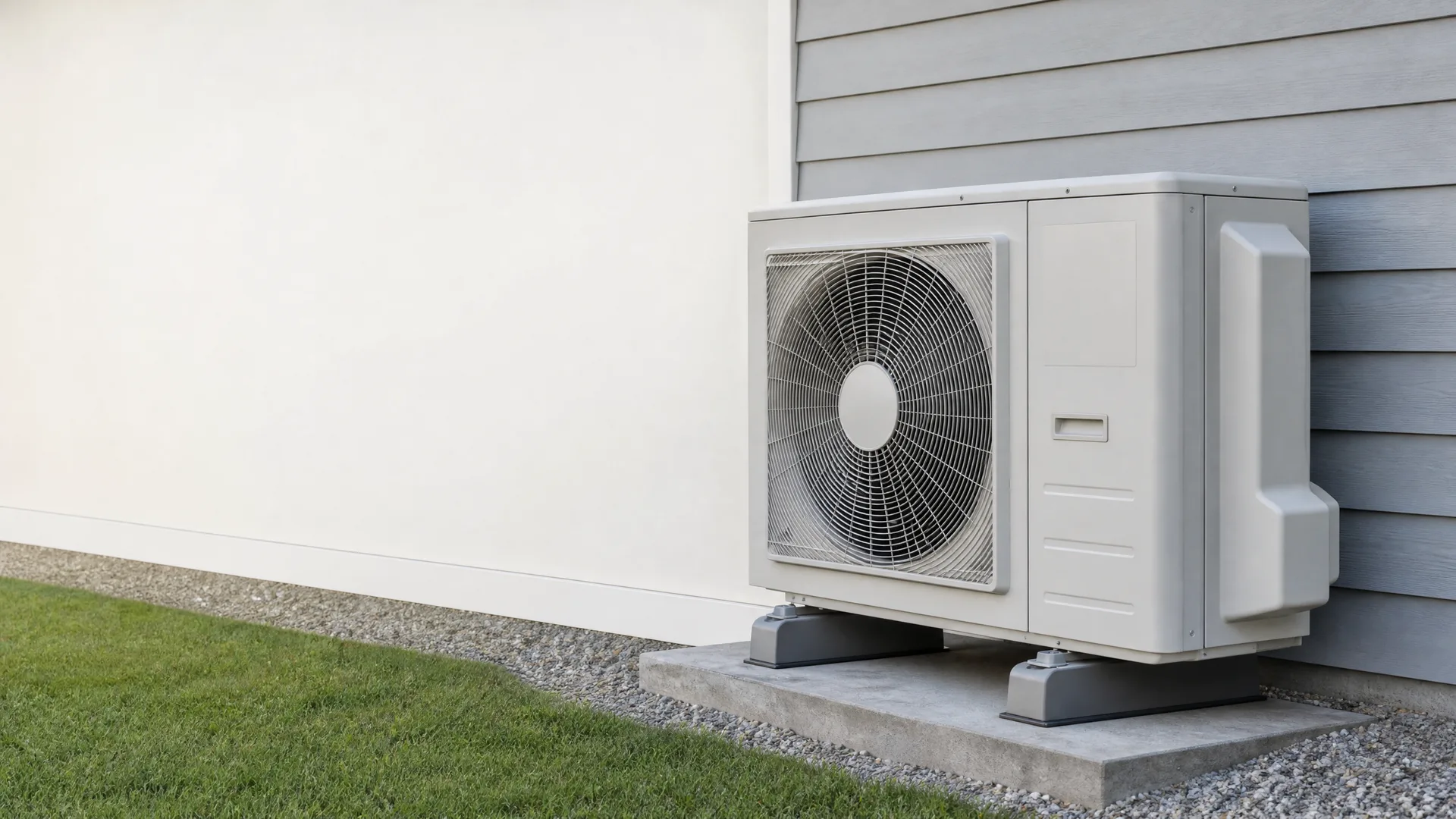
The system decides when to defrost using a sensor on the coil and a control board that times the cycle. If that sensor reads wrong, or the board fails to trigger the reversing valve, the unit stays in heating mode and keeps building frost instead of clearing it. Low refrigerant can cause the same result, since the coil runs colder than it should and frost forms faster than a normal cycle can keep up with. A contractor checks the sensor, the board, and the charge to find which one quit.
At 14 cents a kilowatt-hour, running a heat pump through a North Carolina winter is not cheap to begin with, and a unit icing over and struggling to defrost pulls more power to do the same job of keeping the house warm. A stuck cycle shows up on the next bill before you see it anywhere else.
EIA-861 2025 statewide residential average
A little frost that clears on its own means the heat pump is doing its job. Ice that stays, builds, or keeps the fan from turning means it's lost that fight, and the house will keep losing warmth until someone deals with it. A contractor who works on heat pumps all winter in North Carolina has seen this exact problem on plenty of other units nearby and knows what's usually behind a coil that won't clear, whether that's a defrost control, a sensor, or low refrigerant. You'll be matched with one licensed local contractor for this, not a handful of companies calling you back at once, so you can explain what the outdoor unit looked like this morning once and let them take it from there.





Your request stays with one local pro.
No fee to send it, and nothing to sign.