





What auxiliary heat means on a North Carolina heat pump

Fill out one short form instead of calling around.

Start one form

What does auxiliary heat mean on my heat pump?

Your thermostat shows "aux heat" or "emergency heat" and you want to know what that means for your system and your bill. It usually shows up on a cold morning when the house is working harder to catch up to the set temperature. You're not wrong to pay attention to it. It tells you something about how your heat pump is handling the outside temperature right now, and in North Carolina winters, that can mean it's running a lot more than you'd expect.

It means your heat pump switched to electric resistance heat to help out

A heat pump moves heat from the outside air into your home, but once it gets cold enough outside, it can't pull in heat fast enough to keep up on its own. Electric coils built into the system kick in to make up the difference. That's auxiliary heat. North Carolina winters don't stay below freezing for long stretches most years, but the nights that do get cold will trigger it, especially overnight and during quick temperature drops. Because most homes here heat with electricity already, the coils run on the same power your heat pump does. Aux heat isn't a malfunction by itself, but a system using it constantly, even on mild days, usually has something wrong that's worth a look.

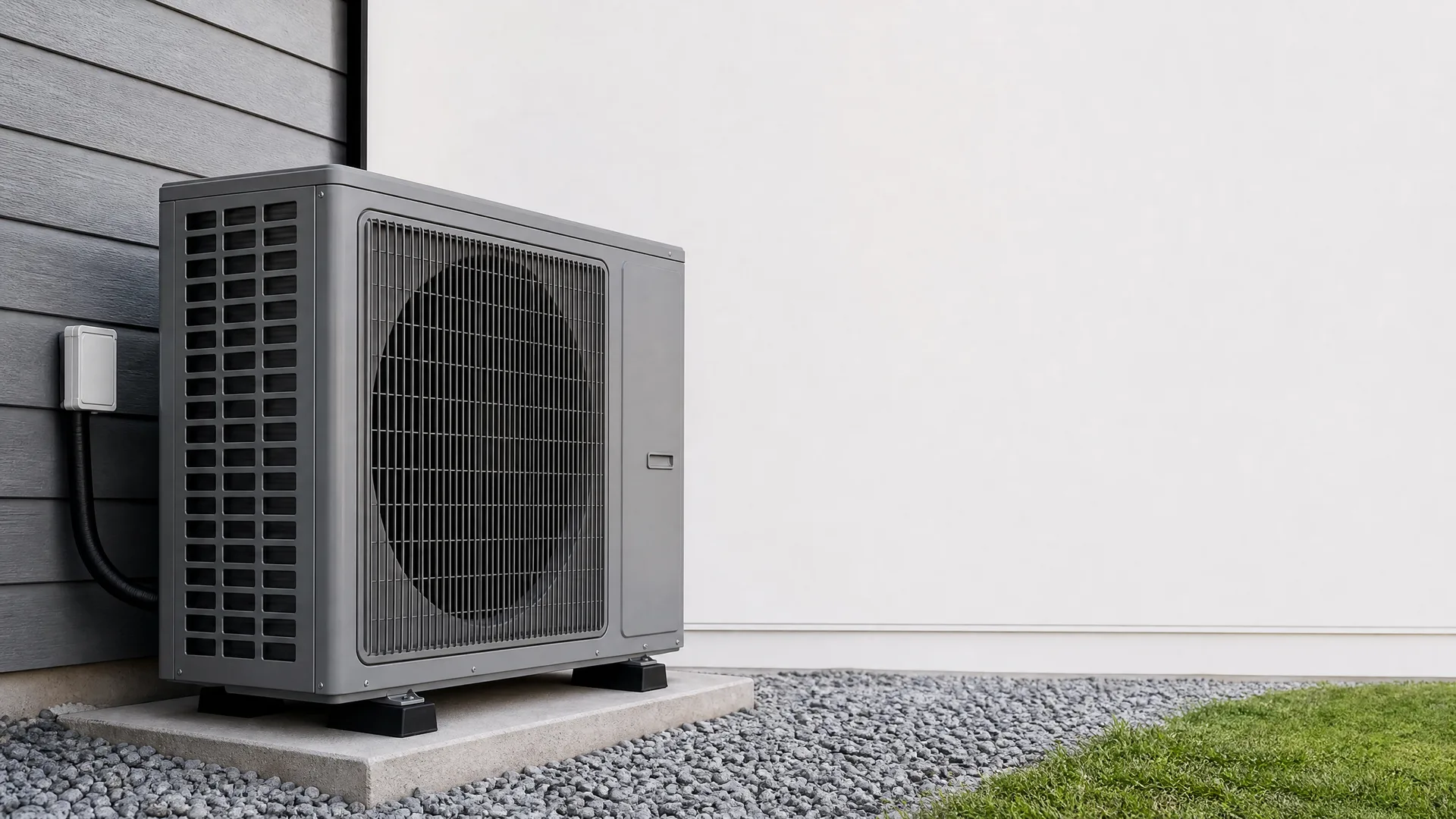
A gray outdoor heat pump unit on a concrete pad beside a house with dark horizontal siding and a plain white wall, surrounded by gray gravel next to a strip of grass.

Why your heat pump needs help

A heat pump pulls heat from the outside air. Below a certain outdoor temperature, usually somewhere in the 30s, there isn't enough heat out there to pull, and the unit can't keep up on its own. Aux heat is the backup, usually electric resistance coils, that kicks in to cover the gap. It costs more to run than the heat pump alone, because it makes heat directly instead of moving it.

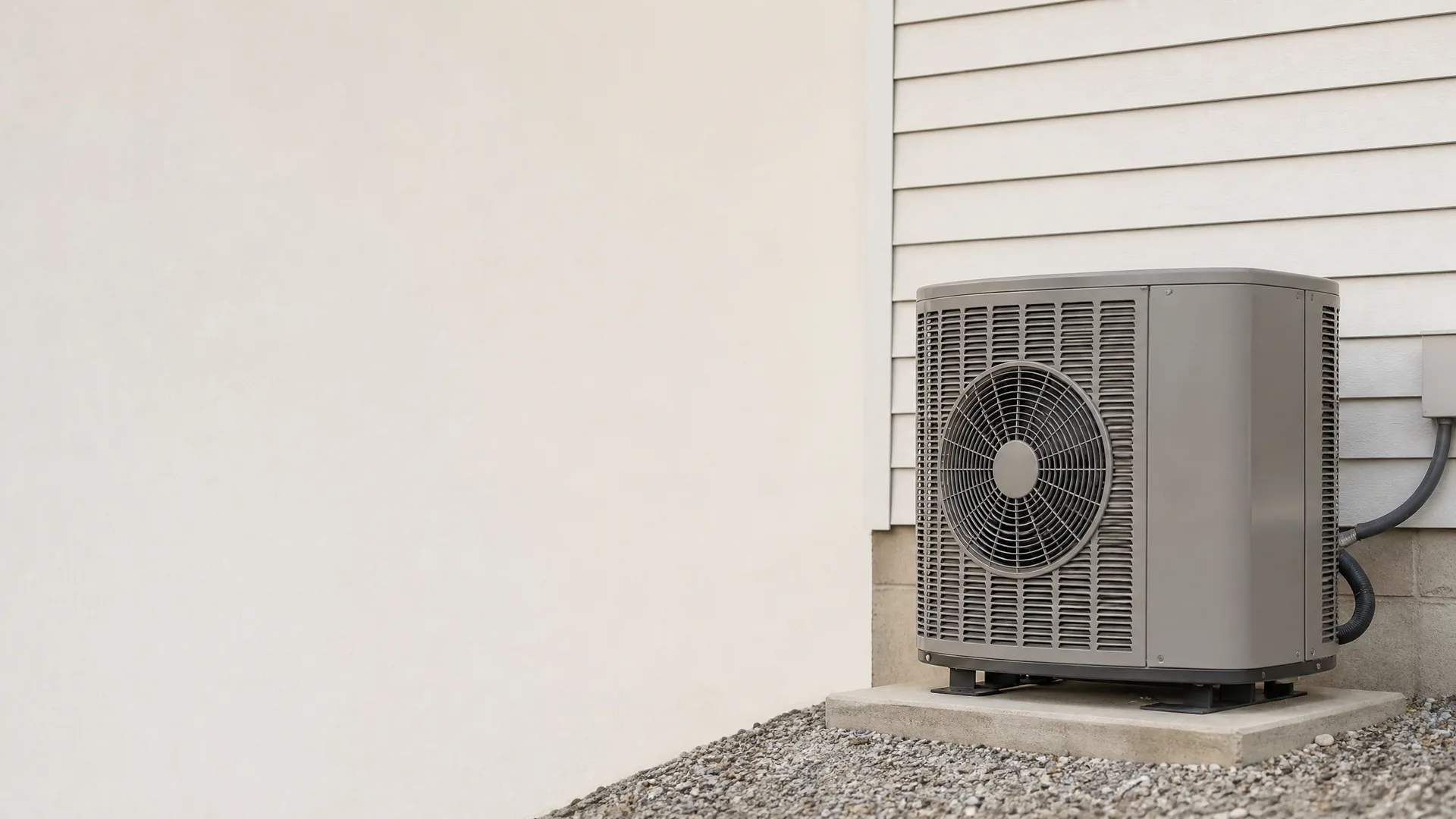
A gray outdoor heat pump unit on a concrete pad over gravel, beside a house with horizontal siding and an adjoining light stucco wall.

When it points to a problem

Aux heat running on a cold morning is normal. Aux heat running most of the day, or running when it's 50 degrees out, usually isn't. That can mean the heat pump itself isn't putting out heat the way it should, from a low refrigerant charge, a failing reversing valve, or a compressor that's struggling. A licensed contractor who works on heat pumps through a Carolina winter can check the refrigerant charge and the reversing valve and tell you which one it is.

Normal Aux Heat or a Problem

Aux heat running normally

  • It comes on during a cold snap when the outdoor temperature drops into the 30s or lower and the heat pump alone can't keep up.
  • It comes on for a short stretch after the thermostat is bumped up several degrees at once, while the house catches up.
  • It comes on during defrost, when the outdoor coil has iced over and the system briefly runs in reverse to clear it.
  • The light goes off on its own once the house reaches the set temperature or the outdoor air warms back up.
  • Your electric bill runs higher for that stretch because aux heat is electric resistance heat, not the heat pump moving warm air.

Aux heat signaling a problem

  • The light stays on for hours or runs most of the day even when it isn't especially cold outside.
  • The outdoor unit is iced over and staying that way instead of clearing during a normal defrost cycle.
  • The house still feels cool or uneven even with aux heat running, which points to the heat pump side not contributing.
  • The thermostat is set to "emergency heat" rather than switching there on its own, meaning the heat pump has been shut out of the cycle entirely.
  • A technician who knows this equipment can check the refrigerant charge, the outdoor coil and the defrost control rather than you guessing at which one is wrong.
A gray-haired man in a dark green knit sweater sits on a beige sofa with a dark cushion, looking to the side, with a potted plant, shelves and sunlit windows behind him.
A gray-haired man in a dark green sweater sits smiling on a sofa in a sunlit living room, with a houseplant, shelving unit, and dining table visible behind him.
A middle-aged man in a dark denim shirt sits on a light beige sofa in a living room with wooden shelving and a potted plant, looking off to the side.
A gray-haired bearded man in a dark green sweater sits on a light sofa indoors, looking to the side, with a houseplant, framed picture, table lamp and sunlit window behind him.

Is your heat pump stuck on aux heat

You might notice the "aux" light staying on long after a cold snap passes, or your power bill climbing more than a cold month should explain. Some homes feel warm air coming from the vents that isn't as hot as usual, or the system runs and runs without the house getting comfortable. The outdoor unit might be caked in ice, or you might not hear it running at all. None of this is normal once the weather's back above freezing. A heat pump that leans on aux heat too much is burning electricity to make up for something else going wrong, and left alone, that part tends to get worse and the bill tends to climb with it.

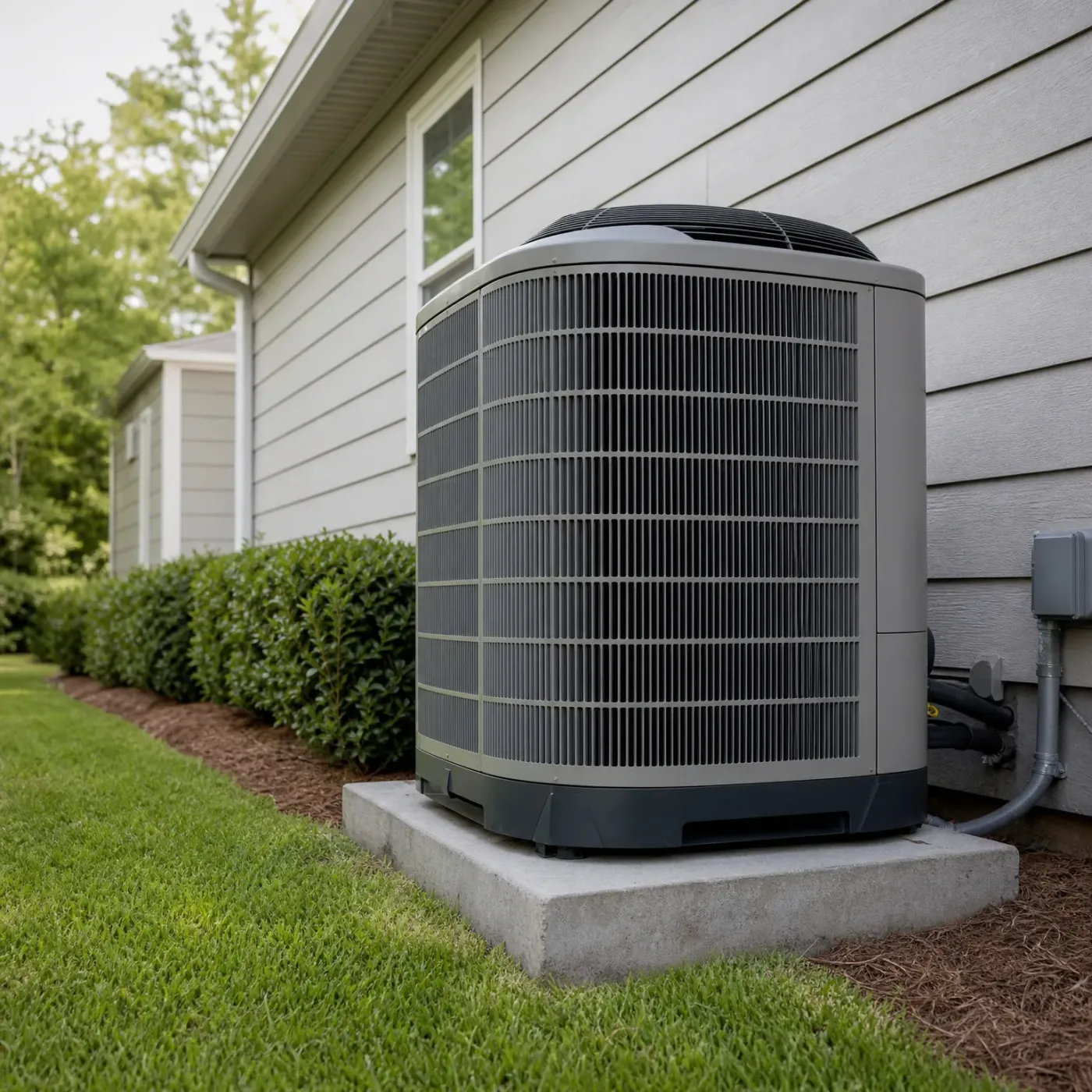
A gray outdoor condenser unit on a concrete pad beside a light-colored lap-sided house, with a wall-mounted disconnect box and conduit, dark mulch, and a green shrub to the right.

Heat pump running right

The outdoor unit sits there quiet most of the time, cycling on and off as the thermostat calls for heat. Air moves through it, the fan turns, and aux only kicks in on the coldest mornings. This is what normal looks like, season after season.


An outdoor air conditioner condenser unit on a concrete pad beside a house with horizontal lap siding, with a gray electrical disconnect box and conduit on the wall and bare dirt and mulch in the foreground.

Heat pump stuck on aux

Grime builds up on the grilles and airflow through the coils drops. A heat pump working against that kind of buildup struggles to pull heat from the outside air, even on a mild day, and leans on aux more than it should. A local contractor who services this equipment can tell you if that's what's driving your bill.

A wooden table with a closed laptop, a ceramic mug of dark coffee, and a glass vase of eucalyptus stems beside a window, with a dark green kitchen cabinet, wooden counter, potted herb, cutting boards and bowl blurred in the background.

What switches aux heat on

Inside the thermostat there's a second stage. The heat pump runs off the first stage, and if the house can't reach the set temperature on that alone, the thermostat calls the second stage, which is the aux heat strip. That strip is usually electric resistance heat, sitting in the air handler, and it draws a lot more power than the heat pump's compressor does. It's not a different system waiting in the wings. It's wired into the same thermostat and the same air handler, just a different way of making heat when the first way isn't enough.

A tech who works on heat pumps around North Carolina all season knows the common reasons aux heat runs more than it should on a given system, whether that's a thermostat set up wrong, a low refrigerant charge, or a reversing valve that's stuck. Finding that out yourself means calling around to a few companies, explaining the same symptoms each time, and weighing quotes that may not even be pricing the same repair. Matching with one licensed contractor local to you skips that, and you're not fielding calls from three different companies for the same job.

A dark ceramic vase holding a leafy green branch sits on a round wooden table, with a blurred cushioned wooden armchair, woven basket, window and shelving with pottery in the background.
  1. Thermostat senses the house falling short of its set temperature.

  2. First stage keeps the heat pump's outdoor unit running alone.

  3. Second stage closes and sends power to the heat strip.

  4. Electric heat strip warms air moving through the ductwork.

A weathered outdoor condenser unit on a concrete pad beside a house with light horizontal siding, surrounded by bare dirt and a shrub.
Before you get your heat pump repair
A dark gray outdoor condenser unit on a concrete pad beside a house with beige horizontal siding, with a gray electrical disconnect box and conduit on the wall, mulch beds, a hosta plant, a shrub, and mowed lawn in front.
After you get your heat pump repair
An outdoor condenser unit on a concrete pad beside a light-colored lap-sided house, with a trimmed hedge, mulch bed and mowed lawn nearby and an electrical box and conduit on the wall.

Skip the calls to every shop

Only one pro gets your request, so you hear from one company.

Explain the job once and skip repeating it on every call.

Skip calling around

No charge to send it. You decide if you hire them.

Power costs 14.00 cents per kilowatt-hour statewide

Aux heat is electric resistance heat, so every hour it runs costs more than the heat pump alone. At 14 cents per kilowatt-hour, a heat strip stuck on adds up fast on your bill. If aux is running more than a cold snap explains, it's worth having someone check why the heat pump isn't carrying the load on its own.

EIA-861 2025 statewide residential average

Why aux heat runs during defrost

  • The defrost board tells the reversing valve to switch the outdoor coil back to normal when frost builds up on it.
  • During defrost the heat pump is actually running in cooling mode outside, which pulls heat out of your house for a few minutes.
  • Aux heat kicks in automatically during that defrost cycle so the air coming out of your vents doesn't feel cold.
  • A defrost cycle usually lasts five to ten minutes and the outdoor fan stops running while it happens.
  • You can often see steam coming off the outdoor unit afterward as the frost melts off the coil.
  • If the outdoor unit is iced over and never seems to defrost, the board or the sensor that triggers it may have failed.

Frost builds up on the outdoor coil on cold, damp days, the kind North Carolina gets plenty of in the winter. When it does, the defrost board switches the reversing valve so the system runs backward for a few minutes, sending heat outside to melt the coil clean. That means the heat pump is briefly working against itself, pulling warmth out of your house instead of putting it in. Without something to cover that gap, you'd feel a blast of cold air from the vents every time this happens. So the board brings on the heat strip at the same time, and the air stays warm while the outdoor coil clears. The outdoor fan shuts off during this stretch since there's no point blowing air across a coil that's being warmed on purpose. Once the coil is clear, the board switches the valve back, the fan starts again, and the heat pump returns to pulling heat from outside like normal. You might catch steam rising off the unit right after, which is just the leftover frost melting. This whole cycle is supposed to happen on its own, a handful of times on a cold day, and end on its own. If you walk outside and the coil is caked in ice with no steam, no melting, nothing changing, the board or the sensor that tells it to start defrosting likely isn't doing its job, and that's worth having a contractor who works on heat pumps look at before it gets worse.

A woman with shoulder-length graying hair, wearing a light knit cardigan over a striped shirt, sits in an upholstered armchair and looks off to the side, with a bookshelf and houseplant behind her.
A woman with her hair in a bun holds a sleeping boy against her shoulder, both wrapped in a thick cream knit blanket on a couch in a dim room with a lit lamp, potted plants and a shelf behind them.
A gray outdoor condenser unit on a raised pad beside a house with horizontal lap siding, with refrigerant lines, conduit and an electrical disconnect box on the wall, and shrubs on a mulch bed to the left.
This is a heat pump doing its job. The coil is clean, nothing's blocking airflow, and aux only cuts in when the outside air gets too cold to pull heat from.
An outdoor air conditioner condenser unit on a gray composite pad beside a house with horizontal lap siding, with refrigerant lines and a conduit running to a wall-mounted disconnect box, and a shrub at left.
This one is caked in dirt and grime. A coil this dirty can't move heat well, so the system leans on aux far more than it should, and your bill shows it.
A single-story red brick building with white-framed windows and a low shingled roof, fronted by a large empty asphalt parking lot with sun glare, surrounded by dense green trees under a bright overcast sky.

Summer humidity here isn't what trips aux heat, but it points to the same outdoor unit working through both seasons. NOAA puts the average summer dew point across North Carolina at 67°F, the sticky, heavy-air kind of humid. That outdoor coil spends summer pulling moisture out of the air along with heat, and whatever grime or strain that builds up on it doesn't go away when the weather turns cold. A coil that went into winter already working hard is more likely to lean on aux heat sooner than it should.

NASA POWER T2MDEW county cells weighted by homes

Aux heat on its own isn't a problem. It's a problem when it runs more than a cold morning explains, and that's worth having someone look at before another bill comes in at that rate. A heat pump technician working around North Carolina sees this same thermostat complaint through every cold snap and knows what to check first, the defrost board, the coil, the heat strip itself, before guessing at anything else. When you request service through this page, it goes to one licensed contractor local to you, not a handful of companies competing for the callback. No sorting through quotes, no explaining the thermostat reading three different times to three different offices. Someone who already knows what usually causes a heat pump to lean on its backup heat gets the details once and takes it from there.

A gray outdoor heat pump unit mounted on a concrete pad beside a dark horizontal-slat clad house wall, with gravel ground and shrubs nearby.

Skip calling around

RepairHeat PumpNorth Carolina
Step 1 of 2

What ZIP code is the job in?