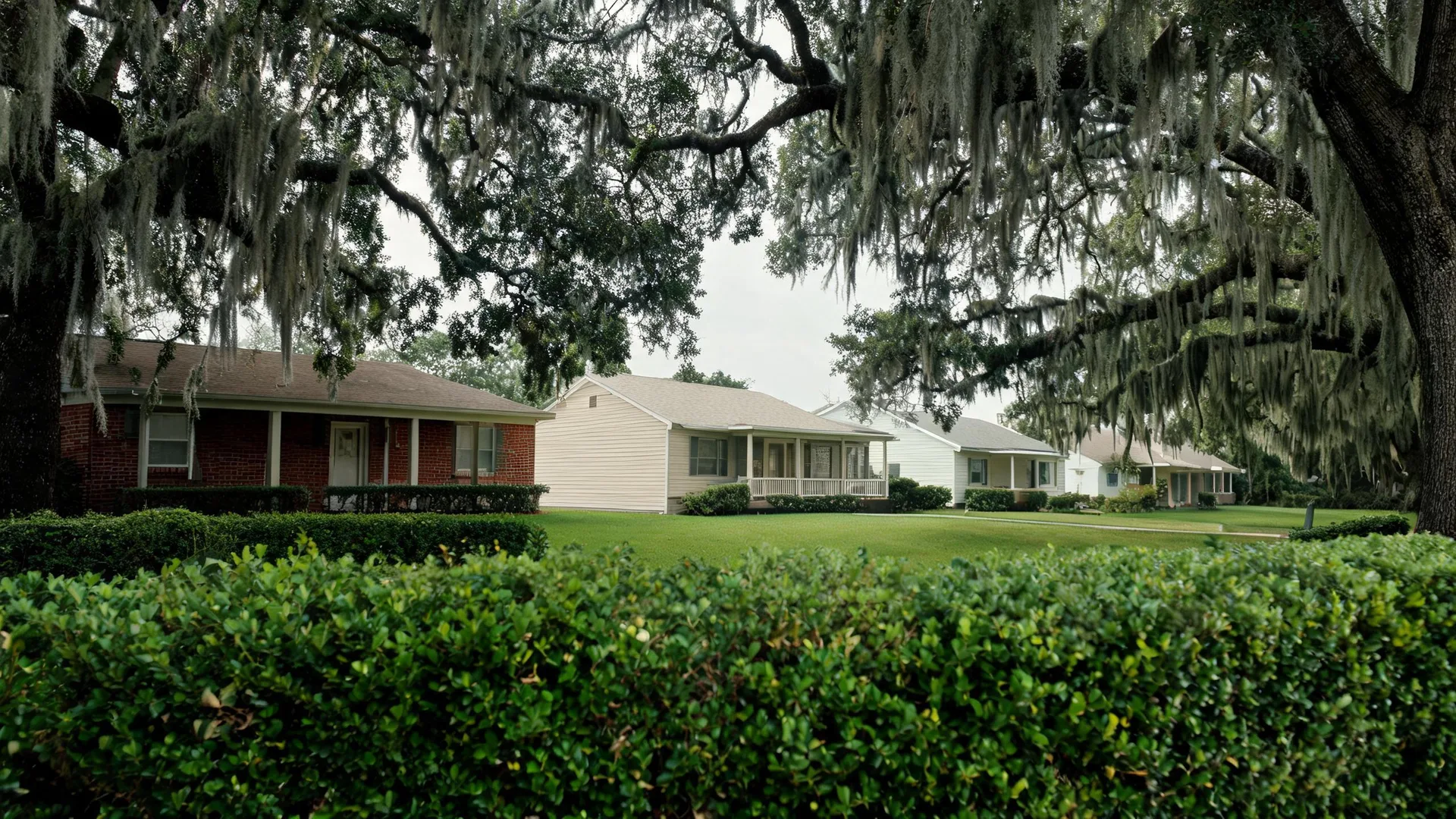







A row of single-story houses, one of red brick and others with pale siding, behind a mowed lawn and a tall trimmed hedge, framed by large oak branches draped with Spanish moss.

AC Maintenance in Salisbury, NC

Tell us about the job

Takes about a minute. No obligation.

Tune-up, service, or cleaningCentral ACRowan County, NC
Step 1 of 2

What ZIP code is the job in?

Rowan County saw 128 severe weather events between 2015 and 2024. Damaging wind caused most of them, 101 times in that span, with 14 hail events and 3 tornadoes mixed in. Your outdoor unit sits outside through all of it, exposed to wind-blown branches and hail that can bend its fins or crack the fan blades. A quarter of North Carolina households lost power for a day or more in 2024, and a long outage in summer means no air conditioning right when you need it most. A unit checked over before storm season gets the chance to prove it can handle what's coming.

5 months
May through September, your air conditioner is on duty
87°F
the average summer afternoon it cools against
14 hail events
in ten years, and hail bends the fins on outdoor coils
101 wind events
in ten years, and wind drives debris into outdoor units
Isometric cutaway illustration of a house interior showing ducted HVAC piping, an indoor air handler unit, and an outdoor condenser with fan connected by a line, rendered in grey tones on a white background.
Your air conditioner works hardest from June through August.

NOAA nClimDiv, 1991–2020 normals

A dirty filter chokes airflow before the system ever touches the coil.

That's why a tune-up checks the filter, the coil and the drain together, not just one of them.

Half the homes here were built in 1983 or later, so the AC is likely younger than the house

Half the homes here were built by 1983
Cooling runs May through September
Summer afternoons average 87°F
May is when it starts earning its keepCooling in Rowan County runs May through September. Book the tune-up in April.

A system installed with a newer house still has years of work ahead of it. A yearly check is what keeps it on track to use them. The technician catches a weak capacitor or a refrigerant level drifting low before either one forces a breakdown, and fixing those early costs less than replacing a compressor they ruin. An AC that gets this kind of attention every year tends to last into its second decade instead of failing in its first. If your system came with the house, or close to it, this is the maintenance that keeps it from becoming an early replacement.

Have the unit checked before storm season puts it to the test

Get the outdoor unit looked at before storm season builds. A technician can check the fins, the fan blades and the housing for damage and clear out anything that's piled up against it, so the unit is working the way it should when the wind and hail start up again.

Find a contractor
A man in a dark long-sleeve shirt and tan work pants, seen from behind, carries a canvas tool bag up wooden steps toward an orange front door with a potted plant beside it.
An outdoor air conditioning condenser unit mounted on a concrete pad surrounded by gravel, photographed against a partly cloudy blue sky.

The system tells you before it quits

An air conditioner doesn't fail the same way twice. The first summer it struggles, it's usually the airflow: a return vent half blocked by furniture, a filter packed with enough dust to choke the blower. Leave that alone and the coil starts icing over, and now the system is putting out warm air instead of cold no matter how long it runs. Short cycling is another one worth paying attention to, when the unit kicks on, runs a few minutes, then shuts off before the house even starts cooling. That's often a thermostat problem, but it can also be a sign the compressor is struggling to start. A hard start, where the outdoor unit hums or clicks before it finally kicks on, means the compressor is working harder than it should to get going. None of these are emergencies the first time they happen. They're the system telling you something's wearing out before it quits for good. A unit that's never been looked at doesn't announce its problems, it just runs a little worse each year until the year it doesn't run at all.

Dirt is what wears the compressor down

A coil caked with dust can't shed heat the way it's built to. The compressor behind it runs longer and hotter to make up for that, and a compressor pushed like that season after season is the part most likely to fail outright, not wear out slowly.

A skipped year doesn't show up right away

An AC that misses one tune-up usually still runs fine that summer. The strain shows up as a shorter lifespan down the road and a repair bill that's bigger than it would have been, not as a breakdown you can point back to the missed visit.

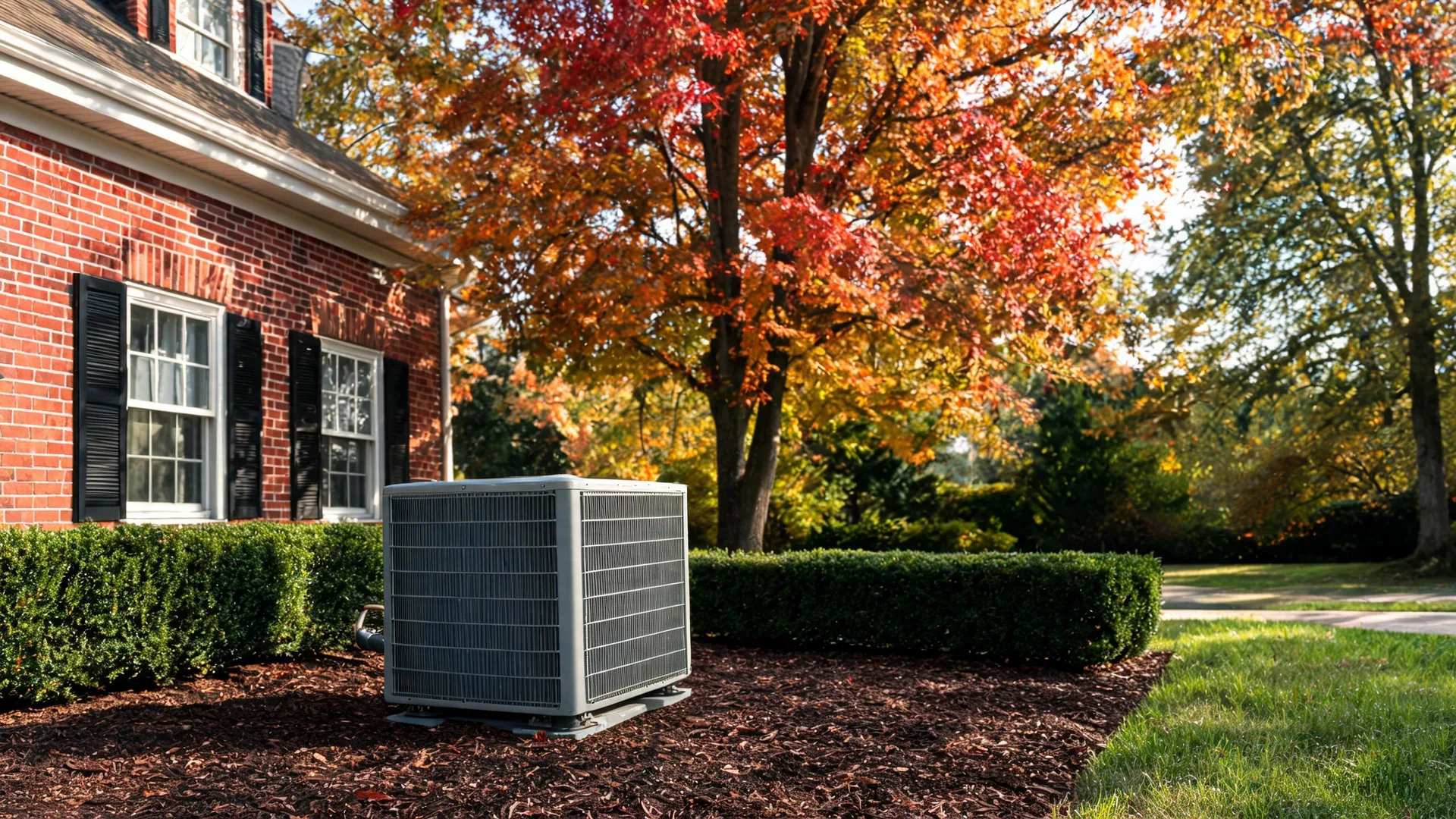
Overhead view of a gray outdoor AC condenser unit on a concrete pad beside a mulched garden bed and a house with vinyl siding.

Book your AC tune-up in April, before homes here start needing cooling in May.

  1. Jan
  2. Feb
  3. Mar
  4. Apr
  5. May
  6. Jun
  7. Jul
  8. Aug
  9. Sep
  10. Oct
  11. Nov
  12. Dec

A tune-up checks the refrigerant charge, cleans the coils, tests the capacitor and tightens the electrical connections.

A tune-up starts outside at the condenser. The technician pulls the top or side panel and cleans the coil, because a coil caked with dirt can't shed heat no matter how hard the compressor works. The fan blade gets checked for cracks and the motor bearings for play, since a wobbling blade eventually works itself loose. Inside, the evaporator coil gets inspected for the same buildup, and the drain line gets cleared so condensation doesn't back up into the house. The technician checks refrigerant levels and the pressures on both sides of the system, because low refrigerant makes the compressor run longer to do the same job. Electrical connections get tightened, and the capacitor gets tested under load, since a weak one is what usually causes the hard start a homeowner notices before anything else fails.