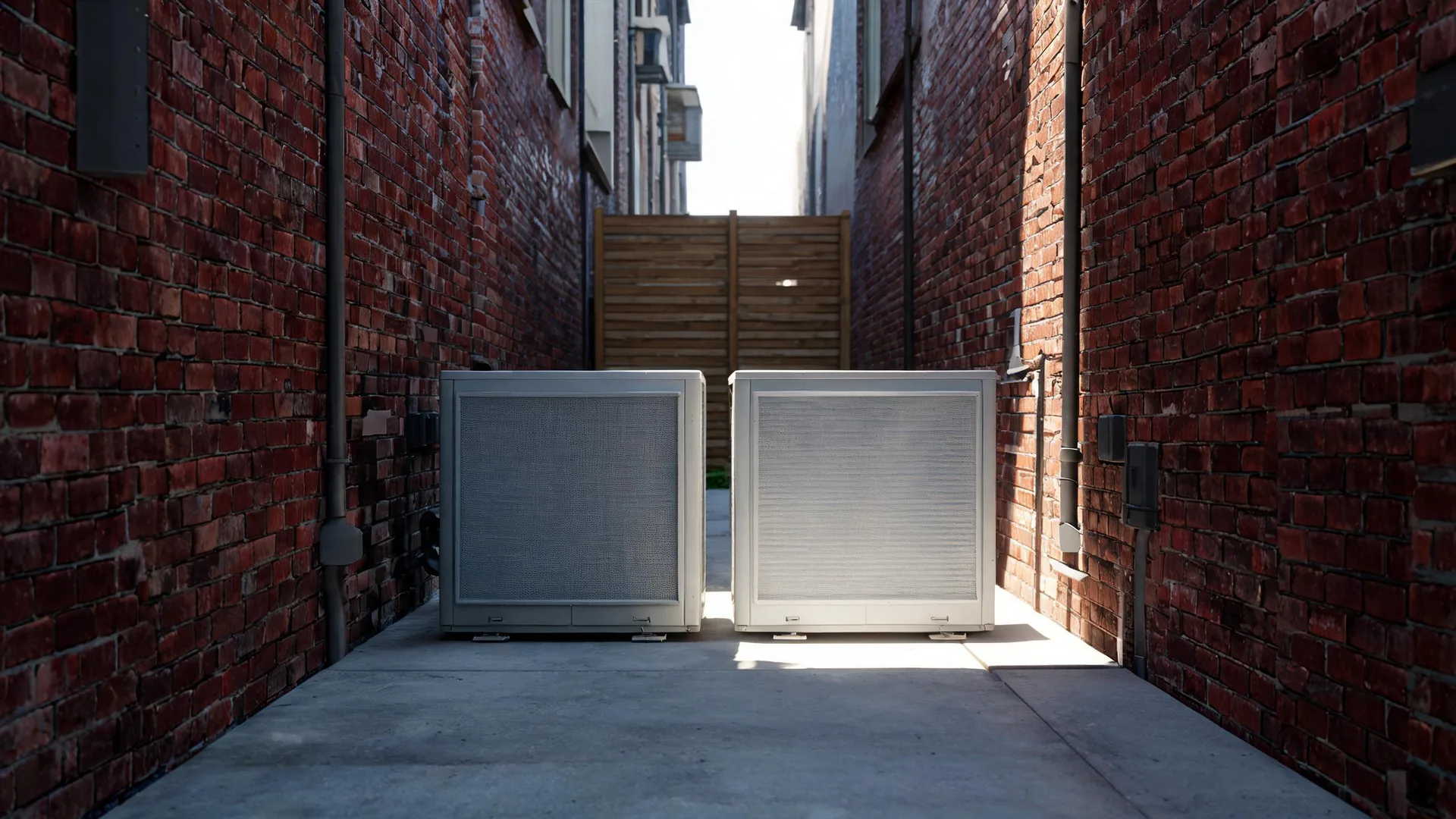
Power here isn't cheap to waste
Electricity in Robeson County ran about 14.46 cents per kilowatt-hour in 2025. A dirty coil or a low charge makes the compressor run longer to cool the same house, and every extra minute draws power at that rate.
Takes about a minute. No obligation.
Electricity in Robeson County ran about 14.46 cents per kilowatt-hour in 2025. A dirty coil or a low charge makes the compressor run longer to cool the same house, and every extra minute draws power at that rate.
An air conditioner that's losing efficiency doesn't usually quit outright. It just runs longer and pulls more power doing the same job, and with most homes here heating electric too, that same meter is already working hard the other half of the year.

NOAA nClimDiv, 1991–2020 normals
Your AC runs about five months straight here, May through September, with afternoon highs averaging 90°F in June, July and August.
A system working that hard shows worn parts early, so a check before May catches them before the season does.




Robeson County logged 127 severe weather events between 2015 and 2024. Most of that was wind, 87 events, with 23 hail events and 8 tornadoes mixed in. An outdoor condenser sits outside through all of it, and hail dents fins while wind throws branches and debris into the coil and the fan. A unit can keep running with that kind of damage for a while, just worse than it should. Statewide, a quarter of households lost power for a day or more in 2024, and when it comes back on, a unit that was already strained from storm damage has a harder time catching up. Checking the outdoor unit before summer catches the dent or the blocked coil while it's still a small problem.
A tune-up before summer gets the coil clean and the charge right, so the compressor isn't working harder than it has to on a meter that's already busy half the year.
Find a contractor
An older system has had more years for a connection to loosen or a part to wear down quietly. None of that shows up from across the room. A yearly check gets a technician's hands on the unit, where a loose connection or a worn part gets caught before it fails in the middle of a hot stretch.
A unit losing its edge doesn't usually stop working. It runs longer to hit the same temperature, cycles on and off more than it used to, or blows air that's not as cold at the vent as it should be. Warm spots show up in rooms that used to cool fine. None of that trips a breaker or sets off an alarm. It just quietly asks more of the compressor every day until something finally gives out.
A refrigerant line losing charge, a coil caked with dust, a blower wheel going out of balance: none of it is visible without opening the cabinet. A technician checks the charge against what the system calls for, looks at the coil for buildup, and listens to the blower run. Catching a weak part on a bench means it gets replaced on a Tuesday instead of failing on the hottest day of the year.
A tune-up checks the refrigerant charge, cleans the coils, tests the capacitor and tightens the electrical connections.
A tune-up starts with the filter and works inward. A technician checks the refrigerant charge against what the system is rated for, since too little means the compressor works harder and too much can flood it. The outdoor coil gets cleaned, because dirt and pollen across those fins block the heat the system is trying to get rid of. The indoor coil gets a look too, along with the drain line, which clogs with algae and backs up water into the house if nothing catches it. Electrical connections get tightened, since a loose one heats up and fails under load. The blower wheel and fan motor get checked for wear and balance, and the capacitor that starts the compressor gets tested, because a weak one strains the motor every time the system cycles on.