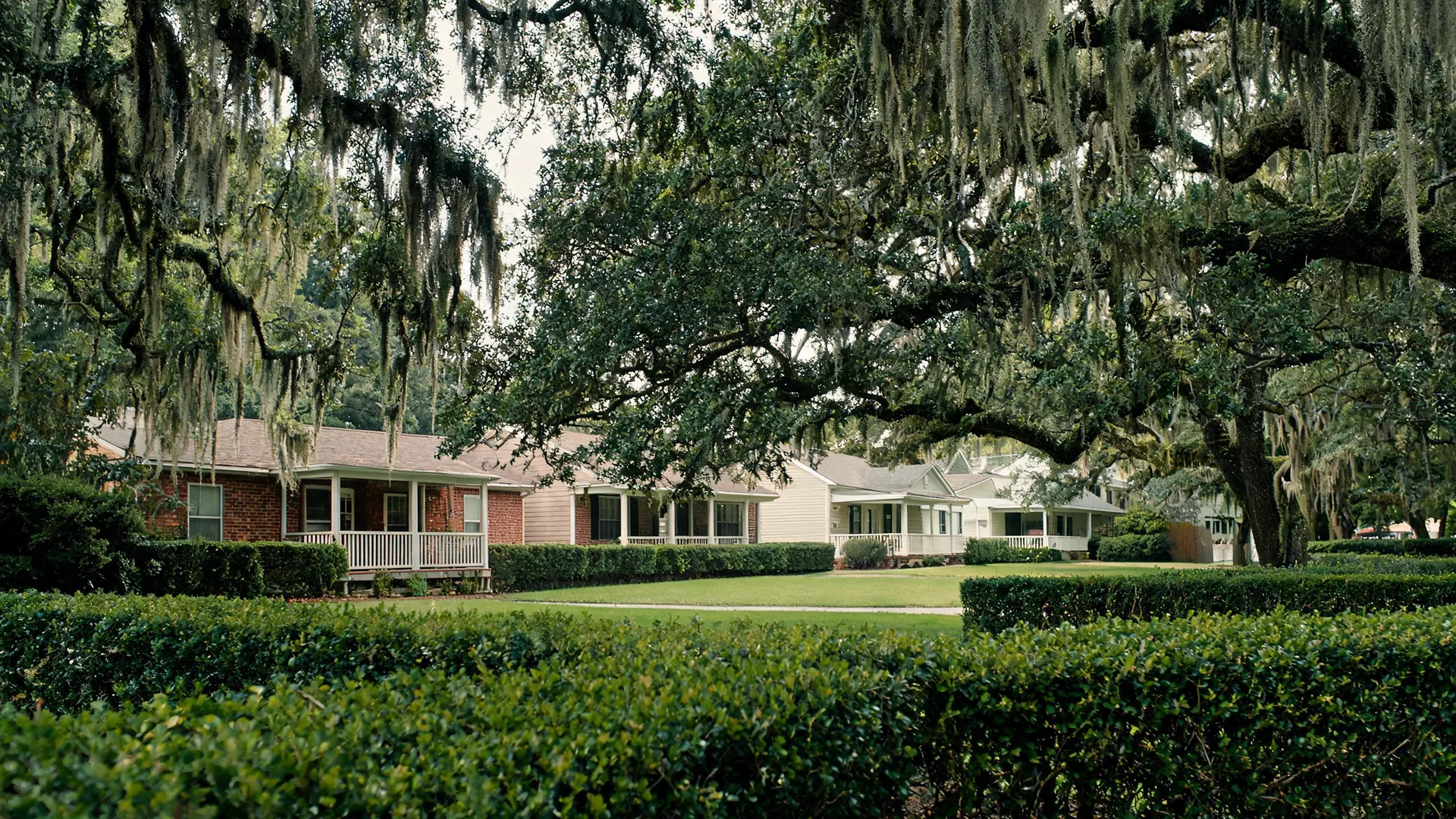
A row of single-story houses with porches behind a manicured lawn and trimmed hedges, framed by large oak trees draped with Spanish moss.

AC Maintenance in Louisburg, NC

Tell us about the job

Takes about a minute. No obligation.

Tune-up, service, or cleaningCentral ACFranklin County, NC
Step 1 of 2

What ZIP code is the job in?

Franklin County sees its share of storms

Franklin County logged 115 severe weather events between 2015 and 2024, including 85 with damaging wind, 13 with hail, and 3 tornadoes. Tropical storms reached the county 4 times in that span, and winter storms brought ice or heavy snow 10 times.


Outdoor units take the hit

Your condenser sits outside through all of it. Wind-blown branches and debris can bend the fins or clog the coil, and hail dents the cabinet. A unit that took damage during a storm last year might still be running, just not at its best.

5 months
May through September, your air conditioner is on duty
88°F
the average summer afternoon it cools against
13 hail events
in ten years, and hail bends the fins on outdoor coils
85 wind events
in ten years, and wind drives debris into outdoor units
Isometric cutaway illustration of a single-story house showing interior rooms, ceiling ductwork, an indoor air handler, and an outdoor condenser unit connected by lines, in gray and white tones on a white background.
Your air conditioner works hardest from June through August.

NOAA nClimDiv, 1991–2020 normals

Franklin County runs its air conditioner about five months straight, May through September, with afternoon highs averaging 88°F and air that sits heavy at a 67 degree dew point.

A system working that long under that load wears parts faster, so a tune-up before May catches what the season will otherwise turn into a breakdown.

Power here isn't cheap, and a strained system uses more of it

Power here costs 14.83 cents per kilowatt-hour
Cooling runs May through September
Summer afternoons average 88°F
Book It Before MayCooling starts in May here. Get the tune-up done in April.

Half the homes in Franklin County were built in 1997 or later, which means a lot of the air conditioners out there are still well within their working life. That's worth something. A newer system hasn't built up years of wear on the capacitor or contactor the way an older one has, and a yearly check is what keeps it that way. Skip a few years of maintenance on a newer unit and small problems, a dirty coil, a low charge, start acting like the system is older than it is. The tune-up isn't fixing damage at that point. It's keeping a good system good.

Have the outdoor unit checked before the next storm season

A tune-up includes a look at the condenser itself: the fins, the coil, the cabinet. That's the time to catch bent fins or a cracked cabinet before they turn into a bigger repair, and to clear out whatever the last storm blew into the coil.

Find a contractor
An outdoor residential air conditioning condenser unit mounted on a concrete pad, surrounded by gravel with a blue sky in the background.

Five months of running time starts in May

Five months of that running time are already ahead for this year, May through September. Once the season starts, there's no break in it for the unit to catch up on anything. A tune-up before then means a tech checks the capacitor, the contactor, and the refrigerant charge while the system is sitting idle, not on a July afternoon with the compressor already working against 88 degree heat. A weak part found before the season starts is a quick fix. The same part found in August is a breakdown.

A dirty coil makes the whole system work harder

The outdoor coil gives up heat and the indoor coil pulls moisture out of the air. Dust and grime on either one act like a blanket, so the system runs longer to do the same job and the compressor takes the brunt of it. A clogged filter does the same thing from the other direction, starving the indoor coil of airflow until it gets so cold it ices over.

The drain line is a small part with an outsized job

Moisture pulled from the air has to go somewhere, and the condensate drain is the only way out. Algae and dirt build up inside that line and block it over time. Once it backs up, water has nowhere to go but into the drain pan and from there into the ceiling or the walls around the air handler. A tune-up includes flushing that line before it becomes a leak instead of a maintenance item.

Aerial view of a square outdoor air conditioning condenser unit on a concrete pad beside a house wall with a sliding glass door.

Book your AC tune-up in April, before homes here start needing cooling in May.

  1. Jan
  2. Feb
  3. Mar
  4. Apr
  5. May
  6. Jun
  7. Jul
  8. Aug
  9. Sep
  10. Oct
  11. Nov
  12. Dec

A tune-up checks the refrigerant charge, cleans the coils, tests the capacitor and tightens the electrical connections.

A tune-up means the system gets opened up and checked, not just glanced at. The tech checks refrigerant charge against what the system calls for, since too little and the compressor runs longer than it should, too much and it runs hot. Electrical connections get tightened, because a loose connection at the contactor builds resistance and that resistance builds heat. The capacitor gets tested under load rather than just looked at, since a capacitor can read fine sitting still and still fail the moment the compressor tries to start. Belts don't factor in here, most condenser fans and blower motors drive direct, but the motor bearings and the blower wheel get checked for wear and buildup. The thermostat gets checked against the actual temperature in the room, because a thermostat reading a few degrees off will run the system longer than the house needs.