






Single-story brick and siding houses with lawns behind a long trimmed hedge, framed by large oak branches draped with Spanish moss under an overcast sky.

AC Maintenance in Greensboro, NC

Tell us about the job

Takes about a minute. No obligation.

Tune-up, service, or cleaningCentral ACGuilford County, NC
Step 1 of 2

What ZIP code is the job in?

Guilford County saw 214 severe weather events between 2015 and 2024. Damaging wind caused 166 of them, hail another 30, and that's on top of tornadoes and tropical storms passing through. Your outdoor unit sits outside through all of it, exposed to wind-blown branches and hail with nothing but its thin metal fins for protection. A bent coil or a cracked fan blade won't always stop the system right away, but it makes the unit work harder and fail sooner. Before storm season builds, it's worth having someone check the cabinet and coil for damage that's already been done, so it isn't the thing that takes the system down later.

5 months
May through September, your air conditioner is on duty
87°F
the average summer afternoon it cools against
30 hail events
in ten years, and hail bends the fins on outdoor coils
166 wind events
in ten years, and wind drives debris into outdoor units
Isometric cutaway illustration of a single-story house with a dark shingled roof, showing interior rooms with ductwork and an indoor air handler connected to an outdoor condenser unit beside the building.
Your air conditioner works hardest from June through August.

NOAA nClimDiv, 1991–2020 normals

Cooling here starts in May, right out of the gate.

Have the unit checked in April, before it's carrying the full load.

Five months of 87 degree afternoons wears a system down fast

Cooling runs May through September
Summer afternoons average 87°F
166 damaging wind events from 2015 to 2024
A newer system still needs a yearly checkHalf the homes in Guilford County were built in 1987 or later, with equipment that still has years of work left in it.

Five months of 87 degree afternoons is a long stretch for any system to carry. A tune-up before the season gets going is when a contractor can still catch a weak capacitor or a low refrigerant charge, the kind of wear that gets worse under a full load, not better. Checking it in spring means the fix happens on a mild day, not during a run of 87 degree afternoons when the unit can least afford to be down. It's the cheaper problem to catch now than the one it turns into in July.

Get it checked before storm season finds the damage for you

A quarter of North Carolina households lost power for a day or more in 2024. When the power goes out, you want to already know the unit is sound. Have the cabinet and coil looked at now, while the weather's still calm enough to get it done.

Find a contractor
A gray residential air conditioner condenser unit mounted on a concrete pad in an open grass field.

Keep a newer system newer, longer

If your system came with the house, there's a decent chance it's got years left in it. That's exactly what a yearly check is for. Catching a weak part now, while the system is still sound, is what keeps it sound. Skip the check on a newer unit and small wear just sits there, unnoticed, until the day the system can least afford it.

What a quick visit skips

A fast visit checks that the system turns on and blows cold, then moves on. It won't catch a capacitor that's starting to weaken, or tell you what the refrigerant charge actually is instead of just close enough. Those are the things that fail mid-summer, not the things that stop a unit from starting on a cool day in spring.

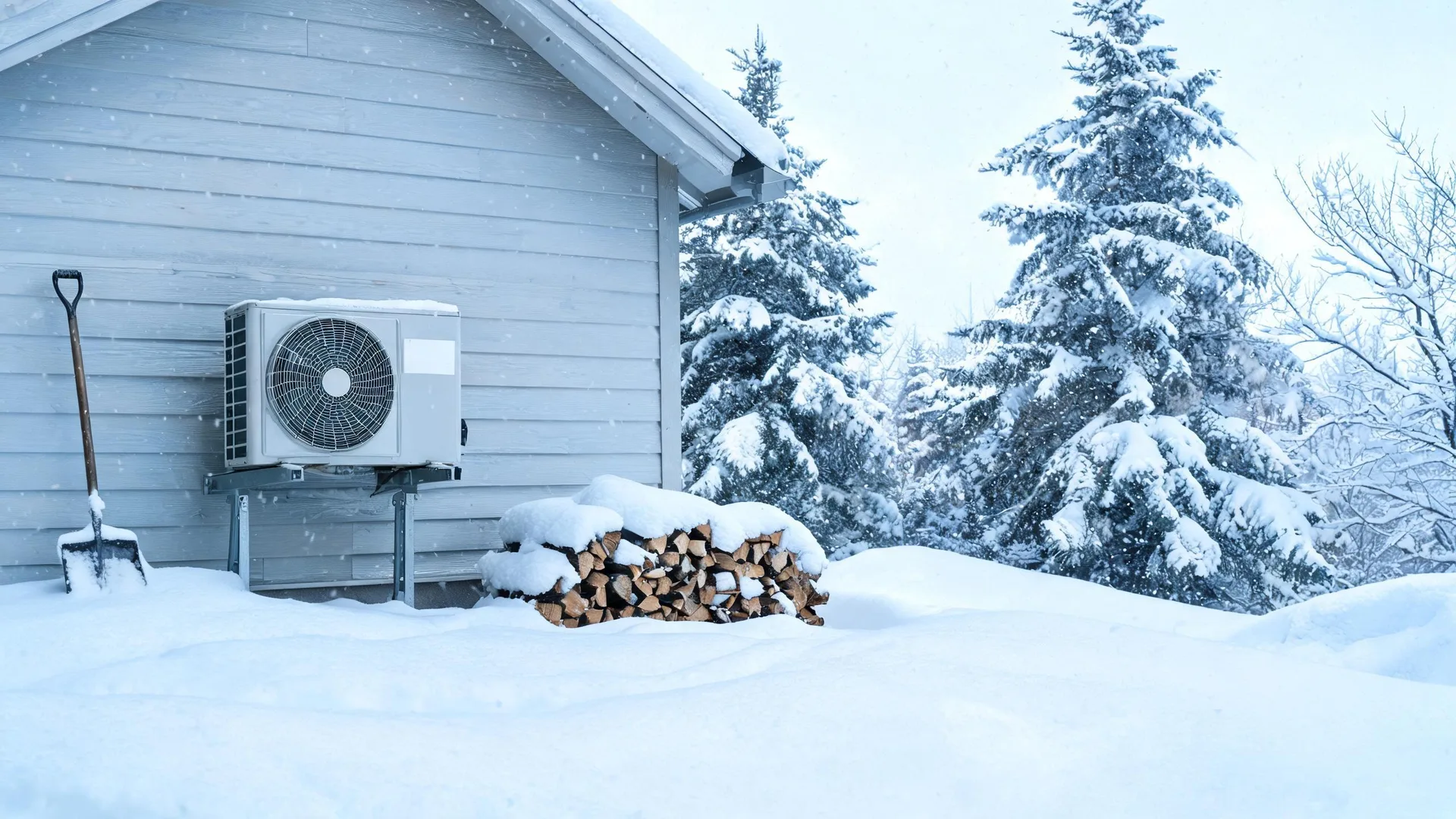
What a thorough one covers

A full tune-up has the tech pull the capacitor and test it against its rating, check refrigerant charge against the manufacturer's number, clean the condenser coil so it can actually shed heat, and check the contactor for pitting. Each one is a part that wears quietly and then fails all at once. Checking them now is how a contractor finds the one that's close to done before it picks the day to prove it.

An overhead view of a residential air conditioning condenser unit mounted on a concrete pad next to a house with vinyl siding.

Book your AC tune-up in April, before homes here start needing cooling in May.

  1. Jan
  2. Feb
  3. Mar
  4. Apr
  5. May
  6. Jun
  7. Jul
  8. Aug
  9. Sep
  10. Oct
  11. Nov
  12. Dec

A tune-up checks the refrigerant charge, cleans the coils, tests the capacitor and tightens the electrical connections.

A proper tune-up starts with power to the unit off, so nothing is live while the tech works. From there it's the parts that wear without showing it. The capacitor gets pulled and tested against its rating, not just eyeballed. The contactor gets checked for pitting, since a pitted contact can stick or fail to close. The condenser coil gets cleaned, because a coil caked with dirt can't shed heat the way it's supposed to, and that makes the compressor work harder to do the same job. Refrigerant charge gets checked against what the manufacturer specifies, not just whatever's in the lines already. The blower wheel and evaporator coil get looked at too, since restricted airflow on either end puts strain on everything downstream of it. None of these are things you can see from across the yard. They're the parts that fail quietly, one at a time, until the day the whole system doesn't start.