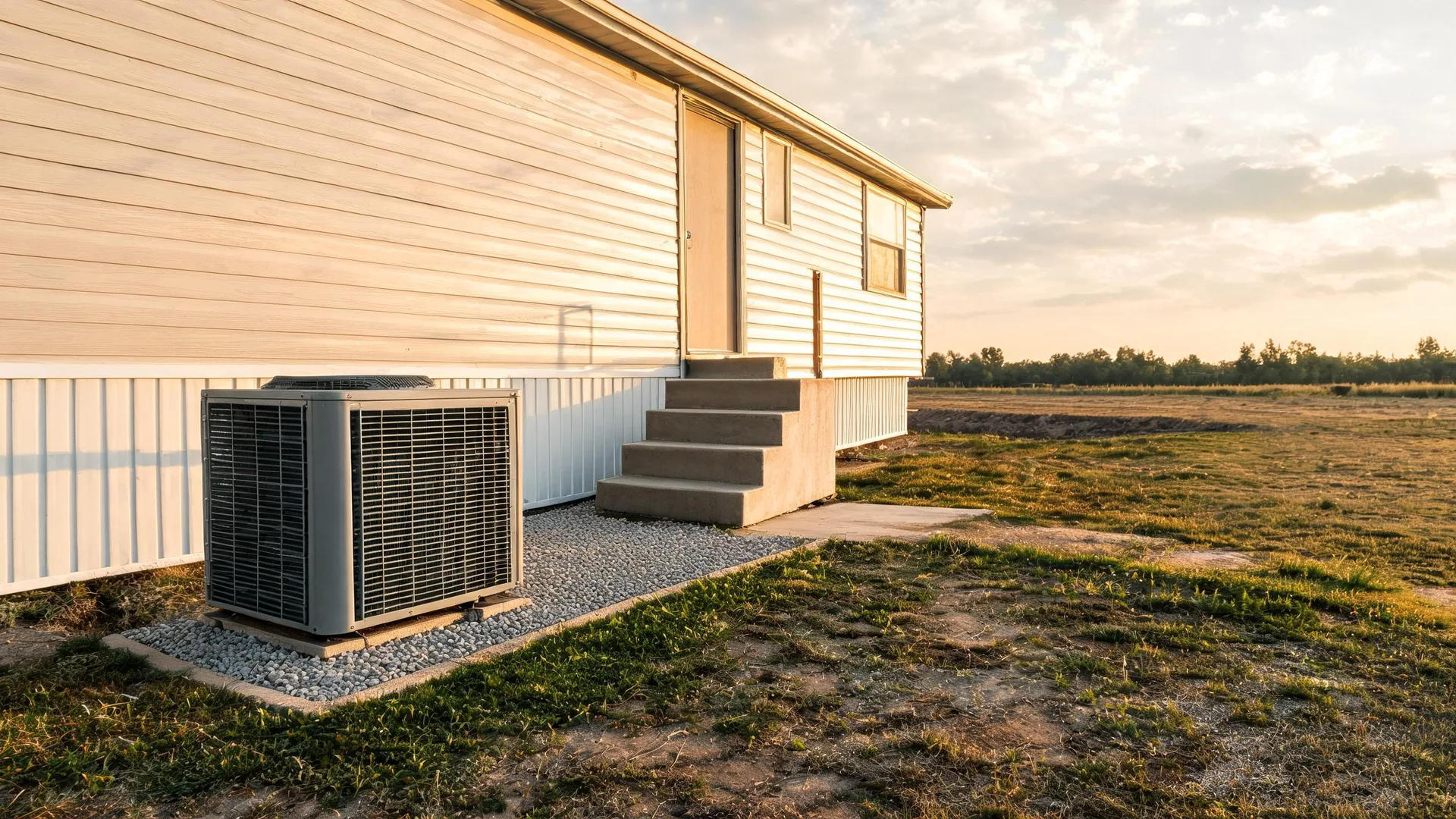
Aerial view of a residential air conditioning condenser unit mounted on a concrete pad next to a house with vinyl siding and a sliding glass door.

AC Maintenance in Goldsboro, NC

Tell us about the job

Takes about a minute. No obligation.

Tune-up, service, or cleaningCentral ACWayne County, NC
Step 1 of 2

What ZIP code is the job in?

Electricity here runs 14.61 cents a kilowatt-hour

Wayne County homes paid an average of 14.61 cents per kilowatt-hour in 2025. A dirty coil or a low charge makes the compressor work harder to do the same job, and that extra work shows up on the meter at that rate.

A skipped tune-up costs more here than elsewhere

The same worn air conditioner wastes more money in Goldsboro than in a place with cheaper power. Catching a weak part or a clogged filter before it drags the system down matters more here than somewhere electricity costs less.

5 months
May through September, your air conditioner is on duty
88°F
the average summer afternoon it cools against
15 hail events
in ten years, and hail bends the fins on outdoor coils
82 wind events
in ten years, and wind drives debris into outdoor units
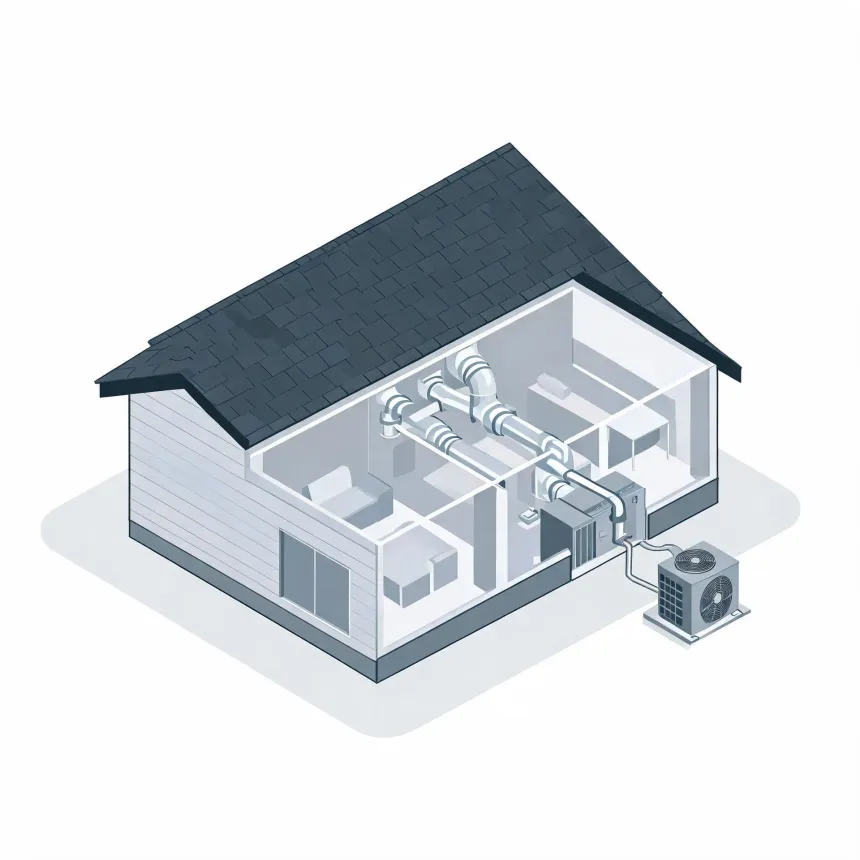
Isometric cutaway illustration of a house with a dark shingled roof, showing interior ductwork connected to an indoor air handler and an outdoor condenser unit beside the building.
Your air conditioner works hardest from June through September.

NOAA nClimDiv, 1991–2020 normals

Wayne County logged 109 severe weather events between 2015 and 2024, including 82 with damaging wind and 15 with hail.

An outdoor unit left unchecked after a storm is running hail dents or caked debris straight into the next muggy stretch.

Cooling starts in May. Have it checked in April.

Cooling runs May through September
Summer afternoons average 88°F
82 damaging wind events from 2015 to 2024
Hard Summers Wear an AC Down FastCooling runs five months here, with afternoons averaging 88°F and a dew point of 68°F.

After a storm rolls through, walk out and look at the outdoor unit before you turn it back on. Bent fins block airflow across the coil, and a cracked fan blade throws the whole thing out of balance every time it spins. Leaves and twigs packed against the sides do the same job as a clogged filter, just from the outside in. A tune-up catches what a glance from the yard misses, like a dent that's pinched a line or a cabinet seam that's come loose. Get it looked at once storm season passes through, not after the next one finds the damage for you.

A tune-up pays for itself on a meter like this one

A technician checking the coil and the charge now is the same thing as checking what the unit costs to run. Get it done before the first hot stretch and the machine spends the summer working the way it's supposed to, not fighting itself at your expense.

Find a contractor
A gray residential air conditioner condenser unit mounted on a concrete pad in an open grass field.

Five Months of Runtime, Starting Soon

Five months of running time builds up fast once the afternoons sit near 88°F day after day. A system that starts the summer with a dirty coil or a low charge spends the next five months working against that from the first week to the last. Get it looked at before May, while there's still time to fix what's wearing instead of living with it through August.

The Charge Is Right or It Isn't

A refrigerant charge a few ounces off still blows cold air out of the vent, so the system feels fine to stand next to. Gauges on the lines show what your hand can't. A low charge makes the compressor run longer to pull the same heat out of the house, and it does that every day it's low, not just on the hottest ones.

The Coil Fails From the Inside Out

Dust and grime build up on the evaporator coil and the condenser coil long before the airflow drop is anything you'd notice walking by. A coil caked with film can't shed heat the way a clean one does, so the compressor behind it runs harder to make up the difference. By the time the air coming out of the vents feels warm, that coil has been working against itself for a long while.

Overhead view of an air conditioning condenser unit on a concrete pad next to a house with asphalt shingle roofing and vinyl siding.

Book your AC tune-up in April, before homes here start needing cooling in May.

  1. Jan
  2. Feb
  3. Mar
  4. Apr
  5. May
  6. Jun
  7. Jul
  8. Aug
  9. Sep
  10. Oct
  11. Nov
  12. Dec

A tune-up checks the refrigerant charge, cleans the coils, tests the capacitor and tightens the electrical connections.

A tune-up is a list of checks, not a once-over. The technician pulls the capacitor and tests it under load, because a capacitor can read fine sitting still and still fail to kick the compressor on. The contactor gets a look too, since its contacts burn and pit a little every time the unit cycles, and a worn one can stick or fail to close. Refrigerant lines get checked for oil residue, which is how a slow leak shows itself before the charge drops low enough to matter. The condensate drain gets cleared, because algae and dirt narrow it slowly until the day it backs up and shuts the system down or overflows the pan. The blower wheel gets checked for caked-on dirt, which throws off airflow across the whole system even when the filter upstream is clean. None of this is guesswork. It's the same checks, done in order, whether the system is old or new.