Cabarrus County sees real storm damage
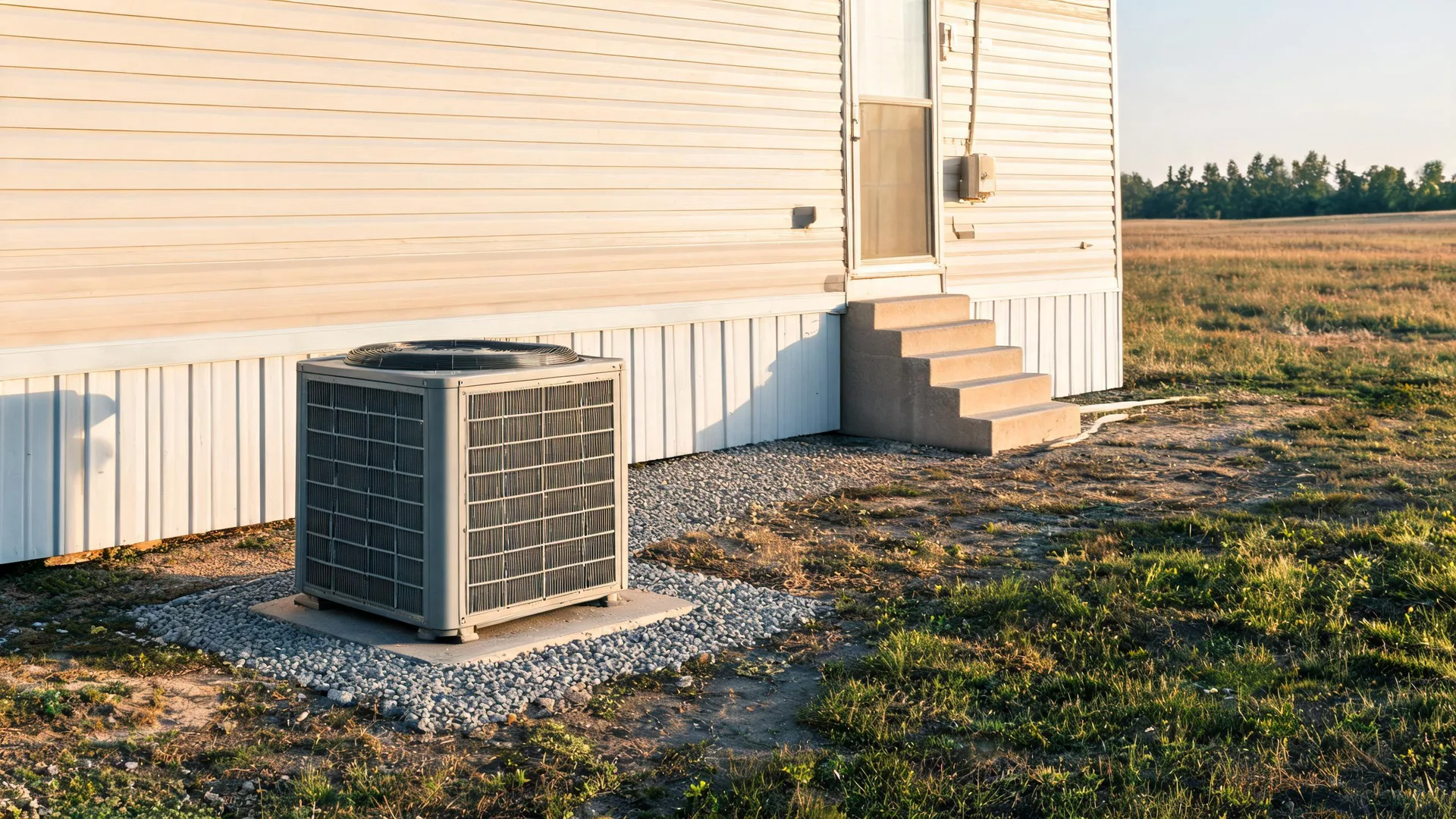
Cabarrus County logged 100 severe weather events between 2015 and 2024, including 60 rounds of damaging wind, 26 hail events, and 3 tornadoes. That outdoor unit sits outside through all of it.

Takes about a minute. No obligation.
Cabarrus County logged 100 severe weather events between 2015 and 2024, including 60 rounds of damaging wind, 26 hail events, and 3 tornadoes. That outdoor unit sits outside through all of it.
A quarter of North Carolina households went at least 24 hours without power in 2024. When the power's out that long, your AC and your hot water go with it until it's restored.

NOAA nClimDiv, 1991–2020 normals
A capacitor can be weak for weeks before it fails outright.
A tune-up catches it on the bench, not on the afternoon your AC quits.




If your AC came with the house, a yearly check is what keeps it running toward the far end of that life instead of the near one. A tune-up catches the wear a storm or a hard summer puts on a unit before it turns into a breakdown. That matters more here, where the outdoor unit has already weathered the wind and hail this county sees most years. Cleaning the coil, checking the refrigerant charge, and testing the capacitor on the bench costs nothing compared to losing the system outright. A system with years left in it is worth the hour it takes to keep it that way.
Hail and wind have already had chances at that outdoor unit this year, and more are coming before summer's out. A tune-up gets someone looking at the coil and the cabinet for damage now, while the unit's still running fine, instead of after a storm knocks it out.
Find a contractor
Between visits, keep the area around the outdoor unit clear. Grass clippings, leaves, mulch and anything that blows in during a storm can block airflow through the coil, and a unit that can't breathe runs hotter and works harder than it should. Check the condensate drain line near the indoor unit once in a while. If it looks algae-clogged or you see water pooling where it shouldn't, that line needs attention before it backs up. Swap or clean the air filter on a regular basis. A dirty filter chokes airflow across the coil, and that alone can ice it over. Outside, after any hard wind or hail, take a look at the unit itself. Bent fins on the coil, a cabinet dented enough to rub the fan, or debris sitting inside the housing are all things worth catching early. Don't pack anything tight against the unit, like storage bins or a trimmed hedge. It needs open air on all sides to move heat the way it's built to. None of this replaces what a tech checks on the bench, like the capacitor and the refrigerant charge, but it keeps the system from working against itself in the meantime.
A coil caked with dust can't shed heat the way it's supposed to, so the compressor runs longer and hotter to hit the same temperature. That extra strain is what shortens its life. Cleaning the coil is the single biggest thing a tune-up does for how long the unit lasts.
A refrigerant leak too small to notice this month leaves the compressor running low on charge, and a compressor starved of refrigerant overheats every time it cycles on. By the time the system can't cool the house, the compressor has usually been damaged too, turning a cheap fix into a full replacement.
A tune-up checks the refrigerant charge, cleans the coils, tests the capacitor and tightens the electrical connections.
A tune-up is a fixed set of checks, not a once-over. On the electrical side, a tech tests the capacitor and contactor under load, since both wear out slowly and tend to fail on the hottest day rather than a mild one. On the refrigerant side, they check the charge against what the system calls for, because low refrigerant makes the compressor run hotter than it should every time it cycles. The coil gets cleaned, since dirt on the fins is what makes the compressor work harder to move the same heat. The drain line gets checked so condensation has somewhere to go instead of backing up into the cabinet. The blower and fan motor get inspected for wear, and the thermostat gets tested to confirm it's calling for cooling correctly. None of this is guesswork. Each check is there because that part is a known way the system fails.