A row of single-story houses with porches behind a manicured lawn and trimmed hedges, framed by large oak trees draped with Spanish moss.

AC Maintenance in Chapel Hill, NC

Tell us about the job

Takes about a minute. No obligation.

Tune-up, service, or cleaningCentral ACOrange County, NC
Step 1 of 2

What ZIP code is the job in?

Orange County sees its share of storms

Orange County recorded 149 severe weather events between 2015 and 2024, with damaging wind alone hitting 121 times. Add 12 hail events and 3 tornadoes, and an outdoor AC unit sitting outside takes the brunt of it year after year.

Power doesn't always come right back

A quarter of North Carolina households went at least 24 hours without power in 2024. When the outage runs that long, an air conditioner that was already struggling before the storm is the one you notice first once the power is back.

5 months
May through September, your air conditioner is on duty
87°F
the average summer afternoon it cools against
12 hail events
in ten years, and hail bends the fins on outdoor coils
121 wind events
in ten years, and wind drives debris into outdoor units
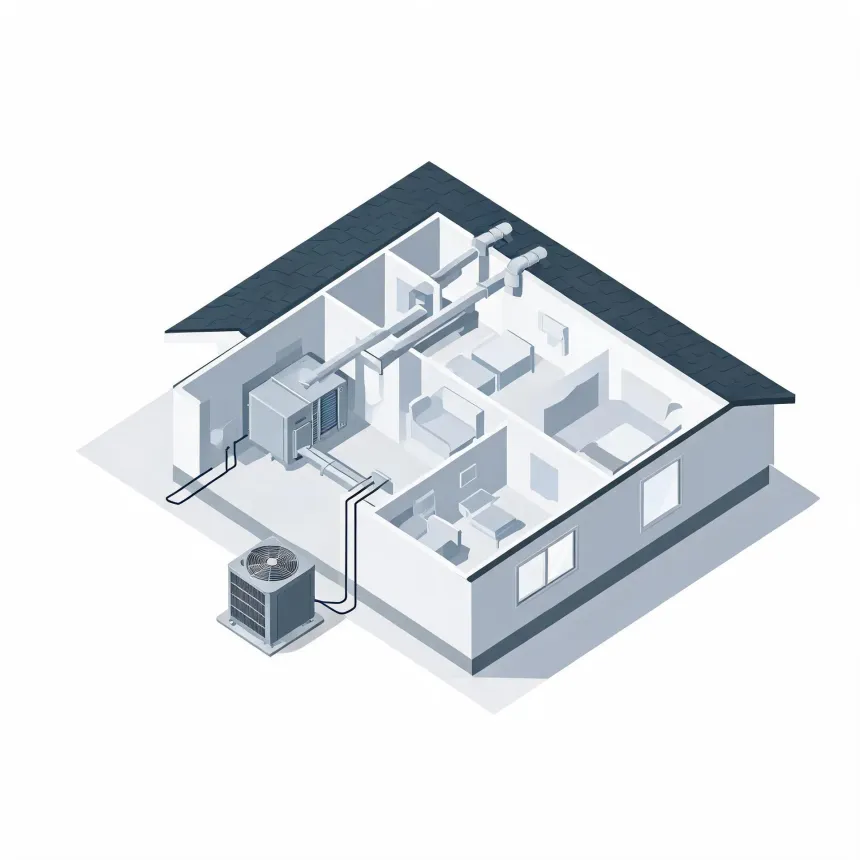
Isometric cutaway illustration of a single-story house showing interior rooms, ceiling ductwork, an indoor air handler, and an outdoor condenser unit connected by lines, in gray and white tones on a white background.
Your air conditioner works hardest from June through August.

NOAA nClimDiv, 1991–2020 normals

A dirty filter makes the whole system work harder to move air.

Check it every month and swap it when it looks gray, that one habit keeps strain off the compressor between visits.

If it's holding up fine, keep it that way

Half the homes here were built by 1990
Climate zone 3A
Power here costs 14.15 cents per kilowatt-hour
May Starts It WorkingCooling runs May through September here, so book the check in April.

A yearly check is cheap insurance for a system that still has a lot of years ahead of it. If yours went in anytime recently, a tune-up now keeps it running the way it was designed to, instead of waiting for something to fail before you find out what's wrong. A technician checks refrigerant charge, tests the capacitor, clears the condenser coil, the parts that wear down slowly and quietly. None of that looks urgent until the system has to run flat out on a long stretch of hot days. Catching a weak part on a scheduled visit costs you a service call. Catching it mid-summer costs you a system down when you need it most.

Get the outdoor unit checked before storm season finds the weak spot

Have the outdoor unit checked for storm damage and debris before the heat sets in. A technician can spot a cracked line, a bent coil or a nest of leaves packed into the condenser before it costs you a summer afternoon with no cooling.

Find a contractor
A man in a cap, dark T-shirt and work pants carries a worn canvas tool bag up wooden porch steps toward a red front door.
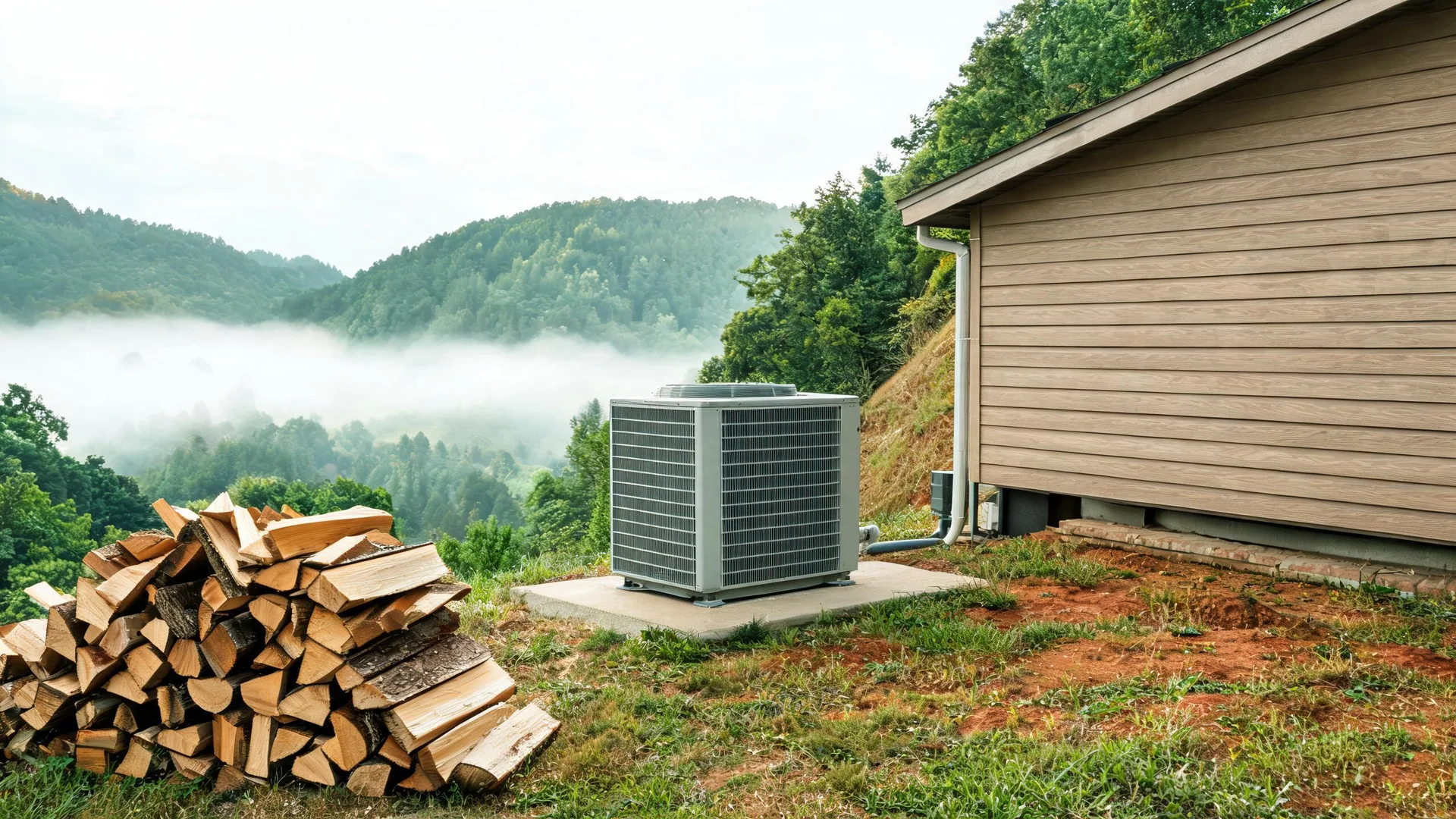
A gray residential air conditioner condenser unit mounted on a concrete pad in an open grass field.

A Real Tune-Up Leaves Marks

A quick visit gets you a glance at the filter and a pressure reading, then the van is gone. A thorough one puts a meter on the capacitor and checks what it reads against its rating, because a capacitor can test weak long before it fails outright. It means pulling the panel off the condenser and washing the coil, not just hosing off what's visible from the outside. It means checking the contactor for pitting, the points where a current arcs across and slowly eats the metal until the switch starts to stick. A thorough tech checks refrigerant charge by temperature split across the coil, not by looking at a gauge for ten seconds. They tighten electrical connections that vibrate loose over a season of the compressor cycling on and off. None of this takes much longer than the quick version. The difference is whether the parts that fail quietly get looked at before they fail, or only after.

Refrigerant level can hide a problem for months

A system low on refrigerant still blows cold air at the vent, just not as much of it, and not for as long before the compressor has to run again. The thermostat says the house is cooling. The electric bill and the compressor know otherwise. A gauge set catches the slow leak long before the symptom is obvious enough to notice on your own.

A failing part rarely gives warning

A capacitor that's losing its charge still starts the compressor, until the one hot afternoon it doesn't. There's no rattle first, no warm spell to tip you off. A technician tests it against its rated value and replaces it while it's still doing its job, not after it leaves the compressor straining to start on its own.

Aerial view of a square outdoor air conditioning condenser unit on a concrete pad beside a house wall with a sliding glass door.

Book your AC tune-up in April, before homes here start needing cooling in May.

  1. Jan
  2. Feb
  3. Mar
  4. Apr
  5. May
  6. Jun
  7. Jul
  8. Aug
  9. Sep
  10. Oct
  11. Nov
  12. Dec

A tune-up checks the refrigerant charge, cleans the coils, tests the capacitor and tightens the electrical connections.

A tune-up is the fan motor and blower wheel checked for wobble before a bearing seizes. It's drain line cleared so condensate has somewhere to go instead of backing up into the pan. A technician checks the contactor, the starting components, the refrigerant charge against what the system calls for, and looks over the wiring for anything a squirrel or a season of heat has worn through. The outdoor fan blade gets checked for a crack most people never look for. None of these parts announce themselves on the way out. A compressor that's been starting hard for months still starts, until the morning it doesn't, and by then the part that would have caught it is the same part that just failed.